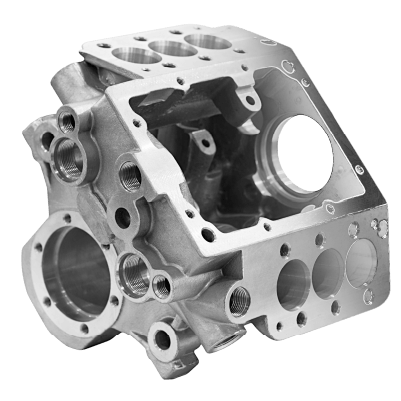









Aluminum 2014
Aluminum 2014 is a strong alloy widely used in aerospace. It's easily machinable in specific conditions and often formed into bars and profiles through extrusion.
-
190-245 MPaUltimate Tensile Strength
-
100-125 MPaYield Strength
-
72-73.3 GPaYoung's Modulus(Elasticity)
-
11-16 %Elongation at Break
At a Glance
-

Material Type
Metal -

Material Name
Aluminum 2014 -

Alternative Names
3.1255 | 24345 | AlCu4SiMg | A92014 -

Process Compatibility
CNC Milling, CNC Turning
Properties Table of Aluminum 2014

- Ultimate Tensile Strength 190-245 MPa
- Yield Strength 100-125 MPa
- Young's Modulus(Elasticity) 72-73.3 GPa
- Elongation at Break 11-16 %
- Physical Properties
- Corrosion Resistance Poor
- Magnetism Non-magnetic
- Weldability Fair
- Thermal Properties
- Maximum Service Temperature 210°C
- Thermal Expansion Coefficient 23-24.4 x 10^-6/°C
- Thermal Conductivity 150-154 W/(m·°C)
- Electrical Properties
- Electrical Resistivity 4.32 μΩ*cm
Applications of Aluminum 2014
-
 Aircraft components
-
 Bicycle frames
-
 High-pressure hydraulic pistons
-
 Automotive suspension parts
-
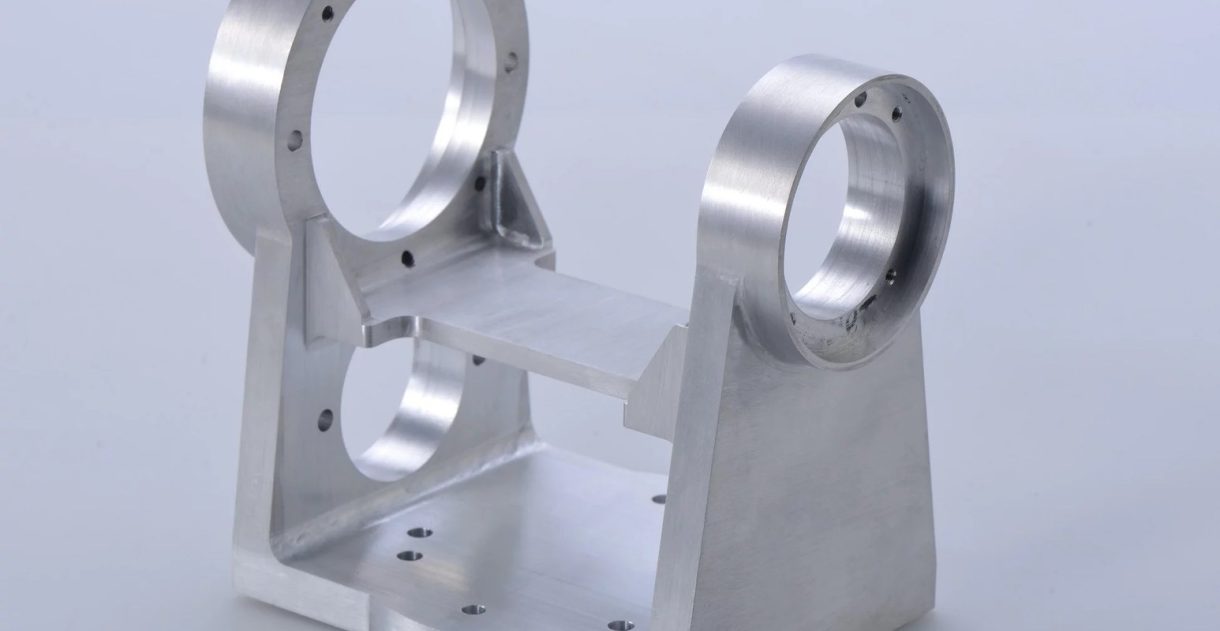
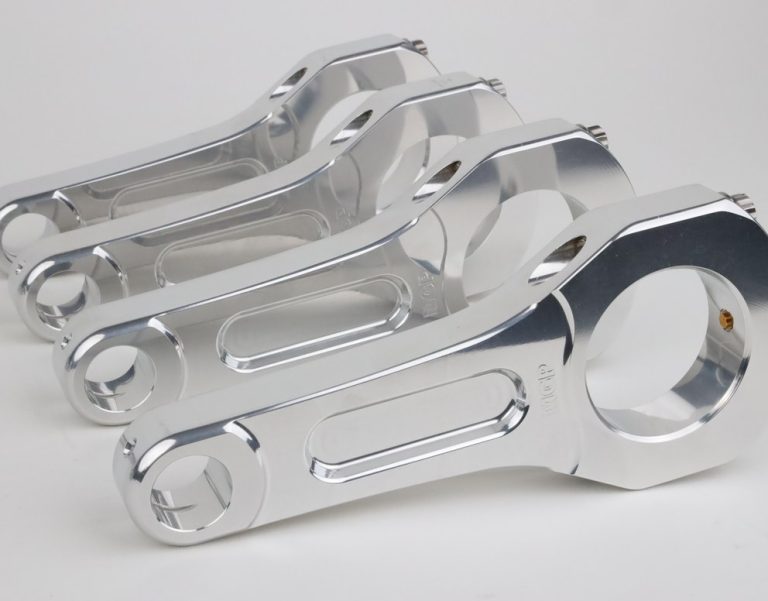
 Precision-machined parts
-
 Electronic heat sinks
-
 Marine structural elements
Advantages of Aluminum 2014
Advantages of Aluminum 2014
- Excellent strength-to-weight ratio.
- Suitable for efficient and precise machining.
- Can undergo heat treatment for enhanced mechanical properties.
- Good Formability
- Can be welded using various techniques.
- Retains strength at higher operating temperatures.
- Commonly used in aircraft structures for weight reduction and strength.
-
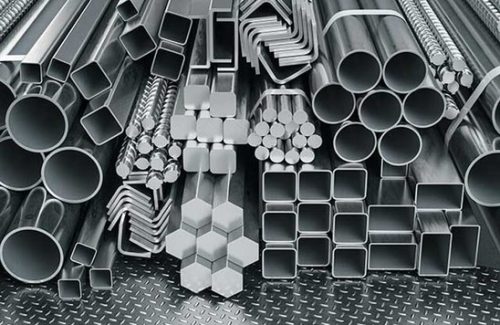 Raw Stock
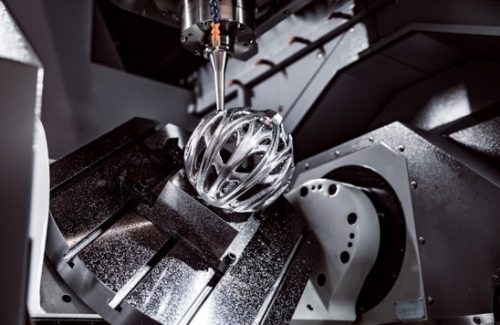 CNC Machined
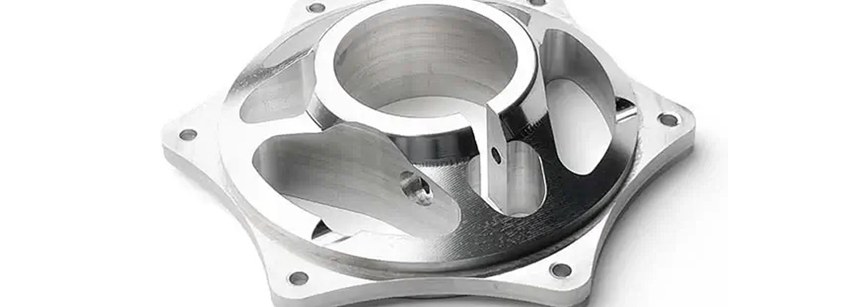 Finished Parts


Aluminum 2014 — Machining Notes
FAQ
What is the difference between Aluminum 2011 and 2014?
Aluminum 2011 has better machinability but lower strength compared to 2014, which offers higher strength and better corrosion resistance. Additionally, 2011 is supplied in round bars while 2014 is supplied in bar and plate form.
What is the difference between 2014 and 2024 aluminum?
The main distinctions between 2014 and 2024 aluminum lie in their copper content and properties. 2024 has higher copper, providing improved strength, while 2014 has better machinability and slightly lower strength.
What is the difference between Al 6061 and Al 2014?
Aluminum 2014 is soft and easy to weld with a lower melting point, while Aluminium 6061 is hard, difficult to weld, and has a higher melting point.
Other Materials
-
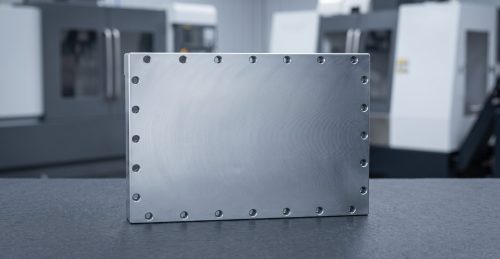 Aluminum MIC6MIC-6 is a cast aluminum plate made from a mix of metals. It offers high accuracy and easy machinability.Learn More
-
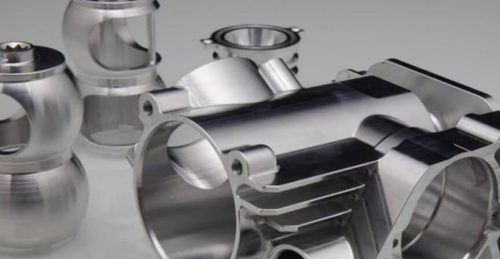 Aluminum 5052Aluminum 5052 is widely used in CNC machining because of its formability and corrosion resistance. It belongs to the 5xxx series of aluminum alloys and offers moderate strength.Learn More
-
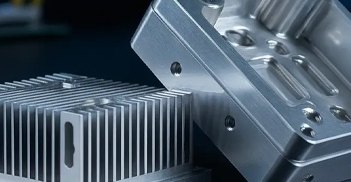 6061 Aluminum Machining (6061-T6, T651)6061 aluminum machining is the most common job on DEK's floor: the alloy engineers default to for brackets, housings and fixtures. We machine 6061-T6 and stress-relieved 6061-T651 plate and bar to ±0.005 mm on request, with prototypes in 3–5 days and no MOQ.Learn More

Ready to Scale Your Project?
Get started with a stable process and controlled quality. Let's discuss your project.