






Magnesium CNC Machining
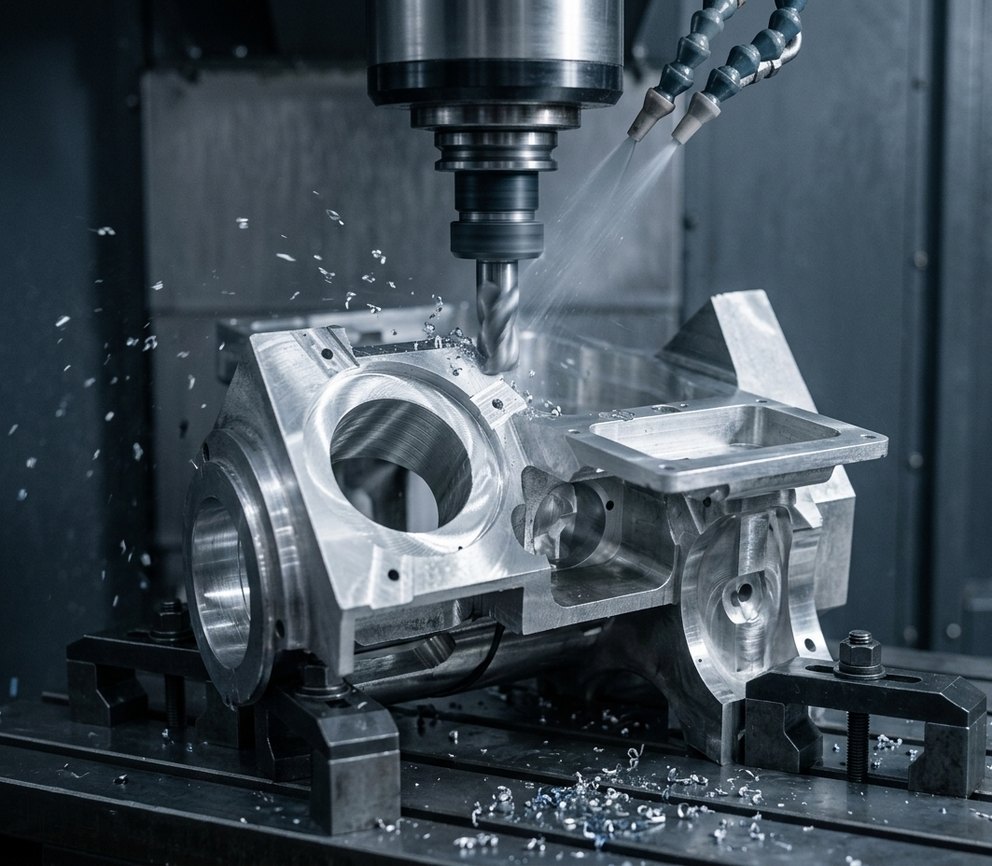
Magnesium CNC machining at DEK turns AZ31B, AZ61B and AZ91D into precision parts held to ±0.005 mm, from single prototypes to full production runs. Magnesium cuts fast and clean, but its chips are flammable, so every job runs under fire-safety controls.
-
3
AZ Grades Machined
-
±0.005 mm
Tolerance Capability
-
No MOQ
Minimum Order Quantity

Why Choose DEK for Magnesium CNC Machining
Magnesium is the lightest structural metal in production use. Its low cutting resistance gives fast cycle times and clean chip formation, which makes it a strong fit for weight-critical brackets and housings, provided chips and coolant are handled correctly.
DEK brings 20+ years in precision machining and 1.2M+ critical parts produced annually, with ISO 9001, AS9100D and ISO 13485 certifications obtained via TUV (see our quality system). We run no-MOQ prototype or production quantities, with prototype lead times as fast as 3 days.
-

98.6%+ on-time delivery, 2,300+ OEM clients
-

Tolerances to ±0.005 mm, ±0.01 mm on 5-axis
-

No MOQ for prototype or production runs
-

Traceability: IQC, IPQC, FAI, OQC, SPC, CAPA
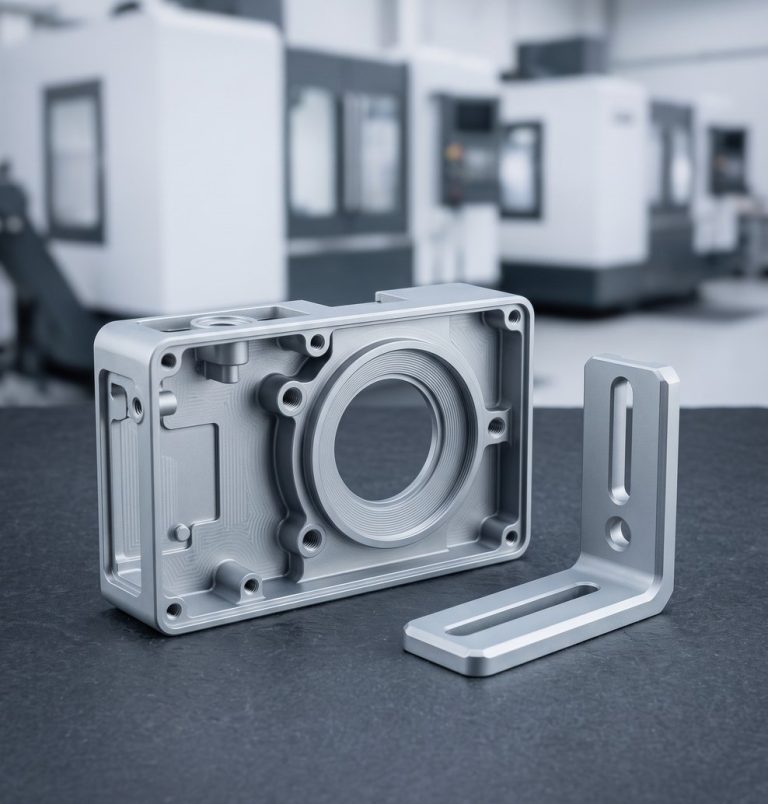
Magnesium Alloys We Machine
Three AZ-series grades cover most needs, from weldable general-purpose stock to higher-strength and corrosion-resistant options.
-

AZ31B
General-purpose, weldableThe default choice for brackets and housings: weldable and general-purpose. Grade details on Magnesium AZ31B.
-

AZ61B
Added strengthPick it when a part carries load: it adds strength over AZ31B for load-bearing parts. Grade details on Magnesium AZ61B.
-

AZ91D
Top corrosion resistance of the threeChoose it when corrosion resistance matters most; it offers the best of the three grades. Full data on Magnesium AZ91D.
-
±0.005 mm
General tolerance
-
±0.01 mm
5-axis profile tolerance
-
±0.003 mm
Micro-precision, sub-10 mm
-
1000 mm
Max part envelope
AZ31B AZ61B AZ91D Machining Capabilities
Milling, turning and secondary processes for magnesium, held to ±0.005 mm, with Ra 0.8–3.2 µm as-machined and walls from 0.5 mm on 5-axis.
-
1
Multi-Axis Milling
5-axis milling alongside 3-axis and 4-axis CNC machining, reaching ±0.01 mm profile control and walls from 0.5 mm on complex geometry.
-
2
CNC Turning
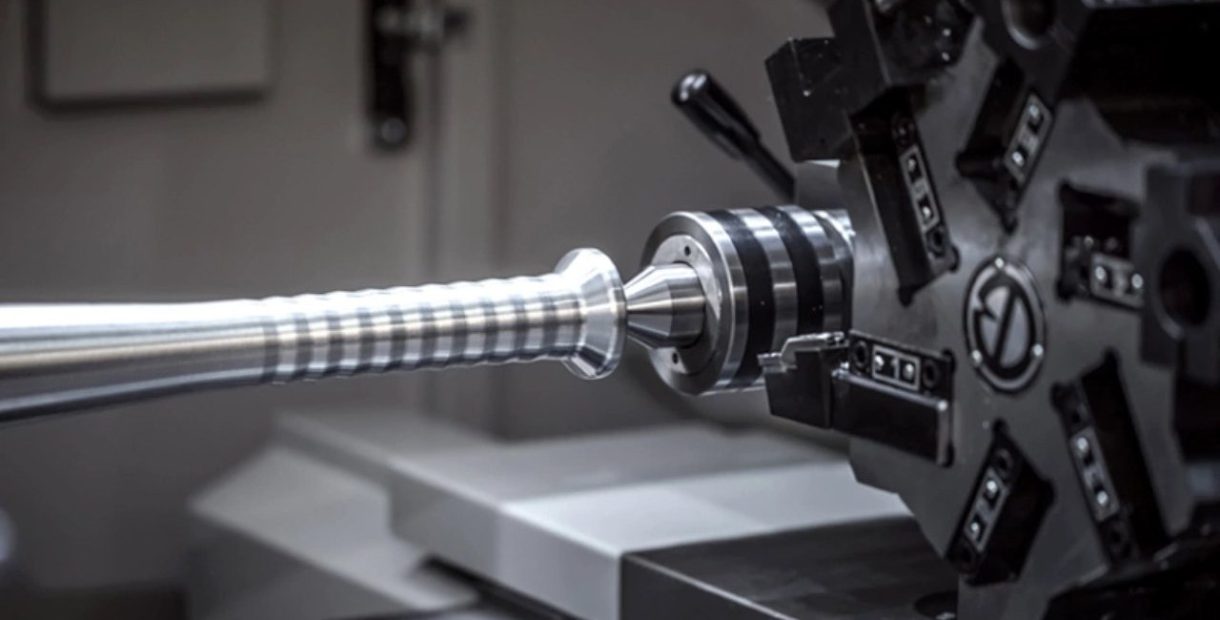
CNC turning for round magnesium parts, with general tolerances to ±0.005 mm and Ra 0.8–3.2 µm surfaces as-machined.
-
3
Swiss Turning
Swiss turning for slender, high-precision profiles; micro-precision work reaches ±0.003 mm on sub-10 mm parts.
-
4
EDM Machining
EDM completes magnesium parts that need features beyond milling and turning, under the same fire-safe chip handling and QMS stages.
Magnesium Machining Safety Controls
How our shop controls chip ignition and hydrogen risk on every magnesium job, plus the quality stages behind it.
-
1
Dry or Mineral-Oil Mist Cutting
Magnesium is cut dry or with a light mineral-oil mist. Water-based coolant never contacts chips, which prevents hydrogen gas generation at the cut.
-
2
Continuous Chip Extraction
Vacuum extraction runs continuously during cutting so magnesium fines never accumulate at the tool, since chips and dust ignite easily.
-
3
Sharp Carbide Tooling
Sharp, high-relief-angle carbide tools limit frictional heat buildup, keeping the cut clean and cool on all three AZ grades.
-
4
Class D Extinguishers
Every magnesium-capable station keeps Class D extinguishers rated for combustible-metal fires, the correct class for burning magnesium chips.
-
5
Sealed Chip Storage
Chips go into dry, sealed containers stored separately from other scrap, so magnesium waste stays dry and isolated from other metals.
-
6
QMS Inspection Stages
IQC, IPQC, FAI, OQC, SPC and CAPA stages run under our ISO 9001, AS9100D and ISO 13485 QMS on every magnesium job.
Magnesium Grade Pages: AZ31B, AZ61B, AZ91D
Each grade below has its own page with designations and machining notes: AZ31B for general use, AZ61B for strength, AZ91D for corrosion resistance.
-
Magnesium AZ91D is a high-purity magnesium die-casting alloy that offers a good balance of strength and weight, providing strength comparable to many aluminum alloys.Get Price
-
Magnesium AZ61B is a wrought magnesium alloy in the AZ61 series. It has a low density, good strength-to-weight ratio, and excellent machinability.Get Price
-
Magnesium AZ31B is part of the magnesium-aluminum-zinc alloy family, which is lightweight, has excellent machinability, and has a good strength-to-weight ratio.Get Price
Magnesium vs Aluminum, Steel and Titanium
Magnesium wins on weight and vibration damping, but trails steel and titanium in absolute strength and needs a finish to match aluminum on corrosion.
Where Magnesium Parts Are Used
Magnesium's low weight suits parts where every gram counts, from aerospace cabin parts to robotics housings and electronics enclosures.
-
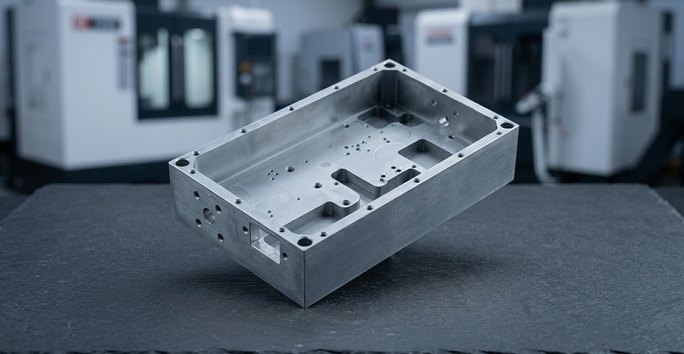 AerospaceNon-flight-critical structural and cabin parts, machined under AS9100D-certified quality controls for weight-sensitive programs.
-
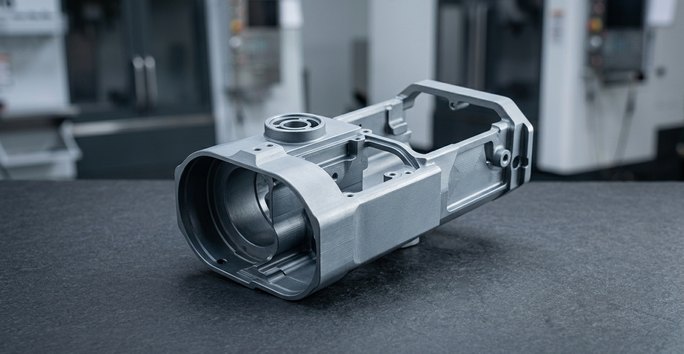 Medical DevicesLightweight magnesium housings for medical devices, produced under our ISO 13485-certified quality management system.
-
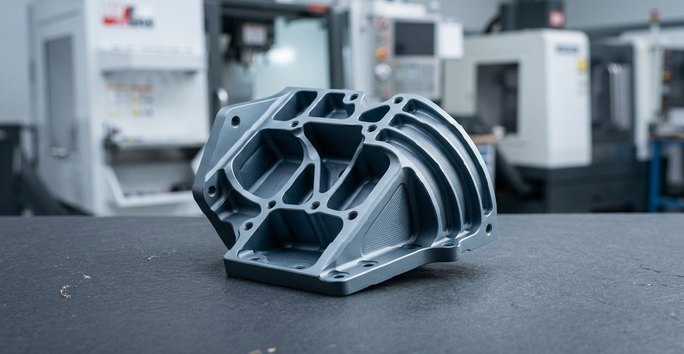 RoboticsRobotics housings where low mass and better vibration damping help moving assemblies, from prototype to production.
-
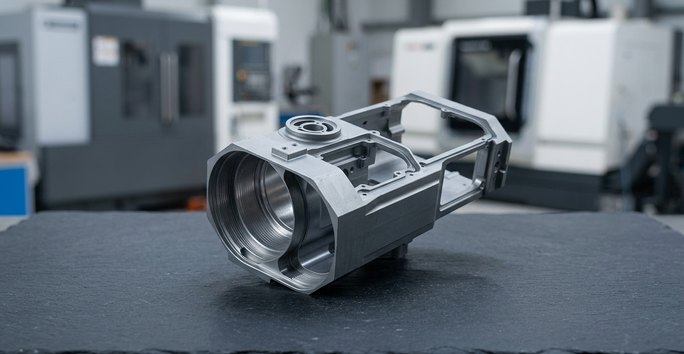 Semiconductor & IndustrialMagnesium parts for semiconductor and industrial equipment, held to ±0.005 mm with full QMS traceability on every job.
-
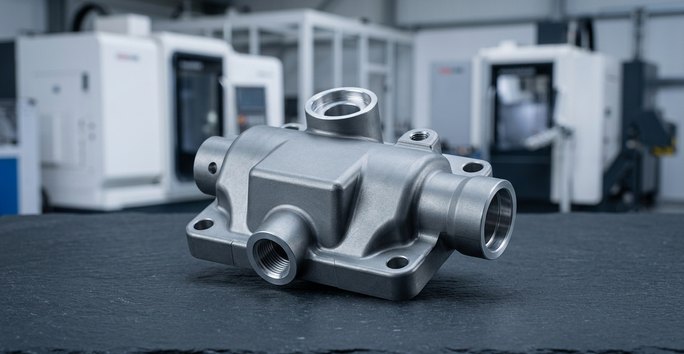 AutomotiveAutomotive components where weight savings matter, from single prototypes to full production runs with no MOQ.
-
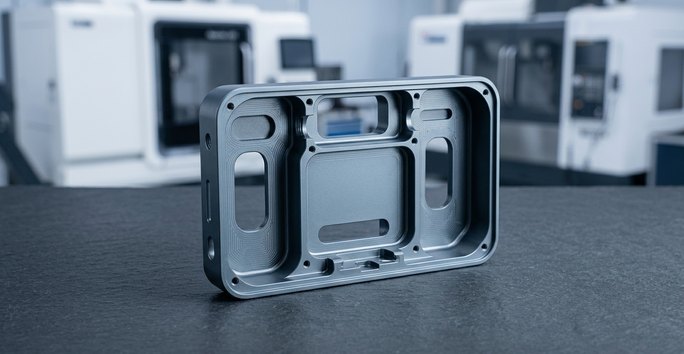 Consumer ElectronicsLightweight consumer electronics enclosures, typically shipped anodized, plated or powder coated for corrosion protection.
CNC Machining + Finishing for Magnesium
Magnesium parts typically ship anodized, plated or powder coated after CNC machining, since bare surfaces corrode faster than aluminum.
Need a different finish? Ask our engineers to review it.
-
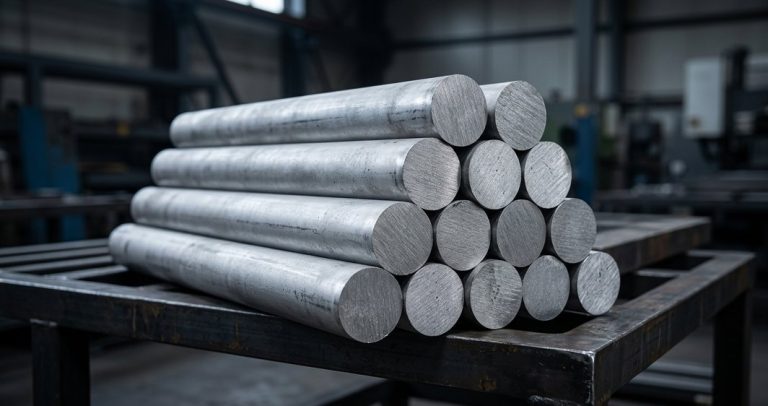 AnodizedMost PopularCNC machining + anodizing: resolves the corrosion issue of bare magnesium on machined housings and brackets.Get a Quote
-
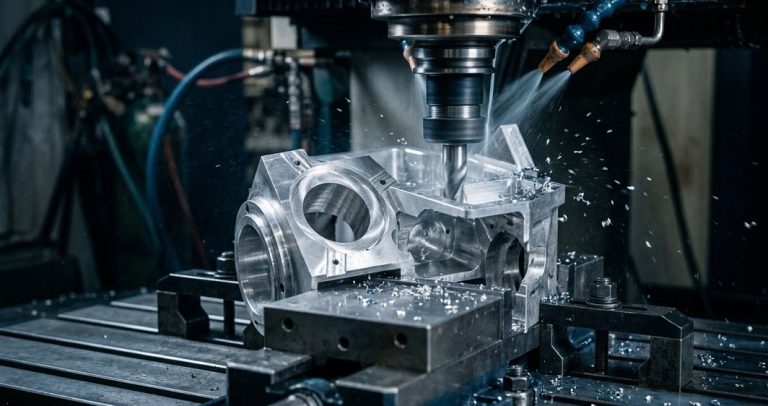 PlatedMost PopularCNC machining + plating: an alternative to anodizing that resolves corrosion on finished magnesium parts.Get a Quote
-
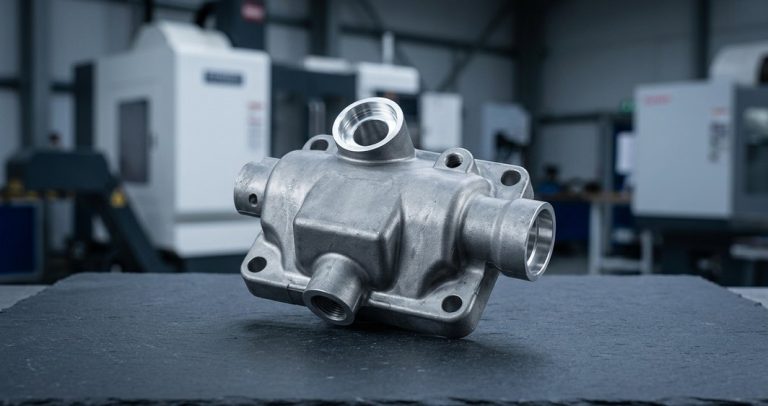 Powder CoatedMost PopularCNC machining + powder coating: a coated finish that protects magnesium parts against corrosion in service.Get a Quote
Magnesium CNC Machining Buying FAQs
Common questions from engineers sourcing machined magnesium parts.
Other Materials
-
 Alloy SteelAlloy steel grades 4140, 4340, 8620, 4130 and A514 for shafts, gears and structural parts that need more fatigue strength than plain carbon steel.Learn More
-
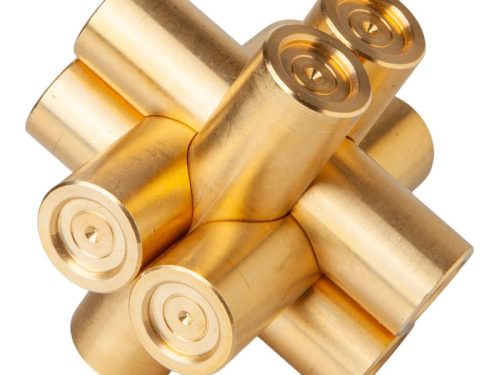 BrassC260, C360 free-cutting brass and Cz121 machined for fittings, valve parts, gears and connectors, from one prototype to production volumes.Learn More
-
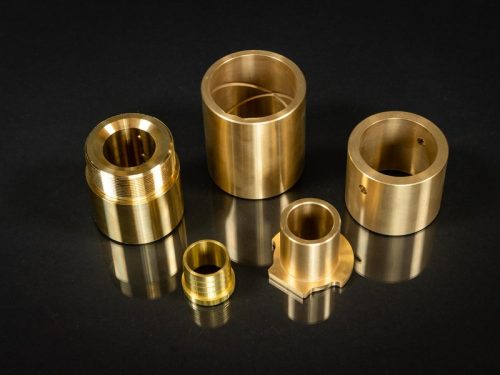 BronzePhosphor bronze C544, sintered C841, bearing bronze 932 and aluminum bronze 954 for bushings, sleeve bearings, gears, connectors and marine fittings.Learn More
-
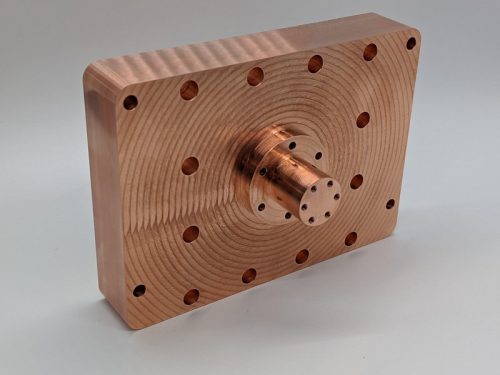 CopperCopper 101 and 110 stocked for waveguides, bus bars, connectors and heat sinks; beryllium and tellurium copper machined on request.Learn More
-
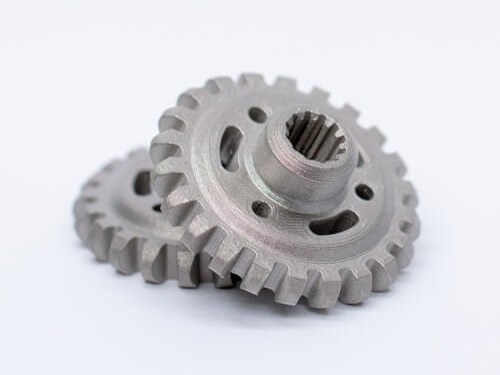 InconelNickel superalloys Inconel 600, 625 and 718, machined for aerospace, energy, medical and industrial parts exposed to heat and corrosive chemistry.Learn More
-
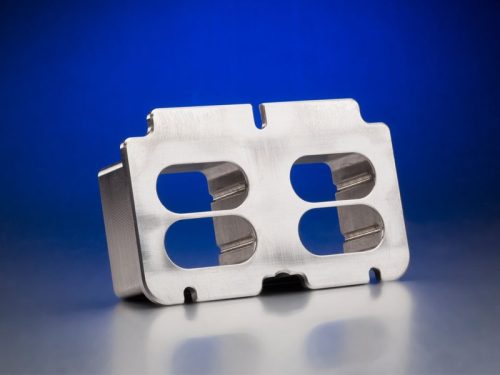 InvarInvar 36 and low-expansion Invar-family alloys, about 1.2 ppm/°C CTE, machined for optics mounts, semiconductor fixtures and measurement tooling.Learn More
-
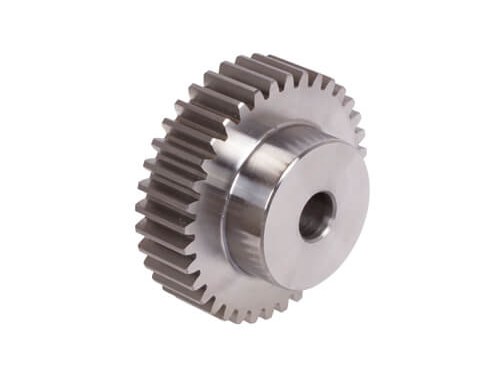 Mild SteelLow-carbon 1018, medium-carbon 1045 and free-machining 1215 and 12L14: cost-effective steel for shafts, brackets, pins, bushings and gears.Learn More
-
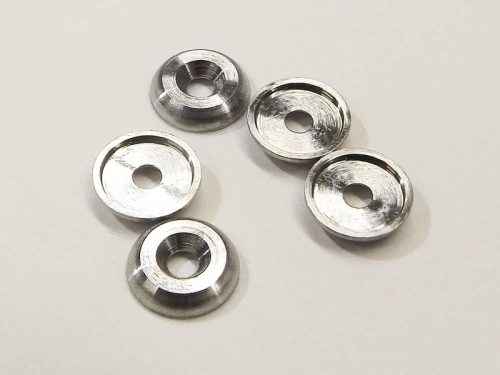 TitaniumGrade 1, Grade 2 and Grade 5 (Ti-6Al-4V) titanium, milled, turned and EDM-cut for aerospace, medical, robotics and semiconductor parts. No MOQ.Learn More
-
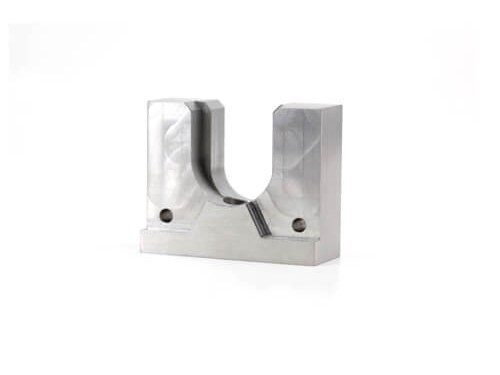 Tool SteelA2, D2, H13, O1, S7 and A3 machined into punches, dies, mold inserts and wear parts, annealed or hardened to 60+ HRC.Learn More
-
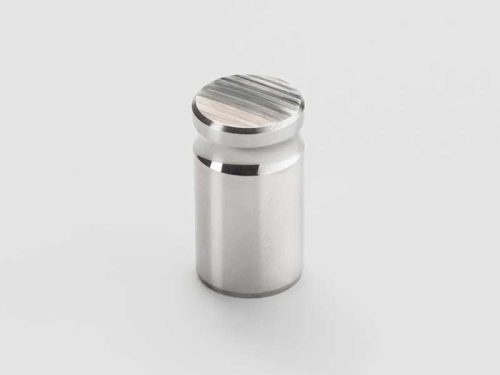 Tungsten SteelTungsten and tungsten carbide grades (YG6, YG8, YG10X, YG15, YL10.2) for wear parts, dies, punches and shielding, milled, turned, EDMed and ground.Learn More
-
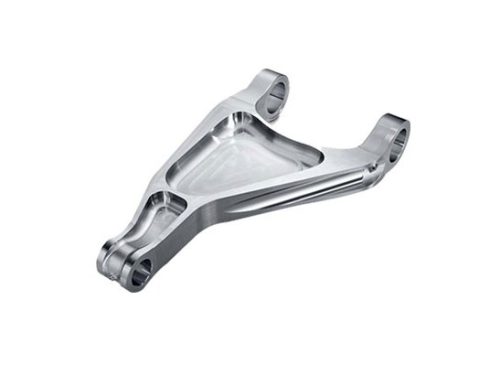 AluminumStocked 6061, 6063, 5083 and 5052 for brackets, housings, marine and fluid-handling parts, held to ±0.005 mm on fit-critical features with no MOQ.Learn More
-
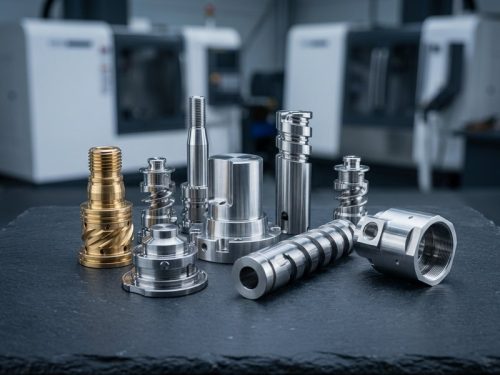 Stainless Steel303, 304, 316L, 17-4PH and 2205 duplex machined for medical, robotics, semiconductor and aerospace parts, from one prototype to production, ±0.005 mm.Learn More

Ready to Scale Your Project?
Get started with a stable process and controlled quality. Let's discuss your project.