









Magnesium AZ31B
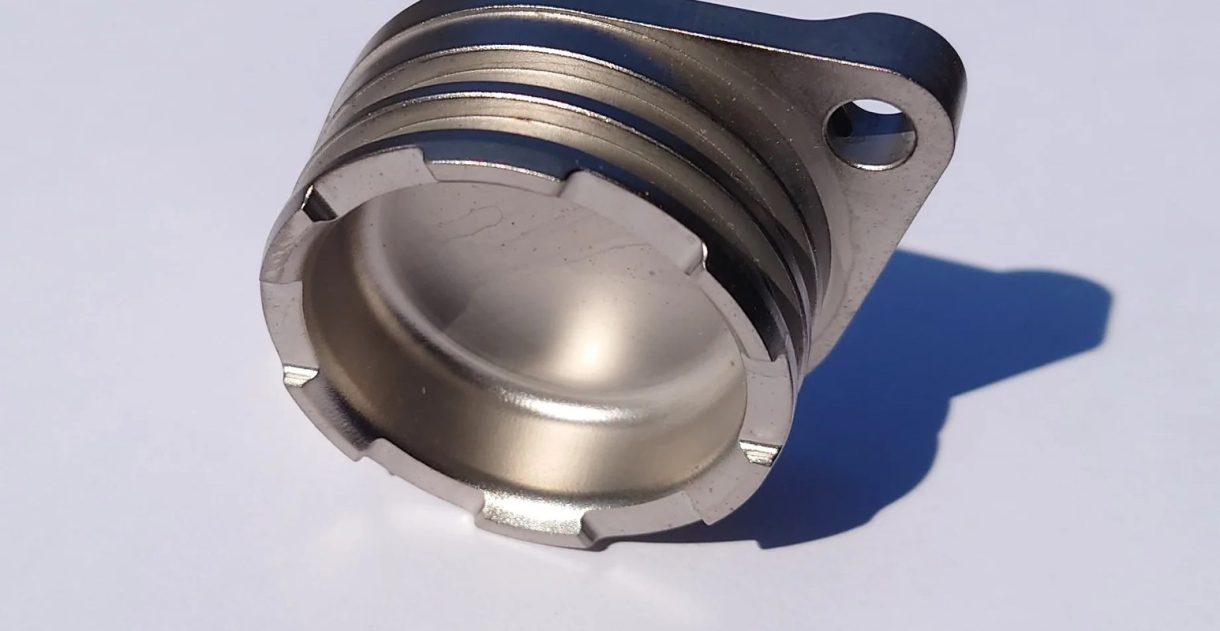
Magnesium AZ31B is part of the magnesium-aluminum-zinc alloy family, which is lightweight, has excellent machinability, and has a good strength-to-weight ratio.
-
260 MPaTensile Strength
-
200 MPaYield Strength(strain 0.200%)
-
97 MPaCompressive Yield Strength(at 0.2% offset)
-
385 MPaUltimate Bearing Strength
At a Glance
-

Material Type
Metal -

Material Name
Magnesium AZ31B -

Alternative Names
3.5312 | M11311 -

Process Compatibility
CNC Milling, CNC Turning
Properties Table of Magnesium AZ31B

- Tensile Strength 260 MPa
- Yield Strength(strain 0.200%) 200 MPa
- Compressive Yield Strength(at 0.2% offset) 97 MPa
- Ultimate Bearing Strength 385 MPa
- Bearing Yield Strength 230 MPa
- Shear Strength 130 MPa
- Shear Modulus 17 GPa
- Elastic Modulus 44.8 GPa
- Poisson's Ratio 0.35
- Elongation at Break(in 50 mm) 15%
- Hardness, Brinel(500 kg load, 10 mm ball) 49
- Charpy Impact(V-notch) 4.30 J
- Physical Properties
- Density 1.77 g/cm³
- Physical Properties
- Thermal Expansion Co-efficient(0-100°C/32-212°F) 26 μm/m°C
- Thermal Conductivity 96 W/mK
Applications of Magnesium AZ31B
-
 Aerospace components
-
 Automotive parts
-
 Electronics housings
-
 Medical implants
-
 Power tools
-
 Sports equipment
-
 UAV (Unmanned Aerial Vehicle) structures
-
 Marine applications
Advantages of Magnesium AZ31B
Advantages of Magnesium AZ31B
- Lightweight
- High strength-to-weight ratio
- Good corrosion resistance
- Good machinability
- Excellent dimensional stability
- Good damping capacity
- Electrical conductivity
- Non-magnetic
- Easily weldable
-
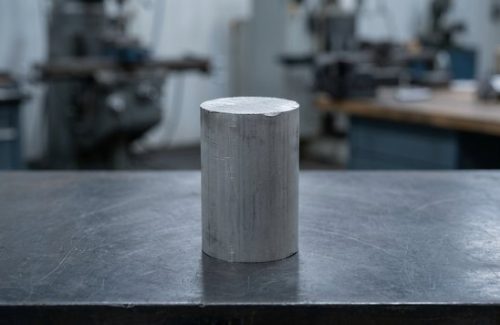 Raw Stock
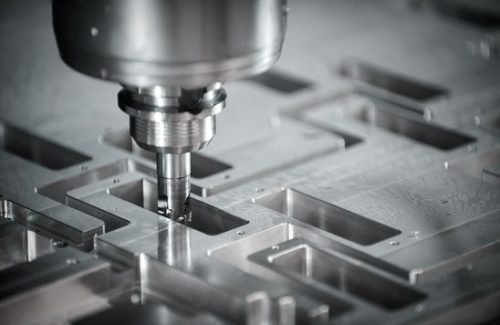 CNC Machined
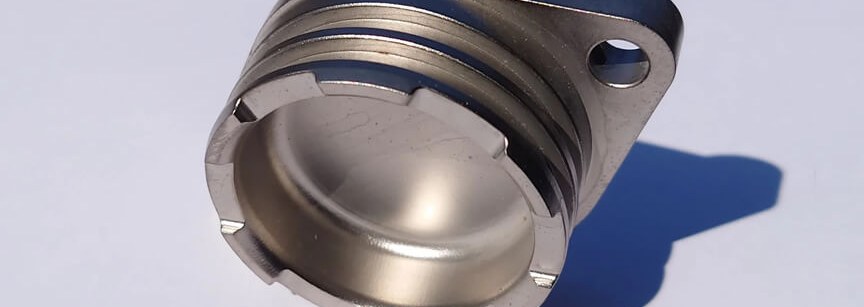 Finished Parts


Magnesium AZ31B — Machining Notes
FAQ
Does Magnesium AZ31B rust?
No, Magnesium AZ31B does not rust like iron or steel. However, it is susceptible to corrosion. It tends to corrode in the presence of moisture, oxygen, and salt. Protective coatings or surface treatments are often applied to avoid corrosion.
Is Magnesium AZ31B expensive?
Generally, magnesium alloys, including AZ31B, can be more expensive than some other metals like aluminum or steel. However, its specific properties, such as low density and high strength-to-weight ratio, can justify its cost for certain applications.
Can you anneal Magnesium AZ31B?
Yes, Magnesium AZ31B can be annealed. Annealing is a heat treatment process that involves heating the material to a specific temperature and then allowing it to cool slowly. This process can be used to relieve stresses, improve machinability, and modify the mechanical properties of the material.
Other Materials
-
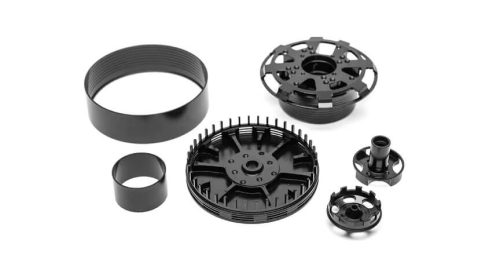 Magnesium AZ91DMagnesium AZ91D is a high-purity magnesium die-casting alloy that offers a good balance of strength and weight, providing strength comparable to many aluminum alloys.Learn More
-
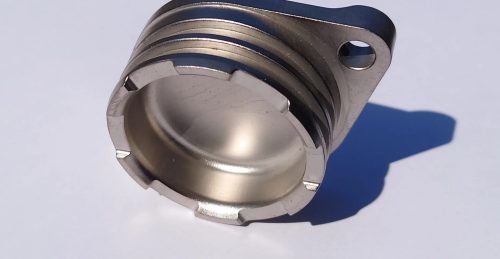 Magnesium AZ61BMagnesium AZ61B is a wrought magnesium alloy in the AZ61 series. It has a low density, good strength-to-weight ratio, and excellent machinability.Learn More

Ready to Scale Your Project?
Get started with a stable process and controlled quality. Let's discuss your project.








