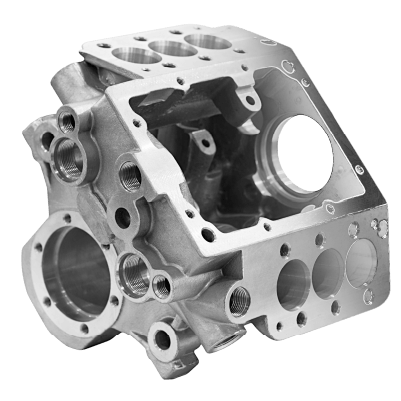









Magnesium AZ61B
Magnesium AZ61B is a wrought magnesium alloy in the AZ61 series. It has a low density, good strength-to-weight ratio, and excellent machinability.
-
240-290 MPaTensile Strength
-
200-220 MPaYield Strength
-
1.74 g/cmDensity
-
650 °CMelting Point
At a Glance
-

Material Type
Metal -

Material Name
Magnesium AZ61B -

Alternative Names
MgAl6Zn | M11610 -

Process Compatibility
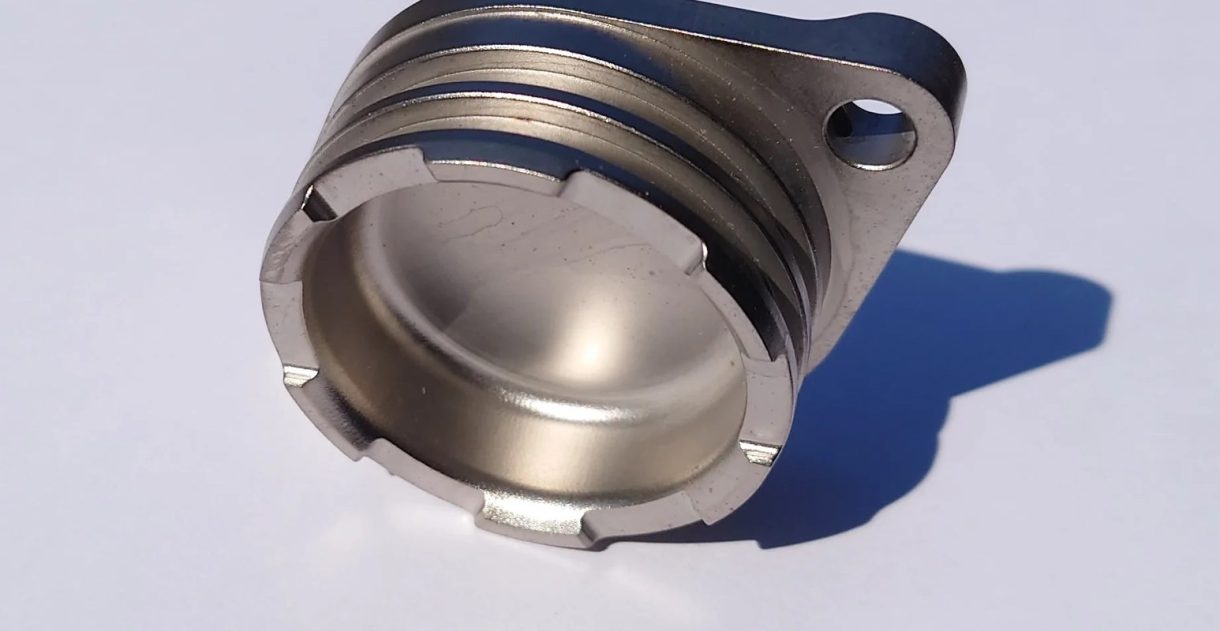
CNC Milling, CNC Turning
Properties Table of Magnesium AZ61B

- Tensile Strength 240-290 MPa
- Yield Strength 200-220 MPa
- Formability Excellent(cold-worked or hot-formed)
- Maximum Temperature 200°C(should not be exceeded)
- Machinability Easily machined with conventional tools(drills, taps, reamers, end mills)
- Physical Properties
- Density 1.74 g/cm³(two-thirds of aluminum alloys)
- Melting Point 650°C(lower than aluminum alloys)
- Thermal Expansion Coefficient Relatively low
Applications of Magnesium AZ61B
-
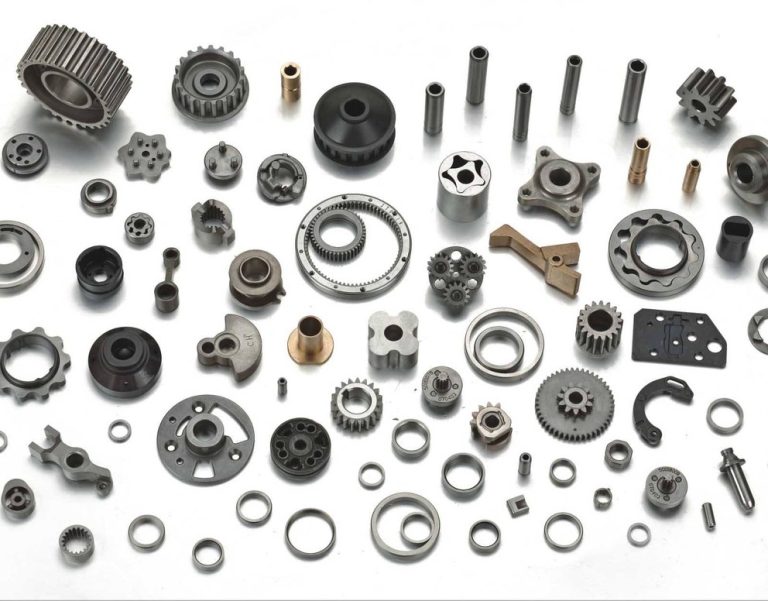
 Aerospace components
-
 Automotive transmission cases
-
 Electronics housings
-
 Military equipment
-
 Medical implants
-
 Power tools
-
 Sporting goods
-
 Structural components in construction
Advantages of Magnesium AZ61B
Advantages of Magnesium AZ61B
- Lightweight
- High strength-to-weight ratio
- Good corrosion resistance
- Excellent machinability
- High thermal conductivity
- Non-magnetic
- Good impact resistance
- Easily weldable
- Dimensionally stable
-
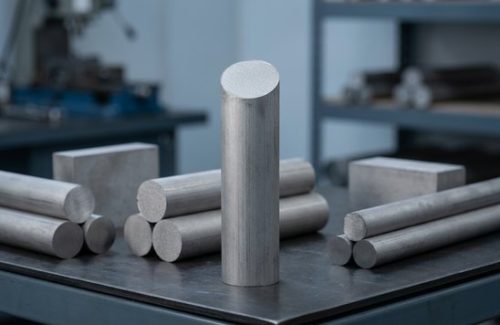 Raw Stock
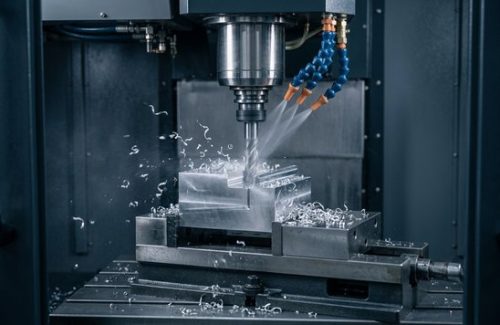 CNC Machined
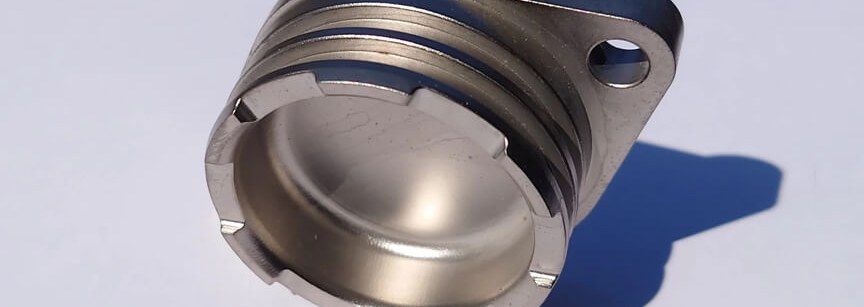 Finished Parts


Magnesium AZ61B — Machining Notes
FAQ
Is magnesium AZ61B safe to touch?
Magnesium AZ61B is generally safe to touch. However, like any metal, it can have sharp edges or surfaces that may cause injury if mishandled.
Is magnesium AZ61B safe to eat?
No, magnesium AZ61B is not safe to eat. Ingesting any metal, including magnesium, can be harmful and is not intended for consumption. Metals can react with stomach acids and cause serious health issues. It's essential to keep magnesium AZ61B and other metals away from food and areas where food is prepared.
What happens if magnesium AZ61B touches water?
Magnesium AZ61B reacts with water through a process known as corrosion. The reaction forms magnesium hydroxide and hydrogen gas. The metal will gradually corrode in the presence of moisture, forming a white or grayish film on the surface. This corrosion process may compromise the integrity of the material over time.
Can you weld magnesium AZ61B?
Yes, magnesium AZ61B can be welded, but welding magnesium poses some challenges and requires specific precautions due to the metal's characteristics. Magnesium is highly reactive and can catch fire easily, especially during welding.
Other Materials
-
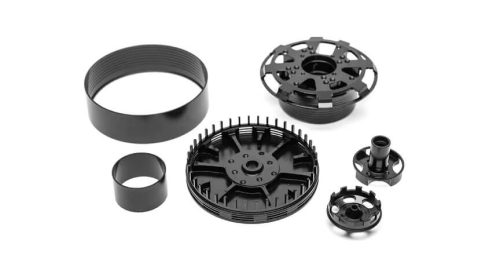 Magnesium AZ91DMagnesium AZ91D is a high-purity magnesium die-casting alloy that offers a good balance of strength and weight, providing strength comparable to many aluminum alloys.Learn More
-
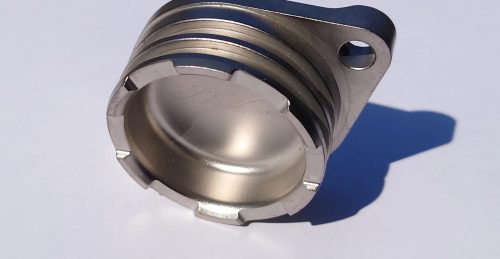 Magnesium AZ31BMagnesium AZ31B is part of the magnesium-aluminum-zinc alloy family, which is lightweight, has excellent machinability, and has a good strength-to-weight ratio.Learn More

Ready to Scale Your Project?
Get started with a stable process and controlled quality. Let's discuss your project.