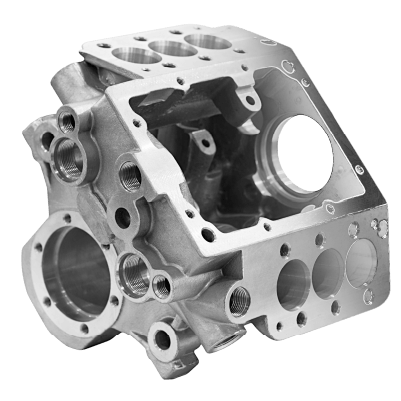









Bronze Machining Services
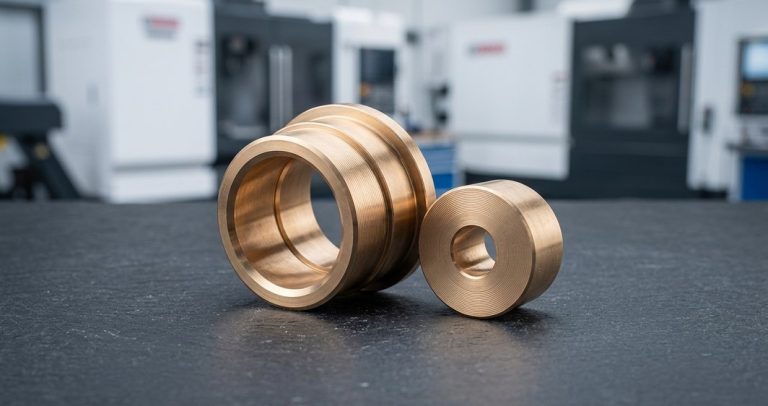
DEK delivers bronze machining to ±0.005 mm across C544, C841, 932 and 954 grades for bushings, gears and marine parts. Backed by 20+ years in precision machining and 1.2M+ parts machined annually.
-
±0.005mm
Tolerance Capability
-
4
Bronze Grades
-
1000 mm
Max Part Size

Why Manufacturers Choose Bronze Machining
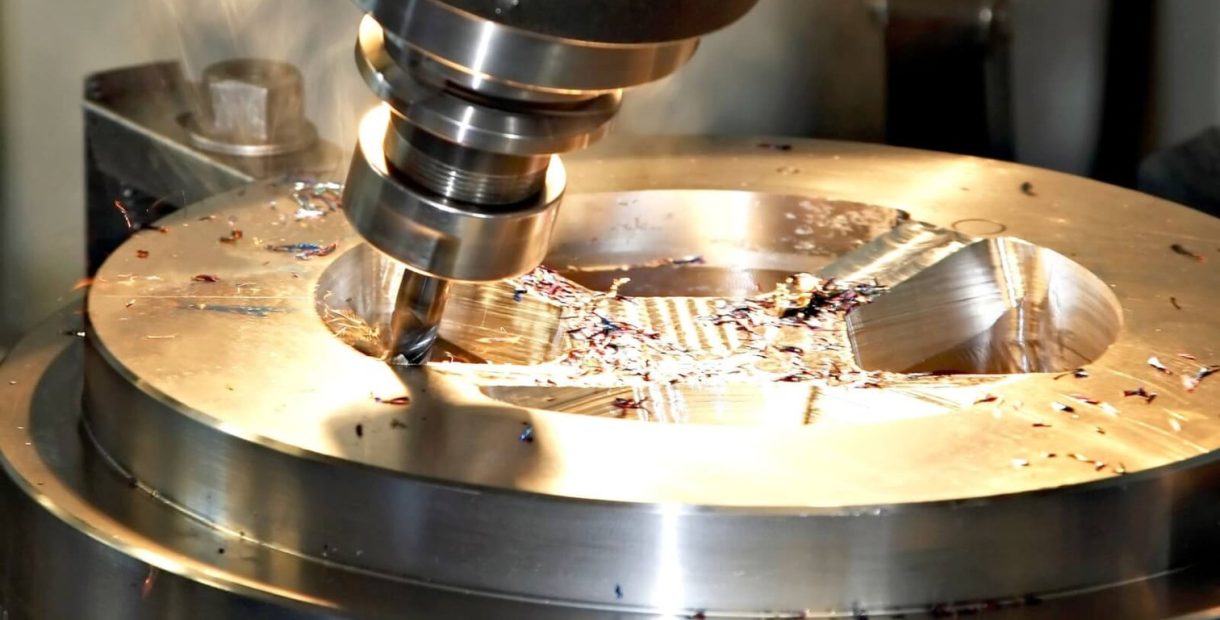
Bronze is a copper-tin (or copper-aluminum) alloy family that combines low-friction bearing performance with genuine corrosion resistance. It is specified when a part must slide, seal, or survive a marine or chemical environment without galling or pitting, which is why it dominates bushings and sleeve bearings.
Machinability varies widely by grade: sintered bronzes cut easily, aluminum bronze is tougher on tooling. Phosphor bronze adds conductivity for connectors and springs. Our metal machining team matches the grade to your duty cycle before quoting.
-

Natural lubricity for bushings and bearings
-

Resists saltwater and industrial fluids
-

Dimensionally stable under cyclical load
-

ISO 9001, AS9100D and ISO 13485 certified
Bronze Alloys We Machine
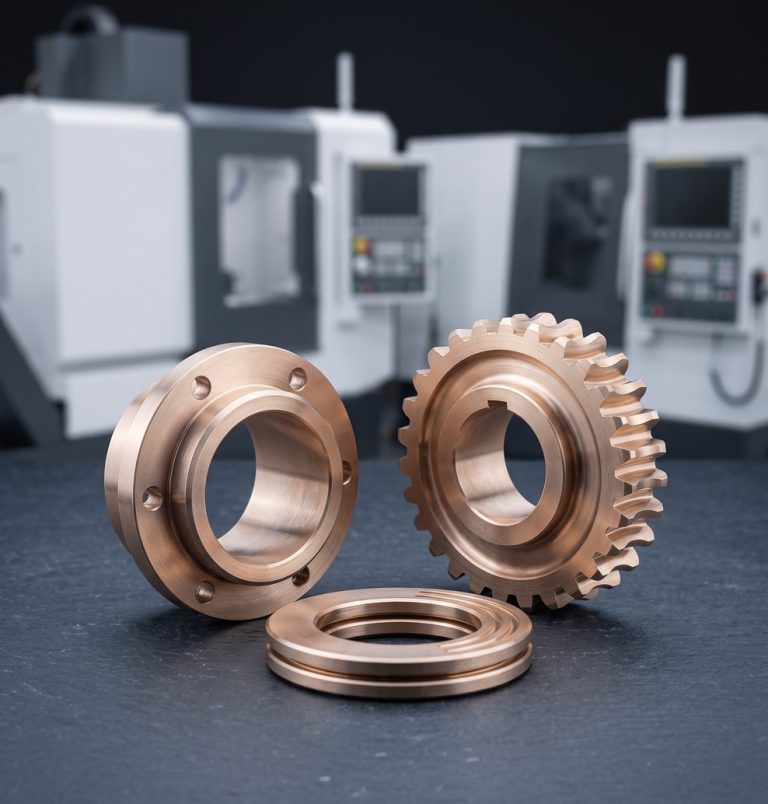
Four bronze grades most commonly specified in industrial and precision work; each behaves differently under the tool and suits a different job.
-

C544
Phosphor bronze, fine grainFor electrical connectors, springs, wear plates and gears needing tight surface specs. See C544 phosphor bronze.
-

C841 / Bronze 932
Sintered and bearing bronzeFree-machining C841 and classic 932 for self-lubricating bushings, wear rings and sleeve bearings. See C841 sintered bronze.
-

Bronze 954
Aluminum bronze, harderFor marine fittings, valve components and structural gears; expect longer cycles. See Bronze 954.
-
±0.005mm
General bronze tolerances
-
±0.003mm
Micro parts under 10 mm
-
1000 mm
Largest structural parts
How We Machine CNC Bronze Parts
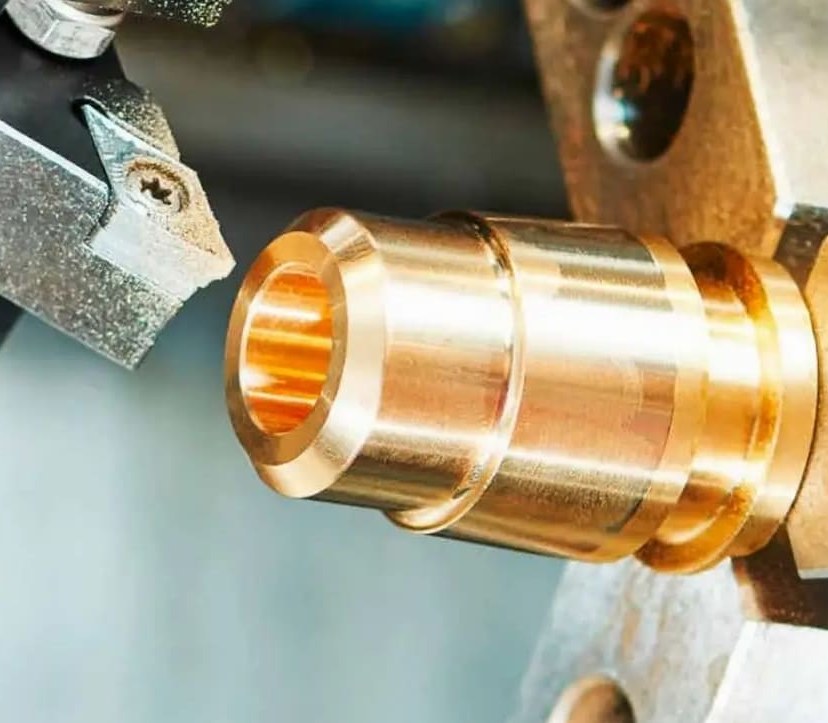
Feeds, speeds and tooling are set per alloy to manage chip formation and heat buildup, which can expand a bore mid-cut.
-
1
Bronze CNC Turning
Bores, ODs and threads on bushings and connectors run on CNC lathes, where bronze's bearing properties are used. See CNC turning.
-
2
Bronze CNC Milling
Flats, slots and mounting geometry on brackets, gears and valve bodies, on 3-, 4- and 5-axis centers. See CNC milling.
-
3
Swiss Turning
Small connectors, bushings and precision pins on Swiss-type lathes, supported close to the tool to avoid deflection. See Swiss turning.
-
4
CMM Inspection
Checked on CMM at first article and again at outgoing inspection, whether C841 bushings or C954 marine valve parts. See QC equipment.
Bronze Machining Considerations
Key factors our engineers weigh when matching a bronze grade and process to your part's load, mating material and environment.
-
1
Grade Drives Cost
Matching alloy to duty cycle is the biggest lever on cost. C841 or C544 cut faster and cheaper than C954; under-specifying a marine fitting into a softer grade risks failure.
-
2
Heat and Bore Growth
Bronze generates more heat than aluminum at comparable feeds, which can expand a bore mid-cut and pull it out of tolerance once the part cools.
-
3
Fit-Critical Bronze Tolerances
Shaft-bore fits and coaxiality on bushings and bearings are held to ±0.005 mm, which determines how a bushing performs against its mating shaft.
-
4
Aluminum Bronze Tool Wear
C954 is harder and wears tooling faster, so it runs at more conservative feed rates and longer cycle times, with the same inspection stages applied.
Bronze Grades We Machine
Explore our bronze grade pages: C841 sintered bronze, 932 bearing bronze and 954 aluminum bronze, each with machining notes and pricing.
-
Bronze 954 is a high-strength aluminum bronze alloy with excellent wear and corrosion resistance.Get Price
-
Bronze 932, also known as bearing bronze, is a type of wear-resistant bronze alloy with high-strength and good corrosion resistance.Get Price
-
Bronze 841, also known as C84100, is a leaded tin bronze that contains copper, tin, and lead as its main components.Get Price
Bronze vs Brass, Copper or Delrin
How bronze compares with alternatives our engineers often suggest when wear resistance, conductivity or cost drives the choice.
Where Custom Bronze Parts Are Used
Bronze parts machined at DEK serve industrial equipment, robotics, energy, aerospace, automotive and semiconductor programs.
-
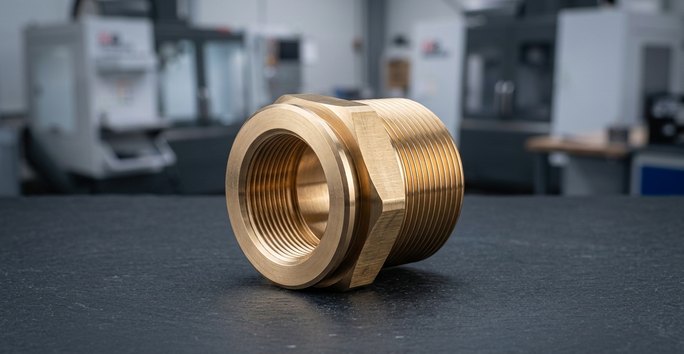 MarineFittings and hardware exposed to saltwater, where corrosion resistance outweighs the cost premium over steel.
-
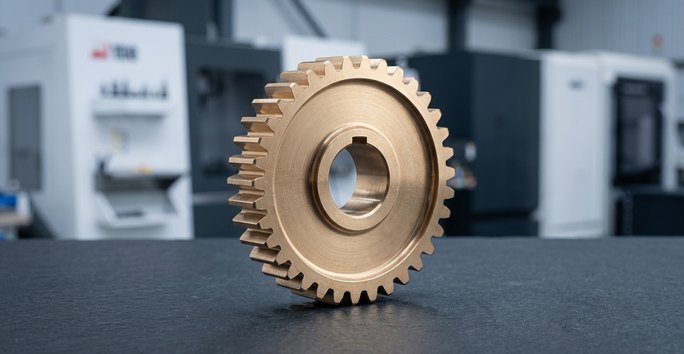 Industrial EquipmentGears and wear components in industrial machinery, where dimensional stability under cyclical load matters.
-
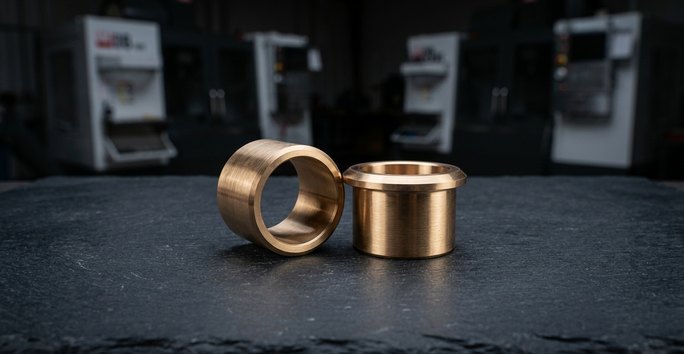 RoboticsBushings and sleeve bearings in motors and actuators, where low friction and wear life beat raw hardness.
-
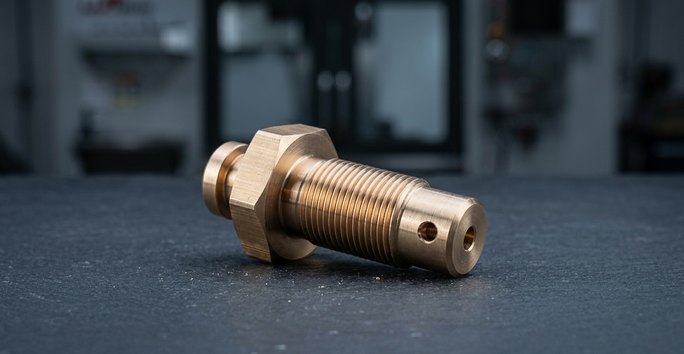 EnergyValve components and fluid-handling hardware, where corrosion resistance is non-negotiable and downtime is costly.
-
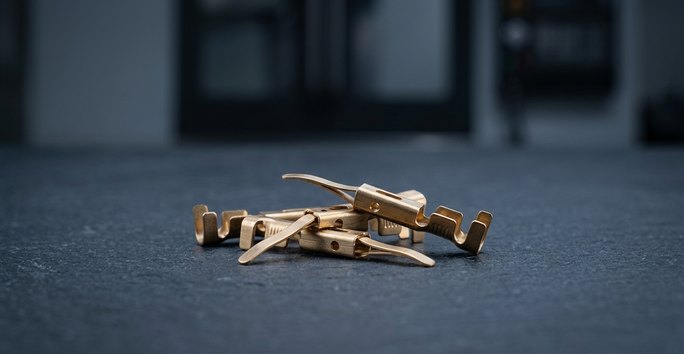 ElectronicsPhosphor bronze connectors and terminal hardware, where conductivity and spring properties both matter.
-
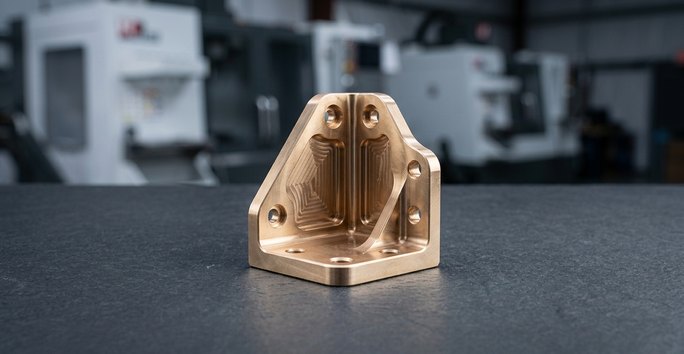 AerospaceNon-flight-critical aerospace structures machined under the same AS9100D quality system as every bronze part.
CNC Machining + Finishes for Bronze
Bronze parts leave DEK machined and plated or polished; anodizing is aluminum-specific and does not apply to bronze.
Need another finish? See all surface finish options
-
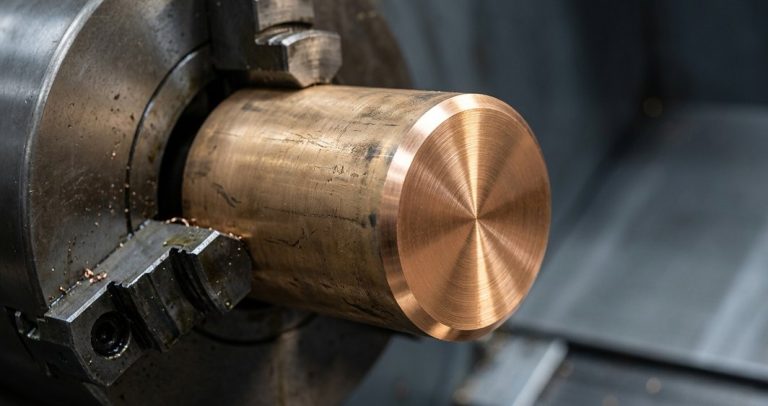 PlatingMost PopularCNC machining plus plating for wear resistance or appearance on bronze bushings, connectors and hardware.Get a Quote
-
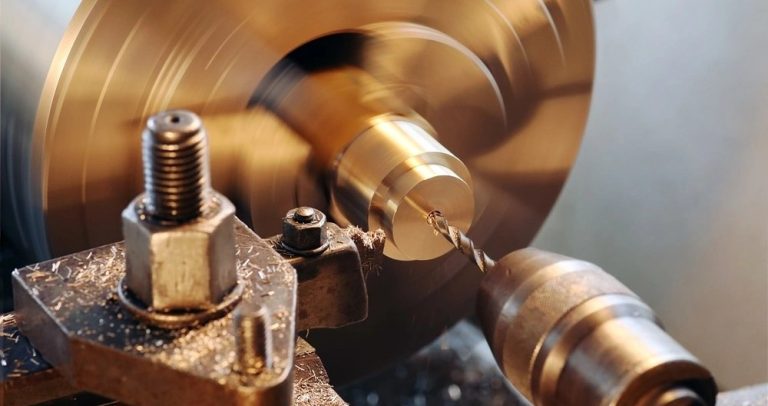 PolishingMost PopularCNC machining plus polishing to a smoother running face on bearing and sealing surfaces to reduce mating wear.Get a Quote
-
 Powder CoatingMost PopularCNC machining plus powder coating for larger, non-precision bronze hardware needing a protective finish.Get a Quote
Bronze Machining FAQs
Common questions from engineers sourcing custom bronze parts.
Other Materials
-
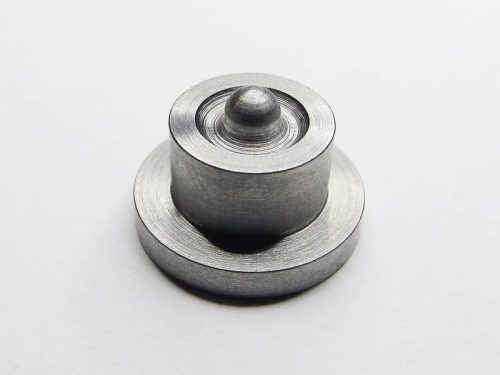 Alloy SteelAlloy steel grades 4140, 4340, 8620, 4130 and A514 for shafts, gears and structural parts that need more fatigue strength than plain carbon steel.Learn More
-
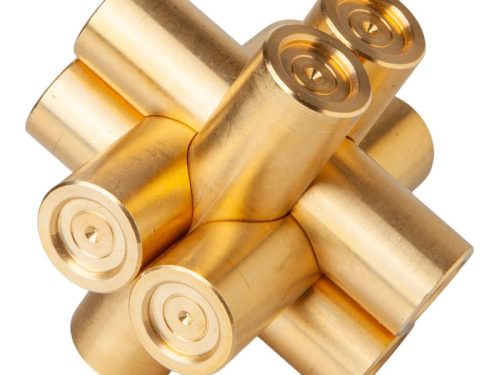 BrassC260, C360 free-cutting brass and Cz121 machined for fittings, valve parts, gears and connectors, from one prototype to production volumes.Learn More
-
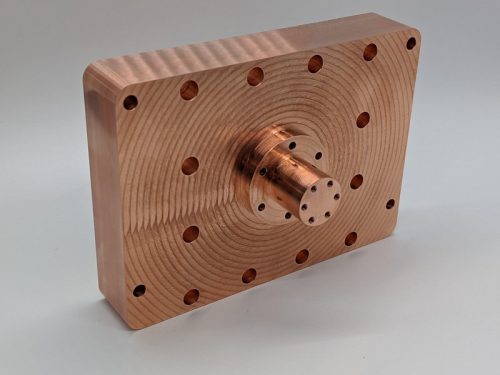 CopperCopper 101 and 110 stocked for waveguides, bus bars, connectors and heat sinks; beryllium and tellurium copper machined on request.Learn More
-
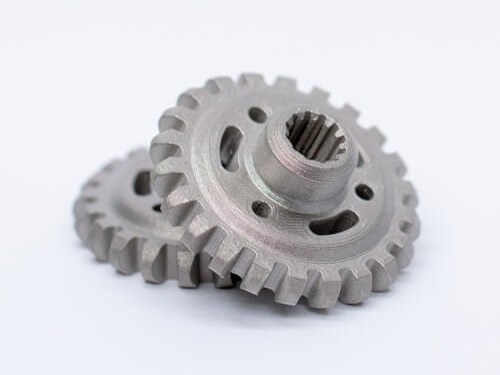 InconelNickel superalloys Inconel 600, 625 and 718, machined for aerospace, energy, medical and industrial parts exposed to heat and corrosive chemistry.Learn More
-
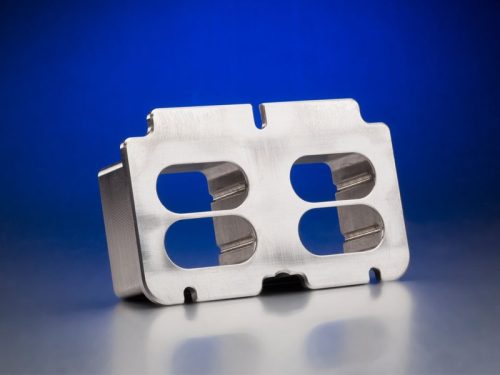 InvarInvar 36 and low-expansion Invar-family alloys, about 1.2 ppm/°C CTE, machined for optics mounts, semiconductor fixtures and measurement tooling.Learn More
-
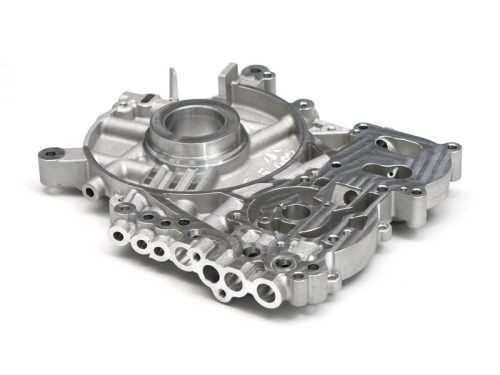 MagnesiumLightest structural metal in production use. AZ31B, AZ61B and AZ91D machined under fire-safe chip and coolant controls for weight-critical parts.Learn More
-
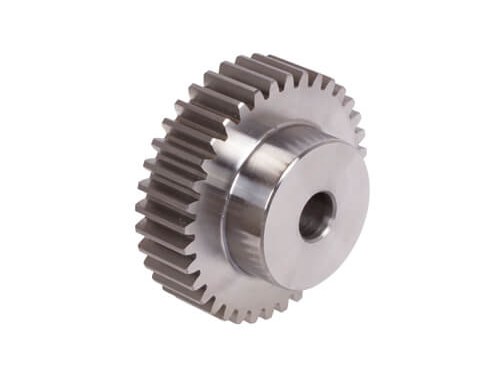 Mild SteelLow-carbon 1018, medium-carbon 1045 and free-machining 1215 and 12L14: cost-effective steel for shafts, brackets, pins, bushings and gears.Learn More
-
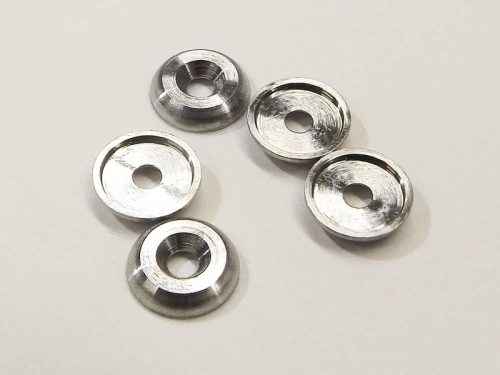 TitaniumGrade 1, Grade 2 and Grade 5 (Ti-6Al-4V) titanium, milled, turned and EDM-cut for aerospace, medical, robotics and semiconductor parts. No MOQ.Learn More
-
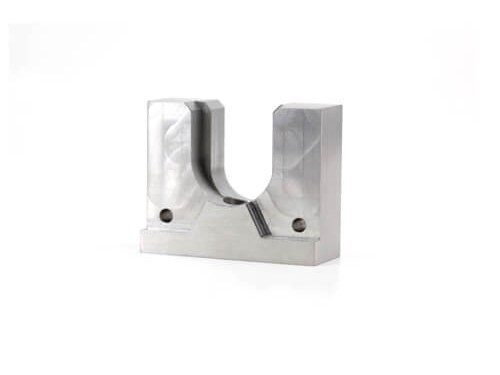 Tool SteelA2, D2, H13, O1, S7 and A3 machined into punches, dies, mold inserts and wear parts, annealed or hardened to 60+ HRC.Learn More
-
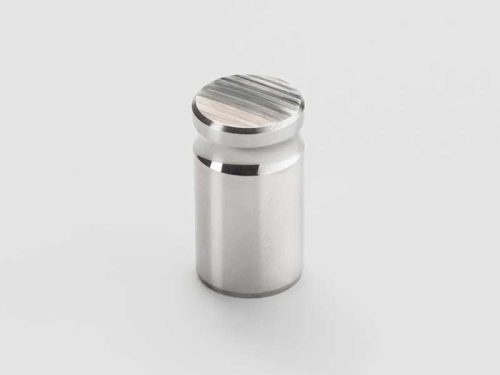 Tungsten SteelTungsten and tungsten carbide grades (YG6, YG8, YG10X, YG15, YL10.2) for wear parts, dies, punches and shielding, milled, turned, EDMed and ground.Learn More
-
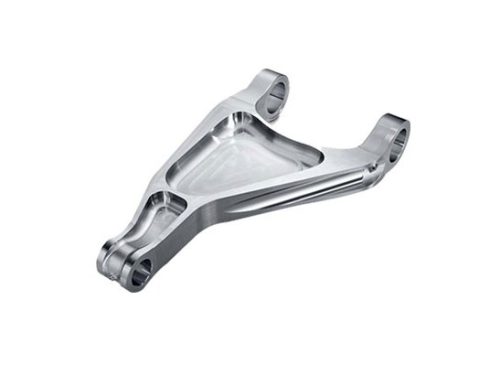 AluminumStocked 6061, 6063, 5083 and 5052 for brackets, housings, marine and fluid-handling parts, held to ±0.005 mm on fit-critical features with no MOQ.Learn More
-
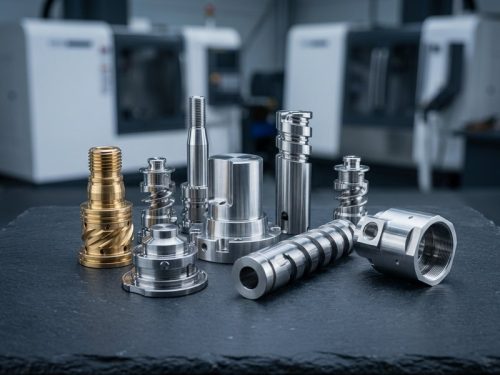 Stainless Steel303, 304, 316L, 17-4PH and 2205 duplex machined for medical, robotics, semiconductor and aerospace parts, from one prototype to production, ±0.005 mm.Learn More

Ready to Scale Your Project?
Get started with a stable process and controlled quality. Let's discuss your project.