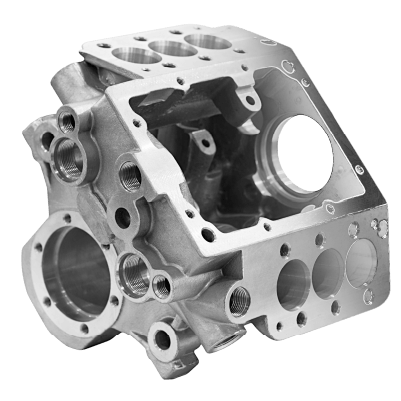









Bronze 841
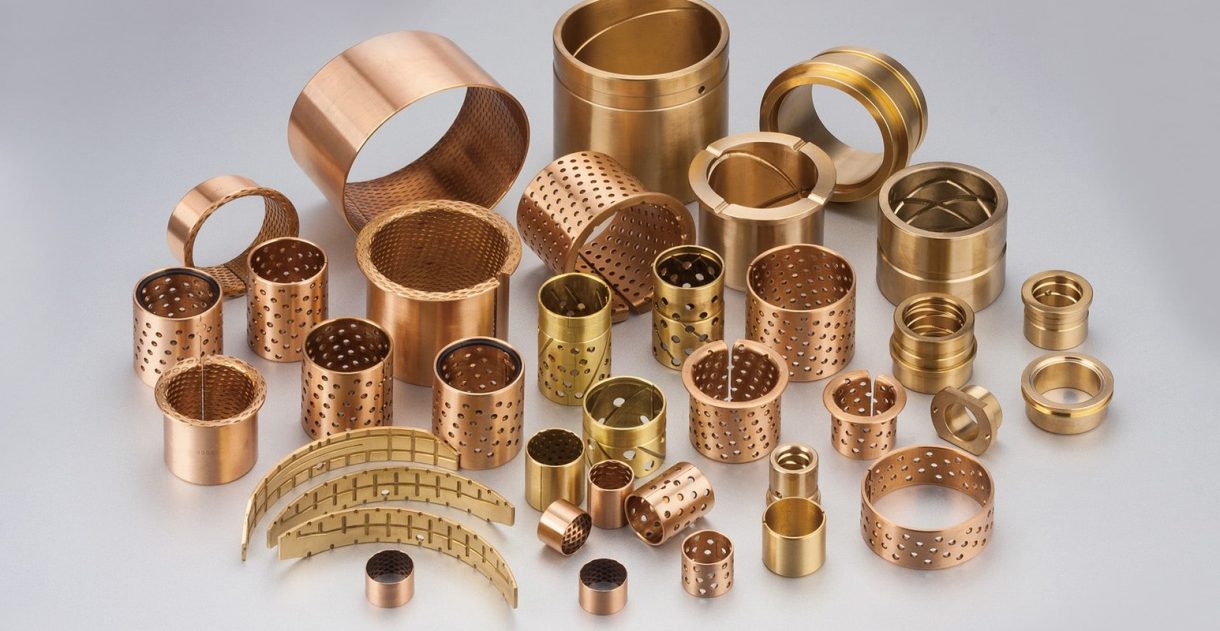
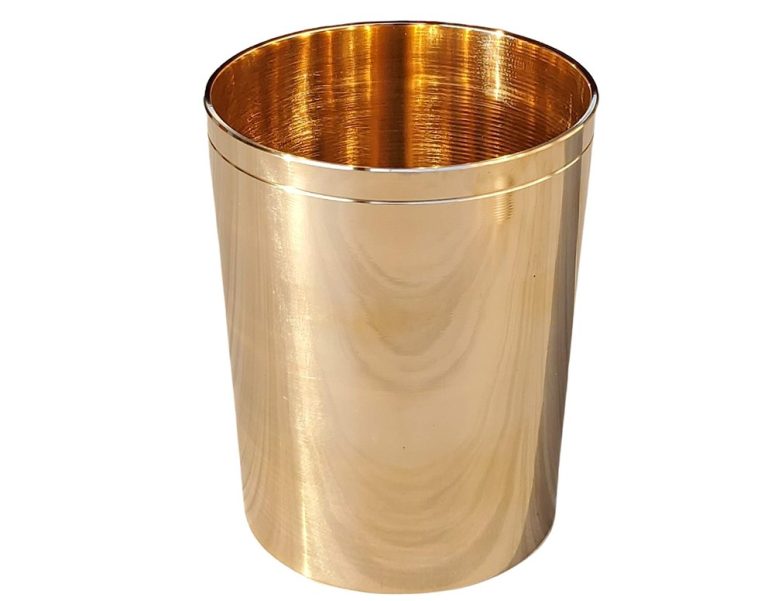
Bronze 841, also known as C84100, is a leaded tin bronze that contains copper, tin, and lead as its main components.
-
97 MPaUltimate Tensile Strength
-
76 MPaYield Strength
At a Glance
-

Material Type
Metal -

Material Name
Bronze 841 -

Alternative Names
C84100 | Oil Impregnated Bronze | Sintered Bronze -

Process Compatibility
CNC Milling, CNC Turning
Properties Table of Bronze 841

- Ultimate Tensile Strength 97 MPa
- Yield Strength 76 MPa
- Physical Property
- Corrosion Resistance High
Applications of Bronze 841
-
 Marine propellers
-
 Valve stems
-
 Bushings
-
 Gears
-
 Thrust washers
-
 Worm wheels
-
 Sleeve bearings
-
 Piston rings
Advantages of Bronze 841
Advantages of Bronze 841
- High strength
- Excellent corrosion resistance
- Good wear resistance
- High machinability
- Suitable for various applications
- Durable
- Low friction
- Resistant to fatigue
- Good thermal and electrical conductivity
- Versatile material
-
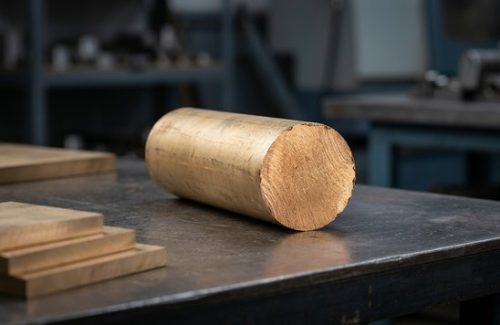 Raw Stock
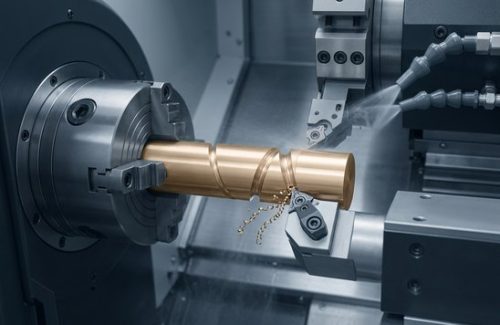 CNC Machined
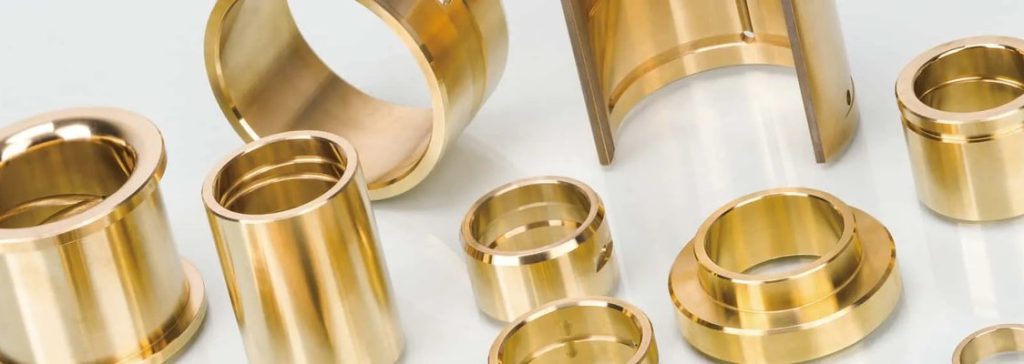 Finished Parts


Bronze 841 — Machining Notes
FAQ
Is sintered bronze strong?
Sintered bronze is known for its good strength, especially in compressive strength. It is a porous material formed by compacting and heating powdered metal. While it may not have the same tensile strength as some other materials, it offers good overall strength and durability for various applications.
Is Bronze 841 expensive?
The cost of Bronze 841 can vary depending on factors such as the size and complexity of the part, order volume, and market conditions. Generally, sintered bronze materials are cost-effective compared to some alternatives due to their durability and self-lubricating properties, which can reduce the need for additional maintenance.
Does Bronze 841 rust?
Bronze 841 is a copper-based alloy that is corrosion-resistant. It does not rust like ferrous materials. However, it may develop a patina over time due to exposure to environmental factors. This patina is a protective layer, preventing further corrosion and enhancing the material's aesthetic appeal.
Is Bronze 841 soft?
Bronze 841 is a relatively soft material compared to some other metals. Its hardness can be adjusted through the manufacturing process, but it generally offers a good balance between strength and machinability.
Other Materials

Ready to Scale Your Project?
Get started with a stable process and controlled quality. Let's discuss your project.