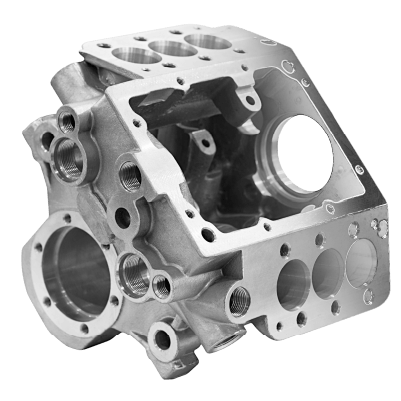









Alloy Steel A514
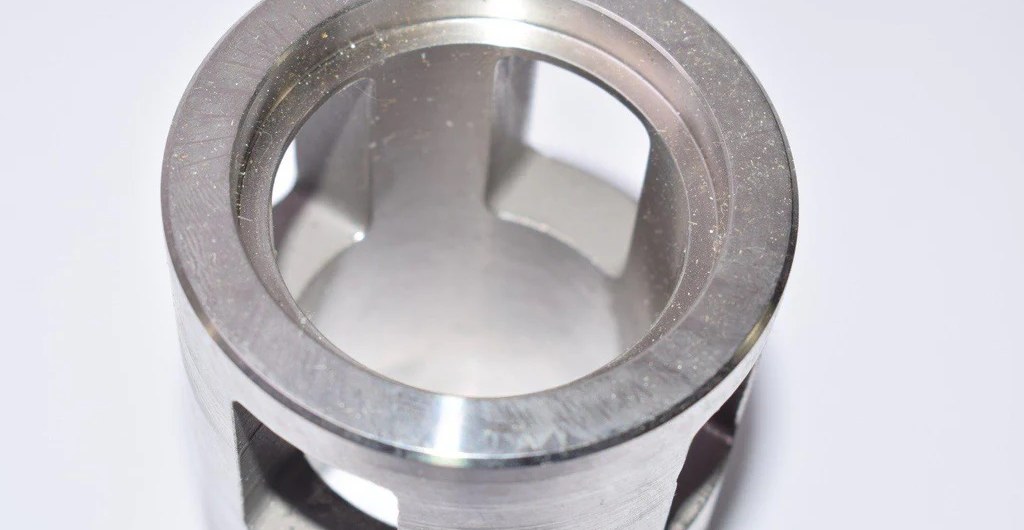
A514 steel is a cost-effective, high-performance material known for its strength, weldability, and toughness, especially in low temperatures.
-
690-760 MPaUltimate Tensile Strength
-
620 MPaYield Strength
-
190 GPaYoung's Modulus(Elasticity)
-
18 %Elongation at Break
At a Glance
-

Material Type
Metal -

Material Name
Alloy Steel A514 -

Alternative Names
ASTM A514 | T-1 steel -

Process Compatibility
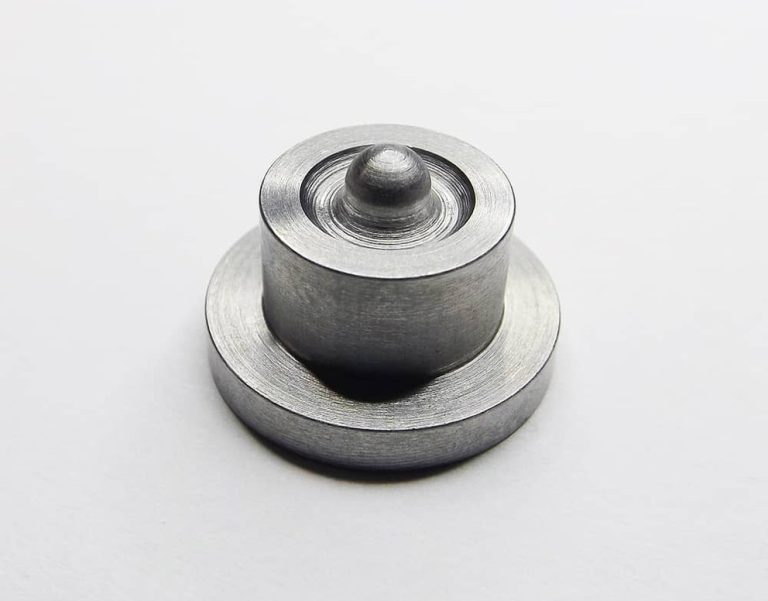
CNC Milling, CNC Turning
Properties Table of Alloy Steel A514

- Ultimate Tensile Strength 690-760 MPa
- Yield Strength 620 MPa min
- Young's Modulus(Elasticity) 190 GPa
- Elongation at Break 18% min
- Physical Properties
- Corrosion Resistance Generally low corrosion resistance
- Magnetism No-magnetic
- UV Resistance Limited UV resistance
- Weldability Good
- Thermal Properties
- Maximum Service Temperature Up to 200°C(392°F)
- Thermal Expansion Coefficient 12 x 10^-6/°C
- Thermal Conductivity 44.5 W/(m·°C)
Applications of Alloy Steel A514
-
 Structural beams, columns, and plates in high-rise buildings
-
 Bridge components such as beams, girders, and plates.
-
 Crane booms, lifting arms, and components subjected to heavy loads
-
 Bulldozer blades, excavator buckets, and components in heavy equipment
-
 Truck chassis frames, trailer frames, and load-bearing components
-
 Railcar frames and structural components.
Advantages of Alloy Steel A514
Advantages of Alloy Steel A514
- High Yield Strength
- Good Weldability
- Toughness and Impact Resistance
- Abrasion Resistance
- Relatively Low Weight
- Normalized Heat Treatment Option
- Structural Integrity at Low Temperatures
-
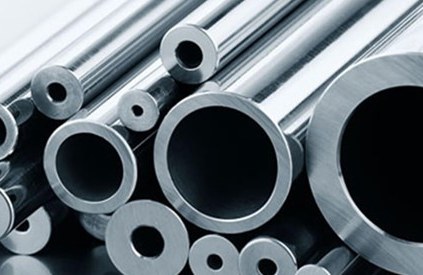 Raw Stock
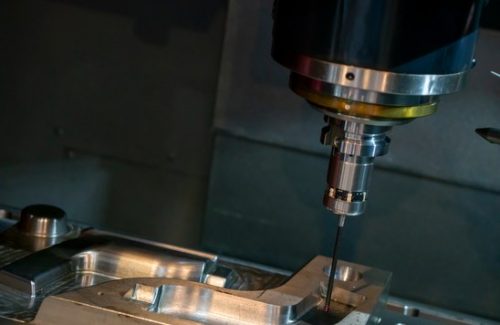 CNC Machined
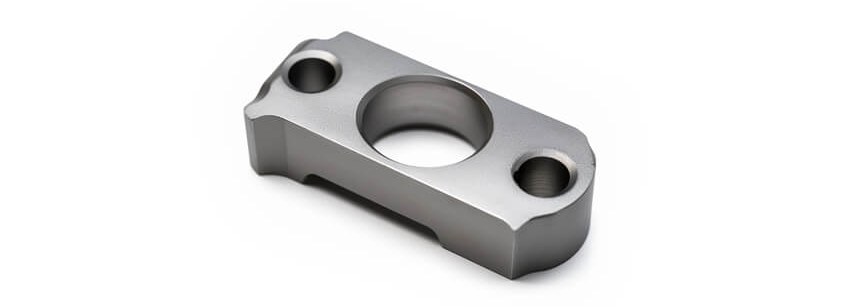 Finished Parts


Alloy Steel A514 — Machining Notes
FAQ
Is A514 the same as A36?
A514 and A36 are different types of steel commonly used in construction and heavy equipment welding. A36 is low-carbon steel with good strength and formability, while A514 is high-strength steel with a yield strength of around 100,000 PSI, depending on the grade.
What is the difference between ASTM A517 and A514?
Both ASTM A517 and A514 are high-strength quenched and tempered alloy steels, but they have different grades and applications. A514 is primarily used for structural purposes, while A517 is typically used in pressure vessel applications. Each grade has specific mechanical properties and heat treatment requirements.
What is the difference between A514 and A572 steel?
A514 and A572 are different types of high-strength, low-alloy steels. A514 is a quenched and tempered alloy steel, primarily used for structural applications, while A572 is a standard specification for high-strength low-alloy structural steel with specified minimum yield strength. A514 is known for its high yield strength, making it suitable for heavy-duty applications.
What temperature is A514 tempering?
The tempering temperature for A514 steel is typically in the range of 1,100 to 1,300°F (593 to 704°C). However, the specific tempering temperature may vary depending on the grade of A514 and the desired mechanical properties.
Other Materials
-
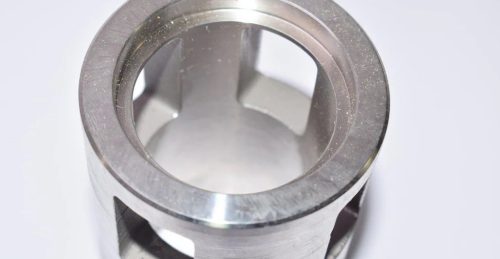 Alloy Steel 8620Alloy steel 8620 is a low-alloy steel containing nickel, chromium, and molybdenum with high strength and toughness. It is a commonly used steel that can be carburized.Learn More
-
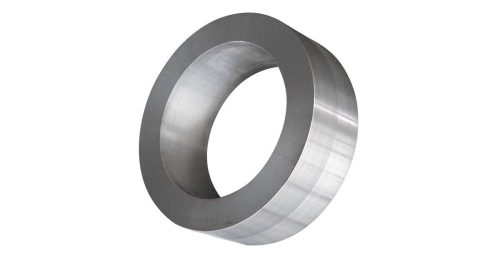 Alloy Steel 4340Alloy Steel 4340 belongs to the AISI 4000 series of steels, a heat-treatable, low-alloy steel with high strength and toughness.Learn More
-
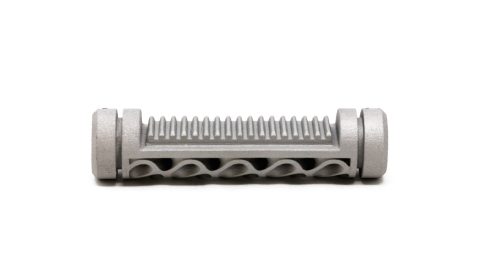 Alloy Steel 4130Alloy steel 4130 is a versatile and widely used material in CNC machining, particularly in the aerospace and automotive industries.Learn More

Ready to Scale Your Project?
Get started with a stable process and controlled quality. Let's discuss your project.