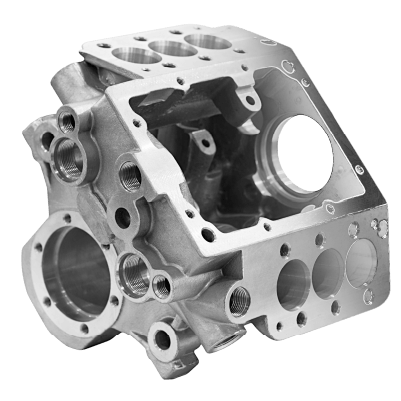









PTFE Machining Services
DEK's PTFE machining holds ±0.005 mm on general parts and ±0.003 mm on micro components under 10 mm, with no MOQ and prototypes in as fast as 3 days. Every run of custom Teflon parts ships under ISO 9001, AS9100D and ISO 13485 quality systems.
-
±0.005mm
General Tolerance
-
3 days
Prototype Lead Time
-
260°C
Max Service Temp
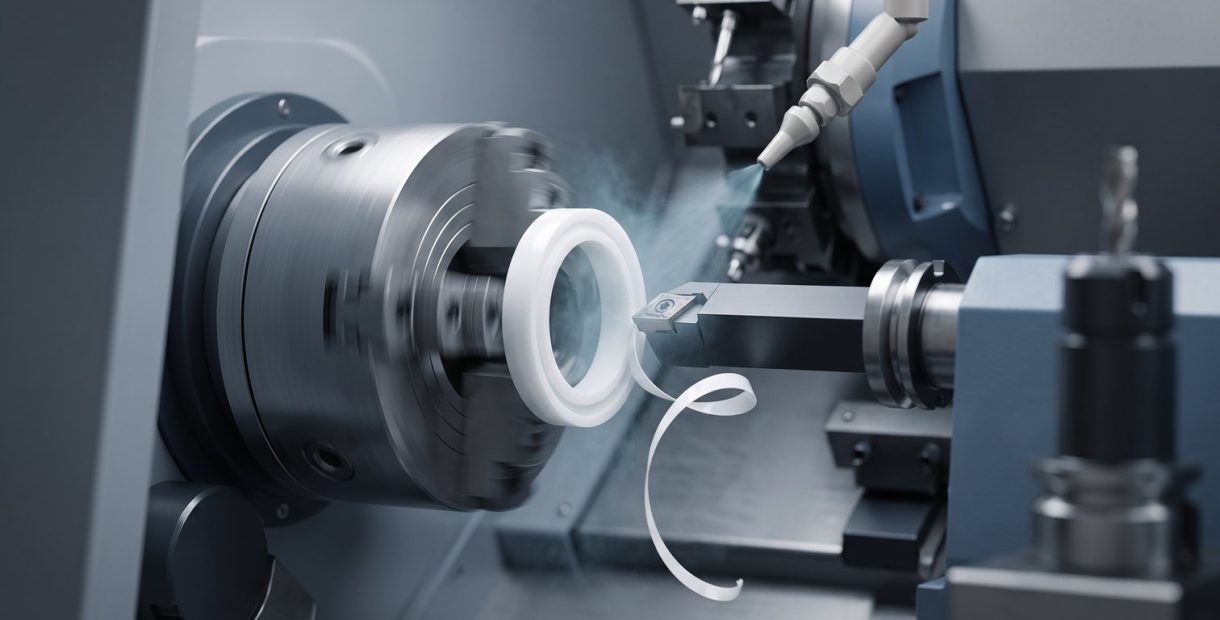

Why Engineers Specify PTFE Machining
PTFE (polytetrafluoroethylene), sold as Teflon, is specified for a low coefficient of friction, resistance to nearly every industrial chemical, stable performance across a wide temperature range and high dielectric strength. Cold flow makes it harder to source than most engineering plastics.
Under sustained load PTFE slowly deforms, so a PTFE machining service that ignores it ships parts that drift out of tolerance after they leave the shop. Where moldability also matters, compare Delrin AF (13% PTFE-filled).
-

±0.005 mm general, ±0.003 mm micro parts
-

No MOQ, prototypes in as fast as 3 days
-

ISO 9001, AS9100D and ISO 13485 systems
-

In-house CMM inspection on every part
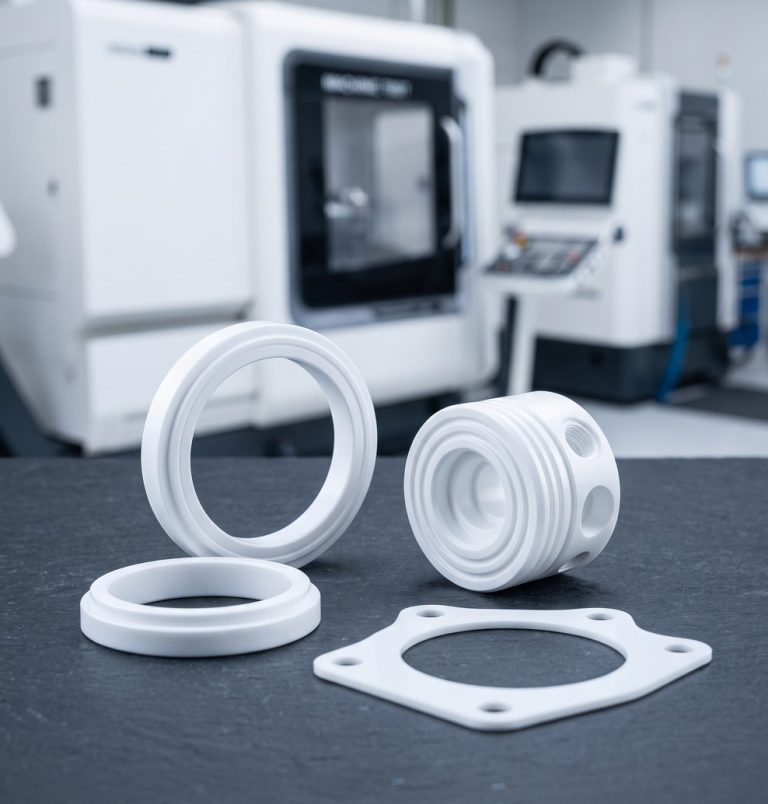
Teflon Material Properties at a Glance
Typical PTFE properties for unfilled (virgin) stock; filled grades trade some friction and chemical performance for stability or wear life.
-

Tensile Strength
3,000–5,000 psiMeasured per ASTM D638. Adequate for seals and insulators, but load-bearing PTFE parts need design margin for cold flow.
-

Flexural Modulus
72,000 psiMeasured per ASTM D790 on virgin PTFE. Glass fiber fillers raise flexural modulus for seal faces that see repeated cycling.
-

Tensile Elongation
300–500%Measured per ASTM D638. The material does not shear cleanly, so DEK cuts it with sharp, freshly ground tooling to limit burrs.
-

Coefficient of Friction
0.05–0.10Measured per ASTM D1894. The main reason PTFE is chosen for bearings and bushings running dry or with minimal lubrication.
-

Melting Point
621°F (327°C)Measured per ASTM D3418. Heat buildup during roughing still matters well below this point, since it can push parts out of round.
-

Temperature Range
500°F (260°C)Max continuous service temperature per UL746B. Covers gaskets and seals on corrosive or high-temperature process lines.
-
±0.005mm
General PTFE tolerance
-
±0.003mm
Micro parts under 10 mm
-
1.6–3.2μm
As-machined Ra
-
1000 mm
Max part envelope (approx.)
How DEK Handles PTFE CNC Machining
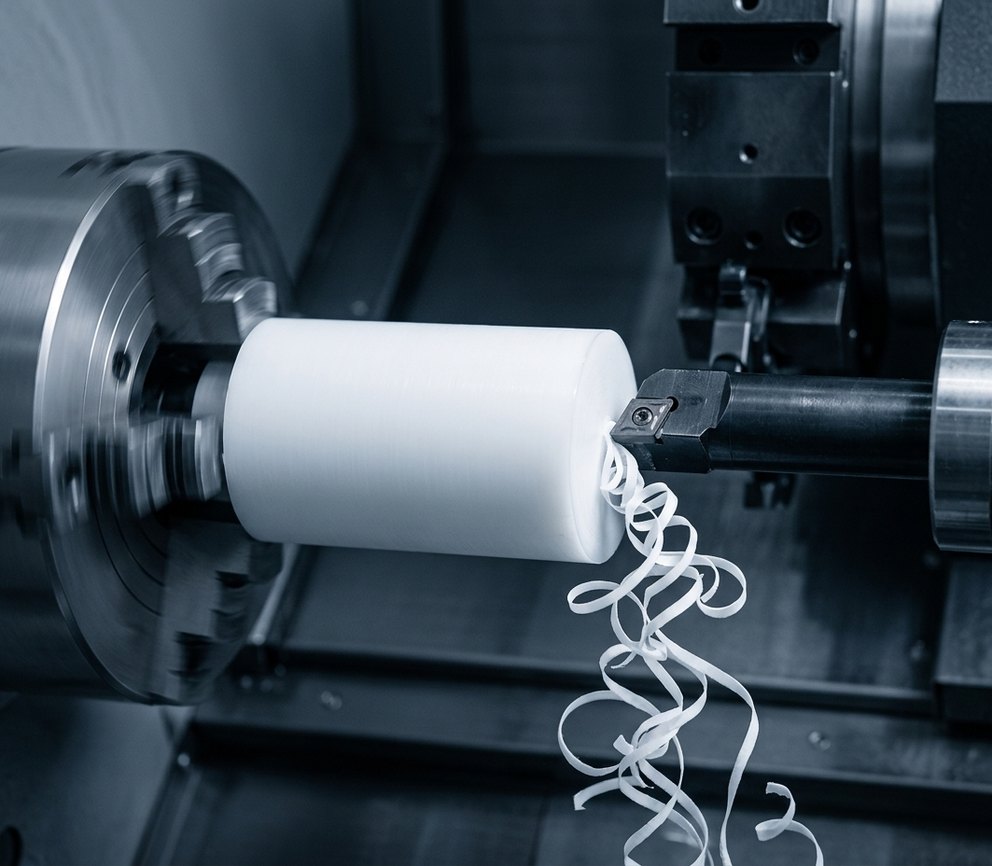
PTFE's softness and cold flow make fixturing as important as the cut, so dimensions are checked at multiple stages, not only at final inspection.
-
1
Multi-Axis Milling
Precision Teflon parts such as housings, insulators and manifold components are cut on 3-, 4- and 5-axis milling centers, without over-clamping the soft stock.
-
2
Swiss-Type Turning
Small-diameter bushings and seal components run on Swiss-type turning centers, where concentricity matters more than raw material removal rate.
-
3
In-Process Checks
Over-clamping or roughing heat can push PTFE out of round after release, so dimensions are verified at multiple stages on in-house CMM equipment.
-
4
Documented Release
IQC, IPQC, FAI, OQC, SPC and CAPA records under our ISO 9001, AS9100D and ISO 13485 systems trace each lot to the final CMM report.
PTFE Machining Considerations
What our engineers plan for before cutting PTFE, so parts stay in tolerance after they leave the shop.
-
1
Cold Flow Under Sustained Load
PTFE keeps deforming slightly under sustained load after machining, so tolerances tighter than ±0.003 mm on micro components are hard to guarantee long-term.
-
2
Choosing Virgin or Filled PTFE
If wear under load is the failure, look at glass- or bronze-filled grades; for chemical exposure or electrical insulation, stay with virgin PTFE, since fillers reduce those properties.
-
3
Burr Control on a Soft Material
PTFE does not shear cleanly. Sharp, freshly ground tooling keeps burrs to a minimum, yet burring and cold flow still drive up finishing labor and cost.
-
4
Stock Forms and Part Size
Parts are machined from rod and sheet stock rather than molded or extruded to net shape, up to roughly 1000 mm for large structural components.
When to Choose PTFE vs PEEK, Delrin or UHMW-PE
PTFE usually starts the conversation on chemical resistance; once cost, tolerance or load enter the brief, these engineering plastics can be the better call.
Where Machined PTFE Components Are Used
From dry-running bearings to semiconductor process parts, machined PTFE solves friction, chemical and electrical insulation problems.
-
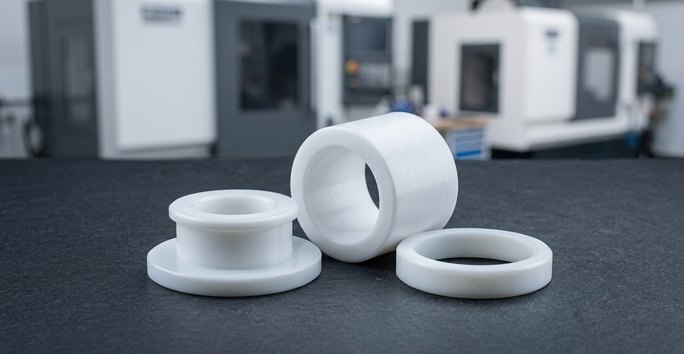 Teflon Bushings & BearingsBearings and bushings running dry or with minimal lubrication, where PTFE's 0.05–0.10 coefficient of friction matters most.
-
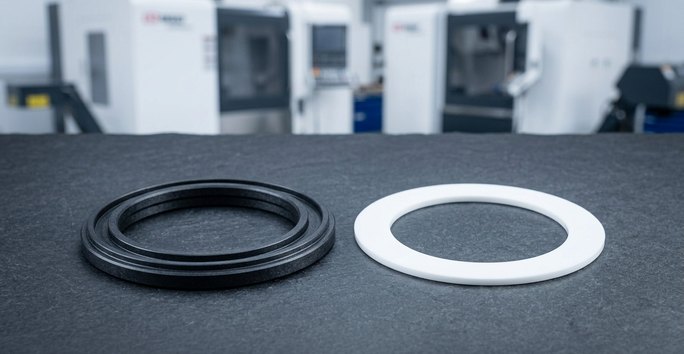 PTFE Seals & GasketsSeals and gaskets for corrosive or high-temperature process lines; carbon-filled grades suit valve seats and rotating seals.
-
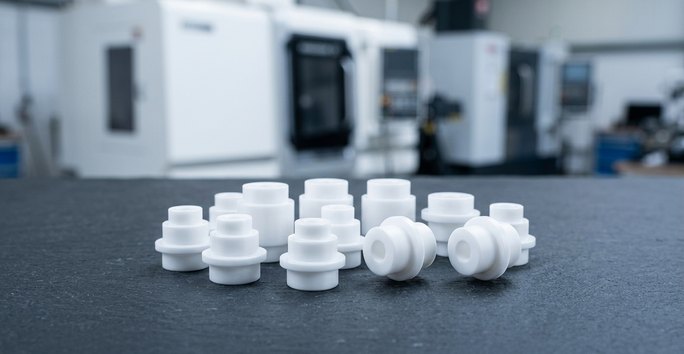 PTFE InsulatorsElectrical insulators and standoffs that rely on PTFE's high dielectric strength; virgin PTFE keeps the best electrical performance.
-
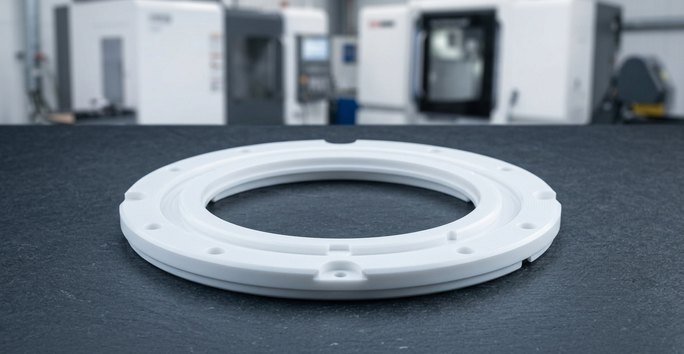 Semiconductor ComponentsSemiconductor process components exposed to aggressive chemistries, machined from PTFE for its resistance to nearly every chemical.
-
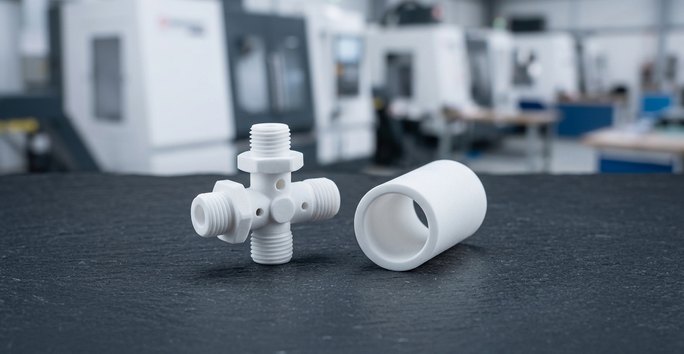 Medical & Lab InstrumentsMedical and lab instrumentation parts requiring biocompatibility and chemical stability, produced under ISO 13485.
-
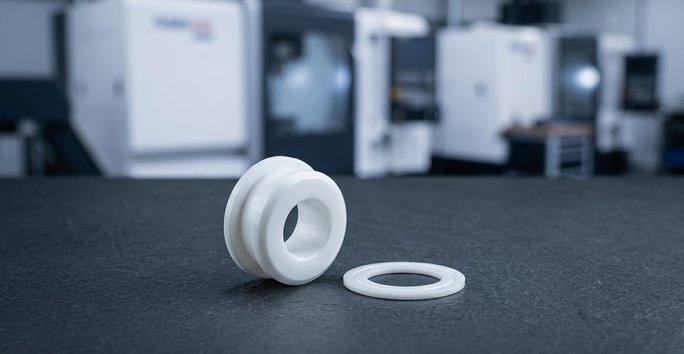 Aerospace AssembliesPTFE bearings, insulators and seals for aerospace assemblies carry the same AS9100D documentation trail as a metal part.
PTFE Grade Options for Machined Parts
Pick the PTFE grade by what fails first: friction, chemicals, load or wear. All grades are CNC machined from rod and sheet stock.
Not sure which PTFE grade fits? Ask our engineers to review it
-
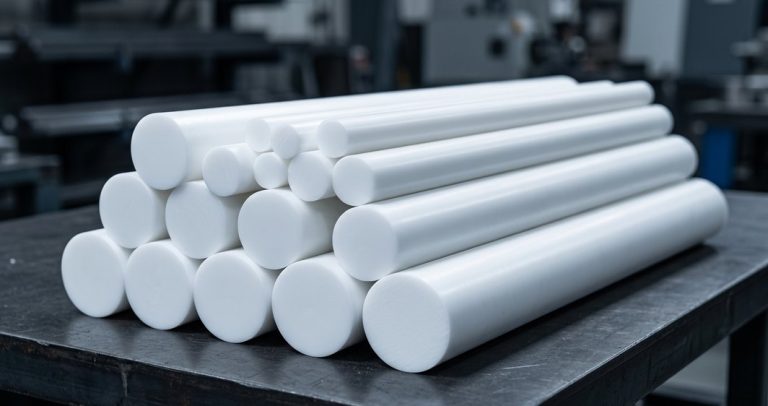 Virgin PTFEMost PopularLowest friction and best chemical and electrical performance, but the softest grade and the most prone to cold flow under load.Get a Quote
-
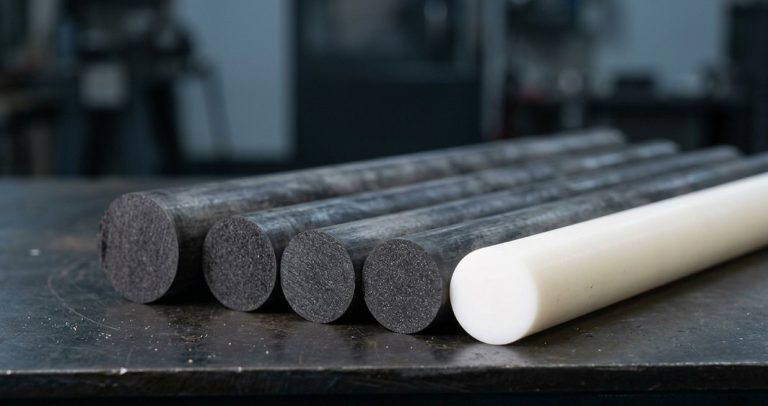 Glass-filled PTFEMost PopularGlass fiber raises flexural modulus and wear resistance for bearings and seal faces that see repeated cycling.Get a Quote
-
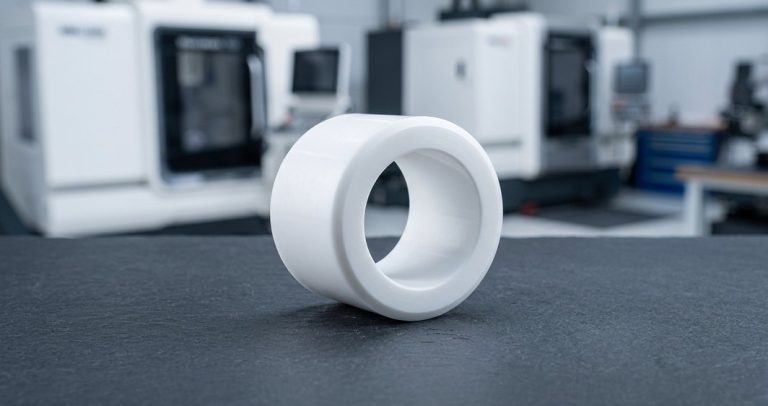 Carbon-filled PTFEMost PopularAdds compressive strength and thermal conductivity, useful in valve seats and rotating seals.Get a Quote
-
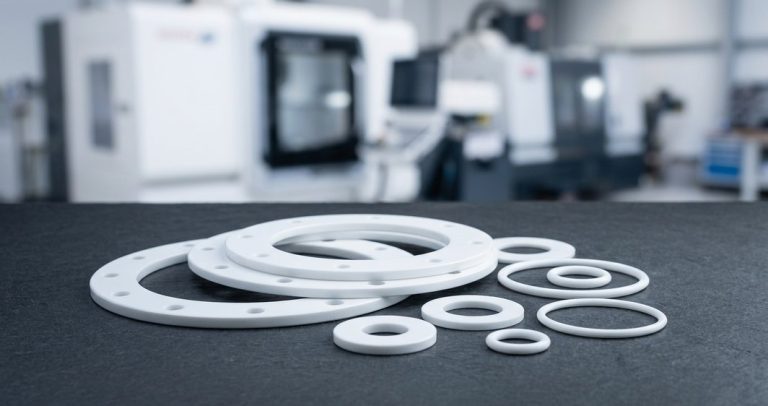 Bronze-filled PTFEMost PopularHighest load capacity and wear resistance of the common grades, at the cost of electrical insulation and chemical resistance.Get a Quote
PTFE Machining FAQs
Questions engineers and buyers ask before ordering machined PTFE parts.
Other Materials
-
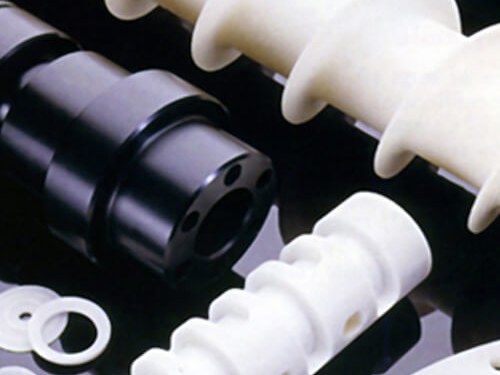 DelrinAcetal homopolymer (Delrin 150) and copolymer for gears, bushings, valve bodies and food-contact parts: clean chips, low moisture, ±0.01 mm typical.Learn More
-
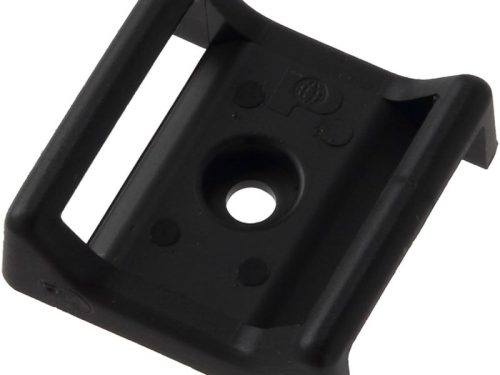 NylonTough, quiet, self-lubricating PA6, PA66, 30% glass-filled and MoS2 nylon for gears, bushings, wear pads, rollers and insulators.Learn More
-
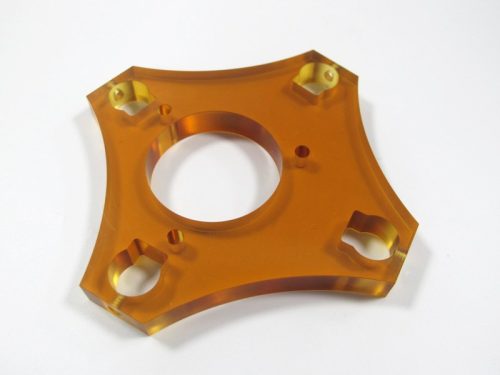 PEIUnfilled Ultem 1000 and 30% glass-filled Ultem 2300 PEI for test sockets, sterilization trays and aircraft brackets: 170 °C continuous, UL 94 V-0.Learn More
-
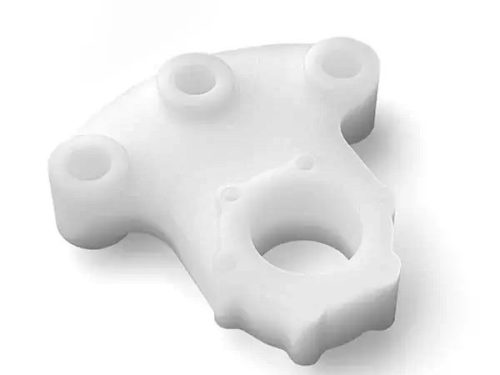 PolyethyleneUHMW-PE and HDPE: the lowest-friction, most abrasion-resistant commodity plastic, FDA compliant in natural grades, for wear strips and chain guides.Learn More

Ready to Scale Your Project?
Get started with a stable process and controlled quality. Let's discuss your project.