








Short Run Machining for 1 to 5,000 Parts
Short run machining from one part to 5,000, with no tooling, no MOQ and small batches in 4–7 days. Every part is inspected against your drawing.
Small Batch Manufacturing Without Tooling
Short run machining covers the quantities between a prototype and production tooling: one replacement part, a 25-piece pilot build, 500 bridge units or 5,000 parts a year in monthly lots.
This page is about planning a short run: cost, one-offs, pilot and bridge batches, repeat lots. The CNC detail (materials, tolerances, machine routing) is on the low volume CNC machining page, and larger volumes on high volume machining.

Why DEK for Short Run Machining
One part or 5,000, DEK runs the same drawing review, machining and inspection. Programs and fixtures are archived, so repeat lots behave like production while quantity and revision stay flexible.
-
01
No MOQ Since 2002
The same drawing review, machining and inspection for one part or 5,000, with no minimum order quantity and no tooling to pay for before the first part.
-
02
In-House Processes
3-, 4- and 5-axis milling, CNC and Swiss turning, EDM and grinding run in-house, so a short run is routed to the machine that suits each feature.
-
03
Certified by TÜV
ISO 9001:2015, ISO 13485 and AS9100D certified by TÜV, with first article inspection reports delivered on pilot batches.
-
04
2,300+ Customers
More than 2,300 customers worldwide, mainly in North America, Europe and Australia, order prototypes, pilot runs and recurring lots from DEK.
-
05
Quotes in 6 Hours
Engineer-reviewed quotes in 6 hours; no automated quoting, so heat treatment and grinding are priced correctly the first time, with setup shown apart.
-
06
Same Tolerances at Any Qty
Tolerances of ±0.005 mm on metals and ±0.01 mm on plastics apply regardless of quantity, from a single part to a recurring 5,000-piece program.


Planning Short Run Production
How DEK plans a short run by quantity, what drives its cost, how fast it ships and where this page hands over to neighboring services.
Processes Behind Every Short Run
Short runs are routed across the processes DEK runs in-house, so each part gets the machine that suits its features and tolerances.
-
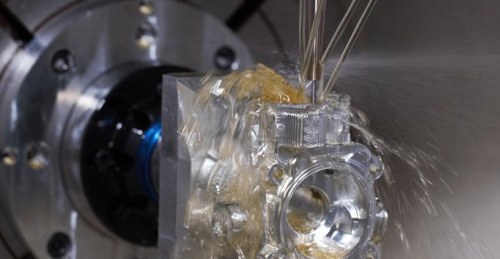 CNC Milling (3–5 Axis)3-, 4- and 5-axis milling for prismatic and contoured parts, with multi-part fixtures and archived programs for repeat batches.
-
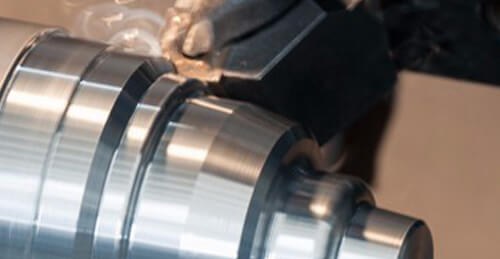 CNC TurningTurned parts from one-off replacements to recurring lots, held to the same tolerances on metals and plastics regardless of quantity.
-
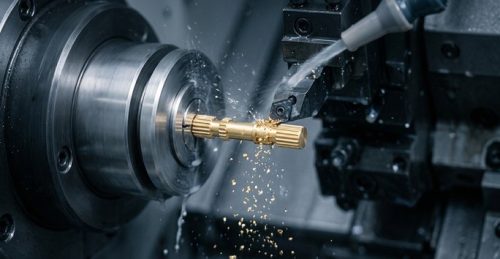 Swiss TurningSwiss turning in-house for small, slender turned parts in short runs, routed from the same engineer-reviewed drawing as every batch.
-
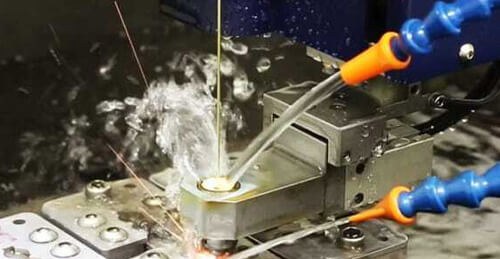 EDM MachiningEDM in-house for features that cutting tools cannot reach, programmed once and archived so repeat lots run the proven setup.
-
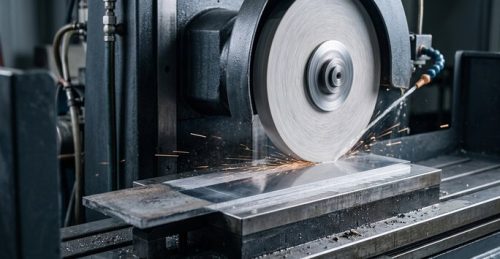 Precision GrindingGrinding in-house for tight-tolerance features; batches with heat treatment, grinding or plating typically ship in 7–14 days.
-
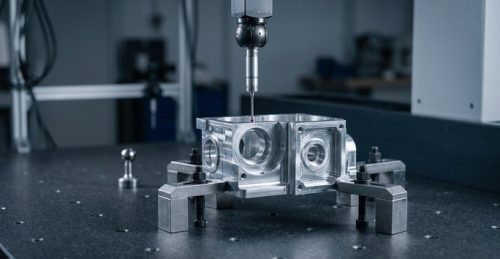 Inspection and FAIFirst article inspection on the first lot, critical dimensions measured on every repeat lot and results kept, so drift shows as a trend.
50+ Materials for Small Batches
Short runs use production materials, not stand-ins. Finishes are applied to the parts we machine and quoted with them.
Surface Finishes
Engineering Plastics
Need another grade or finish? See all surface finishing options
View MaterialsEngineering Support for Every Batch
An engineer reviews each drawing, quotes setup and per-part cost separately, suggests a batch size and flags anything that affects a later move to tooling.
-

Drawing and DFM Review
Every order, one part or 5,000, gets the same drawing review; bridge parts get machining-specific features agreed in DFM.
-

FAI on Pilot Batches
Pilot runs get a first article report on every ballooned dimension, doubling as validation records for ISO 13485 or AS9100D.
-

Fixtures Kept on the Shelf
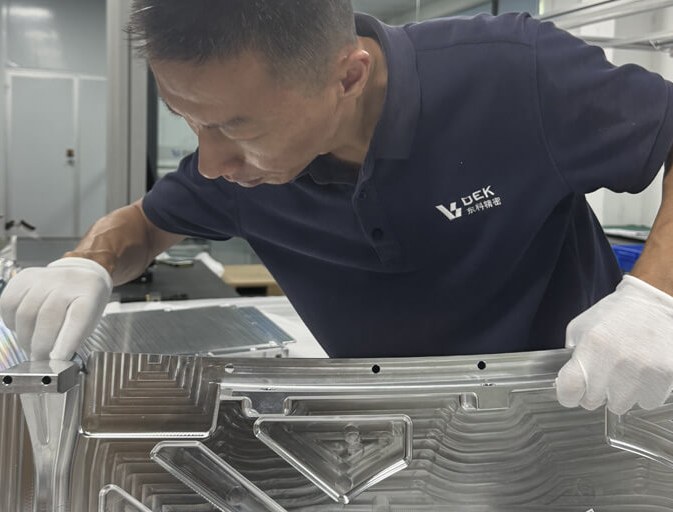
Dedicated fixtures and soft jaws stay labeled by part number and revision, so a recurring part is located the same way every time.
-

Programs Archived
CAM programs, tool lists and offsets are stored against the drawing revision; an unchanged drawing runs the proven program.
-
2002
No MOQ Since
-
2,300+
Customers Worldwide
-
6h
Engineer-Reviewed Quotes
Certified Quality for Short Runs
ISO 9001:2015, ISO 13485 and AS9100D certified by TÜV, with FAI reports on pilot batches.
-
 AS9100D
Aerospace Quality Management System
-
 ISO 9001:2015
Quality Management Standard
-
 ISO 13485
Medical Devices Quality Management
Short Runs by Order Type
From a single replacement part to recurring lots, each order type follows its own plan, fixtures and lead time at DEK.
-
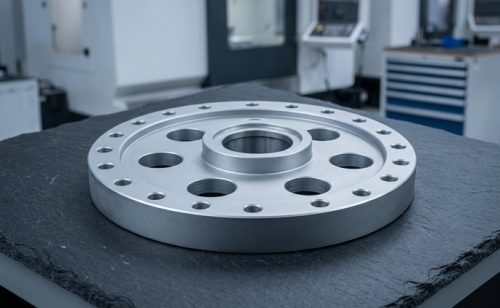 One-Off
One Off Machining1–5 partsReplacement parts, fixtures, gauges or test rig parts, quoted, machined and inspected exactly like a batch.
- 1–5 pcs Quantity
- 1–3 days Lead
- No MOQ MOQ
-
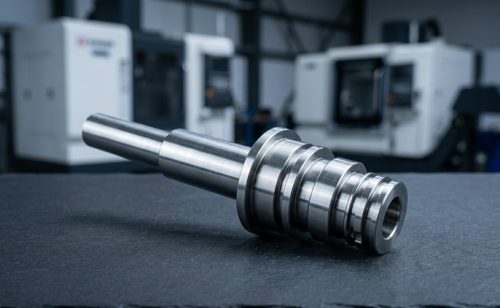 Pilot Run
Pilot Production Run10–100 partsFirst batch on production drawing, material and finish, to test fit, assembly and paperwork before volume.
- 10–100 Quantity
- 4–7 days Lead
- FAI Report
-
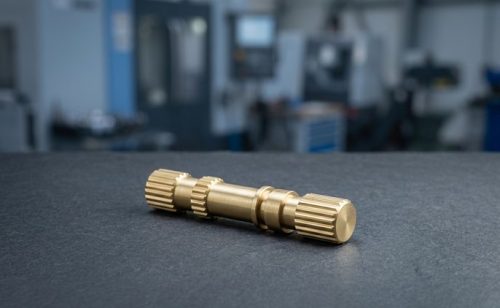 Bridge Production
 Manufacturing300–2,000 partsUnits machined from billet while production tooling is built, so the product launches on schedule.
- 300–2,000 Quantity
- 10–14 wk Gap
- Billet Stock
How a Short Run Is Quoted
Short Run Machining FAQ
Can't find your answer? Our engineers can review your drawing and quantities directly.

Ready to Scale Your Project?
Get started with a stable process and controlled quality. Let's discuss your project.