






Polycarbonate Machining
DEK's polycarbonate machining service holds ±0.01 mm on critical features of guards, lenses and housings, with prototypes in 3–5 days and no MOQ. Every blank is annealed before finish passes.
-
±0.01mm
Critical Features
-
3–5 days
Prototype Lead Time
-
No MOQ
From One Part

Why Choose CNC Polycarbonate for Tough Parts?
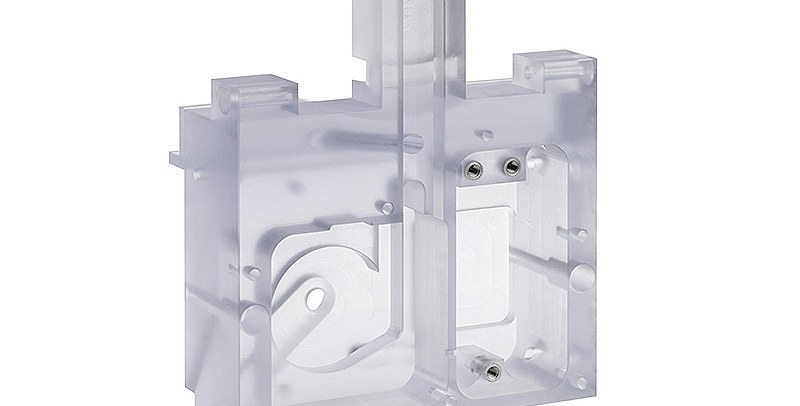
Polycarbonate is the transparent plastic you choose when the part will be hit, dropped or clamped: it has 10–20 times the impact strength of acrylic. It also stress-cracks with the wrong coolant and turns cloudy under a dull cutter.
We machine PC on the same 3-, 4- and 5-axis mills as your metal parts, as one of 15+ polymers in our plastic CNC machining services. Fundamentals are in our guide to CNC machining polycarbonate.
-

ISO 9001:2015, ISO 13485 and AS9100D
-

Engineer-reviewed quotes within 6 hours
-

IQC, IPQC, FAI and OQC inspection
-

Metal frames machined in the same order
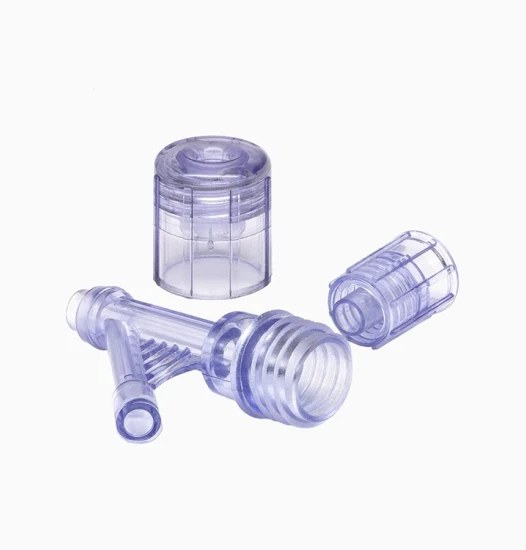
Polycarbonate Grades We Machine
From optical clear sheet to FR and medical grades, each PC type is selected for clarity, stiffness, compliance or flame rating.
-

Optical clear PC
88% light transmissionLexan 9034 / Makrolon type sheet and rod: the general-purpose choice for transparent guards, windows and housings.
-

UV-stabilized
Outdoor guards and windowsUV-stabilized and hard-coated sheet for outdoor guards and windows; the hard coat stays intact when edges are machined dry, so we cut it without coolant.
-

Glass-filled PC
10–30% GF, opaqueFor structural housings and fixtures that need higher stiffness and lower creep than unfilled PC and do not need transparency.
-

FDA / USP Class VI
Autoclavable, limited cyclesFor medical and food-contact components that need a compliant grade and survive a limited number of autoclave cycles.
-

Flame-retardant PC
UL 94 V-0For electrical enclosures and battery housings where the part must meet a UL 94 V-0 flame rating while staying tough.
-

Colored and tinted
Smoke, bronze and opalColored and tinted sheet for display and lighting parts that need a smoke, bronze or opal look instead of fully clear polycarbonate.
-
±0.01 mm
Rigid features under 50 mm
-
±0.05 mm
Large sheet parts, thin walls
-
Ra 0.8–1.6
As-machined finish (µm)
-
85%+
Transmission, vapor polished
Polycarbonate CNC Machining at DEK
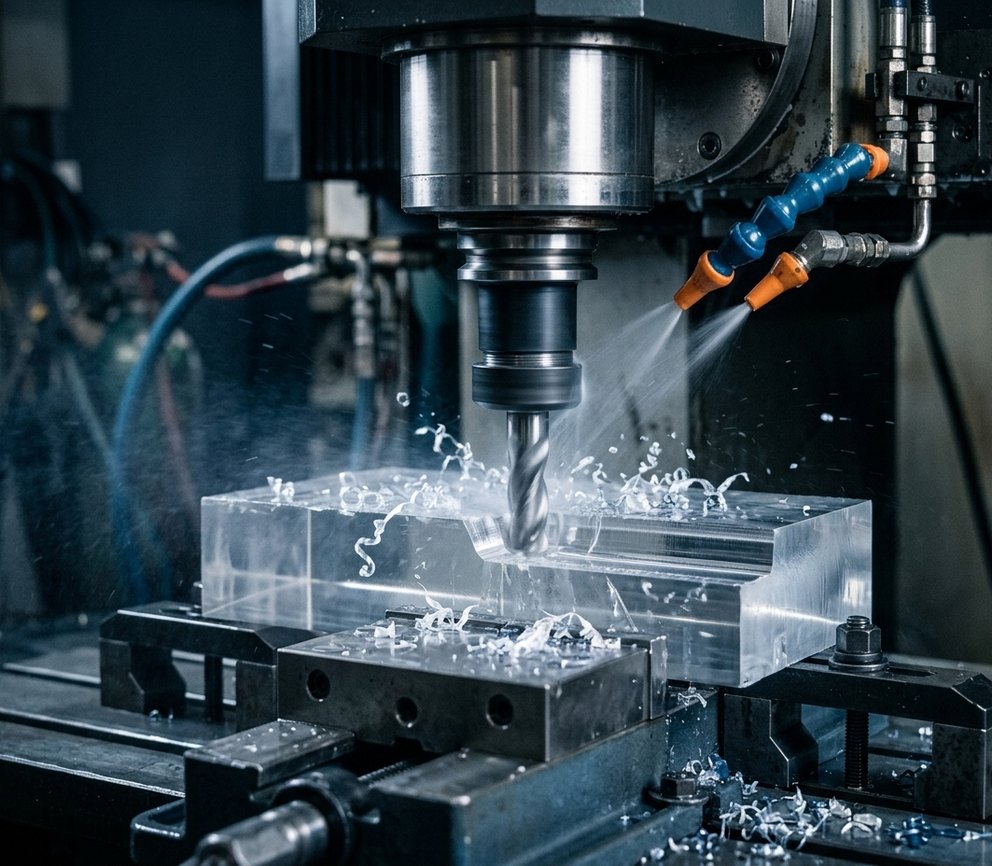
PC cuts well with sharp carbide tools, PC-safe cooling and annealing before finish passes, inspected at 23 °C after annealing.
-
1
CNC Milling
CNC milling on 3-, 4- and 5-axis machines for guards, windows, fluid manifolds, enclosures and lens blanks.
-
2
CNC Turning
CNC turning for sight glasses, lens rings, bobbins and threaded caps, with sharp tools to keep surfaces clear.
-
3
Drilling and Tapping
Tapping and drilling with slow-helix drills, peck cycles and 0.1 mm oversize on clearance holes so fasteners never load the hole wall.
-
4
Engraving & Text Milling
Text milling and engraving for scales and legends behind clear windows; bonding of multi-piece assemblies on request.
Design & Machining Tips for Polycarbonate
How our engineers prevent stress cracking, haze and fit problems on machined polycarbonate parts.
-
1
Anneal Before Finishing
We anneal PC blanks at 120–125 °C for one hour per 3 mm of thickness with a slow cool. See what is annealing.
-
2
Solvents and Coolants
Ketones, aromatic hydrocarbons, many coolants and some threadlockers craze PC. We cut dry with air blast or a verified PC-safe coolant.
-
3
Thermal Expansion
65 µm/m·K is about three times aluminum: a 200 mm window in an aluminum frame needs 0.3 mm of clearance for a 30 °C swing.
-
4
Corners and Edges
Internal corners initiate cracks under impact: specify 1 mm radii and a 0.5 mm chamfer on all edges, and never a sharp notch at a slot end.
-
5
Thin Walls
1.5 mm minimum for machined walls, 2 mm on parts that will be vapor polished. Below 1 mm PC deflects and melts against the cutter.
-
6
Holes and Fasteners
Oversize holes by 0.1 mm, countersink and use washers: a screw tightened against a sharp hole edge cracks machined polycarbonate parts.
When to Choose Polycarbonate vs Acrylic, Ultem or ABS
How polycarbonate compares with the clear, high-heat and opaque plastics engineers most often weigh it against.
| Criteria | This MaterialPolycarbonate | Acrylic | Ultem (PEI) | ABS |
|---|---|---|---|---|
| Best for | Guards, housings | Lenses | Autoclaving | Opaque parts |
| Max temp | 120 °C | 80 °C | 170 °C | – |
| Impact | Highest | Lower | – | Lower |
| Clarity | Clear | Clearer | No | Opaque |
| Cost | Moderate | – | 5× PC | Cheaper |
Where Machined Polycarbonate Parts Are Used
Wherever a clear part must survive impact, polycarbonate replaces glass and acrylic across these industries.
-
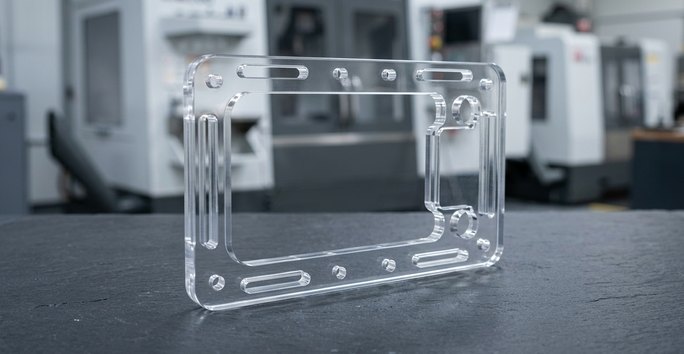 Industrial AutomationMachine guards, safety windows, light curtains and sensor covers that must stay intact when struck.
-
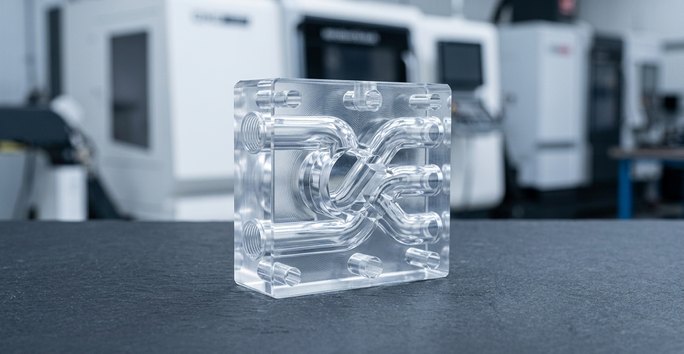 Medical DevicesFluid manifolds, sight glasses, instrument housings and single-use device components, ISO 13485 controlled.
-
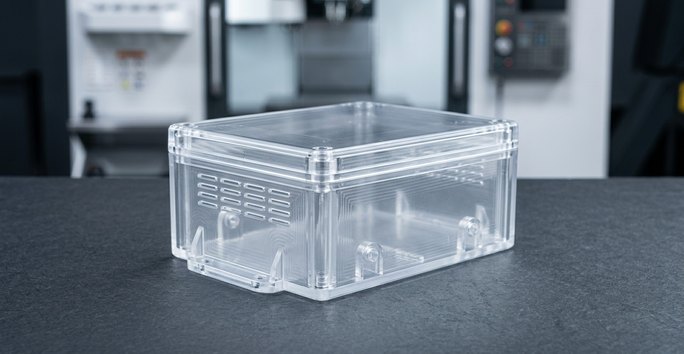 Electronics and TelecomTransparent enclosures, LED lenses, test fixture covers and FR-grade insulators for electronic assemblies.
-
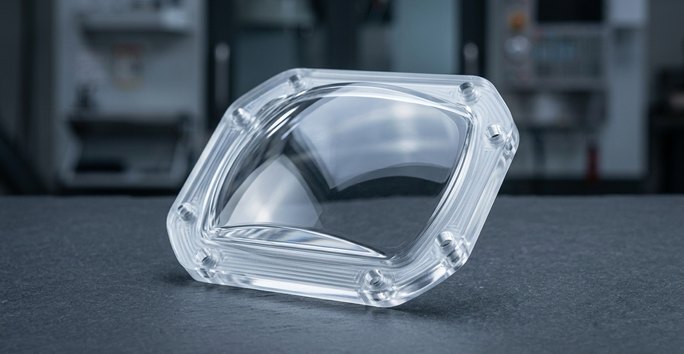 Automotive and DronesHeadlamp prototype lenses, camera windows and protective canopies machined from optical clear sheet.
-
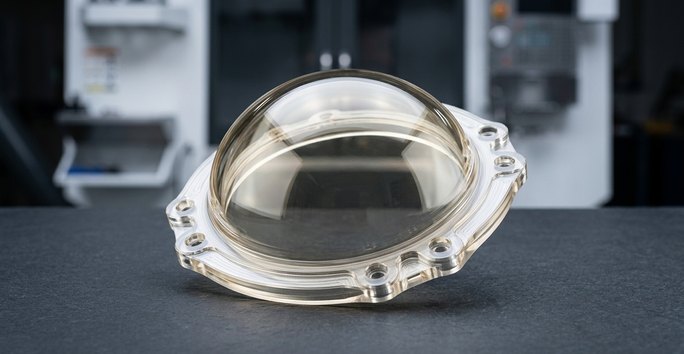 AerospaceCabin lighting lenses, gauge covers and cockpit trim machined in flame-retardant polycarbonate grades.
-
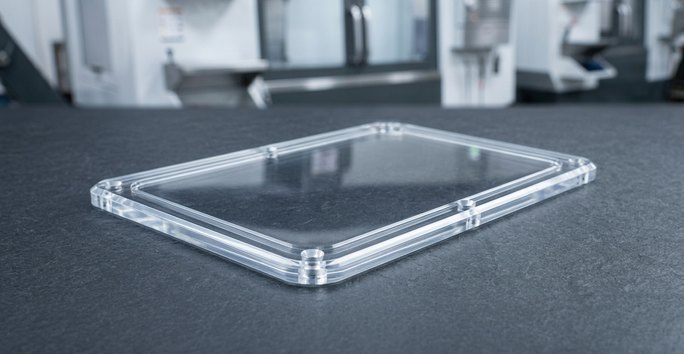 Consumer ProductsAppliance windows, protective cases and display components that need clarity and impact resistance.
CNC Machining + Finishes for Polycarbonate
Machined PC parts can receive clarity, texture or coating finishes; anodizing and plating do not apply to polycarbonate.
Need hard-coat or anti-fog? Ask our engineers for a quote.
-
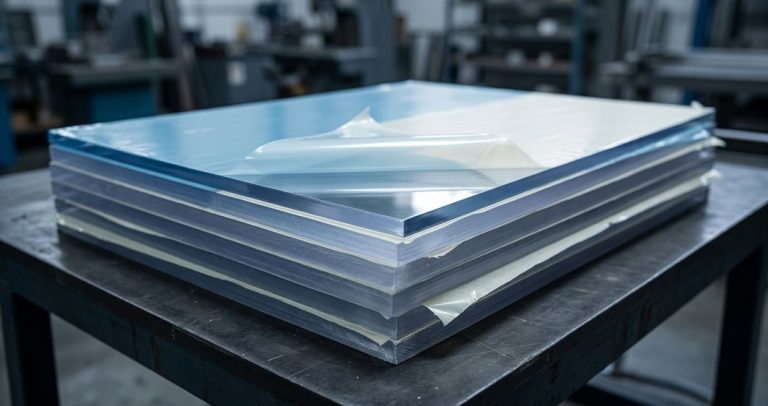 Vapor polishingPreferredRestores optical clarity on machined faces, pockets and internal channels without the heat of mechanical polishing.Get a Quote
-
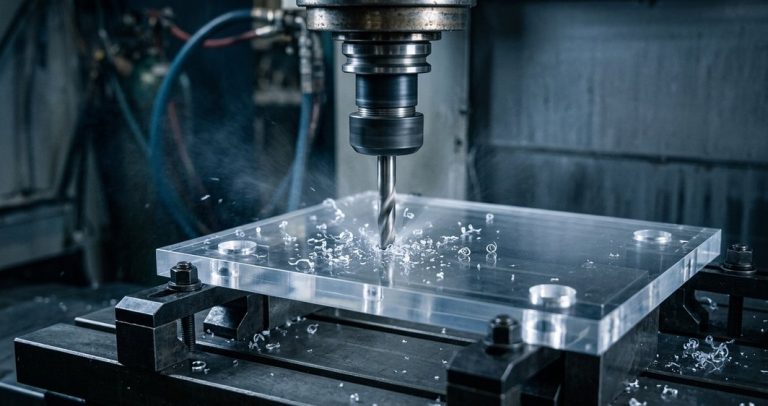 Buff polishingMost PopularBrings flat windows and edges of machined polycarbonate to Ra 0.1 µm for a clear, glossy finish.Get a Quote
-
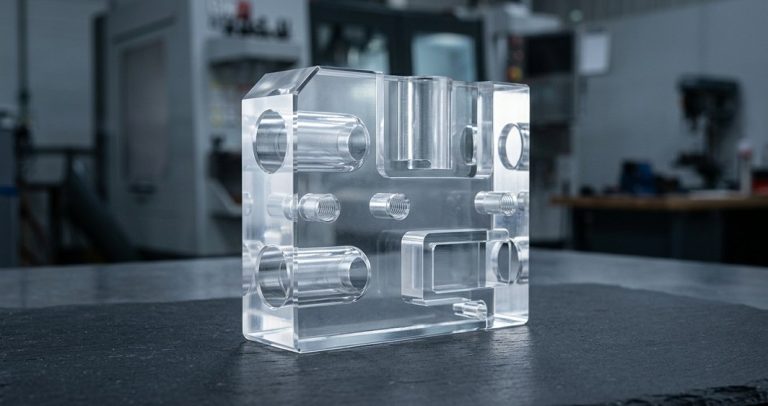 Bead blastingMost PopularCreates frosted diffuser and non-glare surfaces on machined PC parts for lighting and display uses.Get a Quote
-
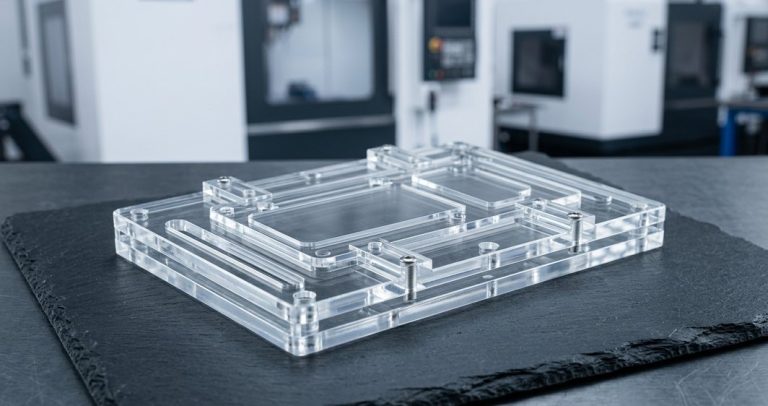 Painting and maskingMost PopularOpaque coatings applied after annealing and adhesion promoter; back-painting for display bezels.Get a Quote
-
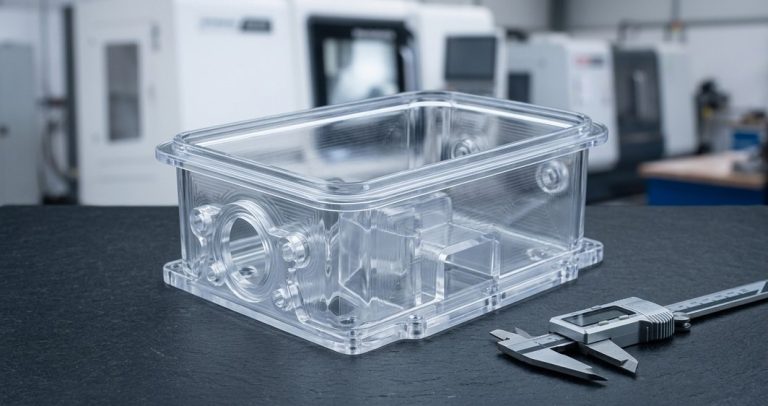 Laser markingMost PopularPermanent legends and part numbers marked on machined polycarbonate housings, covers and windows.Get a Quote
Polycarbonate Machining FAQ
Common questions from engineers specifying machined polycarbonate parts.
Other Materials
-
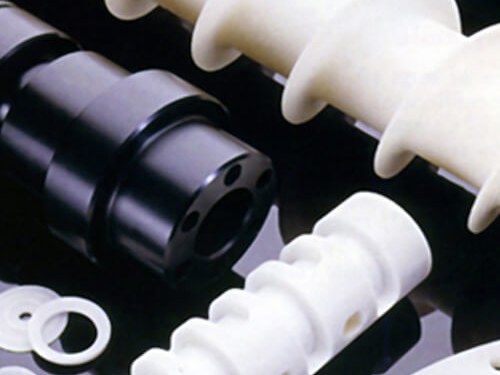 DelrinAcetal homopolymer (Delrin 150) and copolymer for gears, bushings, valve bodies and food-contact parts: clean chips, low moisture, ±0.01 mm typical.Learn More
-
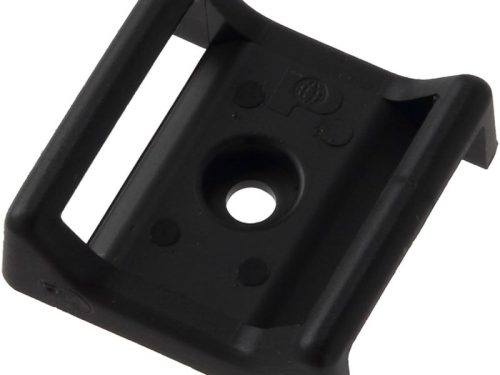 NylonTough, quiet, self-lubricating PA6, PA66, 30% glass-filled and MoS2 nylon for gears, bushings, wear pads, rollers and insulators.Learn More
-
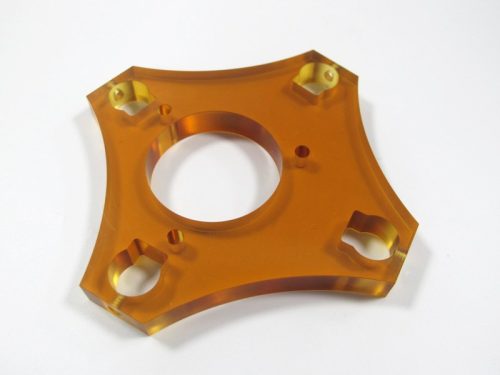 PEIUnfilled Ultem 1000 and 30% glass-filled Ultem 2300 PEI for test sockets, sterilization trays and aircraft brackets: 170 °C continuous, UL 94 V-0.Learn More
-
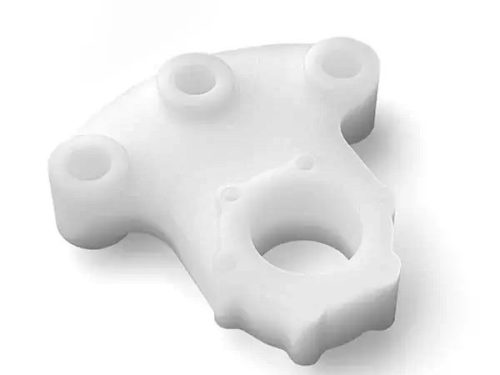 PolyethyleneUHMW-PE and HDPE: the lowest-friction, most abrasion-resistant commodity plastic, FDA compliant in natural grades, for wear strips and chain guides.Learn More

Ready to Scale Your Project?
Get started with a stable process and controlled quality. Let's discuss your project.