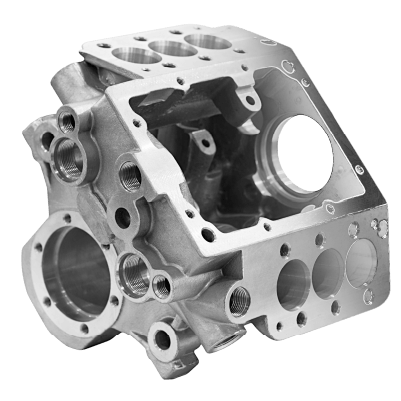









PEEK Machining Services
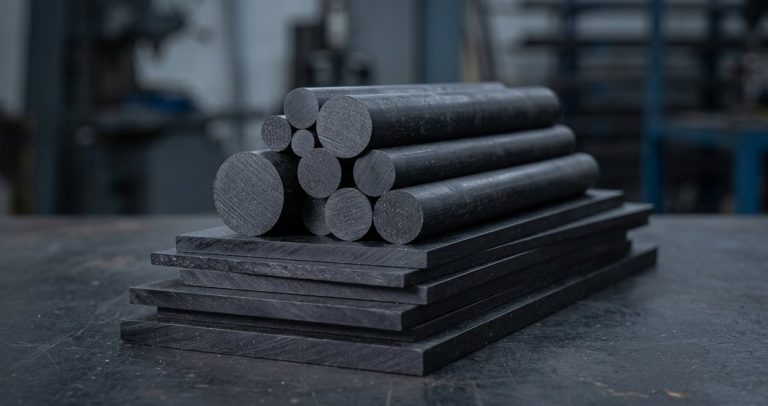
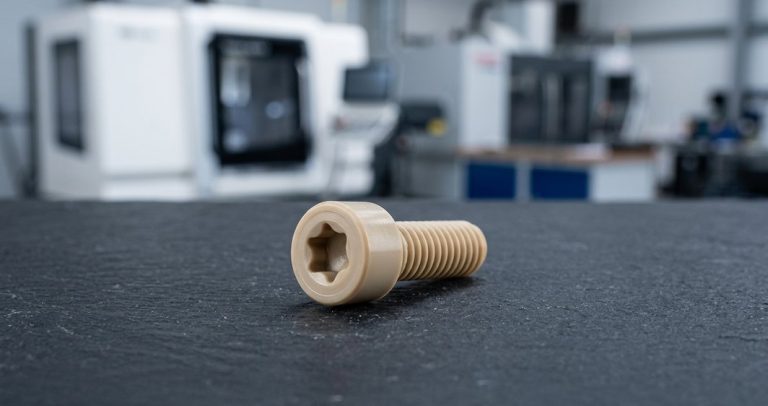
DEK's PEEK machining services cut unfilled, 30% glass-filled, 30% carbon-filled and bearing-grade PEEK into parts up to roughly 1000mm at ±0.005mm. No MOQ: one validation part or a full batch runs the same process, with prototypes in as fast as 3 days.
-
±0.005mm
Tolerance Capability
-
3 days
Prototype Turnaround
-
No MOQ
Single Part to Batch
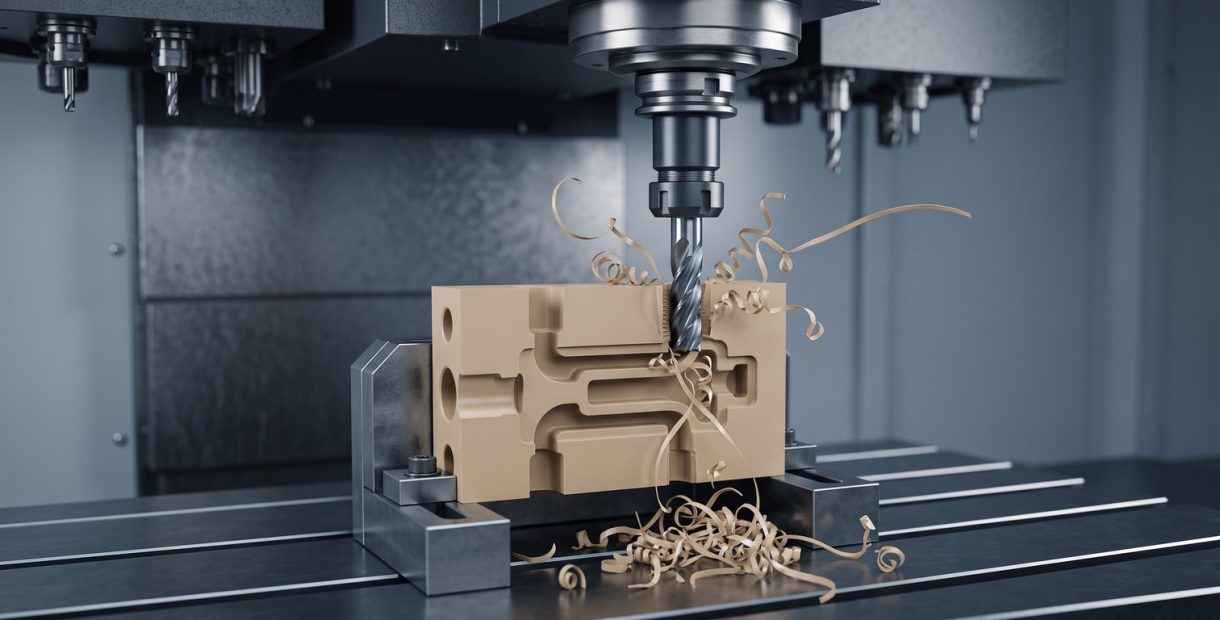

Why Choose DEK for PEEK Machining Services
PEEK keeps high-temperature stability and chemical resistance where commodity plastics fail, which justifies its cost among our engineering plastics. DEK runs every order under ISO 9001, ISO 13485 and AS9100D, with IQC, IPQC, first article inspection, OQC, SPC and CAPA.
Every PEEK order gets CMM inspection with full dimensional traceability and ships with an inspection report against your drawing. With 1.2M+ parts machined annually, DEK also machines stainless steel hardware and tool steel fixtures in the same program.
-

ISO 9001, ISO 13485 and AS9100D certified
-

CMM inspection report with every order
-

20+ years in precision machining
-

98.6%+ on-time delivery rate
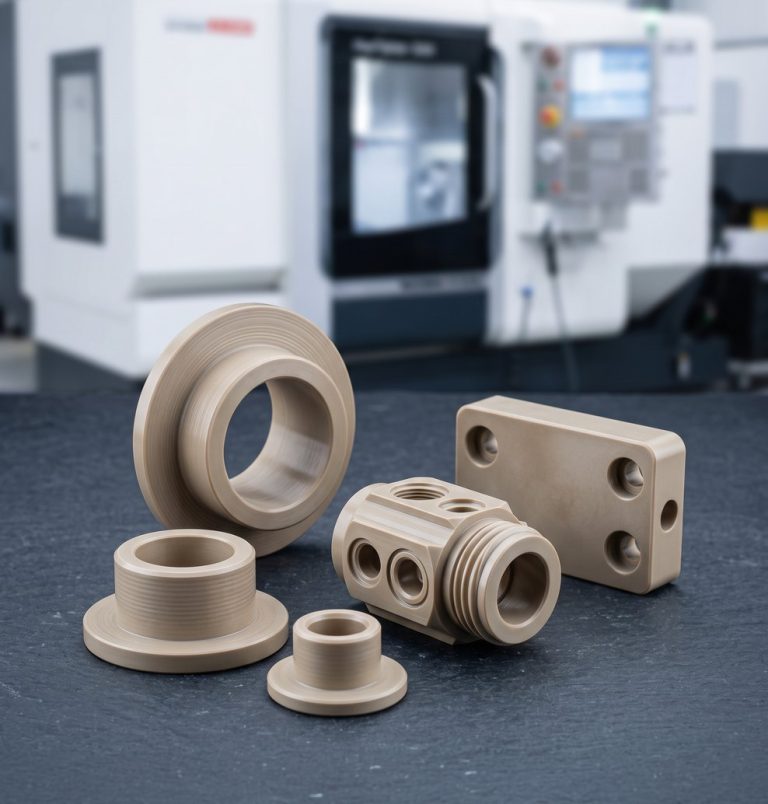
PEEK Grades We Machine
Grade selection drives both the machining approach and part performance. These are the PEEK grades we cut from stock to finished part.
-

Unfilled PEEK
Low moisture uptakeGeneral-purpose parts needing chemical resistance. Unfilled stock machines the most predictably and holds the tightest practical tolerance.
-

Glass- / Carbon-Filled
30% glass or 30% carbonGlass adds stiffness and dimensional stability under load; carbon adds wear resistance, stiffness-to-weight and electrical conductivity.
-

Bearing-Grade
Self-lubricatingLow-friction wear surfaces that run without added lubricant, and the natural choice for self-lubricating PEEK gears.
-
±0.005mm
Typical general tolerance
-
±0.003mm
Micro parts under 10mm
-
±0.01mm
Complex 5-axis profiles
-
~1000mm
Maximum part size
How PEEK CNC Machining Works at DEK
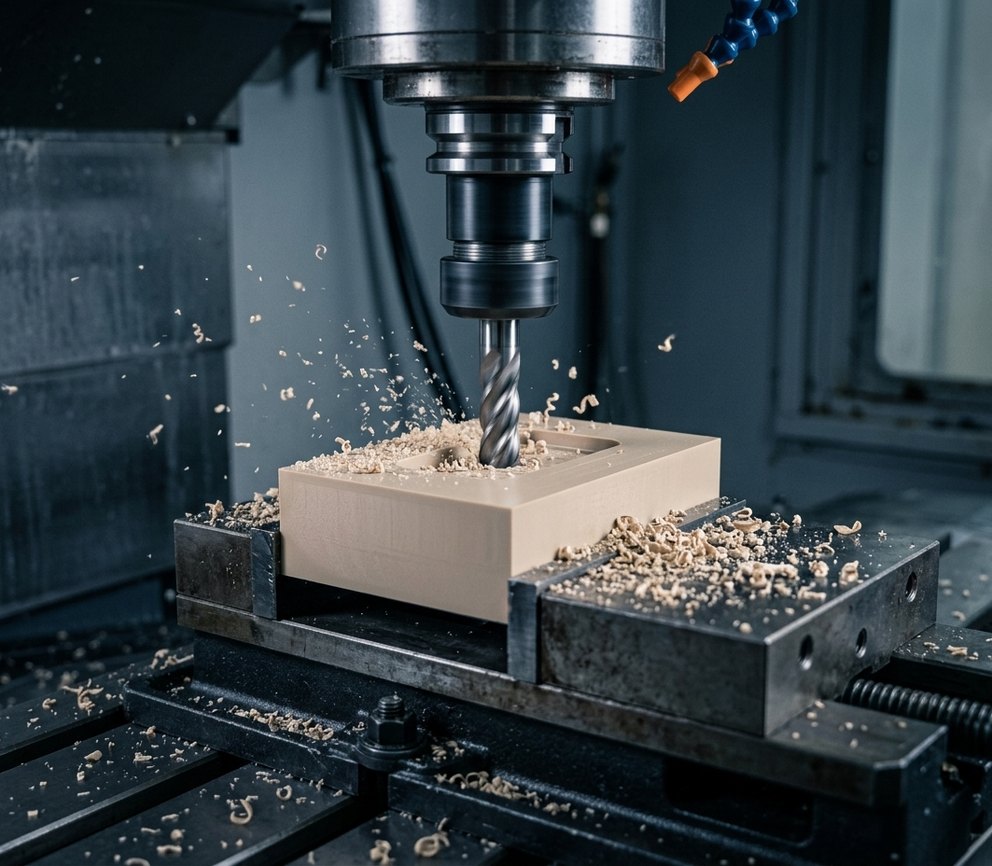
Milling and turning cut the polymer; grinding and EDM support fit-critical surfaces and fixturing, with tolerance bands set by grade.
-
1
CNC Milling
Pockets, bosses and complex 3D contours in filled or unfilled stock on CNC milling centers; complex 5-axis profiles hold to ±0.01mm.
-
2
CNC & Swiss Turning
Rotational parts by CNC turning; bar-fed Swiss turning controls deflection on micro-diameter components, held to ±0.003mm under 10mm.
-
3
Filled-Grade Tooling
Glass and carbon fibers abrade cutting edges, so we run diamond-coated tooling and slower feed rates to control the fiber-matrix interface and avoid delamination.
-
4
Grinding & Gear Cutting
Precision grinding finishes flat and cylindrical surfaces to fit-critical dimensions; gear cutting shapes low-friction PEEK gears. EDM makes fixtures only.
PEEK Machining Considerations
What our engineers weigh on grade, tolerance and batch size before a PEEK part goes to the machine.
-
1
Filled Grades & Tolerance
Fiber orientation affects how glass- and carbon-filled PEEK relaxes after cutting, so plan toward the loose end of the tolerance bands unless your application calls for tighter control.
-
2
Post-Machining Movement
Plastics move more than metal after cutting. Moisture equilibration and inspection at controlled ambient temperature make ±0.005mm repeatable rather than a one-off result.
-
3
Grade Drives Cost
Filled stock costs more than unfilled in both material and tool wear, so specify the reinforcement your load, wear or conductivity requirement actually needs.
-
4
Tolerance & Batch Size
Anything tighter than ±0.005mm adds inspection and cycle time, and prototype pricing differs from production. State grade, tolerance and batch size to speed up quote review.
When to Choose PEEK vs Delrin, PTFE or ABS
How PEEK compares with the engineering plastics buyers weigh it against most often. Full options sit under our plastic CNC machining materials.
Where PEEK Machined Parts Are Used
PEEK goes where high-temperature stability and chemical resistance justify the material cost, from cabin interiors to process equipment.
-
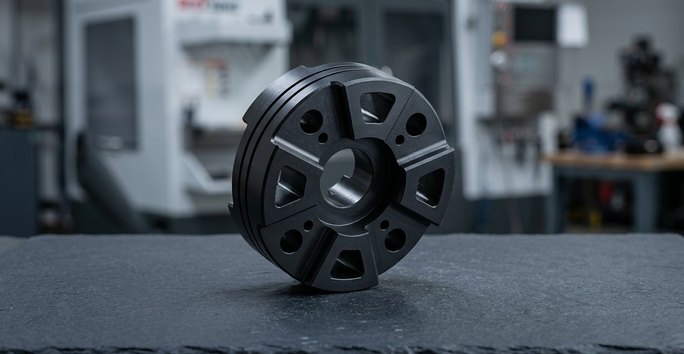 AerospaceNon-flight-critical components such as cabin interiors and structural support parts, where heat stability justifies PEEK's cost.
-
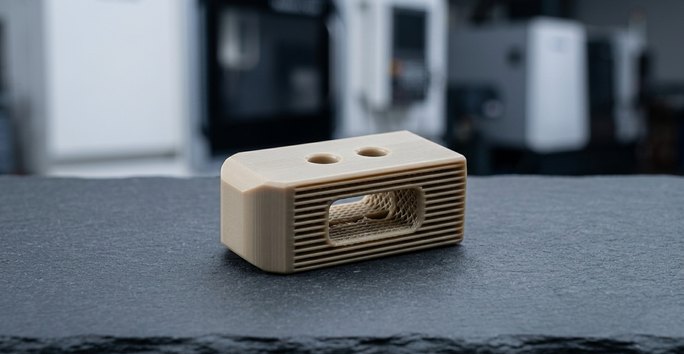 Medical DevicesMedical device parts produced under ISO 13485, using PEEK's chemical resistance and low moisture uptake for stable dimensions.
-
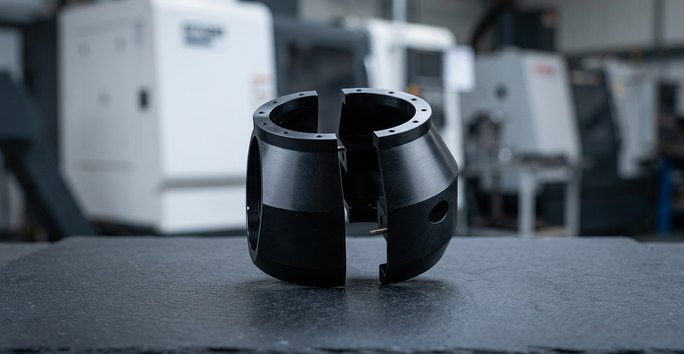 Semiconductor & AutomationSemiconductor process equipment plus robotics and industrial automation systems needing heat stability and chemical resistance.
Finishing Steps for PEEK Machined Parts
PEEK parts are supplied as CNC machining + a finishing step where fit-critical features need more control than the cut alone gives.
Need a different finish on your PEEK part? Ask our engineers
-
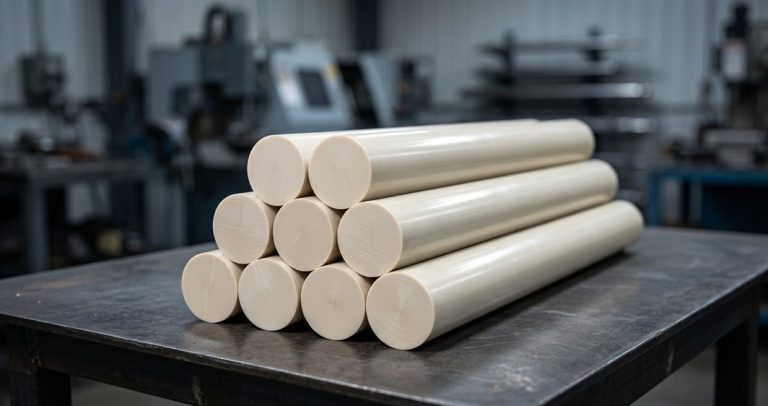 Precision grindingMost PopularCNC machining + precision grinding finishes flat and cylindrical PEEK surfaces to fit-critical dimensions after the cut.Get a Quote
-
 Gear cuttingMost PopularCNC machining + gear cutting shapes PEEK gears for self-lubricating, low-friction applications, often in bearing-grade stock.Get a Quote
-
 Moisture equilibrationMost PopularCNC machining + moisture equilibration before inspection at controlled ambient temperature keeps ±0.005mm repeatable.Get a Quote
PEEK Machining FAQs
Common questions from engineers and buyers sourcing machined PEEK parts.
Other Materials
-
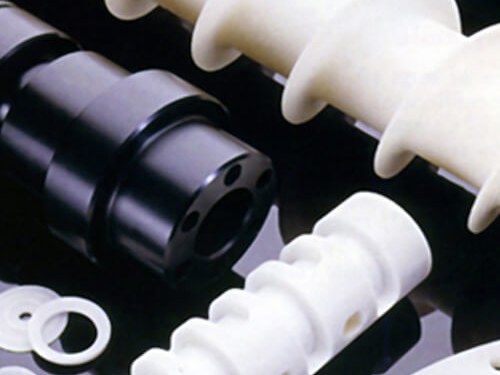 DelrinAcetal homopolymer (Delrin 150) and copolymer for gears, bushings, valve bodies and food-contact parts: clean chips, low moisture, ±0.01 mm typical.Learn More
-
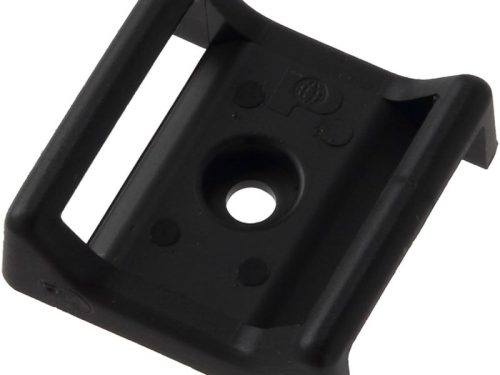 NylonTough, quiet, self-lubricating PA6, PA66, 30% glass-filled and MoS2 nylon for gears, bushings, wear pads, rollers and insulators.Learn More
-
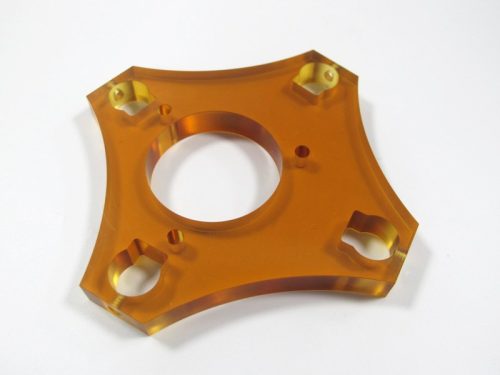 PEIUnfilled Ultem 1000 and 30% glass-filled Ultem 2300 PEI for test sockets, sterilization trays and aircraft brackets: 170 °C continuous, UL 94 V-0.Learn More
-
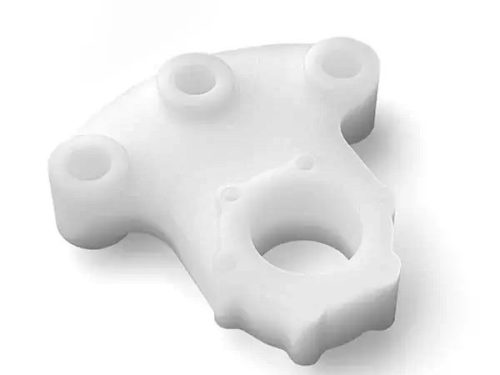 PolyethyleneUHMW-PE and HDPE: the lowest-friction, most abrasion-resistant commodity plastic, FDA compliant in natural grades, for wear strips and chain guides.Learn More

Ready to Scale Your Project?
Get started with a stable process and controlled quality. Let's discuss your project.