









ABS CNC Machining
DEK's ABS CNC machining service produces enclosures, bezels, brackets, fixtures and appearance prototypes from natural, black and flame-retardant ABS. We hold ±0.01 mm on critical features, with simple parts in as little as 1 day and no MOQ.
-
±0.01mm
Critical Features
-
1 Day
Simple Part Lead Time
-
No MOQ
1 to 10,000+ Pieces

Why Choose ABS CNC Machining at DEK?
ABS is the material product teams reach for when a part must look and feel like the production version: it machines cleanly, takes paint, plating and texture well, and costs a fraction of engineering polymers. It is one of the commodity polymers covered by our plastic CNC machining services.
We cut ABS on the same 3-, 4- and 5-axis mills that run your aluminum and steel parts, so a prototype and its metal chassis ship in one order with fit checked. ABS models are a standard output of our rapid prototyping services; see all polymers under CNC machining plastics.
-

Certified to ISO 9001:2015, ISO 13485, AS9100D
-

Engineer-reviewed quote within 6 hours
-

IQC, IPQC, FAI and OQC with CMM reports
-

Prototypes and low-volume parts since 2002
ABS Grades and Blends We Machine
From general-purpose sheet to plating-grade formulations, each ABS grade below is chosen for the job the finished part has to do.
-

Natural and Black ABS
General-purpose sheet and rodExtruded sheet and rod for enclosures and brackets; black hides tool marks on unpainted parts, natural (ivory) suits painted models.
-

Machining-grade ABS
Up to 100 mm thickLow-stress extruded plate up to 100 mm thick, chosen for machined blocks and thick enclosures that need stable stock.
-

Flame-Retardant ABS
UL 94 V-0Specified for electrical and battery enclosures where the housing must carry a UL 94 V-0 flammability rating.
-

High-Impact ABS
Drop-tested housingsThe choice for handled equipment and housings that go through drop testing before release.
-

PC/ABS Blend
Up to 110 °CHigher heat resistance and impact strength than standard ABS, used for automotive interior and power-tool prototypes.
-

Plating-Grade ABS
Butadiene-rich formulationSelect it when appearance parts need chrome or nickel electroplating rather than paint, for decorative consumer and automotive parts.
-
±0.01 mm
Features under 50 mm
-
±0.05 mm
Large thin enclosures
-
Ra 0.8–1.6
As-machined finish, µm
-
3–5 days
Prototype lead time
ABS Machining Capabilities at DEK
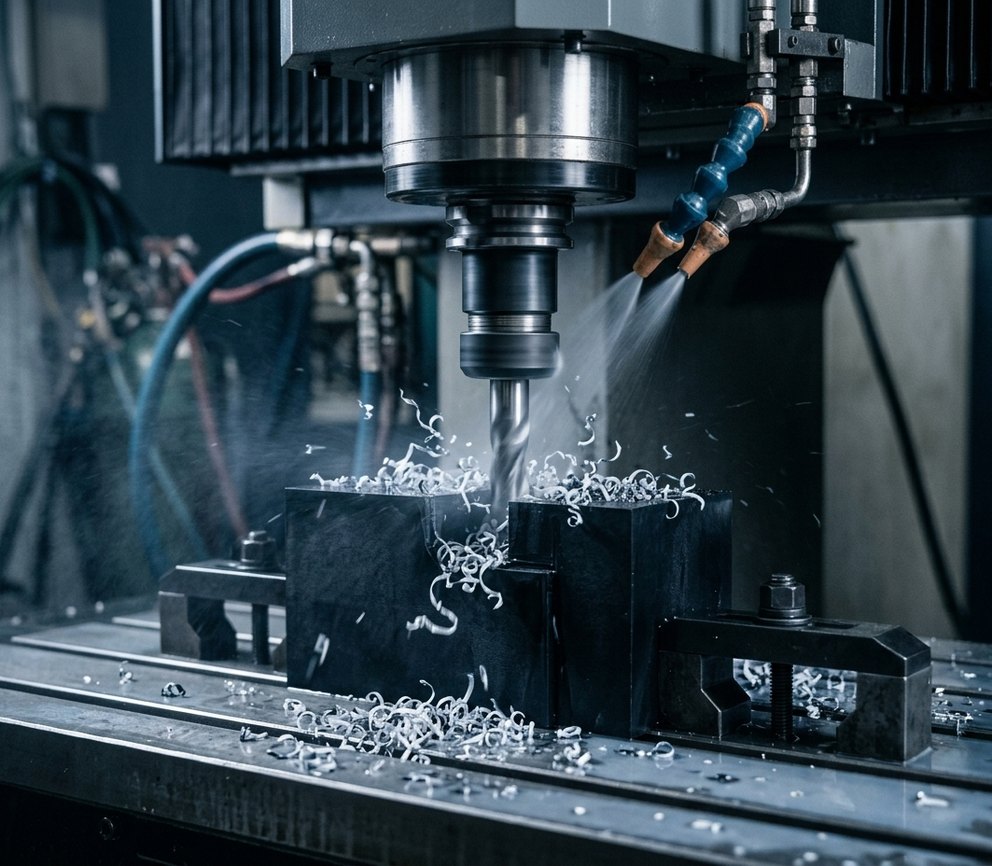
ABS is soft (Rockwell R105), so we run high spindle speeds with sharp, polished-flute tooling and light clamping to cut it rather than push it.
-
1
CNC Milling
3-, 4- and 5-axis CNC milling for enclosures, housings, panels, snap-fit features and living hinges in ABS sheet and block.
-
2
CNC Turning
CNC turning for knobs, spacers, bobbins and rollers, cut from ABS rod with sharp tools that prevent smearing.
-
3
Tapping & Insert Bores
Drilling and tapping, plus heat-set insert bores sized for the brass inserts used in production parts, so hardware transfers straight across.
-
4
Engraving & Text Milling
Engraving and text milling for legends and logos; supporting work includes solvent bonding of multi-part enclosures and EMI shielding paint.
Design & Machining Tips for ABS
What our engineers check on every ABS drawing to keep thin enclosures flat, fits correct and cost under control.
-
1
Annealing Thin Sheet Parts
Extruded ABS sheet carries directional stress that warps thin enclosures after one face is pocketed. We anneal blanks at 70–80 °C for walls under 2.5 mm or large flat covers, and rough both sides first.
-
2
Thermal Expansion
At 80 µm/m·K, ABS expands 3.5 times more than aluminum. A 300 mm cover grows 0.5 mm more than its aluminum chassis over a 20 °C swing; slot the mounting holes.
-
3
Tolerancing Prototypes
We hold ±0.01 mm on small rigid features and ±0.05 mm on large thin parts. When the prototype stands in for a production plastic part, tolerance it to that drawing (typically ±0.1–0.2 mm) to cut cost.
-
4
Sharp Corners and Edges
Machined internal corners carry the cutter radius, so call out where a 0.5 mm radius is acceptable. External edges get a 0.3 mm chamfer to resist chipping under paint.
-
5
Thin Walls
Design 1.0 mm minimum and 1.5 mm preferred on walls over 50 mm long. We machine 0.8 mm with a backing fixture, but it will not survive handling on an appearance model.
-
6
Snap Fits and Inserts
Machined ABS snaps survive a few cycles only. Size heat-set insert bores to match the production part so the hardware transfers straight to production.
ABS Prototype Machining vs PC, Nylon, Aluminum
Machine ABS for 1–500 pieces with production-grade properties and ±0.05 mm or better; 3D printing suits complex internal geometry under 10 pieces.
| Criteria | This MaterialABS | Polycarbonate | Nylon | Aluminum |
|---|---|---|---|---|
| Use for | Opaque parts | Clear parts | Gears, bushings | Metal parts |
| Max temp | 75 °C | 120 °C | – | – |
| Toughness | Lower | 2–3× tougher | – | – |
| Wear | Lower | – | Better | – |
| Painting | Better | – | – | – |
| Cost | Cheaper | Higher | – | – |
| Clarity | Opaque | Transparent | – | – |
Industries Using ABS CNC Machining
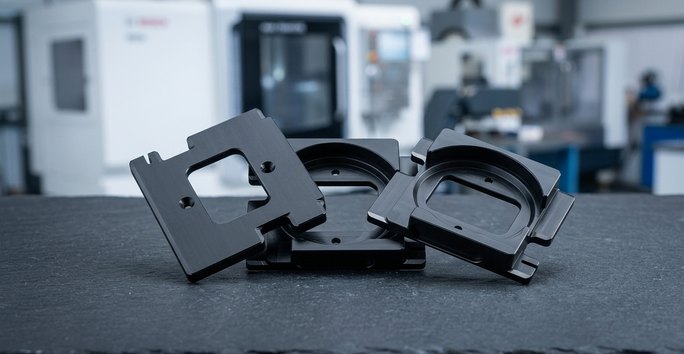
ABS parts move from appearance models to low-volume production across consumer, electronics, automotive and robotics programs.
-
 Consumer ProductsAppliance housings, remote shells, wearables and audio enclosures, plus appearance models for design reviews.
-
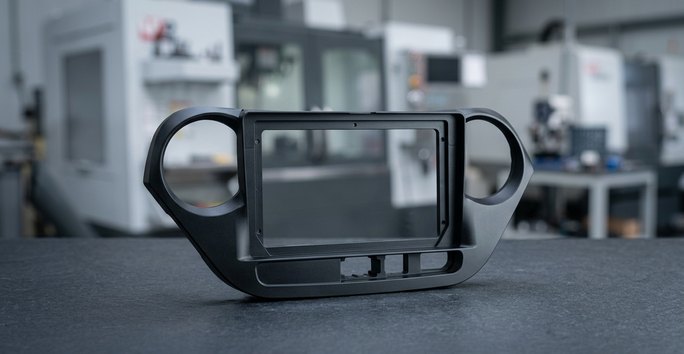 ElectronicsDevice enclosures, bezels and keypad frames machined in ABS, including covers finished with EMI shielding paint.
-
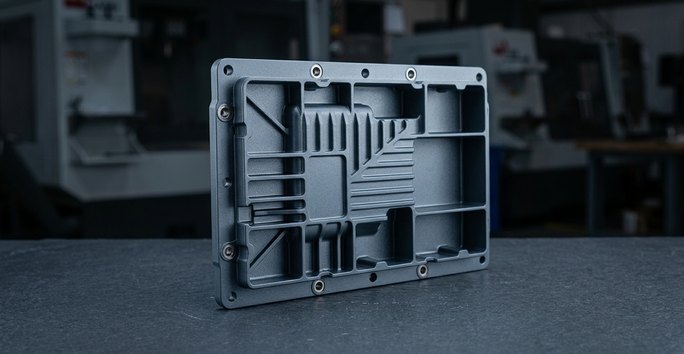 TelecomEMI-painted covers and enclosures for telecom hardware, machined to fit the metal chassis they mount on.
-
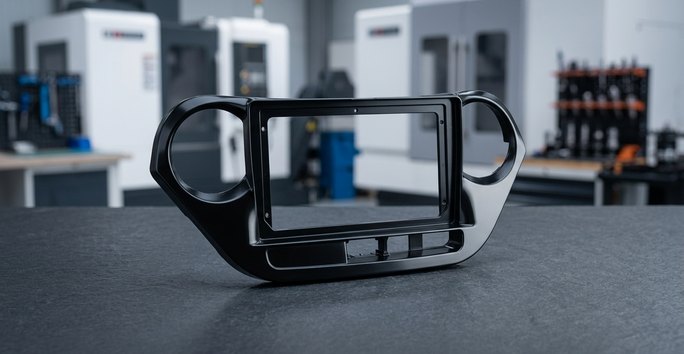 AutomotiveInterior trim prototypes, console parts and HVAC ducts, often machined in PC/ABS for its higher heat resistance.
-
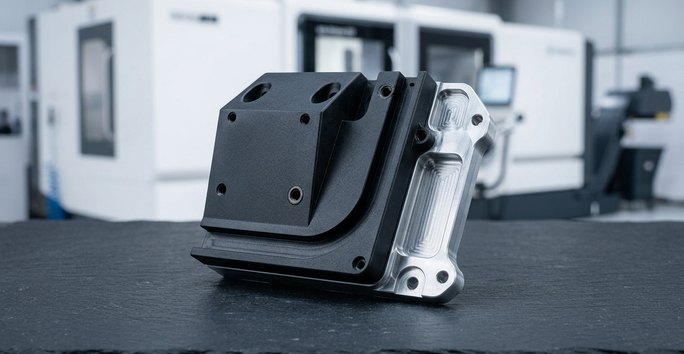 Robotics & DronesCovers, sensor mounts and cable guides for robots and drones, assembled onto machined aluminum chassis.
-
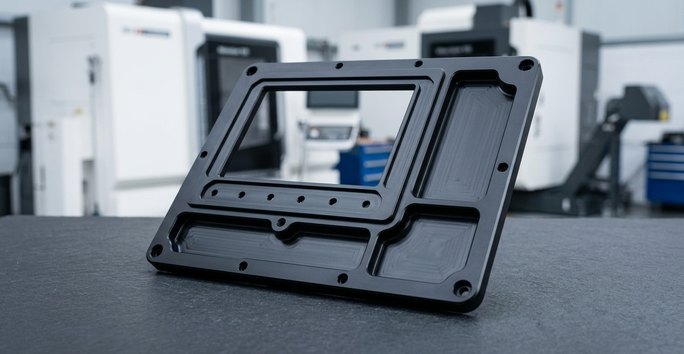 Industrial EquipmentControl panel fascias and protective covers for industrial machines, painted or left in black ABS to hide tool marks.
Finishing Options for Machined ABS Parts
Each finish is applied to ABS after CNC machining, ready for design review or low-volume sale. Anodizing does not apply to ABS.
Need a finish not listed here? Ask our engineers.
-
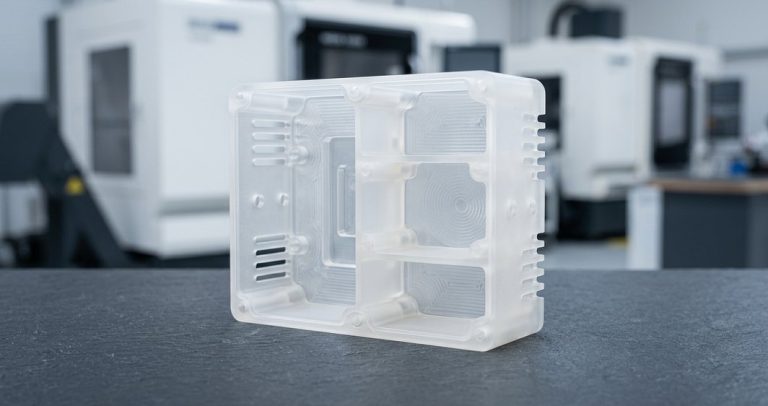 Sanding and PrimingStandardCNC machining plus sanding and priming removes tool paths before paint; standard on every appearance model.Get a Quote
-
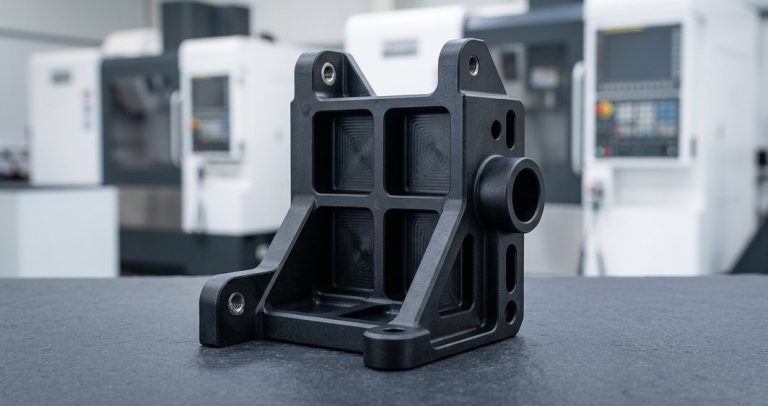 PaintingMost PopularMachined ABS accepts most solvent- and water-based paints without adhesion promoter; soft-touch, textured and color-matched.Get a Quote
-
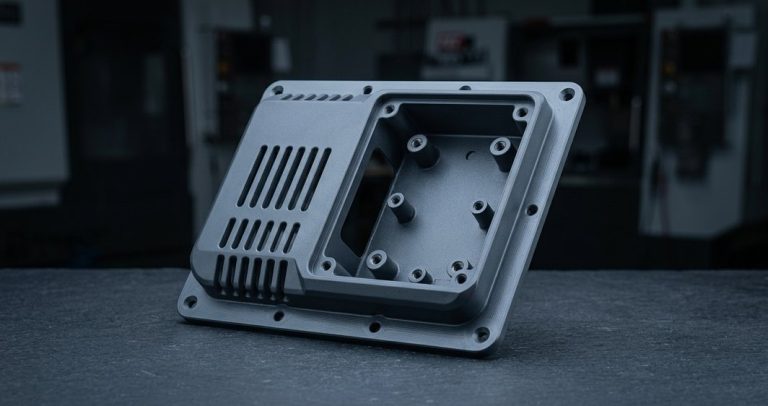 ElectroplatingMost PopularChrome, nickel and copper plated on machined plating-grade ABS for decorative appearance parts.Get a Quote
-
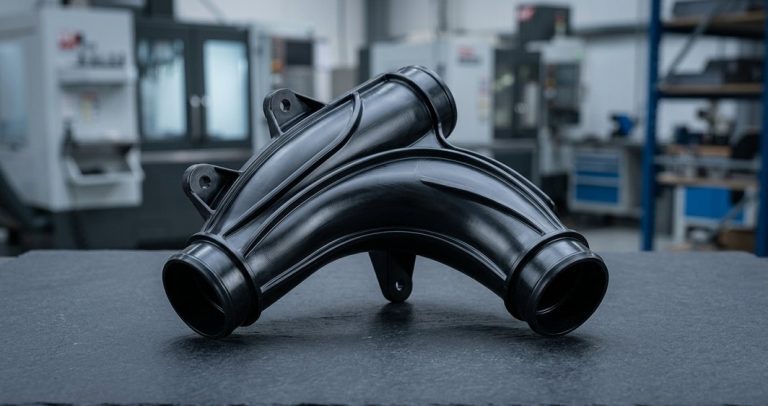 Bead BlastingMost PopularA uniform matte texture over the machined ABS surface that mimics a production plastic finish.Get a Quote
-
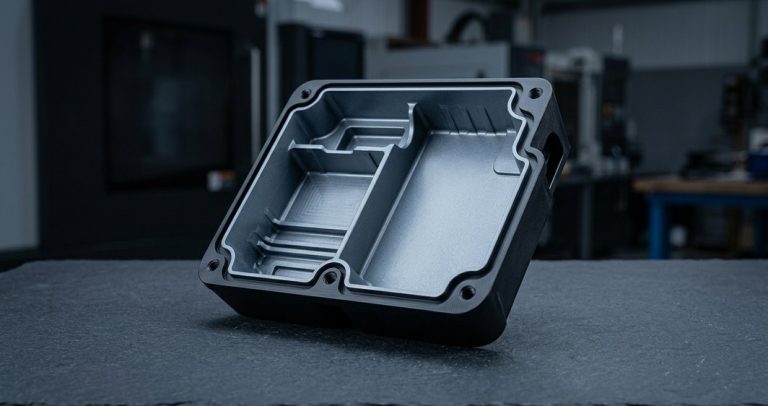 Laser MarkingMost PopularLogos and legends marked on machined ABS parts; pad printing and hot stamping are also available.Get a Quote
ABS CNC Machining FAQ
Answers to the questions engineers ask before ordering machined ABS prototypes.
Other Materials
-
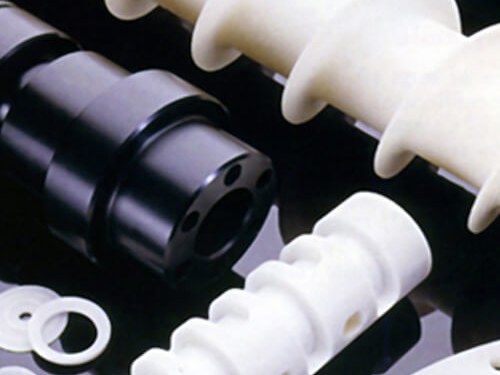 DelrinAcetal homopolymer (Delrin 150) and copolymer for gears, bushings, valve bodies and food-contact parts: clean chips, low moisture, ±0.01 mm typical.Learn More
-
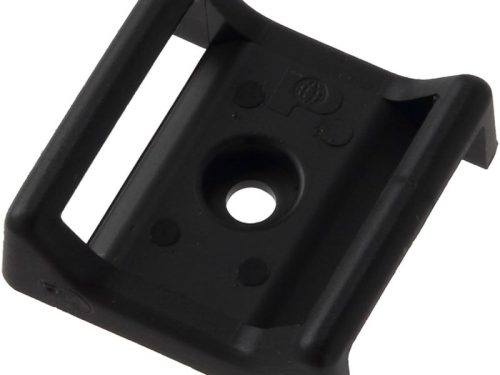 NylonTough, quiet, self-lubricating PA6, PA66, 30% glass-filled and MoS2 nylon for gears, bushings, wear pads, rollers and insulators.Learn More
-
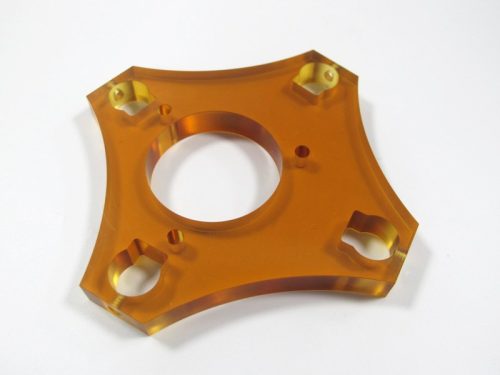 PEIUnfilled Ultem 1000 and 30% glass-filled Ultem 2300 PEI for test sockets, sterilization trays and aircraft brackets: 170 °C continuous, UL 94 V-0.Learn More
-
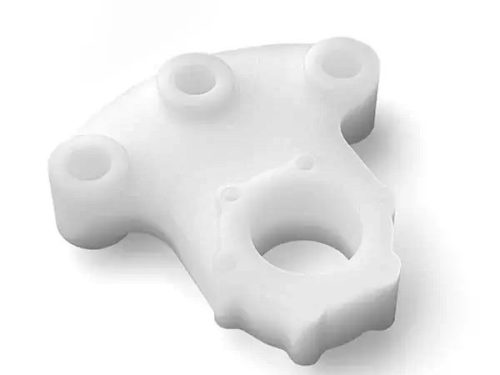 PolyethyleneUHMW-PE and HDPE: the lowest-friction, most abrasion-resistant commodity plastic, FDA compliant in natural grades, for wear strips and chain guides.Learn More

Ready to Scale Your Project?
Get started with a stable process and controlled quality. Let's discuss your project.








