









Swiss Machining Cost: Prices & What Affects Them

WRITTEN BY
Dany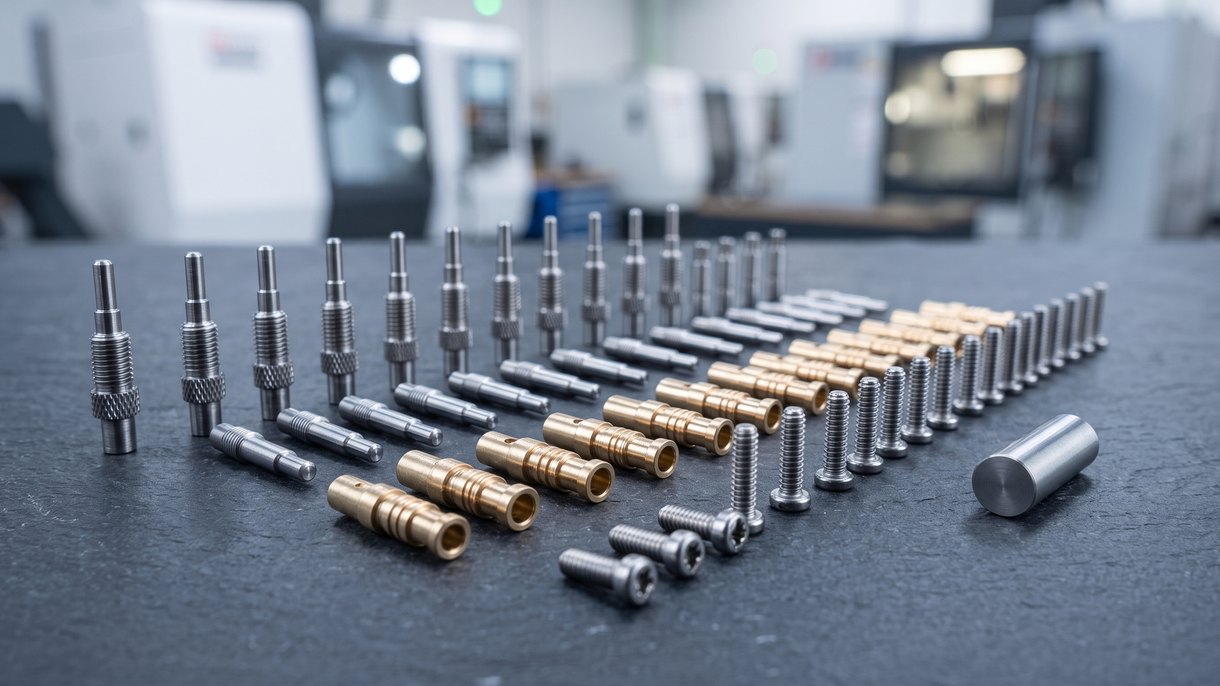
Swiss machining costs typically run from under $1 to $5 per piece for simple, high-volume small-diameter parts, up to $20–$100+ per piece for complex, multi-feature components made in smaller batches. Setup and programming fees tend to run higher than standard turning because of the guide bushing and tool-arrangement work involved, but they amortize quickly once the bar feeder is running unattended.
How Much Does Swiss Machining Cost?
These are general industry ranges, not a fixed quote; actual pricing depends on the shop, region, material, and how the part is designed. What's consistent across shops is the shape of the cost curve: Swiss-type turning trades a heavier upfront setup cost for a much lower marginal cost per part once the machine is running.
| Part Profile | Typical Batch Size | Per-Part Cost Range | Setup/Programming Fee |
|---|---|---|---|
| Simple turned pin or standoff, single diameter | 5,000–50,000+ | Under $1 – $5 | $150 – $400 |
| Multi-diameter shaft with threading, knurling, cross-holes | 500–5,000 | $5 – $20 | $400 – $900 |
| Complex micro part, tight coaxiality, multiple secondary ops | Under 500 | $20 – $100+ | $600 – $2,000+ |
Industry shop-rate references and machinist forums commonly cite $75–$150 per hour for Swiss-type turning in the US, with offshore shops often quoting lower. That rate typically bundles machine time, programming amortization, tooling wear, and operator oversight; it's rarely broken out as a line item on a quote, since Swiss work is usually priced per part or per job rather than by the hour.
A Worked Example
A stainless steel pin (0.25 in diameter, 1.5 in long, with a shoulder and a rolled thread) runs a cycle time of roughly 40 seconds per piece at a shop rate near $90/hour, which works out to about $1.00 in machine time plus roughly $0.20 in bar stock, or $1.20 in variable cost per part. A $300 setup fee spread across a batch of 500 adds $0.60 per part, landing near $1.80 each. The same $300 setup spread across 10,000 pieces adds only $0.03 per part, dropping the landed cost to about $1.23 each; at that volume the setup fee barely moves the per-part price, which is the core economic argument for running larger batches through Swiss equipment.
A Swiss quote often looks front-loaded because the guide bushing and live-tool arrangement have to be dialed in before the first good part comes off the bar. On short runs that setup cost spreads across fewer pieces, which is why Swiss-type turning rarely makes economic sense below a few hundred units unless the part's geometry genuinely needs the sliding-headstock support and precision that swiss machining options provide.
What Drives Swiss Machining Cost?
Four variables move the price more than anything else on a Swiss-turned quote: part diameter, tolerance, material, and batch size, plus how many operations happen in one setup versus getting routed to a second machine.
Part Diameter & Bar Stock Length
Swiss-type lathes are built around bar stock fed through a guide bushing, and that bushing has a fixed diameter range per setup. Parts that fit comfortably under roughly 1.5 in in diameter machine efficiently on Swiss equipment; anything larger forces either a bushing change (added setup cost) or a move to standard turning altogether, which changes the cost basis entirely. Long, thin parts with a high length-to-diameter ratio are exactly where Swiss earns its premium; the continuous support at the cutting zone prevents the deflection that would otherwise ruin a slender part on a conventional lathe.
Tolerance & Precision Requirements
Tolerance is the biggest lever on price after batch size. Shops offering micro-precision Swiss work (DEK lists this as a stated capability) commonly quote general tolerances around ±0.01 mm, tightening to as fine as ±0.003 mm on sub-10 mm micro features as a premium option, since each additional decimal point demands slower feed rates and more inspection time. It pays to specify the loosest tolerance a feature can actually function with rather than defaulting to the tightest number on the drawing template.
Material
Brass, stainless steel, and free-machining alloys are common choices for Swiss-turned parts because they cut cleanly at the high spindle speeds these machines run. Harder or gummier materials slow feed rates and increase tool wear, both of which raise cost. Brass turned parts machine faster than most alternatives when the application allows it; where corrosion resistance matters more, stainless steel turned parts cost more per cycle but avoid a separate coating step.
Batch Size / Volume
This is where Swiss machining's economics flip in your favor. The setup (guide bushing selection, tool staging, first-piece inspection) is a fixed cost regardless of whether the order is 200 parts or 20,000. Spread across a large batch, that fixed cost per piece shrinks fast, which is why per-part pricing at volume can undercut almost any other turning method for small, complex parts. No minimum order quantity requirement stands between a small first order and a production run; the setup logic just changes how much of that cost lands on each part.
Secondary Operations & Finishing
Threading, knurling, cross-drilling, and back-working a part with a sub-spindle can all happen in the same Swiss setup, in one cycle, without unloading the part. Each operation that stays on the machine avoids the cost and cycle time of routing the part to a second machine or a manual finishing station, one of the real economic advantages of the process over farming operations out separately.
How Much Does It Cost to Have Something Machined?
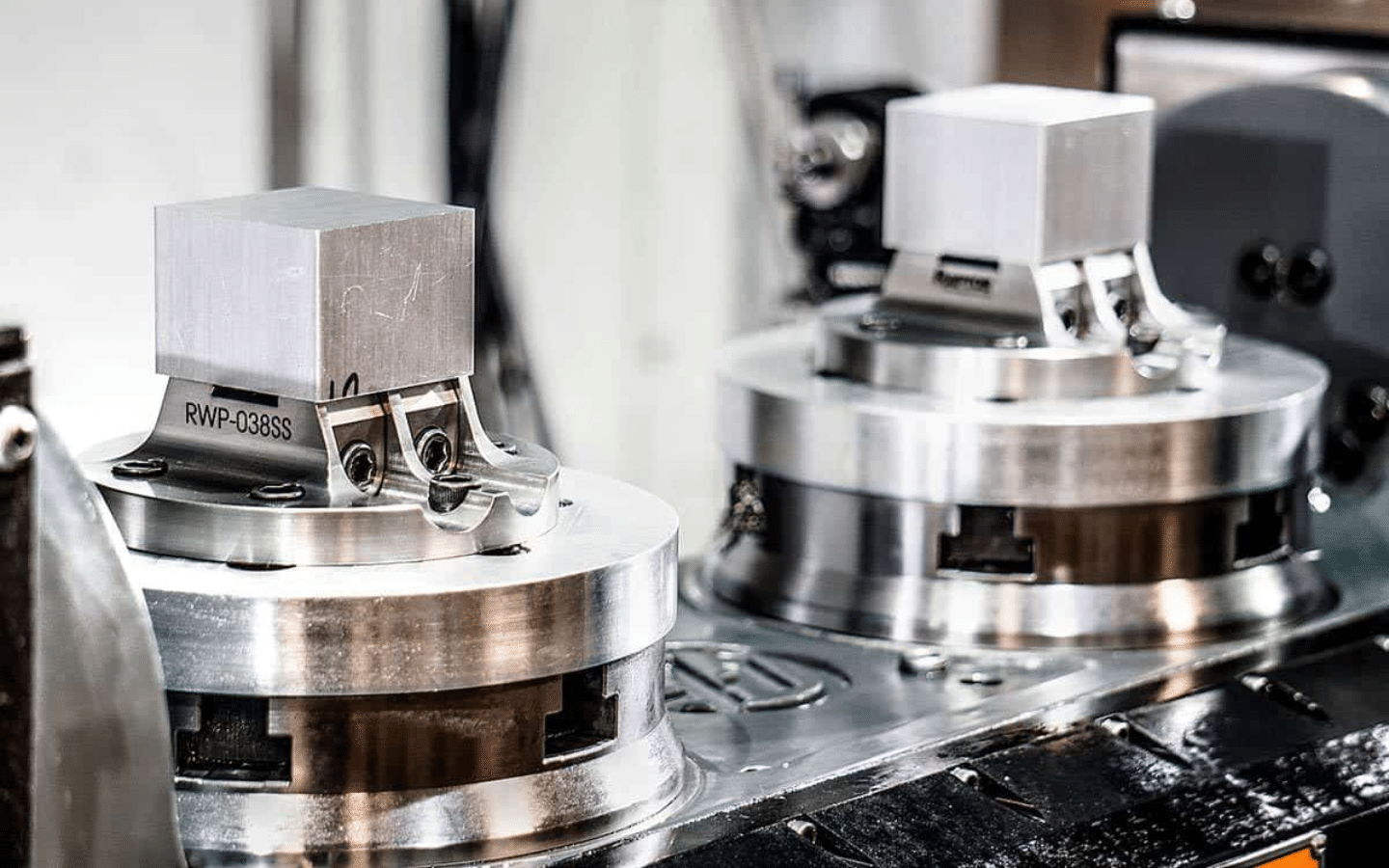
General CNC machining costs span a wide range, from a couple of dollars for a simple bar-fed component to several hundred dollars for a large, complex, low-volume part. The main drivers are the same everywhere: material cost and machinability, tolerance requirements, batch size, and how much setup and secondary work the part needs. Those same CNC machining cost drivers apply across CNC Milling Cost: All You Need to Know and Cnc Turning Cost: Prices & What Affects Them, with the mix of factors shifting per project.
Swiss machining sits at the precision, small-diameter end of that spectrum. It rarely competes on price for large or simple parts, but for slender, multi-feature components at volume, it often beats general machining methods on total cost once setup is amortized.
Swiss Machining vs. Standard CNC Turning: Cost Comparison
Swiss-type lathes cost more to set up than a standard turning center. The guide bushing has to be matched to the bar diameter, live tools need to be staged around the cutting zone, and first-piece verification takes longer because of the tighter tolerance bands the process is usually chosen for. That setup premium is real, and it's why a one-off or very small batch is often cheaper on a standard lathe.
The trade-off reverses at volume. Once a Swiss job is running, the sliding headstock and guide bushing support the bar through multiple simultaneous operations with minimal operator intervention, so throughput on small, complex parts climbs quickly. Standard CNC turning cost follows a flatter setup curve and suits larger-diameter or geometrically simpler parts better, since the extra support Swiss offers isn't doing much work on those geometries.
Local vs. Overseas Swiss Machining Shops
A shop machining locally usually turns around a small trial batch fastest, since there's no international shipping lag involved, useful when parts are needed in hand quickly. Sourcing from an overseas shop typically lowers the per-part price at volume, particularly on labor- and setup-heavy jobs, but adds transit time to the total lead time. For prototype quantities where speed matters more than unit price, a nearby shop often wins; once a design is locked and the batch size grows, per-part savings from an overseas partner can outweigh the extra shipping days.
How to Reduce Swiss Machining Costs
- Design within standard bar-stock diameters. Staying under the common guide-bushing range avoids a bushing change or a shift to a different machine altogether.
- Batch orders where possible. Since setup is the dominant fixed cost, combining smaller orders into fewer, larger releases lowers the per-part price meaningfully.
- Avoid over-specifying tolerance. Reserve the tightest call-outs for the features that are actually fit-critical; loosen everything else to the functional requirement.
- Keep operations on the machine. Threading, knurling, and cross-drilling done in the same Swiss setup avoid the cost of a second operation or manual finishing pass.
- Get design-for-manufacturing feedback early. A quick DFM review before finalizing the drawing often catches a feature that's driving cost without adding function.
- Weigh rapid alternatives for very small counts. For a handful of prototype units, comparing rapid options such as 3D printing or short-run CNC prototyping against a full Swiss setup fee often turns up a cheaper path before committing to bar-fed production.

Get a Swiss Machining Quote
Getting an accurate number starts with a drawing that shows diameter, length, tolerance call-outs, material, and target batch size; those five details change the price more than any general range can. DEK's Swiss CNC turning capabilities cover micro-precision bar work in 50+ metals and engineering plastics, with no minimum order quantity and prototype lead times as fast as 3 days, backed by ISO 9001, ISO 13485, and AS9100D certification. Send the drawing through contact for a quote scoped to the actual part.
FAQ
How much does a Swiss machine cost?
Buying a Swiss-type CNC lathe outright typically runs from the low tens of thousands into six figures depending on axis count and tooling capacity; that's a capital equipment purchase, separate from paying a shop to machine parts. Having parts Swiss-machined is priced per part or per job, based on the part's design and quantity, not on the machine's purchase price.
What does a machinist charge per hour?
Shop rates vary widely by region, machine type, and job complexity, and most shops quote a per-part or per-job price rather than a straight hourly rate for production work. Hourly figures are more useful for estimating your own in-house costs than for comparing outsourced quotes, since the quoted price already bundles setup, cycle time, and inspection.
What does a Swiss machinist do?
A Swiss machinist programs and operates sliding-headstock lathes that feed bar stock through a guide bushing while multiple tools cut, drill, and thread the exposed material in one setup. The role includes selecting the right guide bushing and tooling for the part, monitoring tool wear on long runs, and verifying first-piece dimensions before a batch runs unattended.
Is Swiss machining more expensive than standard CNC turning?
Setup is usually more expensive on Swiss-type lathes because of the guide bushing and tool staging involved. Per-part cost, however, often ends up lower than standard turning once a batch is large enough to spread that setup cost, especially for slender, multi-feature parts that need the extra support Swiss provides.
Is there a minimum order quantity for Swiss machining?
Not necessarily: some shops, including DEK, quote Swiss-turned jobs with no minimum order quantity. That doesn't mean the per-part price stays flat at any volume; smaller orders simply carry more of the fixed setup cost per piece than a larger production run would.
WRITTEN BY
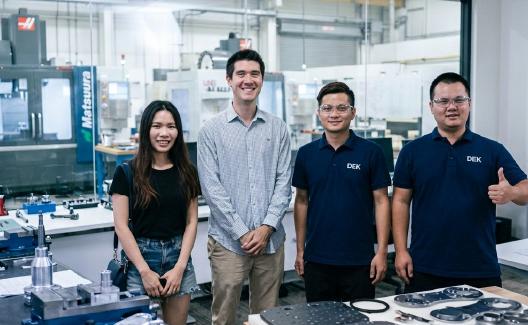
Dany supports major international clients, ensuring smooth communication, drawing interpretation, and project coordination. She is familiar with small-batch machining workflows and cross-team collaboration. In her spare time, she enjoys food, travel, and discovering new places.
Related Posts
-
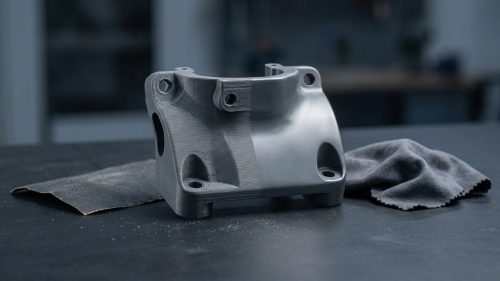 3D Printing Surface Finish: 9 Methods to Smooth 3D Printed Parts
-
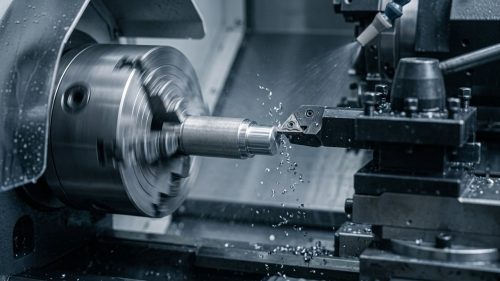 Machining Kovar: Tips for Sealing-Grade Parts
-
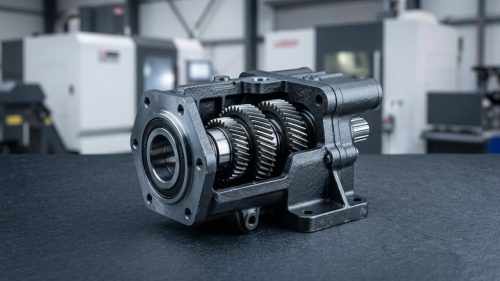 CNC Machining Cast Iron : All You Need to Know
-
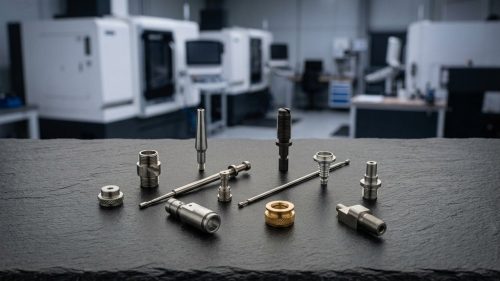 CNC Turning Stainless Steel : The Ultimate Guide
-
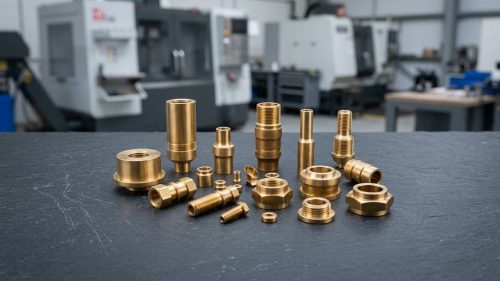 Machining Brass: Grades, Speeds and Design Tips
-
 How to Choose the Right Flange Type for Your Application
-
 CNC Machining UHMW-PE : A Comprehensive Guide
-
 CNC Machining Polycarbonate(PC) : All You Should Know
-
 How To Spray Paint Aluminum: A Complete Guide

Ready to Scale Your Project?
Get started with a stable process and controlled quality. Let's discuss your project.








