






Rapid Prototyping: What It Is, Examples, and What It Costs

WRITTEN BY
Dany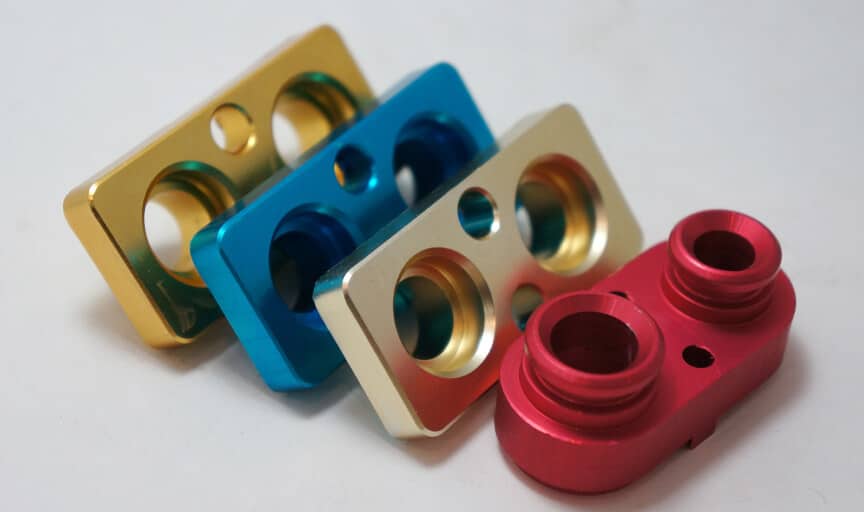
What Is Rapid Prototyping?
Rapid prototyping is a group of fabrication methods (CNC machining, 3D printing, urethane casting, and sheet metal forming among them) used to turn a CAD file into a physical part in days instead of the weeks or months a full production tooling cycle takes. It exists so engineers can hold, test, and revise a design before committing to hard tooling or a production run.
Traditional prototyping typically builds toward the same tooling and processes the final product will use, so a design change means reworking a mold or die, slow and expensive. Rapid prototyping skips or defers that tooling investment. A revision costs a new CAD file and a new part, not a new mold, which is why teams lean on it whenever a design is still moving.
How Rapid Prototyping Works
The workflow is short by design:
- CAD design: the engineer models the part and flags the features that matter most: critical dimensions, mating surfaces, load paths.
- Method selection: the right process depends on material, geometry, quantity, tolerance, and what the part needs to prove (does it just need to look right, or does it need to survive a load test?).
- Fabrication: the part is cut, printed, or cast, depending on the method chosen.
- Test and iterate: the part goes through fit, function, or field testing, and the results feed straight back into the next CAD revision.
Because each loop is short, teams typically run several iterations before locking a design for production, something a tooled process can't support economically.
Types of Rapid Prototyping Methods
3D Printing / Additive Manufacturing
3D printing builds a part layer by layer straight from a 3D model, with no tooling required. It's the fastest route to a rough concept model or a form-and-fit check, especially for organic geometries that would be difficult to machine. Material properties in printed parts generally trail those of machined metals and plastics, so it suits early-stage concept models more than parts that need to survive real mechanical or thermal loads. Resin, nylon, and other printable polymers each behave differently once printed; the 3D Printing Service breaks down which material fits which use case.
CNC Machining
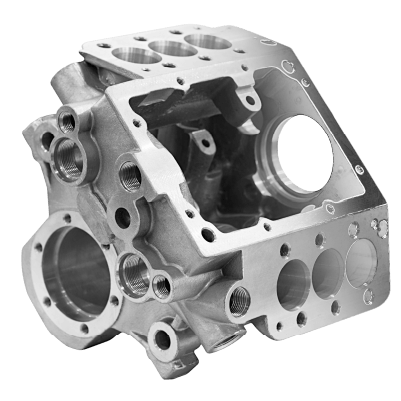
CNC machining is a subtractive process: cutting a solid block of metal or plastic down to the finished geometry with a mill or lathe. It works directly in the same engineering-grade materials the final product will ship in (aluminum, stainless and alloy steels, titanium, PEEK, PTFE, and dozens of others) so it's the method of choice whenever a prototype needs to survive load, heat, vibration, or chemical exposure testing rather than just look right on a shelf.
Standard CNC machining typically holds a general tolerance around ±0.025–0.05 mm across a part. Tighter figures are reserved for specific critical features, not the whole part: as tight as ±0.005 mm on fit-critical surfaces, ±0.01 mm profile control on complex 5-axis geometry, and ±0.003 mm on small, sub-10 mm precision features. Calling out which features actually need that precision (rather than tightening the whole drawing) keeps a prototype quote from ballooning. Milling and turning across 3 to 5 axes handle this stage directly; prototype CNC options walks through when to use which.
Urethane Casting, Sheet Metal, and Other Methods
- Urethane (vacuum) casting uses a silicone mold pulled from a master pattern to produce a handful to a few hundred rubber-like or rigid plastic parts without cutting production tooling.
- Sheet metal fabrication cuts, bends, and joins flat stock into brackets, panels, and enclosures, useful when the production part itself will be sheet metal.
- Waterjet cuts thick plate cleanly, laser handles thin sheet with a fine kerf, and plasma cuts structural stock fast; Main 5 Ways to Cut Metal for Parts Manufacturing breaks down which fits which prototype.
What Are Examples of Rapid Prototyping?
Rapid prototypes generally fall into four fidelity levels, each answering a different question:
- Proof-of-concept block: a rough part, machined or printed with no finish, built only to check basic form and fit.
- Looks-like model: matches the final appearance, color, and texture but not necessarily the final material or strength, useful for trade shows or investor demos.
- Works-like functional prototype: built in a production-representative material to validate load, fit, thermal, or electrical performance. This is where CNC machining earns its place, since it can use the actual target alloy or plastic rather than a substitute.
- Pre-production validation part: built with the intended finish, tolerances, and material, checked against the full engineering drawing before a production run is released.
Concrete, industry-recognizable examples of each:
- Aerospace: a CNC-machined aluminum or titanium bracket, cut to the real drawing tolerances and run through fit-check and load testing before it's cleared for a non-flight-critical cabin or structural support application. Materials and qualification steps specific to aerospace parts are detailed in the aerospace prototyping guide and aerospace prototyping services.
- Medical devices: a machined stainless steel or PEEK device housing tested for dimensional fit and sterilization tolerance before the geometry is locked for production.
- Robotics: a machined aluminum enclosure or joint bracket tested for weight, thermal path, and mounting-hole alignment on an actual robot chassis before a production run is committed.
Benefits of Rapid Prototyping
- Faster iteration: design changes take days, not the weeks a new mold or die requires.
- Lower cost per iteration: no tooling investment to write off if a revision is needed.
- Real design validation: functional prototypes in engineering materials catch fit, tolerance, and material problems before they reach a production line.
- Reduced production risk: issues surface on a single low-cost part instead of an entire tooled run.
- Easier stakeholder buy-in: a physical part settles design debates faster than a rendering.
How Much Does Rapid Prototyping Cost?
There's no single price because too many variables move independently. What actually drives the number:
- Method: 3D printing is usually the cheapest entry point for a simple concept model; CNC machining costs more per part at very low volumes but delivers production-grade material properties; urethane casting sits in between for runs of a few dozen to a few hundred units.
- Material: common engineering plastics cost less to machine or print than metals; alloys like titanium or Inconel cost more in both raw material and machine time than aluminum or mild steel.
- Part complexity and tolerance: tight tolerances and multi-axis geometry add machine time. A flat bracket costs less to prototype than a part with internal channels, undercuts, or sub-±0.01 mm profile control.
- Quantity: unit cost drops as order size grows because setup and programming time is spread across more parts, even though total material spend rises.
- Finishing: skipping anodizing, plating, or painting on a proof-of-concept part keeps the invoice down; a looks-like or pre-production part usually needs the real finish to validate correctly.
- Lead time: DEK's stated prototype lead time is as fast as 3 days once a design is ready to machine, which is worth planning around rather than paying a rush premium later.
To put rough numbers on it, take a simple ~100 mm aluminum mounting bracket with a few holes and a moderate bend or pocket, a typical part on an early design review:
| Method | Typical single-unit cost* | Best for |
|---|---|---|
| 3D printing (resin/nylon) | ~$30–$150 | Quick form/fit check, no load requirement |
| CNC machining (aluminum) | ~$150–$400 | Functional testing in the real target material |
| Urethane casting (small mold + units) | ~$800–$2,000 total for a short run, dropping fast per unit past the first few | A few dozen to a few hundred identical parts, no metal needed |
*Figures are typical market ranges for a part of this size and complexity, not a quote; actual pricing depends on the factors above.
For a closer breakdown of process-specific pricing, CNC Milling Cost: All You Need to Know and turning cost walk through milling and turning line items separately.
Send a drawing over and get a project-specific number instead of estimating from general factors; request a quote.
Rapid Prototyping vs. Traditional Manufacturing
| Criteria | Rapid Prototyping | Traditional Manufacturing |
|---|---|---|
| Speed | Days to a couple of weeks per iteration | Weeks to months, driven by tooling lead time |
| Tooling cost | None to minimal (no hard tooling required) | Significant upfront investment in molds, dies, or fixtures |
| Best volume | One-off to low/mid volume, no MOQ | Mid to high volume, where tooling cost amortizes across units |
| Design flexibility | High: a revision is a new file, not a new tool | Low once tooling is cut; changes are costly and slow |
Fidelity fits into this too: low-fidelity proof-of-concept parts and high-fidelity pre-production parts both count as rapid prototyping; the difference is how closely the part matches the final material, finish, and tolerance, not the manufacturing method itself.
Choosing the Right Rapid Prototyping Partner
Before handing over a drawing, check for:
- Materials offered: real engineering metals and plastics, not just a couple of default resins.
- Tolerance capability: confirm the tightest tolerance stated actually covers your critical features, not just a general claim.
- Lead time: get an actual number of days quoted for your part, not a marketing range.
- No-MOQ flexibility: needed for one-off prototypes and small validation batches before a design is finalized.
- Quality certifications: ISO 9001, AS9100D, and ISO 13485 matter if the part will ever feed into an aerospace or medical program, since those standards govern the traceability and inspection records that follow the part downstream.
Thin walls and tight internal geometry often need design adjustments to stay machinable; 7 Tips for CNC Machining Complex Parts covers the fixes that avoid a full redesign.

Related Cost Guides
Swiss-type turning has its own cost drivers once parts shrink and precision tightens; see machining cost. Once a prototype clears validation and moves toward a production run, pricing logic shifts again, covered in on demand manufacturing.
DEK runs CNC milling (3-, 4-, and 5-axis), Swiss-type and standard CNC turning, EDM, and precision grinding across 50+ metals and engineering plastics under ISO 9001, ISO 13485, and AS9100D certification, with no MOQ on orders. Full capability details sit on the CNC rapid prototyping capabilities page; send over a drawing for a specific quote and lead time.
FAQ
What is rapid prototyping?
Rapid prototyping is a set of fabrication methods (CNC machining, 3D printing, urethane casting, and similar processes) used to turn a CAD design into a physical part quickly, without cutting production tooling first. It lets teams test and revise a design before committing to a full manufacturing run.
What are examples of rapid prototyping?
Common examples include a proof-of-concept block used only to check basic form, a looks-like model for demos, a works-like functional prototype machined in the real target material for load or fit testing, and a pre-production validation part checked against the final drawing before a production run.
Is rapid prototyping a skill?
It's a process, not a single skill. Doing it well draws on several skills at once: CAD modeling, design-for-manufacturing knowledge, and hands-on familiarity with fabrication methods like CNC machining, 3D printing, and casting, rather than one specific technique someone masters on its own.
What are the four types of prototyping?
They're commonly grouped as proof-of-concept, looks-like, works-like, and pre-production/validation prototypes. Each represents a step up in how closely the part matches the final product's material, finish, and tolerance, moving from a rough form check toward a part ready to greenlight for production.
WRITTEN BY
Dany supports major international clients, ensuring smooth communication, drawing interpretation, and project coordination. She is familiar with small-batch machining workflows and cross-team collaboration. In her spare time, she enjoys food, travel, and discovering new places.
Related Posts
-
 15 Common Types of Welding Defects
-
 Making Sheet Metal Brackets: Ultimate Guide
-
 Electric Discharge Machining (EDM): How It Works, Types, Materials, Tolerances and Costs
-
 10 Tips for CNC Machining a Bracket with Tight Tolerance
-
 CNC Machining Polycarbonate(PC) : All You Should Know
-
 CNC Machining Cost: A Complete Pricing Guide (2026)
-
 CNC Machining Tungsten Carbide: Everything You Should Know
-
 Swiss Machining Cost: Prices & What Affects Them
-
 Vapor Polishing Services

Ready to Scale Your Project?
Get started with a stable process and controlled quality. Let's discuss your project.