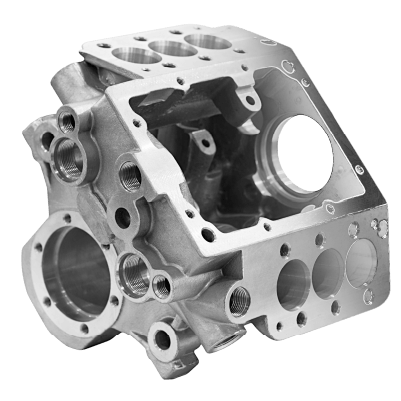









Delrin (30% Glass Filled)
Delrin (30% Glass Filled) is a specific type of Delrin reinforced with 30% glass fiber filler. Delrin is also known as polyoxymethylene (POM), a high-performance engineering thermoplastic.
-
145 MPaUltimate Tensile Strength(UTS)
-
120 MPaYield Strength(0.2% offset)
-
124 RockwellHardness
-
210 MPaFlexural and Impact Strength
At a Glance
-

Material Type
Plastic -

Material Name
Delrin (30% Glass Filled) -

Process Compatibility
CNC Machining, Injection Molding
Properties Table of Delrin (30% Glass Filled)

- Ultimate Tensile Strength(UTS) 145 MPa
- Yield Strength(0.2% offset) 120 MPa
- Hardness 124 Rockwell M
- Flexural and Impact Strength 210 MPa(Flexural)
- Modulus of Elasticity 4.1 GPa
- Elongation at Break 3.5%
- Creep and Wear Resistance Excellent
- Machinability and Moldability Good
- Physical Properties
- UV Resistance Good
- Ductility and Flexibility Low
- Density and Weight 1.6 g/cm³
- Chemical Resistance Good
- Porosity Low
- Thermal Properties
- Maximum Service Temperature 120°C
- Thermal Expansion Coefficient 60-701 x 10^-6/°C
- Thermal Conductivity 0.34 W/(m·°C)
- Electrical Properties
- Electrical Resistivity 10^13-10^14 Ω·cm
- ESD Safety Good
Applications of Delrin (30% Glass Filled)
-
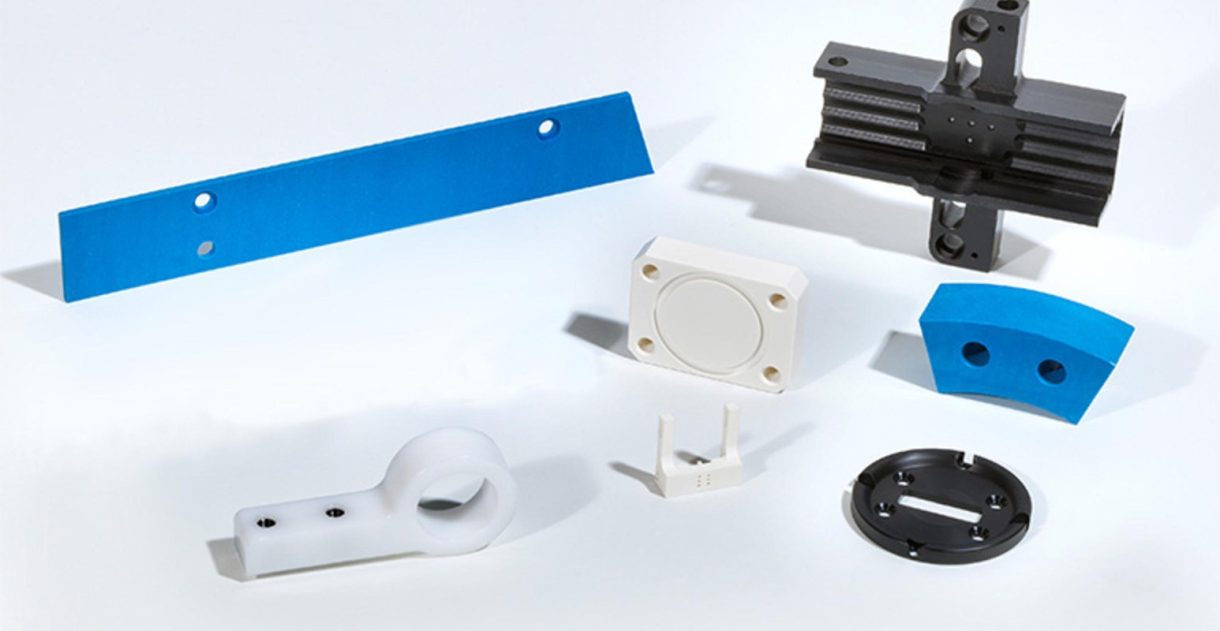
 Gears and bearings
-
 Bushings
-
 Automotive fuel system components
-
 Medical device components
-
 Aerospace components
-
 Valve components
-
 Timing screws
-
 Fasteners
Advantages of Delrin (30% Glass Filled)
Advantages of Delrin (30% Glass Filled)
- High strength and stiffness
- Excellent dimensional stability
- Low friction and wear
- Good chemical resistance
- Low moisture absorption
- High impact resistance
- Good machinability
- Wide temperature range
- FDA-compliant for certain grades
- Electrical insulating properties
-
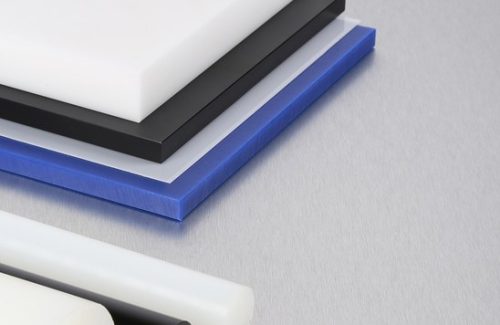 Raw Stock
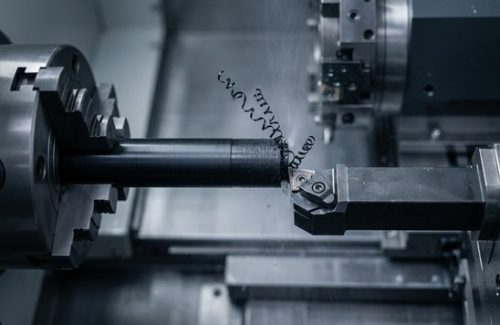 CNC Machined
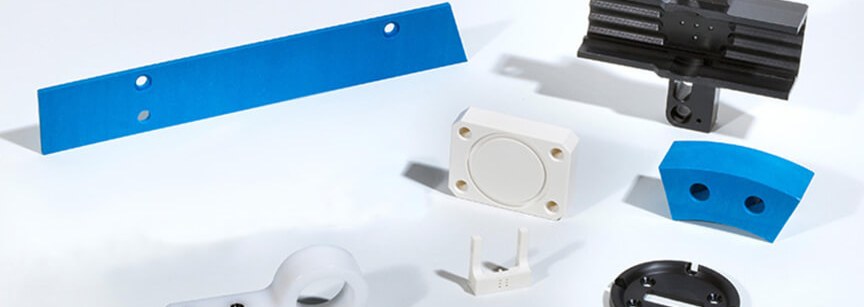 Finished Parts


Delrin 30 Glass Filled — Machining Notes
FAQ
Does Delrin (30% Glass Filled) crack easily?
Delrin (30% Glass Filled) has high strength and stiffness. It is resistant to cracking under normal operating conditions. However, its performance can be influenced by temperature, stress, and environmental conditions.
What are the dangers of Delrin (30% Glass Filled)?
Delrin (30% Glass Filled) is generally considered safe for various applications. However, like any material, handling it with care during the machining process is important. Excessive heat generation during machining may release fumes, so proper ventilation is recommended. Additionally, the material may generate fine particles during machining, necessitating appropriate personal protective equipment.
Does Delrin (30% Glass Filled) sink in water?
Delrin (30% Glass Filled) has a density greater than water, so it typically does not float. Instead, it tends to sink in water.
What is a cheap alternative to Delrin (30% Glass Filled)?
A cost-effective alternative to Delrin (30% Glass Filled) could be unfilled Delrin or other acetal copolymers with different filler percentages.
Can you melt Delrin (30% Glass Filled)?
Delrin (30% Glass Filled) has a relatively high melting point, around 347°F (175°C). While it is possible to melt Delrin under controlled conditions, it is not a common practice due to the potential for degradation and loss of material properties. Machining processes involving cutting and shaping are typically preferred for working with Delrin (30% Glass Filled) rather than melting.
Other Materials
-
 Delrin AF (13% PTFE Filled)Delrin AF (13% PTFE Filled) is a type of plastic material that combines the properties of Acetal (polyoxymethylene) with the added benefit of polytetrafluoroethylene (PTFE) filler.Learn More
-
 Delrin 150Delrin 150 is a specific grade of Delrin that offers enhanced mechanical properties compared to the standard grade.Learn More

Ready to Scale Your Project?
Get started with a stable process and controlled quality. Let's discuss your project.