








Copper C110
Copper C110, also known as electrolytic tough pitch (ETP) copper, is a commercially pure copper alloy with high thermal and electrical conductivity.
-
220-280 MPaUltimate Tensile Strength
-
60-240 MPaYield Strength
-
115-120 GPaYoung's Modulus(Elasticity)
-
9-30 %Elongation at Break
At a Glance
-

Material Type
Metal -

Material Name
Copper C110 -

Alternative Names
C11000 | CU ETP | Oxygen-free high thermal conductivity (OFHC) copper -

Process Compatibility
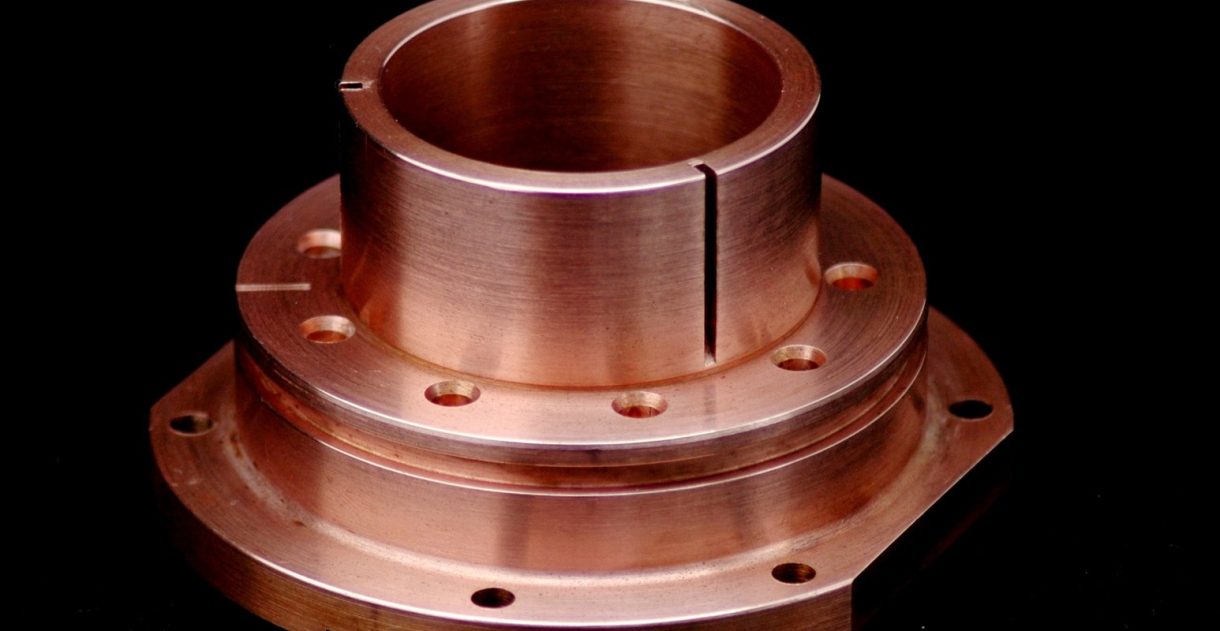
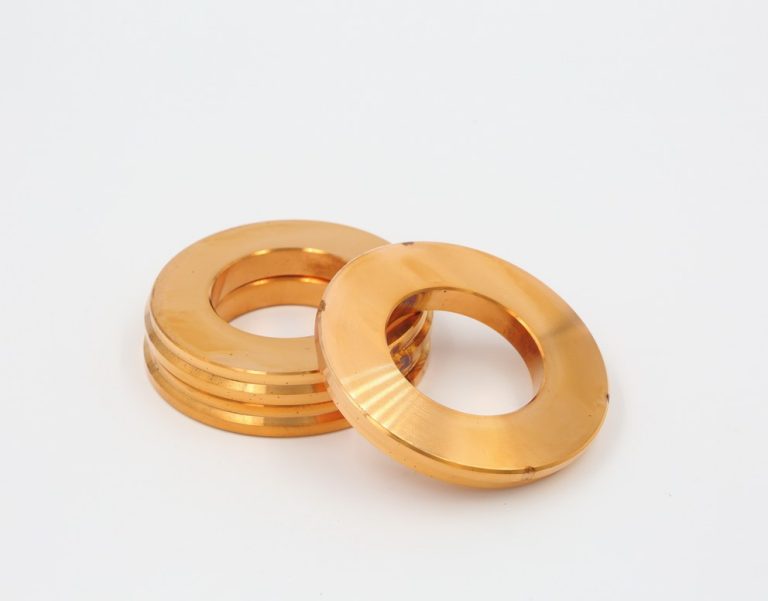
CNC Milling, CNC Turning
Properties Table of Copper C110

- Ultimate Tensile Strength 220-280 MPa
- Yield Strength 60-240 MPa
- Young's Modulus(Elasticity) 115-120 GPa
- Elongation at Break 9-30%
- Physical Property
- Weldability Moderate to Poor
- Thermal Property
- Thermal Expansion Coefficient 17-17.7 x 10^-6/°C
- Thermal Conductivity 380-388 W/(m·°C)
- Electrical Property
- Electrical Resistivity 1.71-1.76 μΩ*cm
Applications of Copper C110
-
 Electrical connectors
-
 Plumbing fittings
-
 Heat exchanger tubes
-
 Antimicrobial surfaces
-
 Automotive radiators
-
 Electronic components
-
 Musical instruments
-
 Architectural elements
Advantages of Copper C110
Advantages of Copper C110
- Excellent electrical conductivity
- High thermal conductivity
- Corrosion resistance
- Ductility and malleability
- Good mechanical strength
- Easy to solder and weld
- Biostatic (antimicrobial properties)
- Recyclable
-
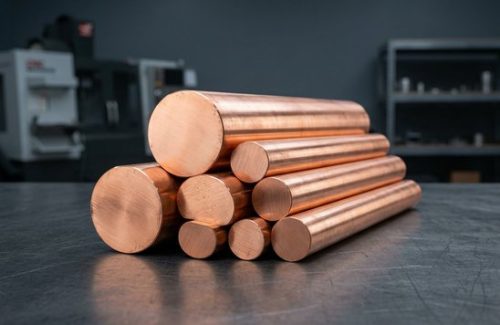 Raw Stock
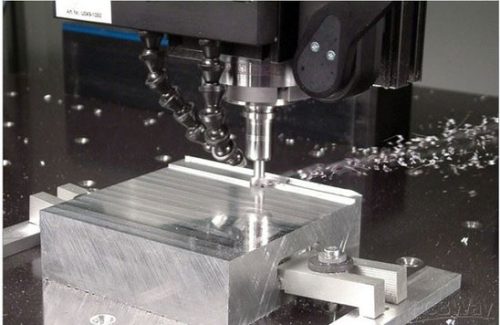 CNC Machined
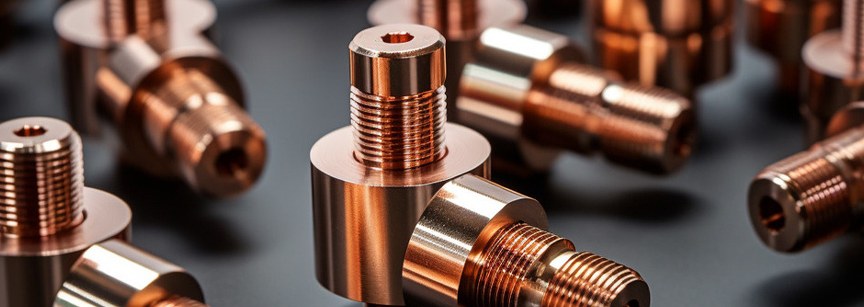 Finished Parts


Copper C110 — Machining Notes
FAQ
Is copper C110 oxygen-free?
Yes, C110 copper is oxygen-free. It is classified as electrolytic tough pitch (ETP) copper, indicating high purity and minimal oxygen content.
What is the difference between Copper 101 and C110?
They refer to different grades or alloys of copper. Copper 101 is oxygen-free electronic copper, while Copper 110 is electrolytic tough-pitch copper.
What is the difference between C102 and C110 copper?
C102 and C110 are both copper alloys, but their composition differs. C102 has a higher oxygen content than C110.
Other Materials

Ready to Scale Your Project?
Get started with a stable process and controlled quality. Let's discuss your project.