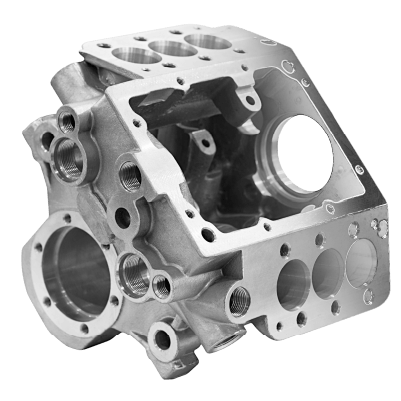









Copper C101
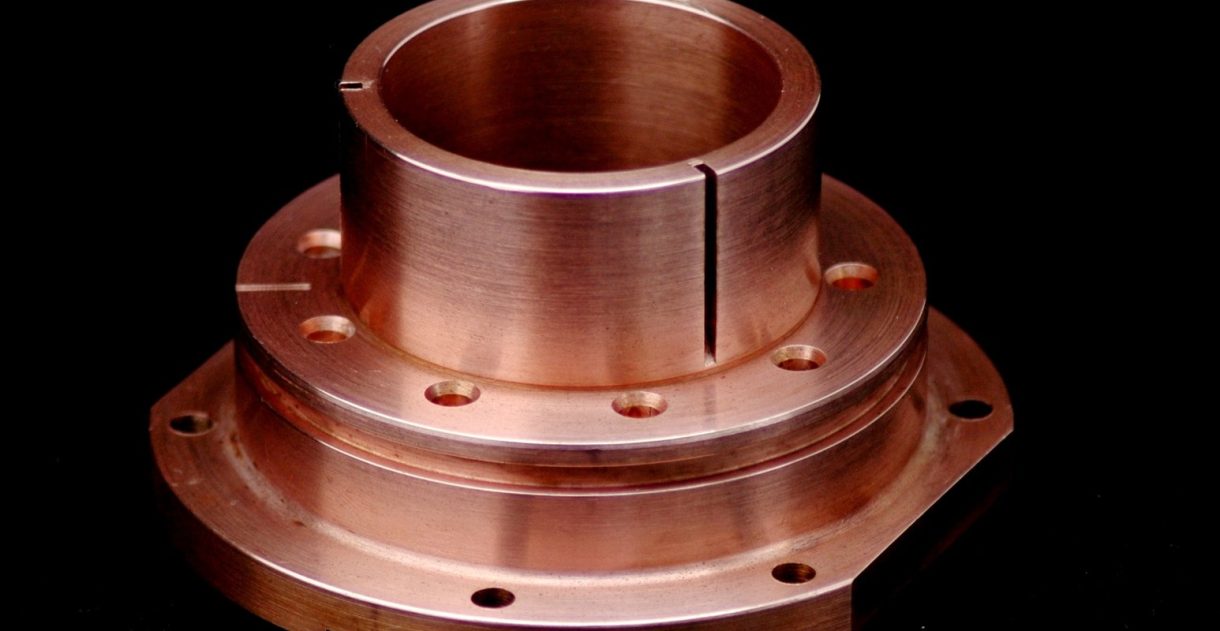
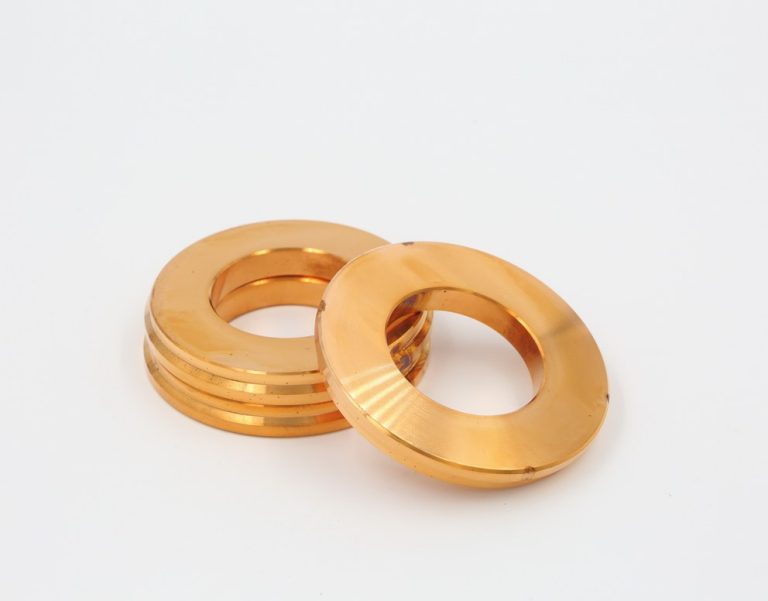
Copper C101, also known as oxygen-free electronic (OFE) copper, is a high-purity copper alloy with excellent electrical conductivity and thermal conductivity.
-
220-280 MPaUltimate Tensile Strength
-
60-240 MPaYield Strength
-
125-135 GPaYoung's Modulus(Elasticity)
-
9-30 %Elongation at Break
At a Glance
-

Material Type
Metal -

Material Name
Copper C101 -

Alternative Names
C10100 | CU OFE | OFHC -

Process Compatibility
CNC Milling, CNC Turning
Properties Table of Copper C101

- Ultimate Tensile Strength 220-280 MPa
- Yield Strength 60-240 MPa
- Young's Modulus(Elasticity) 125-135 GPa
- Elongation at Break 9-30%
- Physical Property
- Magnetism Semi-magnetic
- Weldability Poor
- Thermal Property
- Maximum Service Temperature 77-87°C
- Thermal Expansion Coefficient 16.8-17.3 x 10^-6/°C
- Thermal Conductivity 390-398 W/(m·°C)
- Electrical Property
- Electrical Resistivity 1.7-1.74 μΩ*cm
Applications of Copper C101
-
 Electrical connectors
-
 Conductive springs
-
 Heat exchangers
-
 Plumbing fittings
-
 Electrical cables
-
 Printed circuit boards (PCBs)
-
 Architectural roofing
-
 Musical instruments (brass instruments)
Advantages of Copper C101
Advantages of Copper C101
- High electrical conductivity
- Good thermal conductivity
- Ductile and malleable
- Corrosion resistance
- Antimicrobial properties
- Ease of joining
- Recyclability
- Aesthetic appeal
-
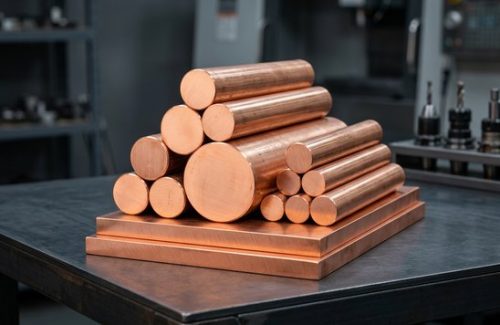 Raw Stock
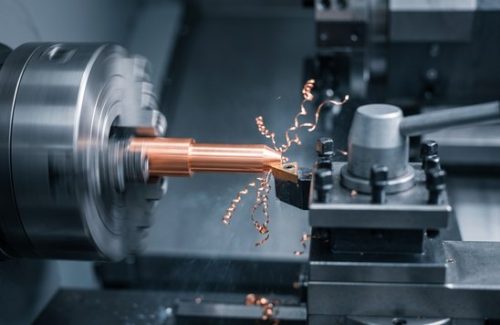 CNC Machined
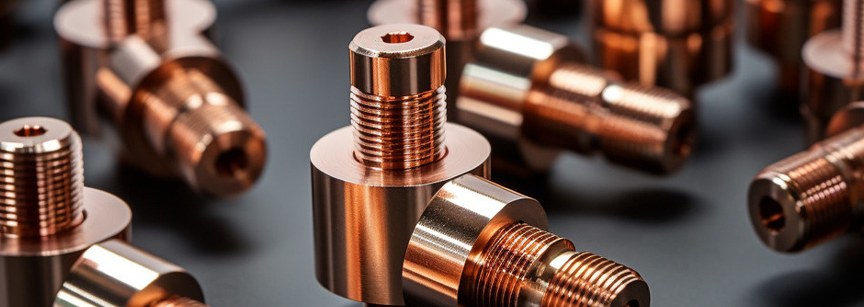 Finished Parts


Copper C101 — Machining Notes
FAQ
What is the difference between copper C101 and C106?
Copper C101 and C106 are both high-purity coppers, but they differ in their composition. C101, also known as Oxygen-Free Electronic (OFE) copper, has a minimum copper content of 99.99% and very low levels of oxygen. C106, on the other hand, is a sulfur-bearing free-machining copper with a minimum copper content of 99.95%. The presence of sulfur in C106 improves its machinability.
Is C101 magnetic?
No, copper C101 is not magnetic. It is a non-ferrous metal, meaning it does not have magnetic properties.
Does C101 rust?
Copper C101 does not rust in the same way that iron or steel does. It forms a protective layer of copper oxide on its surface, which gives it a characteristic reddish-brown color (patina). This patina acts as a barrier, preventing further corrosion. While it doesn't rust, copper can undergo other forms of corrosion, such as tarnishing or verdigris formation.
Is C101 expensive?
The cost of copper C101 can vary based on factors such as market conditions, availability, and the quantity purchased. Generally, high-purity copper, such as C101, tends to be more expensive than lower-grade copper alloys due to the refining process required to achieve its high purity.
Other Materials

Ready to Scale Your Project?
Get started with a stable process and controlled quality. Let's discuss your project.