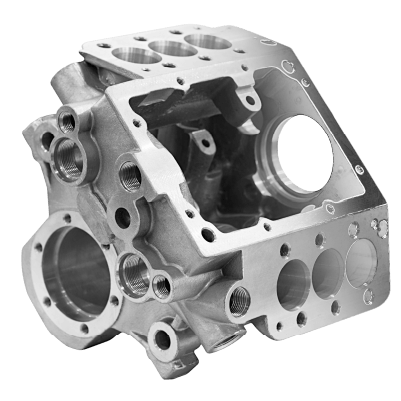









Aluminum 6063
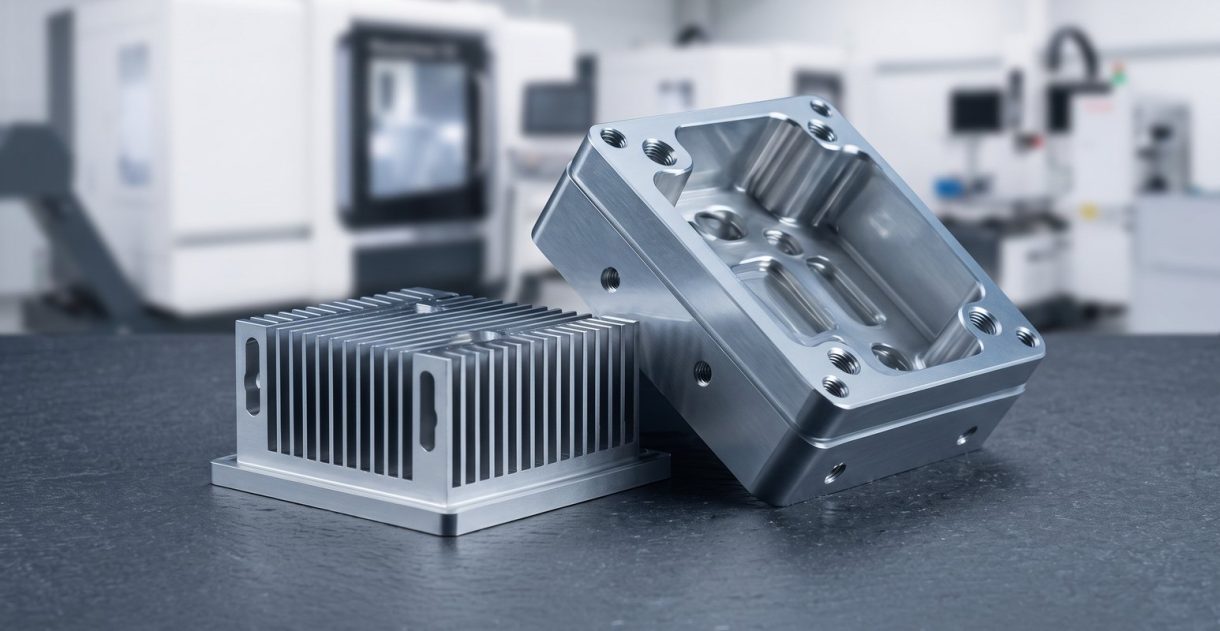
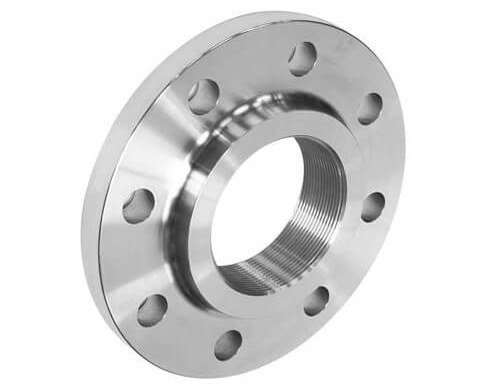
Aluminum 6063 is mainly composed of aluminum, magnesium, and silicon. Its excellent machinability makes it good for cutting, drilling, and shaping in CNC processes.
-
110-210 MPaUltimate Tensile Strength
-
55-130 MPaYield Strength
-
68-69 GPaYoung's Modulus(Elasticity)
-
8-18 %Elongation at Break
At a Glance
-

Material Type
Metal -

Material Name
Aluminum 6063 -

Alternative Names
Alloy 63S | EN AW-6063 | 62400| AlMg0.7Si | A96063 | H9 -

Process Compatibility
CNC Milling, CNC Turning
Properties Table of Aluminum 6063

- Ultimate Tensile Strength 110-210 MPa
- Yield Strength 55-130 MPa
- Young's Modulus(Elasticity) 68-69 GPa
- Elongation at Break 8-18 %
- Physical Properties
- Corrosion Resistance High
- Magnetism Non-magnetic
- Weldability Good
- Thermal Properties
- Maximum Service Temperature Approximately 200°C (392°F)
- Thermal Expansion Coefficient 23-25.6 x 10^﹣6/°C
- Thermal Conductivity 190-220W/(m·°C)
- Electrical Properties
- Electrical Resistivity 3.32 μΩ*cm
- ESD Safety Good conductivity, used in ESD-sensitive enviroments
Applications of Aluminum 6063
-
 Architectural framing systems such as window and door frames
-
 Extruded shapes and profiles
-
 Automotive components like body and frame sections, trim pieces
-
 Industrial and commercial ladders, scaffolding
-
 Electrical enclosures, heat sinks
-
 Lighting fixtures, lamp housings, frames
-
 Solar panel frames
Advantages of Aluminum 6063
Advantages of Aluminum 6063
- Excellent machinability
- High formability and extrudability
- Good corrosion resistance
- Lightweight nature
- Excellent weldability
- Good thermal conductivity
- Recyclability
- Cost-effective
-
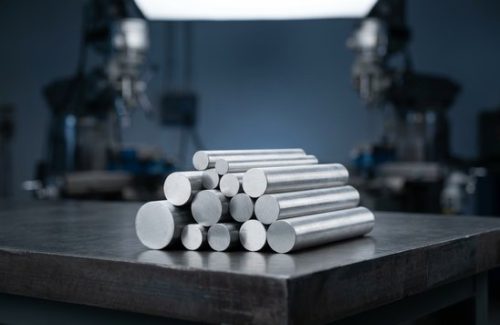 Raw Stock
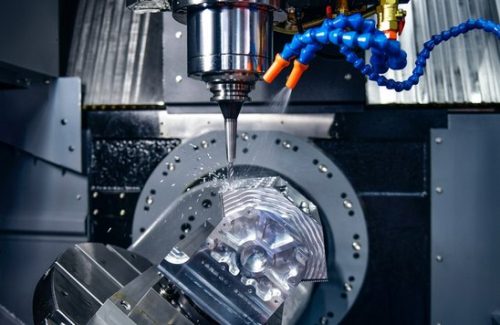 CNC Machined
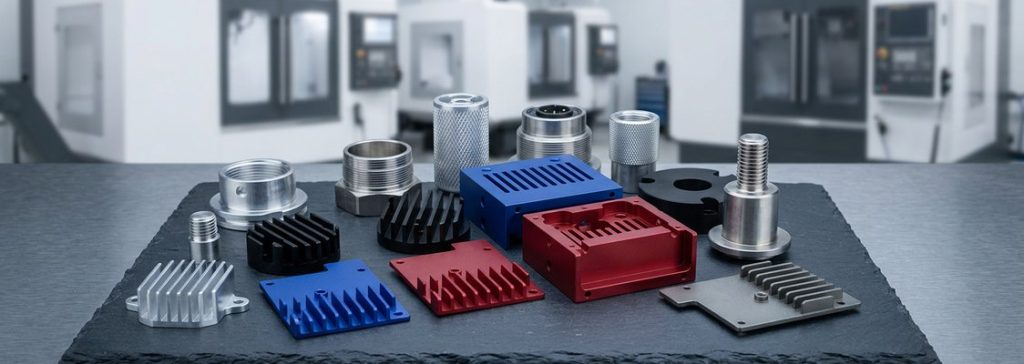 Finished Parts


Aluminum 6063 — Machining Notes
FAQ
Is 6063 Aluminum Heavy?
6063 aluminum has a density of 2.7 g/cm3 (0.0975 lb/in³), similar to pure aluminum. 6063 aluminum is considered lightweight compared to many other alloys.
Is 6063 Aluminum Strong?
6063 aluminum is known as architectural aluminum. It is easily shaped into complex forms for architectural use. It is not as strong as 6061 but it offers better corrosion resistance and a smoother surface finish.
What TIG rod is used for 6063?
A commonly used rod is ER4043. It is also known as ALSi-5, a filler metal containing 5% Silicon and Aluminum. It provides good fluidity and crack resistance during welding. It is mainly used for welding various Aluminum Alloys, such as 3003, 3004, 5052, 6061, 6063, and Casting Alloys like 43, 355, 356, and 214. The melting range for ER4043 is 1,065°F - 1,170°F.
Other Materials
-
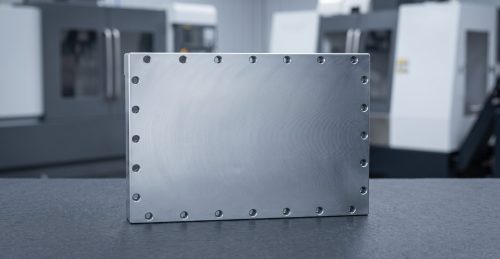 Aluminum MIC6MIC-6 is a cast aluminum plate made from a mix of metals. It offers high accuracy and easy machinability.Learn More
-
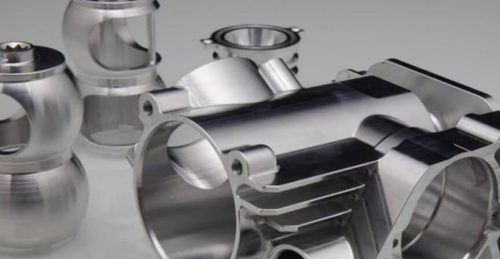 Aluminum 5052Aluminum 5052 is widely used in CNC machining because of its formability and corrosion resistance. It belongs to the 5xxx series of aluminum alloys and offers moderate strength.Learn More
-
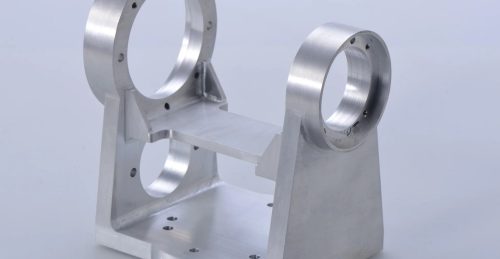 Aluminum 2014Aluminum 2014 is a strong alloy widely used in aerospace. It's easily machinable in specific conditions and often formed into bars and profiles through extrusion.Learn More

Ready to Scale Your Project?
Get started with a stable process and controlled quality. Let's discuss your project.