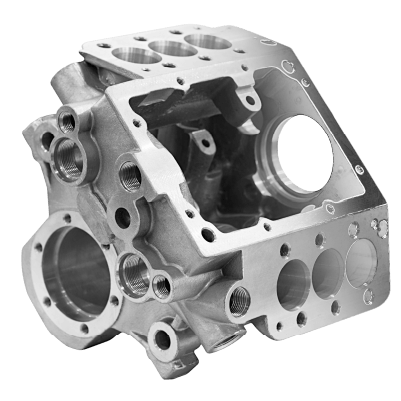









Aluminum 5083
Aluminum 5083 is a corrosion-resistant, high-strength, non-heat-treatable alloy commonly used in CNC machining. It is commonly used in marine applications due to its resistance to saltwater corrosion.
-
317 MPaUltimate Tensile Strength
-
227 MPaYield Strength
-
72 GPaYoung's Modulus(Elasticity)
-
12 %Elongation at Break
At a Glance
-

Material Type
Metal -

Material Name
Aluminum 5083 -

Alternative Names
3.3547 | GM41 | A95083 | AIMg 4.5 Mn | Al Mg 4.5 Mn 0.7 -

Process Compatibility
CNC Milling, CNC Turning
Properties Table of Aluminum 5083

- Ultimate Tensile Strength 317 MPa(46,000 psi)
- Yield Strength 227 MPa(33,000 psi)
- Young's Modulus(Elasticity) 72 GPa(10.4 x 10^6 psi)
- Elongation at Break 12 %
- Physical Properties
- Corrosion Resistance Excellent corrosion resistance, especially in marine environments
- Magnetism Non-magnetic
- Weldability Good Weldability with standard techniques such as MIG and TIG welding
- Thermal Properties
- Maximum Service Temperature Approximately 200-230°C (392-446°F) depending on conditions
- Thermal Expansion Coefficient 23.8 x 10^﹣6/°C(at 20-100°C)
- Thermal Conductivity 121-140W/(m·K) at 25°C (77°F)
- Electrical Properties
- Electrical Resistivity Approximately 0.049 ohm-cm(at 20°C)
- ESD Safety Aluminum is generally considered ESD safe
Applications of Aluminum 5083
-
 Ship hulls and decks
-
 Aircraft fuselage sections and wing panels
-
 Offshore platforms
-
 Automotive and rail components
-
 Cryogenic storage tanks
-
 Architectural facades and panels
-
 Pressure vessels
-
 Machined components
Advantages of Aluminum 5083
Advantages of Aluminum 5083
- Excellent corrosion resistance, ideal for marine applications
- High strength, suitable for structural components in various industries
- Weldable, facilitating fabrication and construction of complex structures
- Easily formable through processes like extrusion, rolling, and forging
- Maintains strength at low temperatures, suitable for cryogenic applications
- Lightweight, contributing to overall weight reduction in structures and components
- Machinable with proper tooling and techniques
- Non-heat-treatable, eliminating the need for heat treatment processes
-
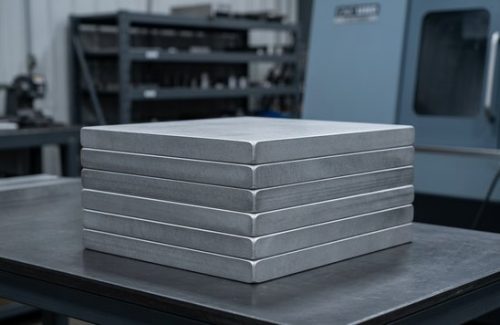 Raw Stock
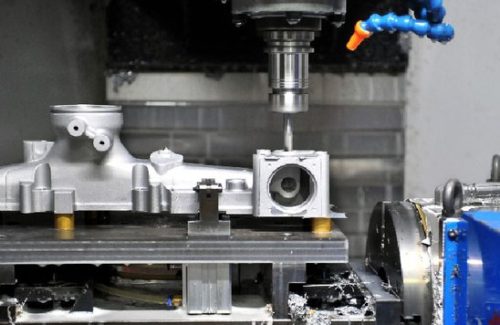 CNC Machined
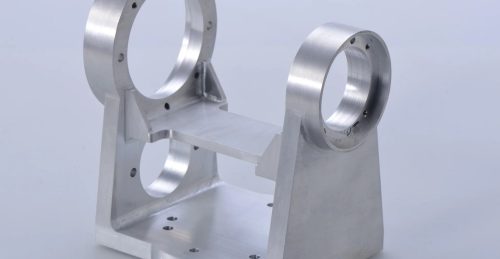
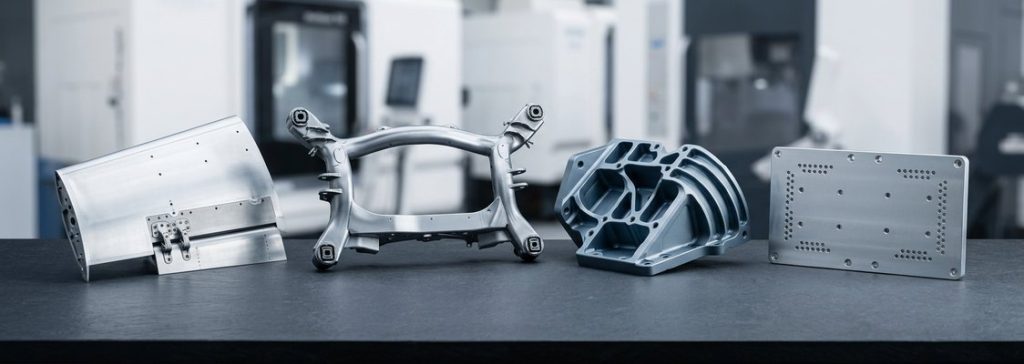 Finished Parts


Aluminum 5083 — Machining Notes
FAQ
What is the difference between 6061 and 5083 aluminum?
6061 aluminum is heat-treatable, corrosion-resistant, and offers good weldability with medium to high strength. On the other hand, 5083 aluminum, a non-heat-treatable alloy, excels in marine environments with strong weldability and high strength.
Is 5083 aluminium marine grade?
Yes, 5083 aluminum is commonly used in marine applications and is considered marine-grade aluminum. Its excellent corrosion resistance, particularly in seawater, makes it suitable for shipbuilding and other marine structures.
Can aluminum 5083 be heat-treated?
No, aluminum 5083 is a non-heat-treatable alloy; its strength is obtained through cold working.
Other Materials
-
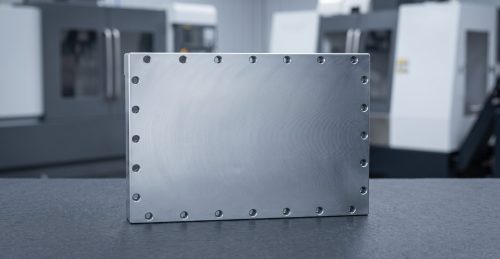 Aluminum MIC6MIC-6 is a cast aluminum plate made from a mix of metals. It offers high accuracy and easy machinability.Learn More
-
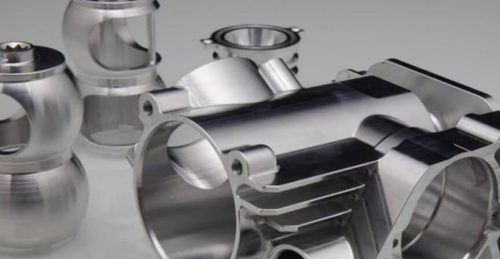 Aluminum 5052Aluminum 5052 is widely used in CNC machining because of its formability and corrosion resistance. It belongs to the 5xxx series of aluminum alloys and offers moderate strength.Learn More
-
 Aluminum 2014Aluminum 2014 is a strong alloy widely used in aerospace. It's easily machinable in specific conditions and often formed into bars and profiles through extrusion.Learn More

Ready to Scale Your Project?
Get started with a stable process and controlled quality. Let's discuss your project.