









Aluminum 2024
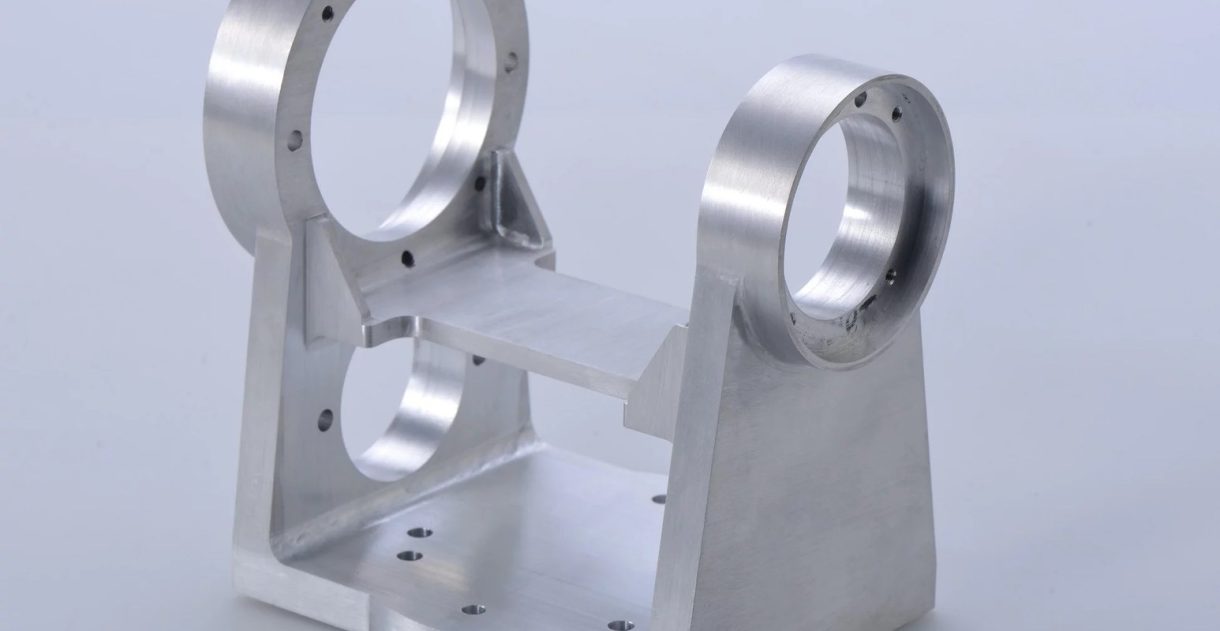
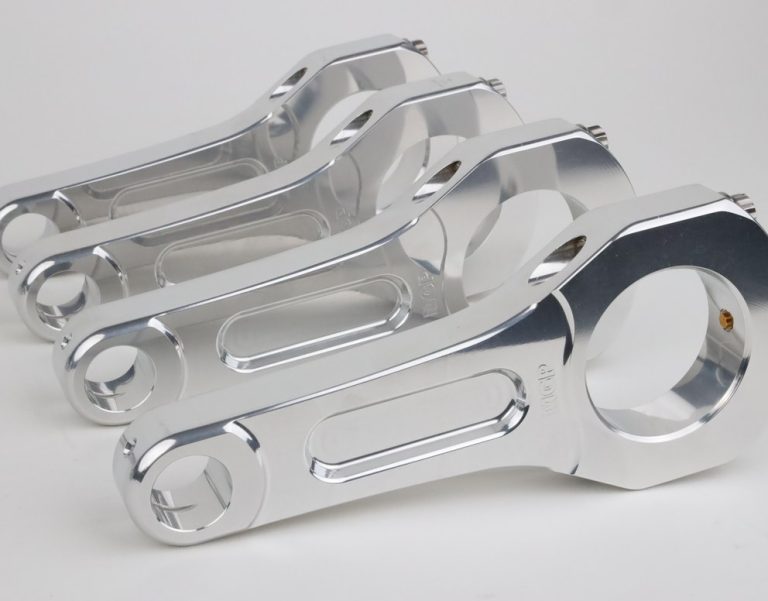
Aluminum 2024 is a widely used alloy known for its high strength-to-weight ratio and is popular in aerospace applications.
-
470 MPaUltimate Tensile Strength
-
325 MPaYield Strength
-
73.1 GPaYoung's Modulus(Elasticity)
-
10 %Elongation at Break
Properties Table of Aluminum 2024

- Ultimate Tensile Strength 470 MPa(68,000 psi)
- Yield Strength 325 MPa(47,000 psi)
- Young's Modulus(Elasticity) 73.1 GPa(10,600 ksi)
- Elongation at Break 10 %
- Corrosion Resistance Generally poor, susceptible to corrosion
- Magnetism Non-magnetic
- Weldability Fair Weldability
- Maximum Service Temperature Approximately 200°C(392°F)
- Thermal Expansion Coefficient 23.2 x 10^-6/°C
- Thermal Conductivity 120 W/m·K(25°C)
- Electrical Resistivity 0.057 Ω·mm²/m(25°C)
- ESD Safety Moderate conductivity,not ideal for ESD-sensitive environments


Aluminum 2024 — Machining Notes
Other Materials
-
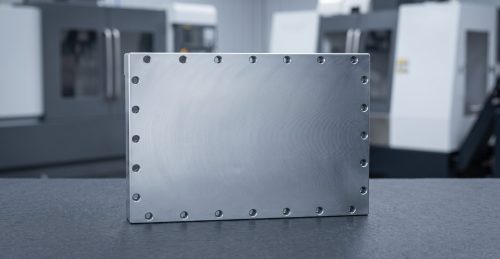 Aluminum MIC6MIC-6 is a cast aluminum plate made from a mix of metals. It offers high accuracy and easy machinability.Learn More
-
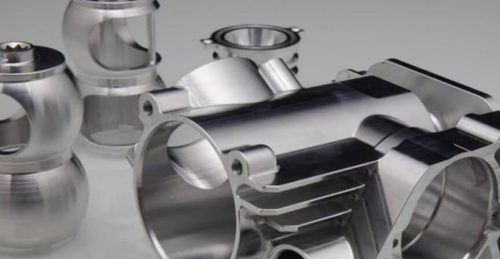 Aluminum 5052Aluminum 5052 is widely used in CNC machining because of its formability and corrosion resistance. It belongs to the 5xxx series of aluminum alloys and offers moderate strength.Learn More
-
 Aluminum 2014Aluminum 2014 is a strong alloy widely used in aerospace. It's easily machinable in specific conditions and often formed into bars and profiles through extrusion.Learn More

Ready to Scale Your Project?
Get started with a stable process and controlled quality. Let's discuss your project.








