








• English

  • French

  • German

  • Italian

  • Portuguese

  • Russian

  • Spanish

HDPE

High-Density Polyethylene (HDPE) is an affordable, versatile, non-porous thermoplastic with a high strength-to-density ratio and low moisture absorption.
Get a Quote
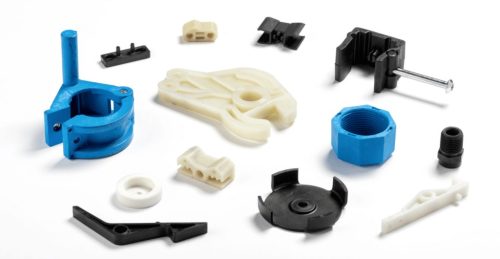
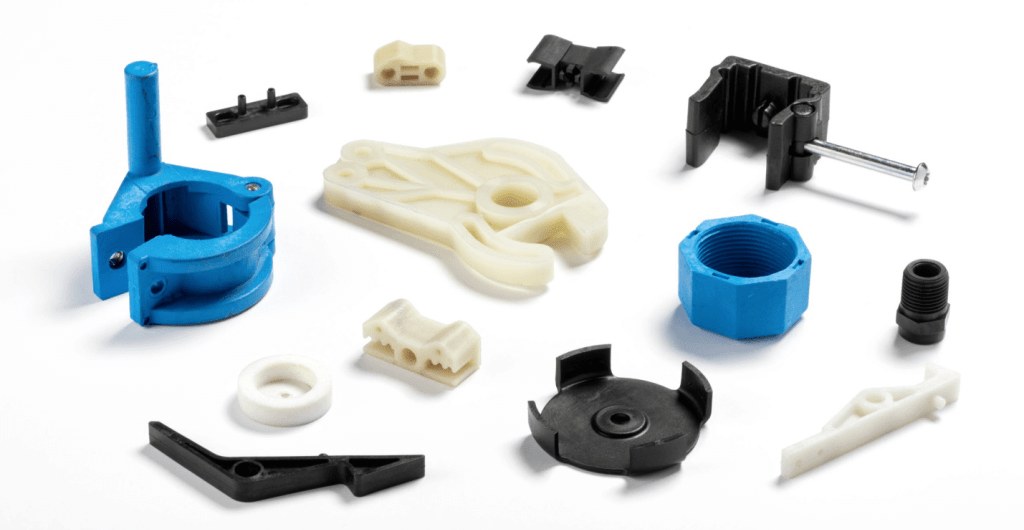
Assortment of plastic molded parts on white background
  • 22.1-31 MPa
    Ultimate Tensile Strength
  • 26.2-31 MPa
    Yield Strength
  • 1.07-1.09 GPa
    Young's Modulus(Elasticity)
  • 500-700 %
    Elongation at Break

Properties Table of HDPE
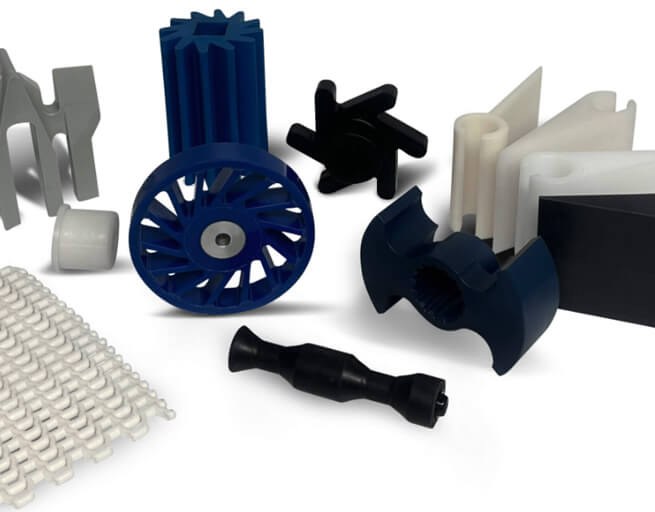
  • Assorted plastic machined parts on white background
Value
  • Ultimate Tensile Strength 22.1-31 MPa
  • Yield Strength 26.2-31 MPa
  • Young's Modulus(Elasticity) 1.07-1.09 GPa
  • Elongation at Break 500-700%
  • Hardness 7.9-9.9 HV
  • UV Resistance Moderate
  • Ductility and Flexibility High
  • Density 0.95 g/cm³
  • Chemical Resistance Excellent
  • Porosity Low
  • Maximum Service Temperature 113-129°C
  • Thermal Expansion Coefficient 106-198 x 10^-6/°C

Hdpe — Machining Notes

  • HDPE in CNC Machining and Injection Molding

    High-Density Polyethylene (HDPE) is an affordable, versatile, non-porous thermoplastic with a high strength-to-density ratio and low moisture absorption.

    HDPE is made from the ethylene monomer and is also called “alkathene” or “polythene.” It has a low melting point but high impact strength, chemical resistance, and excellent electrical insulating properties. Because this material can deform under heat, we are very careful when machining thin-walled sections. We use appropriate cutting speeds and feeds, tools with sharp cutting edges, water-soluble coolants, and proper cutting techniques for the best results.

    Engineered as industrial-grade, FDA, NSF, and USDA-approved food-quality material, HDPE sheets are designed to be low maintenance, safe, and durable. The textured surface provides a secure grip for handling food safely. Aside from being easily meltable and moldable, it is corrosion, chemical, and weather-resistant. Additionally, HDPE is an environmentally friendly choice because it is cost-effective and recyclable.

    Get A Quote
  • Basic Knowledge of HDPE

    High-density polyethylene (HDPE) is a strong and durable type of polyethylene, a thermoplastic polymer with high strength, chemical resistance, and versatility. It is plastic made from petroleum with the chemical formula (C2H4)n. With a high density, it exhibits toughness and can withstand impact and abrasion. Because of its resistance to moisture and chemicals, HDPE is commonly used to produce containers for liquids, such as bottles for milk and detergent. It is also used to construct water supply and drainage pipes due to its lightweight nature, durability, and corrosion resistance. Additionally, HDPE is used in geomembranes for environmental purposes, construction materials, and recyclable products.

    • Lightweight
    • Chemical resistance
    • Impact resistance
    • Weather resistance
    • Recyclable
    • Low moisture absorption
    • Non-toxic
    • Flexible
    • Long lifespan
    • Cost-effective
    • Plastic bottles
    • Milk jugs
    • Water pipes
    • Geomembranes (for landfill liners)
    • Plastic bags
    • Toys
    • Containers for household chemicals
    • Fuel tanks
    • Electrical conduit
    • Medical devices and containers
    • Automotive fuel tanks
    Get A Quote

Other Materials