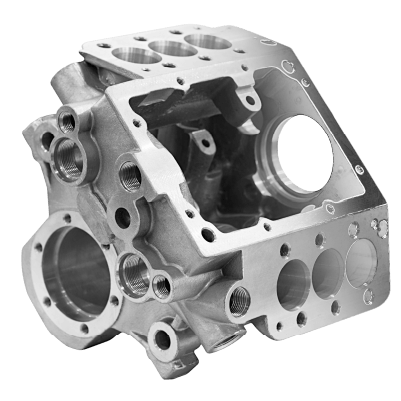









W-Cu Series
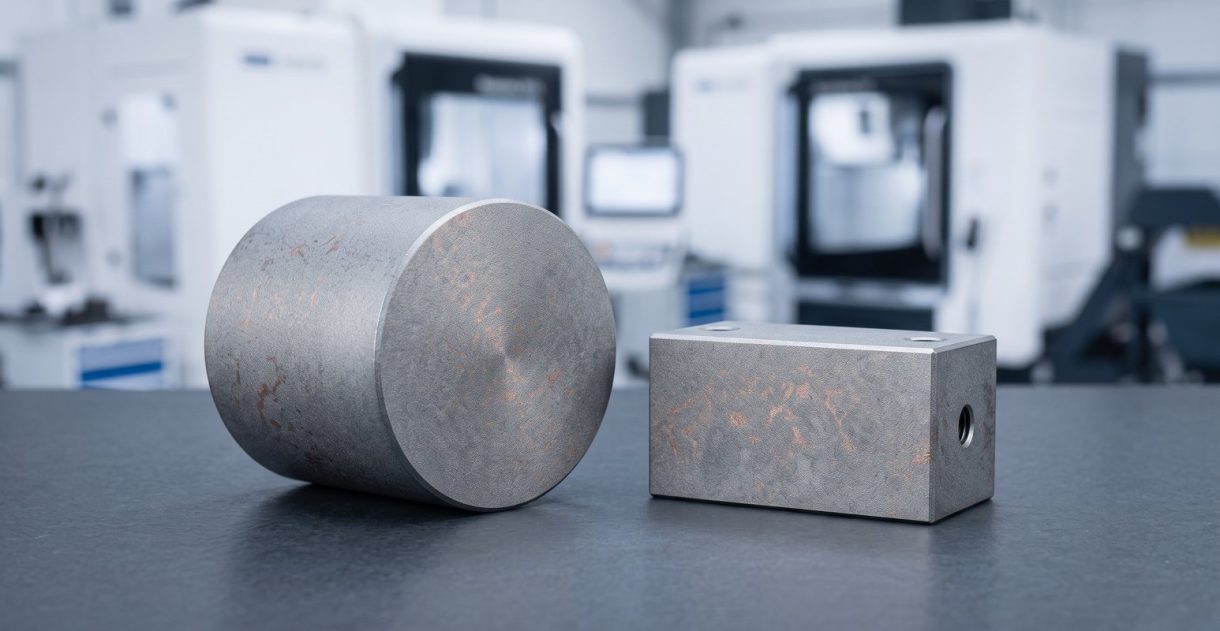
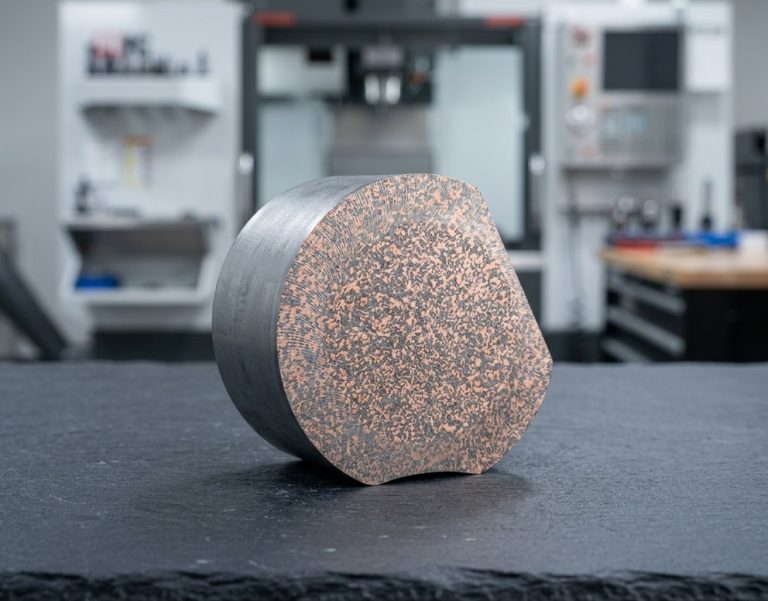
Tungsten-Copper (W-Cu) alloys have a balance of high thermal conductivity, wear resistance, and electrical conductivity.
-
500-800 MPaUltimate Tensile Strength
-
300-600 MPaYield Strength
-
200-320 GPaYoung's Modulus(Elasticity)
-
1-10 %Elongation at Break
At a Glance
-

Material Type
Metal -

Material Name
W-Cu Series (ASTM) -

Process Compatibility
CNC Milling, CNC Turning
Properties Table of W-Cu Series (ASTM)

- Ultimate Tensile Strength 500-800 MPa
- Yield Strength 300-600 MPa
- Young's Modulus(Elasticity) 200-320 GPa
- Elongation at Break 1-10%
- Physical Properties
- Corrosion Resistance Generally good, but can be affected by Cu content and environment
- Magnetism Typically non-magnetic
- UV Resistance High UV resistance
- Weldability Can be challenging due to the mismatch in properties; specializen welding methods may be required
- Thermal Properties
- Maximum Service Temperature Up to 500°C(depending on the Cu content)
- Thermal Expansion Coefficient 6-8 x 10^-6/°C
- Thermal Conductivity 150-200 W/(m·K)(depending on composition)
- Electrical Properties
- Electrical Resistivity 5-15 μΩ·cm(depending on composition)
- ESD Safety Good electrical conductivity; can dissipate static charges effectively
Applications of W-Cu Series (ASTM)
-
 Aerospace components
-
 Electronic packaging
-
 Microwave devices
-
 Power electronics
-
 Medical imaging equipment
-
 Microelectronics
-
 Thermal management systems
-
 Semiconductor manufacturing
Advantages of W-Cu Series (ASTM)
Advantages of W-Cu Series (ASTM)
- High thermal conductivity
- Low thermal expansion
- Excellent electrical conductivity
- Good machinability
- High strength at elevated temperatures
- Superior arc erosion resistance
- Effective for electrical and electronic applications
-
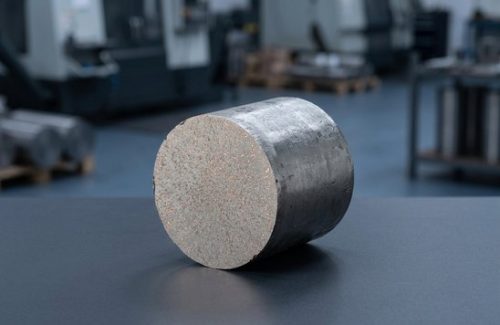 Raw Stock
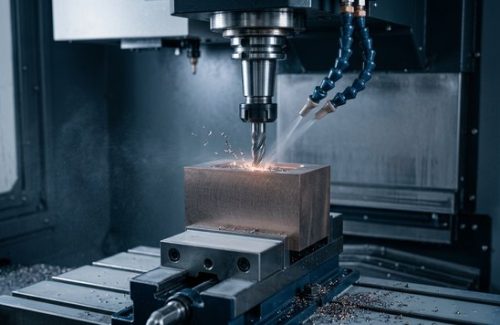 CNC Machined
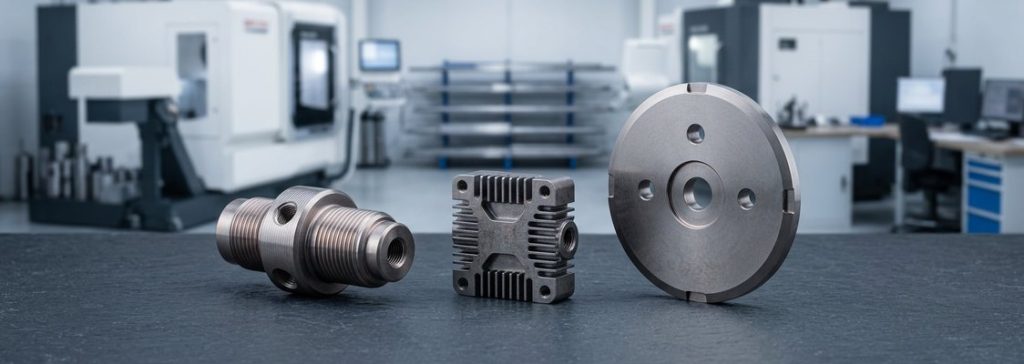 Finished Parts


W Cu Series Astm — Machining Notes
FAQ
Does W-Cu Series rust?
No, W-Cu Series (Tungsten Copper) does not rust. Tungsten is a corrosion-resistant metal, and when combined with copper in the W-Cu Series, it retains its corrosion resistance.
Can you forge W-Cu Series?
While tungsten's high melting point makes traditional forging challenging, W-Cu Series materials are typically produced through powder metallurgy methods, such as sintering. This process involves compacting and heating the powder mixture to create a solid, dense material. While not forged in the traditional sense, W-Cu Series materials can be shaped and formed through various machining processes, including CNC machining, to achieve the desired final product.
Can you anneal W-Cu Series?
Annealing is a heat treatment process commonly used to relieve stress and improve the material's mechanical properties. However, the applicability of annealing to W-Cu Series depends on the specific composition and manufacturing process. Tungsten has a high melting point, and copper has a lower melting point, which can complicate traditional annealing processes. Specialized heat treatment methods tailored to the W-Cu Series composition may be used to achieve desired properties without compromising the integrity of the material.
Other Materials
-
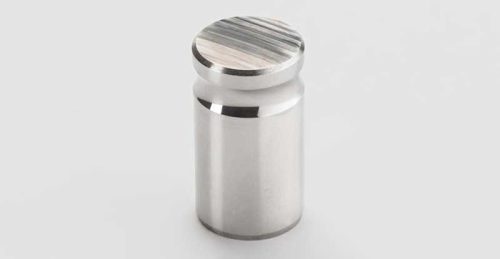 Tungsten Steel YL10.22 Tungsten Carbide is created through powder metallurgy, using WC (tungsten carbide) and Co (cobalt). This material has excellent shock and bending resistance.Learn More
-
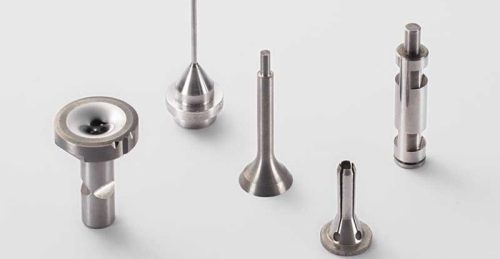 Tungsten Steel YG8Did you know that Tungsten Steel YG8 has physical properties three times higher than steel? This means it’s more durable and long-lasting, saving you time and money in the long run.Learn More
-
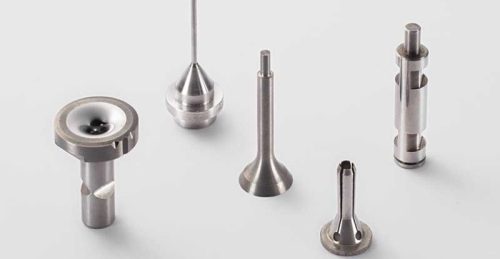 Tungsten Steel YG6Tungsten Steel YG6 is a type of tungsten carbide with exceptional hardness and wear resistance.Learn More

Ready to Scale Your Project?
Get started with a stable process and controlled quality. Let's discuss your project.