
Stainless Steel Turned Parts Service
Stainless steel turned parts are custom-made metal components used in machines and devices, offering strong, rust-resistant solutions for precise, reliable, and long-lasting performance.
DEK provides custom stainless steel turned parts using advanced CNC machines for high precision and quality. What sets DEK apart is its fast delivery, strict quality control, and ability to handle both small and large orders with consistent accuracy and reliable customer service.


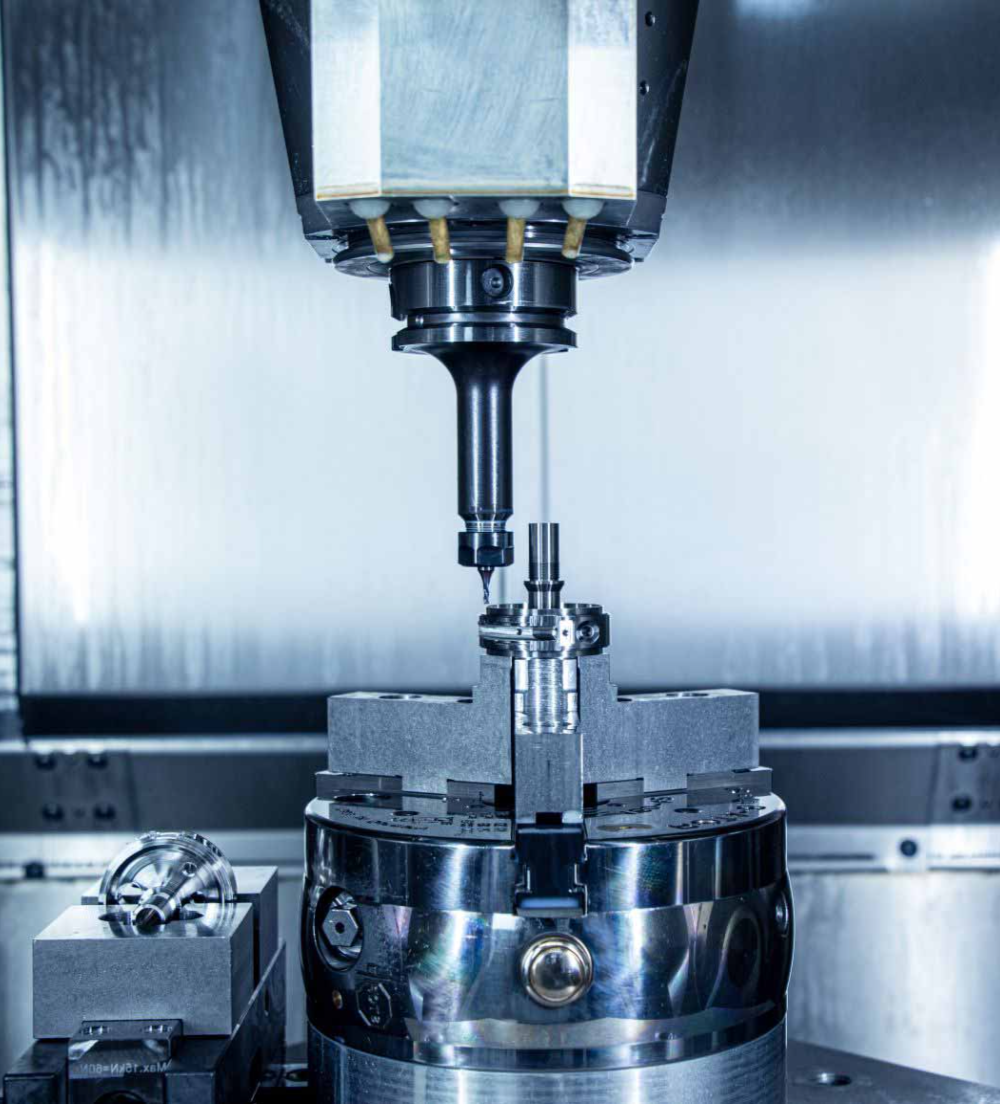

introduction
High-Precision Stainless Steel Turned Parts for Every Industry
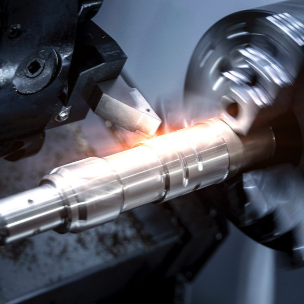
DEK provides custom stainless steel turned parts made with precision CNC machines, offering fast production, reliable quality, and flexible order sizes for all kinds of projects.
DEK offers reliable and efficient manufacturing of stainless steel turned parts for a wide range of industries. Our production process uses advanced CNC turning equipment to produce accurate, consistent parts made from high-grade stainless steel. We handle everything from simple components to more detailed custom parts, ensuring each order meets your exact specifications. Whether you need small batches or full-scale production, we provide flexible solutions to match your project timeline and budget.
Along with machining, DEK also offers value-added services such as finition de surface, cleaning, and basic assembly to ensure parts are ready for use upon delivery. Quality is a key part of our process, every part is carefully inspected before shipping.
- Multi-axis CNC machines
- Tight tolerance control
- Délais rapides
- Full material traceability
- Custom surface finishes
- Prototype to mass production
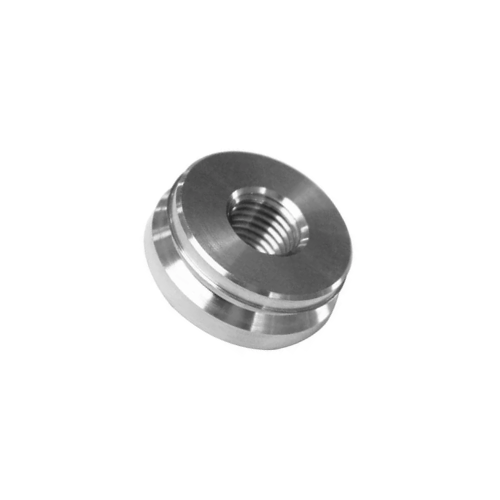
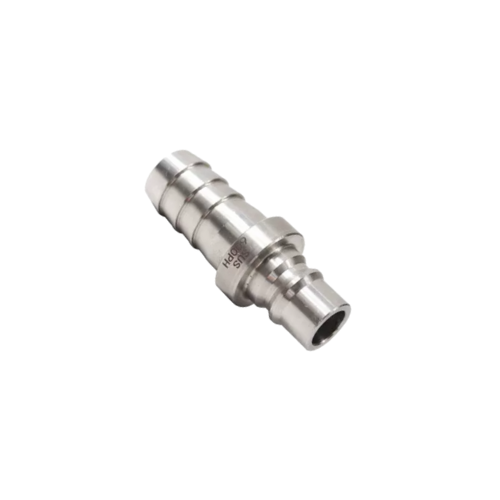
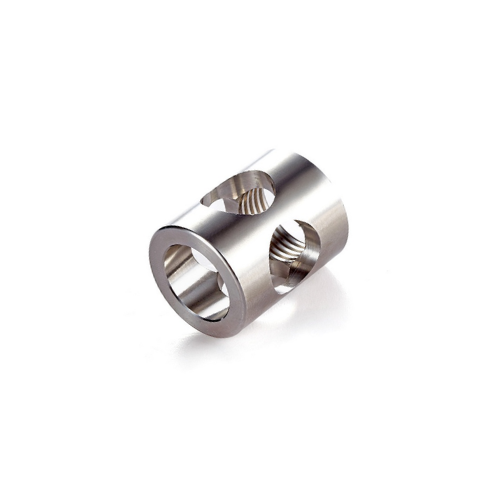
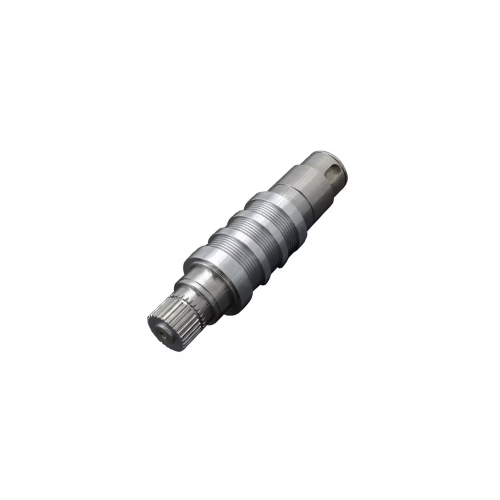
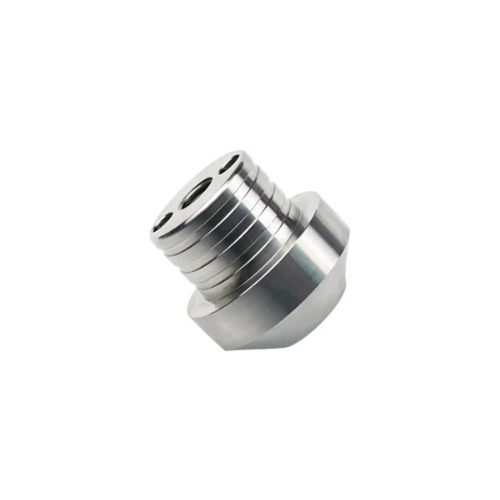
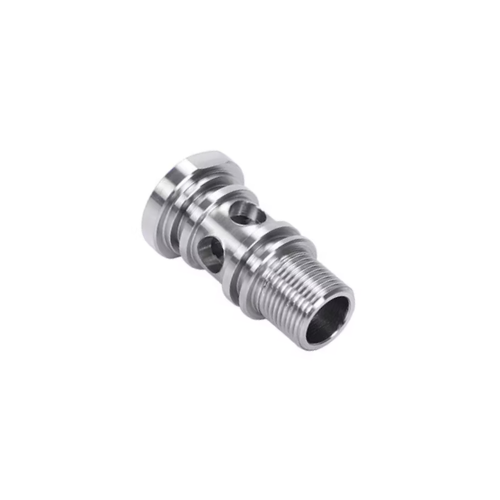
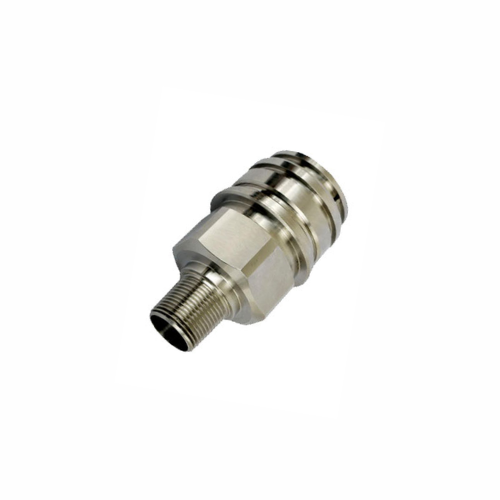
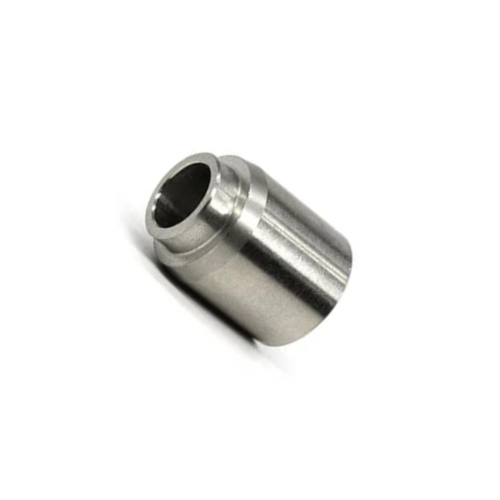
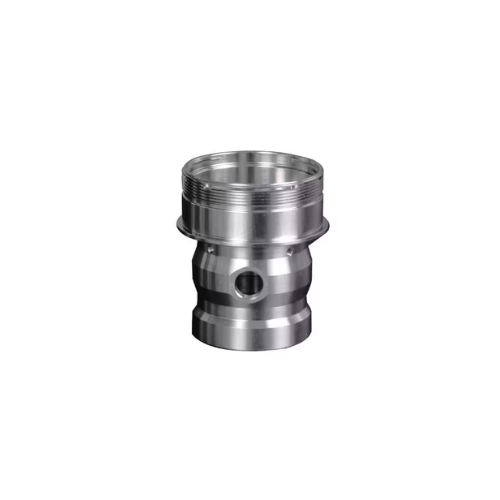
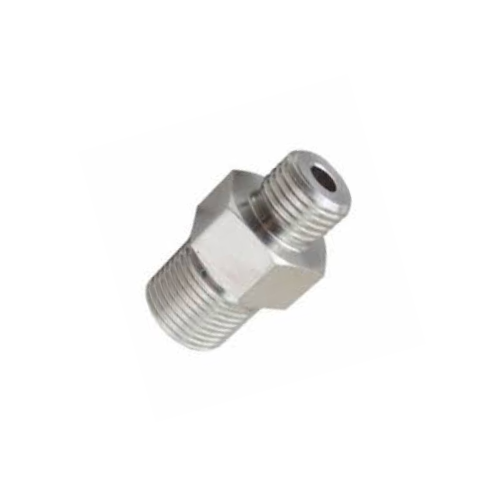
Matériaux for Stainless Steel Turned Parts
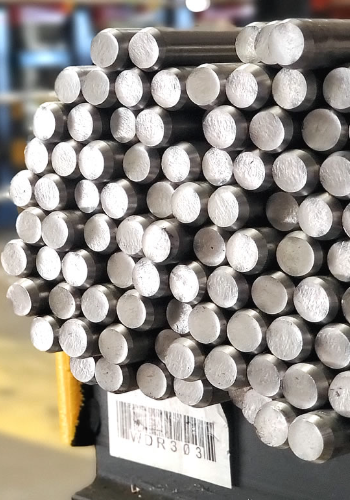
303 Stainless Steel
303 stainless steel turned parts are specifically designed for improved machinability. The addition of sulfur helps create cleaner chips and reduces tool wear, enabling efficient, high-speed turning processes. This makes it ideal for producing intricate parts with tight tolerances.
It's commonly used for manufacturing shafts, fittings, fasteners, and other components that require both precision and strength without sacrificing production speed or consistency.
Acier inoxydable 304
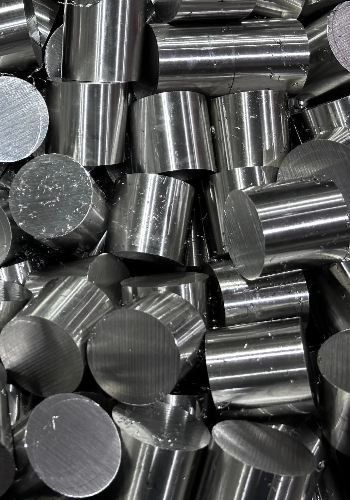
Acier inoxydable 304 is a highly versatile material used for turned parts that require a balance of corrosion resistance and mechanical strength. While not as easy to machine as 303, it still performs well in turning applications when precision and long-term durability are important.
It is frequently used in structural components, kitchen equipment, industrial hardware, and piping systems, offering excellent resistance to moisture, oxidation, and mild chemical exposure.
304L Stainless Steel
304L is a low-carbon variant of 304 stainless steel, developed to enhance corrosion resistance during and after welding. It is slightly softer, which can make it easier to machine in some cases, though it may still require proper tooling.
304L stainless steel turned parts are commonly chosen for components that will undergo welding or be used in environments where rust prevention is critical. Applications include tanks, pressure vessels, and welded structural components.
Acier inoxydable 316
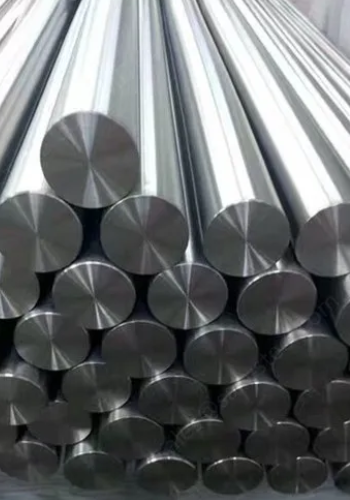
Acier inoxydable 316 is favored for its superior corrosion resistance, especially in harsh or corrosive environments such as marine, chemical, or medical industries. It contains molybdenum, which enhances its resistance to chlorides and acidic conditions.
Though tougher to machine than 303 or 304, it’s the preferred choice for CNC turned parts exposed to saltwater, chemicals, or high moisture. Typical uses include valves, pump parts, medical instruments, and marine fasteners.
316L Stainless Steel
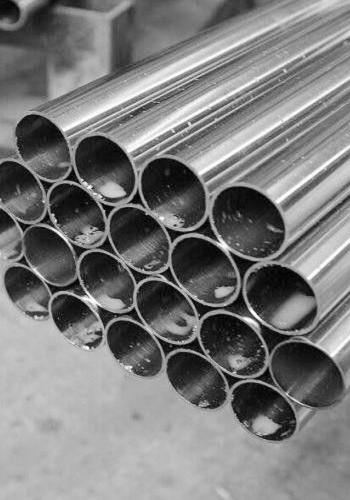
316L is the low-carbon version of 316, offering the same excellent corrosion resistance but with better weldability and reduced risk of sensitization after welding. 316L stainless steel turned parts are used in medical, pharmaceutical, or chemical applications where cleanliness and structural integrity are crucial.
While slightly more challenging to machine, it remains a top choice for high-performance parts like surgical tools, implantable devices, and corrosive fluid handling systems.
Instantané & Citations précises

Nous n'utilisons pas d'outils de devis automatisés en ligne, car ils sont très imprécis. Les plateformes de devis en ligne reposent uniquement sur des calculs basés sur des montants de coupe et des coefficients fixes, et ne tiennent pas compte des nuances de traitement réelles, comme la déformation du matériau après le traitement thermique, les exigences de tolérance strictes, le meulage après le traitement thermique, etc. Par conséquent, les calculs de prix automatisés peuvent entraîner des inexactitudes et, en fin de compte, augmenter vos coûts.
Mais chez DEK, vous pouvez être tranquille !
Nos devis sont à la fois rentables et précis, car nous disposons d'une équipe d'ingénieurs mécaniciens professionnels qui examinent méticuleusement chaque dessin. Ces ingénieurs ont plus de 10 ans d'expérience et possèdent une grande expertise en matière de programmation, de fonctionnement des machines, de post-traitement, de propriétés des matériaux, etc. Nous vous garantissons des devis précis dans un délai de 6 heures.
Nos avantages
2300+ ingénieurs Aimer travailler avec nous

Wide Material Support
We work with multiple stainless steel grades, including 303, 304, and 316 based on your project’s mechanical, environmental, or cost requirements. DEK can also combine stainless steel turning with other materials in complex assemblies.

Complex Part Capabilities
DEK can produce stainless steel turned parts with intricate features, including threading, undercuts, grooves, and custom contours. Using advanced CNC lathes, Swiss turning, and precision grinding, we handle challenging geometries with ease.

Cost-Effective Solutions
By optimizing our CNC setups and using efficient production methods, we offer competitively priced stainless steel turning services. Our process reduces waste and setup time, lowering overall costs while maintaining high standards.

Tolérances de haute précision
Our stainless steel turned parts are machined to extremely tight tolerances, up to ±0.005 mm. This level of accuracy ensures a perfect fit and function, especially for parts used in high-performance or safety-critical applications.

Finitions de surface personnalisées
To meet both functional and aesthetic requirements, we offer a wide range of surface treatments for stainless steel turned parts. Options include polishing, passivation, sandblasting, powder coating, and electroplating.

Certified Quality Assurance
DEK operates under ISO 9001:2015, ISO 13485, and AS9100D certifications, ensuring all stainless steel turned parts meet strict industry and regulatory standards. We apply strong quality management at every stage of production.


Notre Processus de commande
Envoyer l'appel d'offres
Envoyer l'appel d'offres avec les dessins 2D/3D et les exigences détaillées par courrier électronique ou par formulaire en ligne.
Revue et citation
Notre équipe d'ingénieurs examinera soigneusement chaque dessin et fournira un devis précis dans les 6 heures.
Confirmer la commande
Confirmez le devis, les détails et le calendrier de livraison, puis signez le contrat.
Production
Organiser le processus de production, lancer la programmation et l'usinage.
Contrôle de la qualité
Contrôle strict de la qualité pendant la production et l'inspection finale.
Emballage et expédition
Emballez les pièces, apposez les étiquettes d'identification des pièces et commencez l'expédition.
Envoyer l'appel d'offres 222
Revue et citation
Confirmer la commande
Production
QC
Livraison
FAQ
Stainless Steel Turned Parts FAQ sur l'achat
Obtenir un devis précis Pour vos prochains projets
Que votre projet soit simple ou compliqué, qu'il s'agisse de métal ou de plastique, vous obtiendrez un devis précis dans les 6 heures.
Obtenir un devis aujourd'huiPlus d'informations Stainless Steel Turned Parts
What are Stainless Steel Turned Parts?
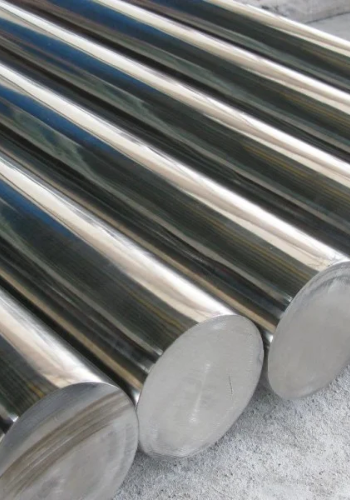
Stainless steel turned parts are precision components manufactured through a machining process called turning, where a stainless steel rod is rotated at high speed while a cutting tool shapes it into the desired form. This is typically done using CNC lathes, which allow for extremely accurate, repeatable, and complex part production. These parts can have various shapes such as cylinders, threads, grooves, or tapers, depending on the function they are meant to serve.
Stainless steel turned parts are valued for their high precision, excellent surface finish, and durability. The CNC turning process allows for tight dimensional tolerances and complex geometries, ensuring each part meets strict quality standards. Stainless steel’s natural resistance to corrosion, heat, and wear makes it a reliable material for demanding environments.
What are the Advantages of Stainless Steel Turned Parts?
Stainless steel turned parts offer a range of benefits that make them ideal for precision engineering and high-performance environments.
- Dimensional consistency
- High structural strength
- Possibilité de formes complexes
- Efficient material usage
- Wide finish options
- Production évolutive
- Long-term reliability
- Résistance à la chaleur
- Clean, sharp edges
- Minimal deformation
When Do You Need Stainless Steel Turned Parts?
You need stainless steel turned parts when your design involves rotating parts, high-pressure connections, or mechanical assemblies that must withstand stress. Stainless steel turned parts are an ideal solution, as they are often chosen for their ability to hold tight dimensions over time and resist damage from exposure to moisture, chemicals, or extreme temperatures.
In the automotive sector, they’re used in engine components, steering systems, and suspension parts. In aerospace, they serve in precision fittings, control mechanisms, and structural connectors. The medical field relies on them for surgical tools and implantable devices, where cleanliness and strength are essential. Electronics companies use them in connector housings and thermal management systems, while industrial equipment manufacturers depend on them for pumps, valves, and high-load assemblies.