What is Nitriding: Advantages, Types, Materials
Nitriding is a specialized heat treatment process that improves the surface hardness and strength of metals. It is commonly used in industries demanding wear-resistant and corrosion-resistant elements. It improves the capability while maintaining the metal’s core properties, making it perfect for important mechanical parts.
This procedure is done with advanced techniques, including liquid nitriding process methods and advanced solutions. Companies commonly choose nitriding for exact engineering applications where dimensional reliability and long-term wear resistance are important.
What is Nitriding?
This method creates hard nitride layers by diffusing nitrogen atoms into the surface structure of metals. It improves the surface properties without modifying the properties of the metal core. The most common ways of nitriding include gas nitriding, plasma nitriding, and salt bath nitriding. It is often compared with other far less useful methods, such as carburizing for very-high-precision applications.
Modern nitriding technology confirms good wear resistance and fatigue strength. It involves innovations like the liquid nitriding process, which gives better uniformity of surface treatment. The comparison of nitriding and carburizing favors lower temperatures and lesser distortion with maximum hardness comparatively.
Advantages of Nitriding
Increase Surface Hardness
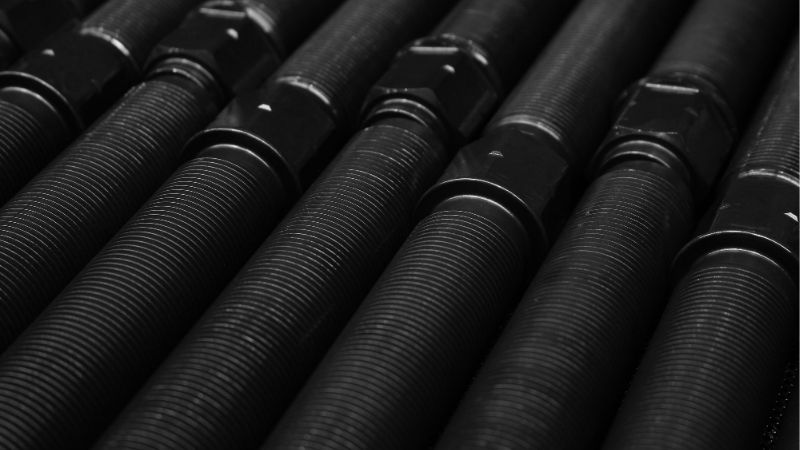
The nitriding process forms a very hard surface layer of dense metal nitrides. It improves wear resistance, scratch resistance, and resistance against abrasive forces. The surface layer may achieve hardness values up to 1300 HV.
Such high surface hardness leads to longer life in components that undergo repeated stress, friction, or load-bearing applications. Therefore, it is useful for gears, shafts, and parts of high-performance machinery.
Improve Fatigue Strength
The compressive stresses set up in the nitride layer increase the fatigue strength of the components. Nitride gears, crankshafts, and shafts resist crack initiation and propagation better than untreated parts.
By enhancing fatigue strength, components now last longer under cyclic loading, resulting in less maintenance and downtime. Nitriding is greatly beneficial under automobile and industrial machinery applications where repeated stress exists.
Enhance Corrosion Resistance
Nitriding can improve corrosion resistance in steels and other alloys by forming stable nitride compounds on their surface. It acts as a barrier against chemical attack and environmental corrosion.
It is especially beneficial for stainless steels in reducing pitting and wear in corrosive environments. Controlled nitriding will effectively provide long-lasting protection for components subjected to moisture and chemicals.
Enhanced Scuff and Wear Resistance
The hard nitrided layer enhances the resistance to scuffing as well as to adhesive wear. The nitride minimizes galling, pitting, and surface fatigue. Nitrided parts are found in these industries, such as automotive, aérospatiale, and tooling, for their superior performance during abrasiveness and in high-load conditions.
Minimal Distortion
Nitriding is a slightly low-temperature treatment (500-550°C) that avoids the great thermal gradients present in other processes. Like carburizing, and so gives less distortion or warping of the component.
Precision-engineered parts keep their dimensions and tolerances intact, which makes the process highly appropriate for high-precision applications. Gears, dies, and shafts, where exact dimensions are vital.
Increases Anti-Galling, Anti-Welding, and Anti-Seizing Properties
Hard nitrided surface reduces metal-to-metal adhesion from galling, welding, and seizing due to increased contact pressure and frictional loads. It makes a component more reliable and minimizes maintenance or lubrication requirements. Anti-galling properties of split nitrided parts are excellent for fasteners, dies, and industrial equipment subjected to high loads.
Types of Nitridings
Gas Nitriding
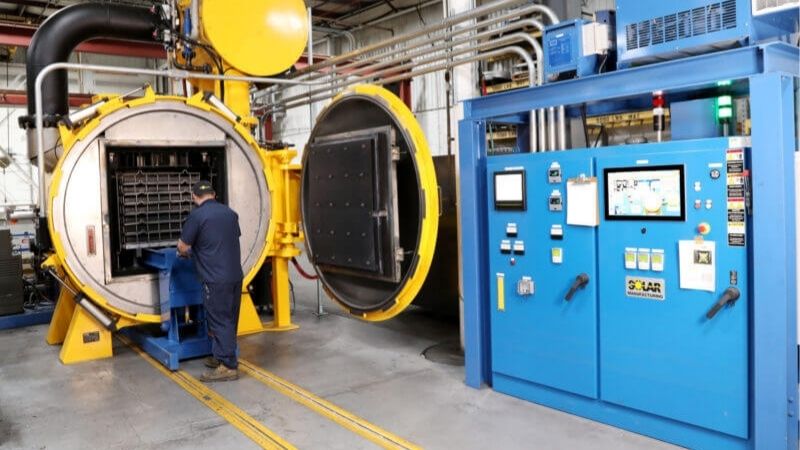
Gas nitriding exposes components to ammonia gas at controlled temperatures, allowing nitrogen to diffuse into the surface. Cost-effective for high batch production, it can also treat fairly complex geometries.
It gives uniform hardness and wear resistance, coupled with dimensional accuracy. Most commonly, gears, crankshafts, and heavy-duty machine parts are processed.
Plasma / Ion Nitriding
Plasma or ion nitriding uses ionized nitrogen under electric fields to penetrate surfaces at lower temperatures. It has the distinct advantage of a high degree of control over case depth and improved resistance while minimizing distortion.
Plasma nitriding serves well on stainless steels and titanium alloys. By developing complex nitride layers while maintaining a ductile core, the process enhances structural integrity.
Salt Bath Nitriding
Salt bath nitriding involves submerging components in a salt bath containing nitriding salts. The nitrogen diffuses rapidly to the surface and creates a hard, wear-resistant layer. It is a faster process than gas nitriding and is suitable for mass production.
It is extensively applied for crankshafts, dies, and gears. It offers excellent hardness, fatigue resistance, and corrosion protection for very demanding industrial applications.
Fluidized Bed Nitriding
In fluidized bed nitriding, components are placed in a bed of heated alumina particles, fluidized by nitrogen or other gases. This provides uniform temperature distribution and regulated nitrogen diffusion.
The fluidized bed technique enhances surface hardness while diminishing wear and distortion. The method is fit for medium-to-large production runs and accurate components in need of a uniform nitrided layer.
Other Variations
Other nitriding variations include nitrocarburizing, post-oxidation, and hybrid plasma methods. Nitrocarburizing introduces carbon to generate a carbonitride layer for additional hardness and wear resistance.
Post-oxidation requires the formation of protective oxide coatings. Advanced solutions combine these techniques. It meets specified industrial requirements for ensuring extreme durability, corrosion resistance, and low-maintenance properties for critical mechanical components.
Materials Used in Nitriding
Low Carbon Steels
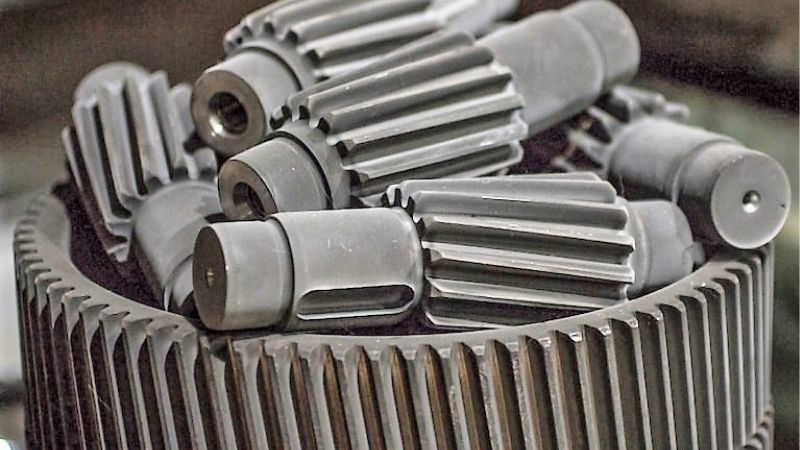
Low-carbon steels with a typical carbon content of less than 0.25% are conducive to nitriding due to their lower susceptibility toward the formation of unstable nitrides. Nitriding affects surface hardness and wear resistance when the ductility of the core is retained.
These include examples like 1018, 4140, and 4340 steels used for shafts, gears, and automotive parts. During this process, both precision and durability are of utmost importance.
Aciers à outils
Nitriding is applied to some tool steels like H13, P20, and D2. It increases the service life of molds, dies, and cutting tools used in hot or cold working applications, where surface performance and dimension stability are focus areas.
Stainless Steels
Stainless steels such as 410, 416, and 17-4PH can be treated by nitriding. It produces a hardened superficial layer that does not affect the corrosion-resisting properties of the core. Valves, shafts, and surgical instruments can have surface hardness, but they also have to be kept in hygienic environments.
Alliages d'aluminium
Nitriding of aluminum alloys can be treated using plasma and nitrocarburizing processes. Nitrogen and sometimes carbon are introduced into the surface to provide a skin that improves both wear and tensile strength. Nitrided or nitrocarburized aluminum alloys found applications in pistons, aerospace structures, and automotive components.
Alliages de titane
Titanium alloys like Ti-6Al-4V respond favorably to plasma nitriding. This method results in enhanced surface inflexibility and wear resistance, while maintaining core ductility and fracture toughness. Nitriding of titanium becomes relevant in aerospace applications, medical implants, and high-performance mechanical parts.
Other Alloys
Nickel-based superalloys, cobalt alloys, and advanced ferrous alloys also undergo nitriding. It imparts surface hardness, improves fatigue resistance, and extends life. Nitriding solutions meet the performance demands of the automotive, aerospace, and tooling industries in which high-end industrial components are used.
Equipment and Consumables for Nitriding
Nitriding requires specialized furnaces, gas supplies, and monitoring systems to ensure controlled nitrogen diffusion. The equipment required consists of gas retorts, plasma generators, salt bath furnaces, and fluidized bed systems. Precise control over temperature, time, and atmosphere is essential for obtaining a consistent surface hardness and minimum distortion.
Consumables include high-purity nitrogen or ammonia gas, cyanide salts, alumina powders, and necessary auxiliary fixtures. Proper monitoring gives reproducible results, whether using liquid nitriding process methods or plasma technologies. These tools let manufacturers produce components of high quality, proven to be wear and corrosion resistant.
Nitriding Process
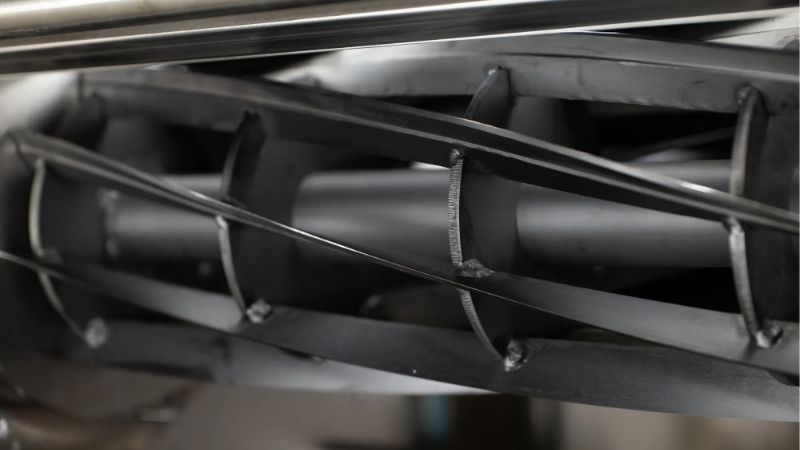
Nitriding as a process begins by cleaning and degreasing to remove surface contaminants. This holds the load within the furnaces and allows even nitrogen-rich exposure to the surrounding environments. Controlled heating and holding periods allow nitrogen to diffuse uniformly and form a hard nitride layer on the surface.
Post-diffusion, quenching, grinding, or polishing treatments may be applied to parts. It is very important to control the process of case depth, distortion, and forming stable nitride phases. Process control goes much further, where industrial applications favor the liquid nitriding process methods. Advanced nitriding solutions are designed with high performance and durability of components in mind.
Industrial Applications of Nitriding
With nitriding, surface hardness enhances gears, crankshafts, and bearings, and increases fatigue resistance. Components undergo a prolonged service life with very little maintenance in their automotive, aerospace, and industrial machinery. The speciation would apply for surface treatments on high-performance applications while minimizing distortion.
It is also found for cutting tools, dies, molds, and fasteners, where the demand for wear resistance is critical. The result of nitriding surfaces is increased durability as they substitute components less regularly. Advanced solutions offer uniform and reliable results even for complex geometries and critical industrial applications.
Comparison to Other Surface Hardening Processes

Nitriding versus carburizing defines the advantage achieved in reduced heat levels with much less distortion. In contrast to carburizing, nitriding hardens by means of the formation of nitrides, and there is no quenching involved. It preserves the lengths, reduces distortions, and has less residual stress. There is better corrosion resistance and surface hardness with this process when considering low-carbon or alloy steels.
It also offers a more uniform case depth and a ductile core compared to induction or flame hardening. It shows superior performance compared to traditional surface hardening methods in terms of wear resistance, fatigue strength, and dimensional accuracy. If one considers advanced nitriding solutions, then it is an ideal solution for precision engineering and high performance in industrial components.
Conclusion
Nitriding is a cost-effective, accurate, and excellent method to improve metal surfaces. This method brings high surface hardness, wear resistance, and better fatigue strength. It makes an ideal method for industrial applications in highly demanding conditions.
To explore advanced solutions or implement a liquid nitriding process for your components, contact DEK today. Improve durability, minimize maintenance, and achieve superior performance with nitriding for critical mechanical parts.