
What is a Superalloy: Types, Processing & Applications
If you deal with machines, engines, or tools that get very hot or work under a lot of pressure, you need to know about superalloys.
In this blog, you’ll find out what a superalloy is, how it’s made, and why it’s so strong. You’ll also see where it’s used and when it’s better than regular metals.
What is a Superalloy?
A superalloy is a special kind of metal that is stronger and tougher than regular metals. It can handle more heat, stress, and wear without breaking down.
Alloys are made by mixing two or more elements, and at least one of them is a metal. For example, steel is an alloy made from iron and carbon. Superalloys are a step above, as they are made to work in extreme conditions. Most superalloys are based on nickel, cobalt, or iron.
Other Terms for Superalloys
You might hear a superalloy called a high-performance alloy. Don’t mix up superalloys with regular alloys. Regular alloys can’t handle high heat or stress very well. There’s also a name called Nimonic. This is a group of nickel superalloys that stay strong at high temperatures and don’t stretch much over time.
How are Superalloys Produced?
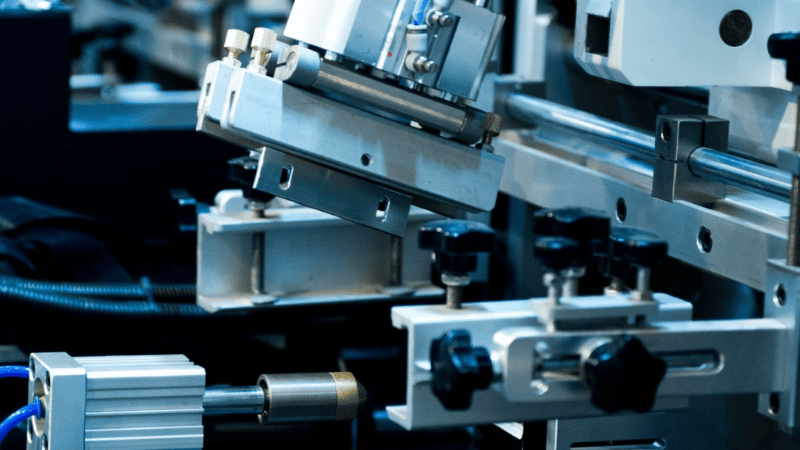
Superalloys are made by a process called coulée. This means you melt the metal, pour it into a mold, and let it cool. There are two special ways to cast superalloys: directionally solidified casting and single-crystal casting.
In directionally solidified casting, the metal cools slowly in one direction. This helps the inside structure grow in a strong, even way. In single-crystal casting, the cooling is even more careful. The whole part is made from one single crystal. This makes the part stronger by removing weak spots inside the metal.
What Makes Them Unique?
Superalloys are different from regular metals. You don’t use them for everyday things. They’re made for jobs where there’s a lot of heat, pressure, or stress; places where other metals would fail.
At the atomic level, metal atoms line up in neat rows, kind of like a grid. This grid gives metals their strength, but only in certain directions. When you mix in other elements, you make it harder for the rows to slide. That makes the metal stronger.
Nickel-based superalloys go even further. Their atoms form two stable layers that protect them from breaking, stretching, or wearing out. This process is called precipitation hardening. It’s also used in strong materials like aluminum and stainless steel.
Physical Properties of Superalloys
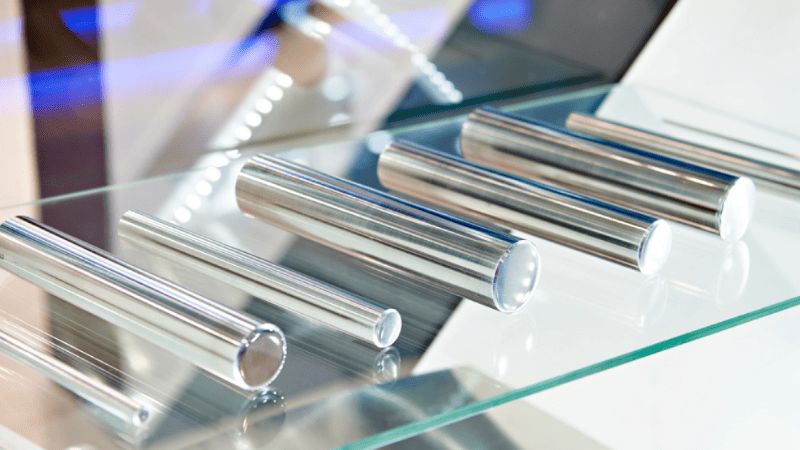
Superalloys are known for:
- Resisting oxidation
- Resisting friction
- Staying strong under stress
- Handling very high heat
Mechanical Properties of Superalloys
But that’s not all they offer because superalloys also:
- Resist slow stretching over time (high creep resistance)
- Resist wearing down
- Last longer under repeated stress (high fatigue life)
- They are very hard and tough
Chemical Properties of Superalloys
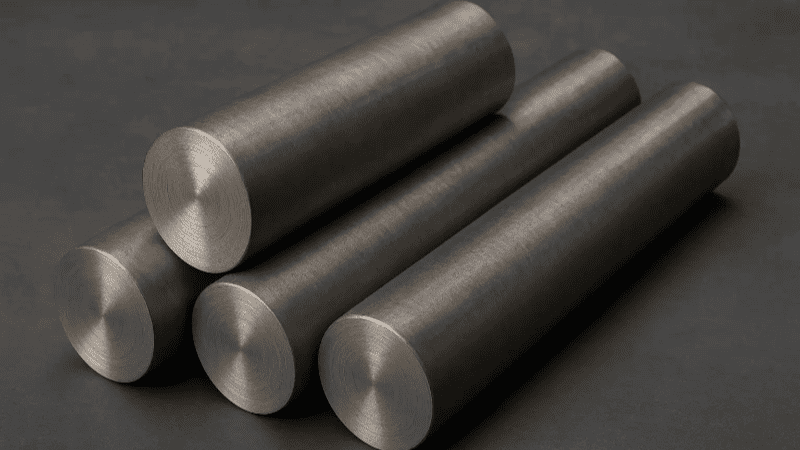
One of the best chemical features of superalloys is their corrosion resistance. This means they don’t rust or break down easily when exposed to air, moisture, or chemicals.
To get this protection, part of the superalloy (usually aluminium or chromium) forms a protective layer on the outside. This layer keeps oxygen from getting in and damaging the metal underneath. You’ll find this in nickel, cobalt, and iron superalloys. The protective layer must fully cover the surface to work well.
Types of Superalloys
There are five main types of superalloys you should know about, and here’s a simple look at each one:
Nickel-Based Superalloys
These superalloys are mostly made from nickel mixed with aluminum or titanium. You find them in jet engine parts like turbine blades and turbochargers because they stay strong even when things get very hot. One popular nickel superalloy is called Inconel. It has nickel and chromium, which help it resist rust and damage at high temperatures.
Iron-Based Superalloys
Iron-based superalloys are made from iron mixed with nickel or chromium. These are cheaper than other superalloys and are known for resisting wear. You’ll find them in parts like aircraft bearings that have a lot of moving contact.
Cobalt-Based Superalloys
Cobalt superalloys contain about 50 to 60% cobalt, mixed with chromium and tungsten. These alloys are very strong and last a long time under repeated stress at high temperatures. Because they resist corrosion well, they are used in gas turbine parts that are exposed to air.
Titanium-Based Superalloys
Titanium-based superalloys are made from titanium mixed with about 11% molybdenum. This composition lowers how much the metal bends under force. Titanium superalloys are very hard. You often see them used in airplanes and medical devices. One common example is Ti6AL4V, which is a mix of titanium and aluminum.
Niobium-Based Superalloys
Niobium-based superalloys usually combine niobium and nickel. They are not as strong as some other nickel superalloys, but they keep their strength better when heated. Because of this, niobium alloys are used in jet engines and rockets where heat resistance is important.
Processing of Superalloys

To make superalloys, you need special methods and careful control of temperature. Most nickel-based superalloys are shaped by casting. Cold forming is sometimes used, but it gives weaker parts.
Directionally Solidified Casting (DS)
This method started in the 1960s. The metal is poured in a furnace so you can control the heat. The mold is slowly pulled out, cooling from the bottom up. One side of the mold is kept cold using water.
This helps the metal grains grow in one direction. The result is a part that’s stronger in that direction, which is great for jet engine parts. Pratt & Whitney used this method in 1969 for the SR-71 Blackbird.
Single Crystal Casting (SC)
Single crystal casting takes it a step further. It grows the part from one single metal crystal. This removes weak spots where grains usually meet.
The mold has curves and twists to stop new crystals from forming. Temperature control is critical; if it’s off, the whole part can fail. This method gives you very strong and heat-resistant parts, perfect for aerospace.
Application of Superalloys

Below are some of the applications where you can use superalloys:
Dispositifs médicaux
You’ll find nickel superalloys in surgical tools, implants, and hospital equipment. They’re clean, resist rust, and can be made with a smooth finish. This helps keep things safe and hygienic.
Industrie automobile
In cars and trucks, you can use superalloys in turbochargers. These parts face high heat, and superalloys can handle that without breaking down.
Production d'électricité
In power plants, you’ll see superalloys in turbines, boilers, furnaces, and heat exchangers. All of these work in hot, harsh conditions, and superalloys won’t corrode or weaken easily.
Industrie du pétrole et du gaz
If you’re drilling deep, underground or underwater, you need strong materials. Superalloys work well for drill casings and mandrels because they resist high pressure and corrosion.
Chemical Processing
When dealing with chemicals, you can use superalloys in valves and instruments. Alloys like Hastelloy® and Monel® resist corrosion, so your equipment lasts longer.
Électronique
In electronics, superalloys are used in support systems for lasers and telescopes. They don’t expand much with heat, which keeps parts stable and precise.
Military and Defense
For tanks, jets, and ships, you want materials that stay strong under extreme heat. Superalloys are perfect for gas turbines because they’re tough, light, and resist harsh environments.
Aérospatiale
You’ll use superalloys in jet engines because they stay strong even at very high temperatures. This improves engine power without adding too much weight, which is critical for flight.
Advantages of Superalloys
The biggest benefit of using superalloys is that they can handle very high temperatures. You also get these benefits:
- They’re very strong.
- They resist rust and chemicals
- They keep their shape and surface over time.
- They don’t stretch or deform easily under heat and stress.
Disadvantages of Superalloys
The main downside is the high price. You may also face these issues:
- They’re hard to cut or shape because they’re so tough.
- They don’t carry heat well, which can cause cracking from heat stress.
- They need special and complicated methods to cast and make.
Superalloys vs. Regular Alloys
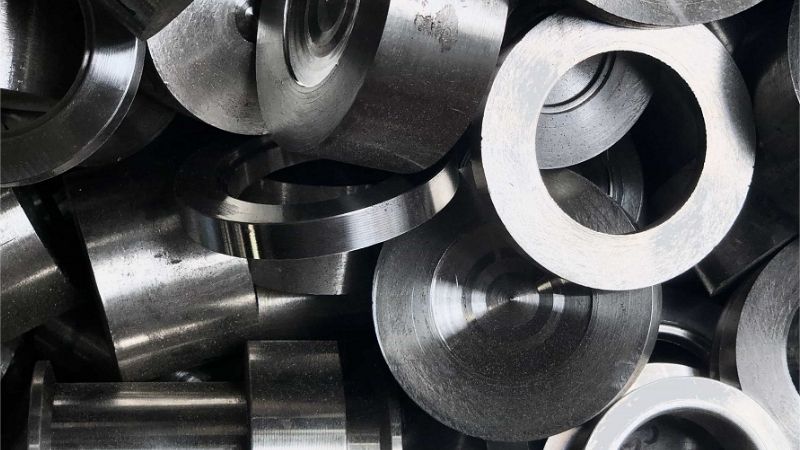
As mentioned earlier, superalloys are much stronger and more resistant than regular alloys. Regular metals have a structure that can easily shift and fail under stress. When you mix metals to make an alloy, the structure gets more solid and blocks that movement.
Superalloys have a special two-phase structure that helps stop different kinds of failures. You can also use them at much higher temperatures than regular alloys.
Superalloys vs. Inconel® Alloys
Inconel® is actually a type of superalloy. It’s made mostly from nickel and is known for handling heat and harsh chemicals really well. The name Inconel® is a brand name that covers about 20 different nickel-based superalloys.
If another company made the same kind of alloy with the same materials, it could work the same, but they’d have to call it something else because of trademarks.
Conclusion
To sum it up, superalloys are the right choice when you need something that can handle high heat, pressure, and wear. They’re stronger and more reliable than regular metals, especially in extreme conditions. Now that you know what they are and how they work, you can feel more confident using them in your work.
If you need help choosing or making parts with superalloys, DEK is here to help you. Just reach out, and we’ll help you find the right solution for your project.
