
Top 10 Applications of Kovar: An Informative Guide
You often work with components that must stay dimensionally stable under heat, pressure, or vacuum. In such situations, the material selection goes hand in hand with performance, reliability, and the life expectancy of the component. Kovar is one of those materials that is not selected in terms of cost, but for accuracy and stability.
This blog will take you through the Top 10 Applications of Kovar. It will provide insight into where to use this alloy, why it is trusted.
What is Kovar Material?
Kovar is a controlled expansion alloy possessing mainly iron, nickel, and cobalt in its alloy composition. It is a type of used material for when thermal expansion must be closely that of glass or ceramic. This unique property prevents cracking, leaking, and seal failure when temperatures change.
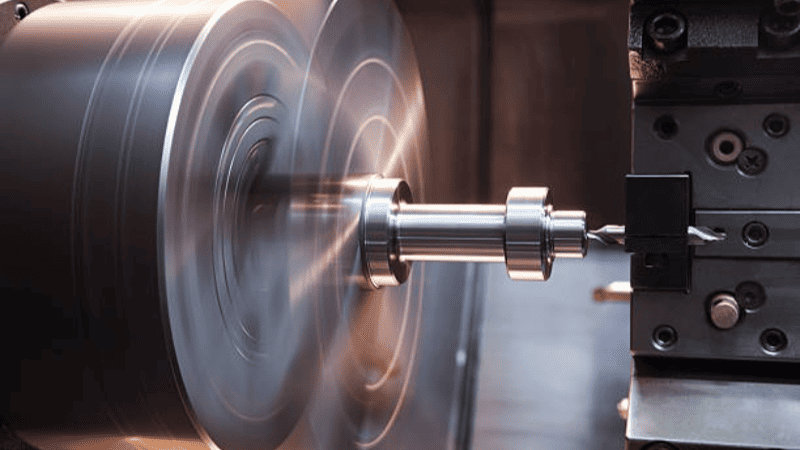
Manufacturing Kovar appoints CNC milling and turning as primary methods in achieving exact tolerances. Its stability means it can easily perfectly seal high vacuum systems and precision electronic frameworks where accuracy may not drift.
Benefits of CNC Machining Kovar
Thermal Expansion Compatibility
You extract all benefits from Kovar expanding at a similar rate to glass and ceramics. Mechanical stress is reduced, improving long-term reliability of the seal in finished parts.
High-Dimensional Stability
Precision dimensioning is possible even in the case of thin walls or complex geometries with CNC machining. This is very important for electronic and optical components.
Excellent Hermetic Sealing Performance
Kovar guarantees airtight, leak-free frameworks. CNC turning provides smooth sealing surfaces for glass-to-metal interfaces.
Reliable Performance in Extreme Conditions
In high temperature, cryogenic, or vacuum conditions, you can depend on Kovar components without dimensional distortion.
Compatibility with Precision CNC Processes
Given the correct parameters. CNC milling and turning produce consistent surface finishes and repeatable results for demanding applications.
Top 10 Applications of Kovar
1. Hermetic Electronic Packaging
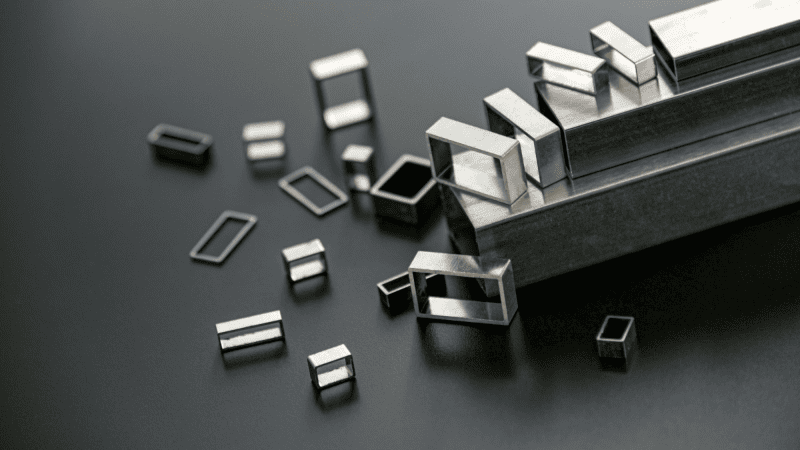
The hermetic electronic packaging commonly employs Kovar to separate sensitive components from moisture, gases, and other contaminants. These sealed housings are important in electronics open to unstable and harsh environments.
Usinage CNC gives you accuracy in enclosure geometry, guarantees alignment, and sealability. The thermal expansion compatibility of Kovar with glass allows the integrity of the seal to remain during temperature cycles. Thereby enhancing the product have reliability and lifetime.
2. Glass-to-Metal Seals (Feedthroughs)
Glass-to-metal seals need materials to be joined without creating stress fractures. Kovar is one of your material choices. It maintains seal integrity through the heating/cooling cycles of the working environment.
CNC turning creates very smooth, concentric feedthroughs that carry electrical signals into sealed environments. These have an important role in vacuum systems, sensors, and high-reliability electronic devices.
3. Power and Microwave Tubes
Kovar is utilized in power and microwave tubes, where electrical performance and thermal stability should coexist. These components are often subjected to high voltage and high frequency.
Dimensional accuracy of structural components is confirmed by CNC milling. The stability of Kovar prevents any warping that may interfere with signal transmission. These support consistent electrical behavior over long operational periods.
4. Aerospace and Defense Sensors
En aérospatiale and defense systems, components undergo extreme changes in temperature, vibrations, and pressures. Kovar is used because it retains dimensional integrity under such conditions.
CNC machining produces sensor housings and enclosures with very tight tolerances. Such tolerances guarantee accurate readings and reliable performance in flight systems, navigation equipment, and defense-grade sensors.
5. Medical Devices and Implants
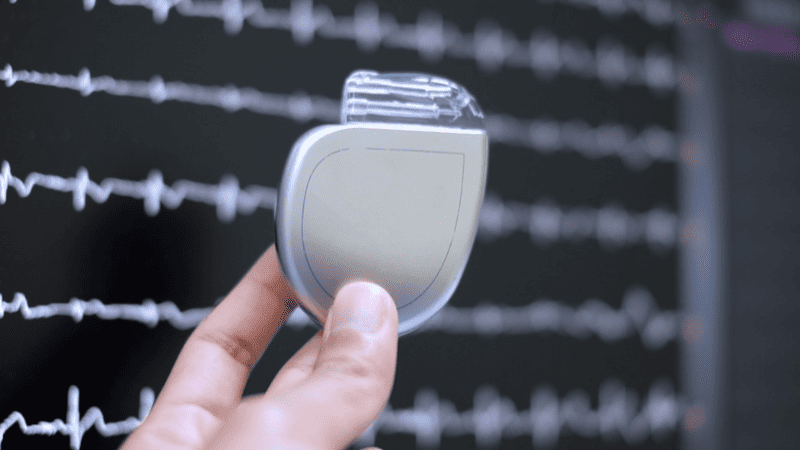
The materials for medical electronics need support in sealing, stability, and reliability. You use Kovar for housings and connectors in both implantable and diagnostic devices.
CNC turning provides for high surface finish and precision interface conditions that favor hermetic sealing. Such capability improves protection for sensitive electronics within medical devices, thus improving patient safety and device lifetime.
6. Optical and Laser Systems
The accuracy of alignment and stabilization of optical systems depends on the physical installation structures. Kovar is used for sealing laser windows and fiber optic feedthroughs without introducing thermal stress.
CNC milling provides you with the ability to manufacture complex housings for optical components with a high degree of accuracy. Kovar keeps the optical alignment intact despite temperature variations.
7. Transistor and Diode Headers
An electrical connection that is dependent on a stable base is what semiconductor components need. Kovar was used as a header material because it accommodated glass-sealed leads while keeping alignment.
CNC turning brings about consistent geometries that confirm a proper fit with semiconductor packages. This increases the electrical reliability and diminishes the failure rates of electronic assemblies.
8. Scientific and Vacuum Instrumentation
They need materials that do not outgas or leak in vacuum environments. You choose Kovar for X-ray applications, vacuum chambers, and analytical instruments.
Manufactured by CNC machining, high-precision parts that boost airtight performance. Kovar’s expansion control confirms that seals remain intact during thermal cycling in laboratory environments.
9. Light Bulb and Lamp Bases
Glass-to-metal sealing is costly but important for durability in commercial lighting. Kovar was chosen to be placed in lamp bases to support uniformity of seal between glass bulbs and metal contacts.
CNC turning ensures the dimensional consistency across high-volume production. This improves the reliability while reducing defects caused by seal failure.
10. Advanced Research Components
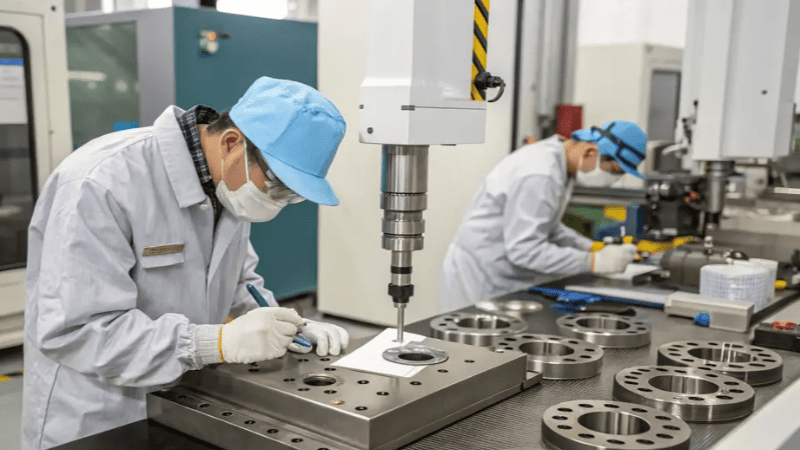
Most research environments often require custom parts for extreme temperatures or experimental conditions. Kovar is useful for cryogenic systems or high-temperature test assemblies. Kovar's stability guarantees accurate results in scientific experimentation and advanced material research.
Factors to Consider When Machining Kovar
Machining Kovar requires tool selection, cutting speed, and heat control. The material can harden work, hence stable CNC setups are very important.
CNC mill and turn technologies hold the surface quality and dimensional accuracy. In addition, DFM feedback makes these parts easier to manufacture without hurting their performance.
Conclusion
The Top 10 Applications of Kovar demonstrate why this alloy is important in electronics, aerospace, medical, optical, and research industries. Its controlled thermal expansion and sealing performance make it a trusted material for high-reliability components.
DEK supports your Kovar manufacturing needs through precision CNC milling and turning while providing practical DFM feedback. This ensures your parts achieve consistent quality, accuracy, and efficient production outcomes.
