
Oil and Gas CNC Machining: Inconel 718, Duplex, and Superalloy Parts
Oil and gas CNC machining is a force behind energy production in the modern day. When machining components, ‘’good enough” is not a standard. Every component must withstand pressure and corrosion. It’s no longer about just cutting materials but about making sure the materials are ready for survival in the field.
To turn hard-to-machine and high-strength alloys into functional components, the industry relies on precision techniques. That’s where it becomes clear that the success of a project relies on how materials are handled during machining.
What is Oil and Gas CNC Machining?
At its core, oil and gas machining is a part of the manufacturing industry that produces heavy-duty components used by the energy sector for various functions. This machining process is focused on parts that need to survive the harshest environments during operation. Through the help of computer-controlled tools, complex shapes of components are carved out of incredibly tough materials while ensuring that the required shapes and sizes are met.
Parts are built to survive brutal conditions from cryogenic low of 196°C to an extreme heat of 800°F. The parts must also stay firm against pressures as far as 15,000 psi. While in terms of corrosion, components should resist seawater, H2S, and exposure to CO2. That is fairly the reason why oil and gas CNC machining is highly focused on the materials’ durability.
Benefits of Oil and Gas CNC Machining
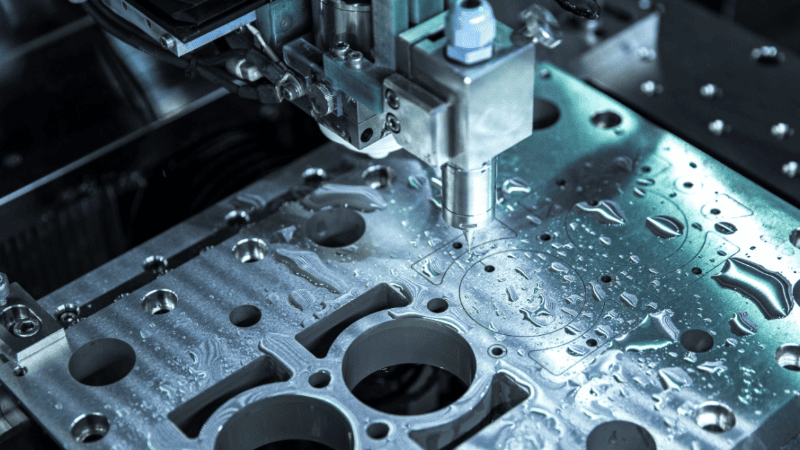
This process helps create parts that can efficiently function under extreme environments with zero errors to avoid downtime. Strict operational standards are implemented to ensure that each component is within the standard.
Tight Tolerances and Exceptional Surface Finishes
Microscopic precision must be achieved to prevent leaks in high-pressure systems. On the other hand, smooth finishes reduce friction that prevents mechanical wear and damage.
Complex Geometric Capabilities
The demand for modern energy equipment for shapes and intricate internal channels can be difficult or even impossible for manual tools. CNC technology is used to carve these complex components out of huge solid blocks if metals with ensured accuracy.
Scalable Production
Consistency is critical when we need to supply large-scale productions without variations between parts. By using computer programs, identical final products can be produced in hundreds of cycles.
Regulatory Compliance Support
Because there is a need to comply with the energy sector’s safety standards, digital tracking for quality logs is provided by CNC systems. This guarantees that every component meets industry codes using accurate and repeatable data.
Durability and Longevity
To produce parts that are required to survive intense heat and corrosive environments, we work with high-grade alloys. They are reliable in terms of extending the life of machines and reducing the frequency of repairs.
Materials Used for Oil and Gas CNC Machining Products
Inconel 718
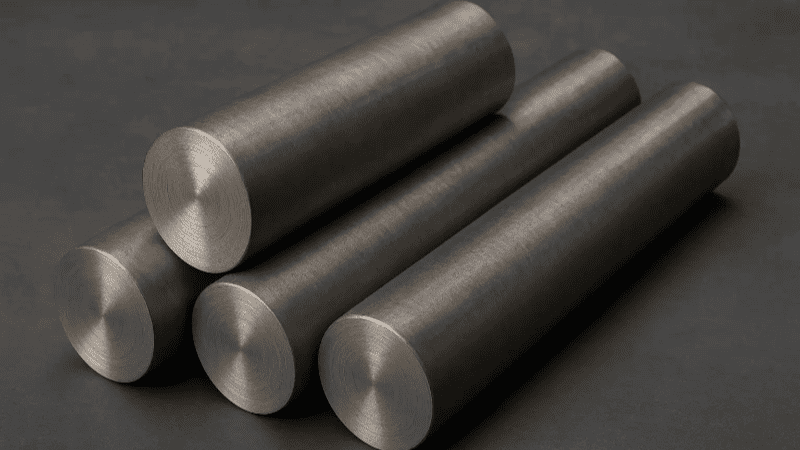
When we need a material that needs to survive extreme temperatures without compromising strength, we turn to this nickel-based super alloy. This material is known to be very difficult to cut, but its ability to provide incredible oxidation and great corrosion resistance is much needed for wellhead components and gas turbines.
Duplex
This material is the choice when a balance of extreme resistance to stress corrosion cracking and high strength is required. The unique chemical structure of duplex helps in creating lighter and thinner parts that can keep up with the extreme pressure of the offshore drilling environment.
Superalloy Parts
Super alloy parts guarantee that the critical systems remain stable under extreme mechanical and thermal loads. A material like this is needed for long-term reliability, especially in deep-water exploration when maintenance is challenging or may even be impossible.
Top Practices for Oil and Gas CNC Machining
We follow specific protocols that ensure every component is field-ready. Through these practices, we maintain the highest standards in oil and gas Usinage CNC. Quality doesn’t end in focusing on the final shape and appearance; it’s also about the integrity of processes and materials.
Right Tool and Speed
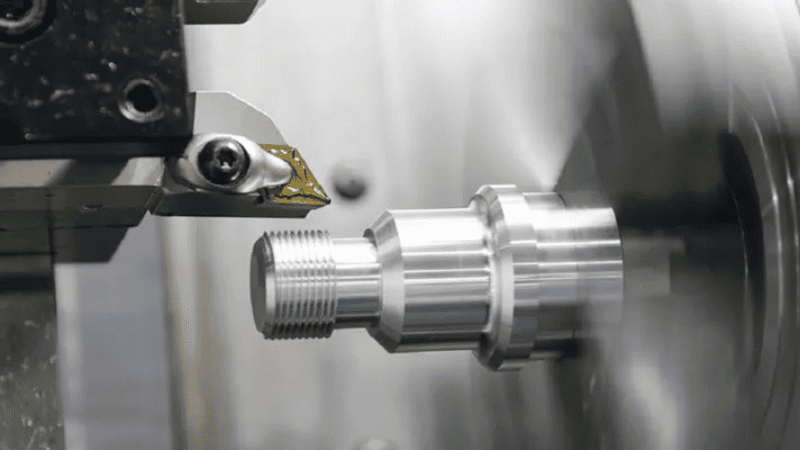
Carefully matching material grade to cutting tools is required when working with hardened alloys. Managing the spindle speeds and feed rates is also important to avoid heat buildup. Such issues can ruin the tool or even compromise the material.
Production Efficiency Optimization
Streamlining workflows evidently shortens lead times and reduces waste. We ensure that oil and gas CNC machining remains cost-effective by refining our programming setup phases. This also helps us keep up with meeting project deadlines.
Precision Enhancement Techniques
To eliminate vibrations during the cutting process, we utilize advanced stabilization methods. These methods allow us to get the needed tolérances serrées, no matter how incredibly strict they are.
Components must seal perfectly under extreme pressure.
NDT and CMM
Non-Destructive Testing is needed to evaluate if there are any internal flaws without damaging the component. While Coordinate Measuring Machines help measure physical dimensions of the final result, if it matches the digital blueprints with utmost accuracy.
Pressure Testing
We get confidence that our oil and gas CNC machining final results are safe and will perform at their best in deep waters or extreme heat by putting them to pressure tests. Before dispatching parts, they are often subjected to tests that expose them to extreme pressure that simulate real-world conditions.
Top Oil and Gas CNC Machining Applications Using Inconel 718, Duplex, and Superalloy Parts
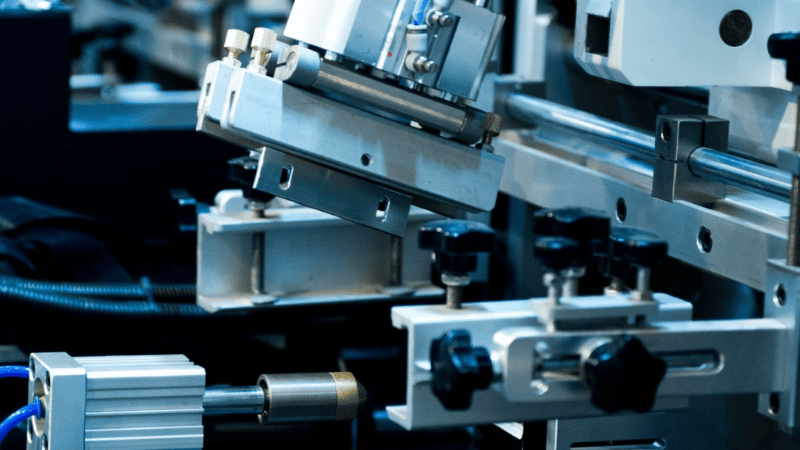
The stakes are high in this industry, which is why we focus on producing components that are guaranteed to reliably perform in the most extreme conditions. Oil Gas & Machining is essential for producing parts that withstand the major causes of wear and damage.
Let’s discuss the primary products we produce.
Subsea Valve Stems and Seats
These parts are important to ensure the safety and control of the flow of subsea “Christmas trees” that may lead to environmental disasters when compromised. We use Inconel 718 for the internal part of the valve. This material maintains its strength even when exposed to hydrogen sulfide and sour gas.
Downhole Mandrels and Hangers
These parts won't snap and leak, as it supports the weight of the production string because of their resistance to cracking and corrosion. Duplex is the top choice for mandrels and tubing hangers.
High-Pressure Manifolds and Connectors
We machine complex junctions and connectors for subsea manifolds, and we use superalloy parts to create them. They offer the thermal stability needed for components. This stability is needed when extremely hot fluids from the earth meet the ocean floor’s freezing temperatures.
Turbine Blades and Impellers
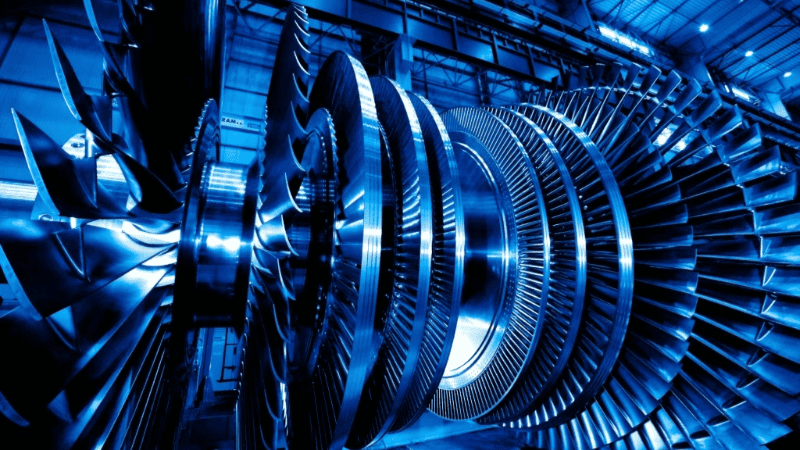
Oil and gas CNC machining is relied upon when it comes to carving powerful turbine blades and accurate aerodynamic structures. We use Inconel 718 to make sure that these blades will not deform under the centrifugal force of a spinning turbine, and then they are exposed to intense heat.
Offshore Fasteners and Couplings
To significantly reduce the frequency of maintenance in hard-to-reach areas, we use Super Duplex. When producing heavy-duty couplings and bolts, it prevents salt spray and brine that can be aggressive in offshore platforms, which causes premature wear.
Conclusion
A strong commitment to a process such as oil and gas CNC machining guarantees that every part is built to survive real-world harsh conditions. Operations can ensure safety and efficiency when the focus shifts to durability and tolerances, and the right choices of materials.
Reach out to DEK so our team of experts can provide the reliability and precision you need for your next project.
