
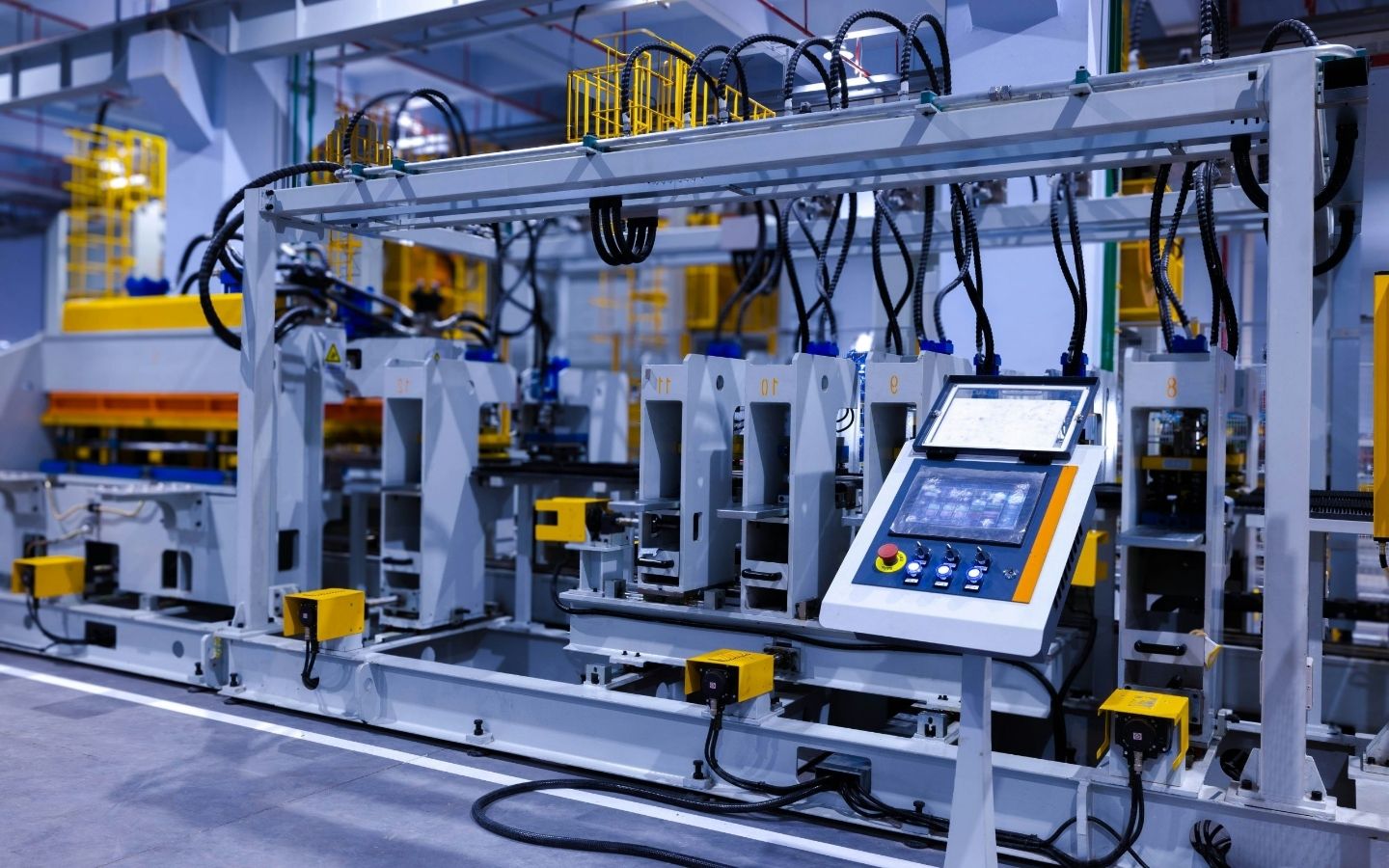
Many years ago, several manufacturing shops thrived from owning sophisticated machines and tools, a team of professionals, inspection facilities, and much more.
This helped many shops generate lots of revenue and achieve success. In today's world, globalization has taken over. And as such, it’s longer about what you own but how connected you are to the outside world.
I’ve seen shops with few machines manage several projects globally while those with advanced equipment operate locally.
From enhancing access to worldwide talents, improving quality, technical capability, and production cycles to enabling easy scalability and supporting international supply chains and diversification, globalization has reshaped how manufacturing industries work.
And the manufacturing companies that thrive today are those that collaborate with shops regardless of their location.
Not just for the cost but for the unique opportunities it offers. In this blog, we explore the crucial topic of how globalization changed manufacturing forever.
The Shift From Local Production to Global Networks
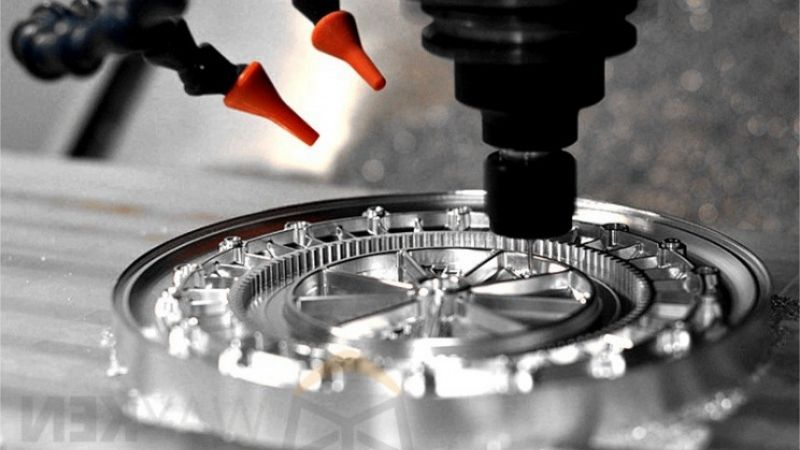
Manufacturers today aren’t focused on regions, but they value exceptional talent, company capacity, specialized manufacturing strength, etc., which has fostered an ever-booming global manufacturing network.
Customers source talent and capacity worldwide
Gone are the days when customers source manufacturing partners within their zones. Today, they care more about expertise, innovation, and capacity rather than distance.
As such, you’ll often see a customer order a complex titanium aerospace part from one country and a plastic housing from another.
Specialized regions emerge for different manufacturing strengths
As globalization continues to change the manufacturing industry, many companies strive for in-depth specialized expertise.
Some focus on aluminum precision machining, rapid electronic prototyping, complex CNC aerospace part machininget bien d'autres choses encore.
This has helped many companies develop an accurate understanding of process workflow rather than trial and error. With more specialized talents, manufacturers no longer search for generalized knowledge.
Supply chains expanded beyond national borders
With globalization, supply chains aren’t limited to national borders. Many products manufactured within one region can now be distributed across many countries, allowing manufacturers to benefit from the global supply chain.
As such, manufacturers are now required to adhere to several regulatory requirements from Normes ISO, the FDA, AS9100, etc.
Why Cost Was Only the First Wave

Several years ago, globalization in manufacturing began due to the pursuit of low-cost labour from other countries. Today, it’s all about quality and technical capability.
And as Tim Cook said, “Price is rarely the most important thing. A cheap product might sell some units, but then you get it home, and the joy is gone.” In as much as price matters, quality matters most.
Early outsourcing driven by labor cost differences
In the early phase of globalization, many manufacturers worked with partners abroad due to the low cost of labour compared to their home country.
However, this simple networking opened many doors for many international companies as they got to consistently collaborate with different suppliers.
Over time, quality and capability in other regions improved rapidly
Over time, many of the international manufacturing companies begin to move from just producing parts to ensuring quality and building capacity.
Advanced machines secured, expert engineers hired, quality material sourced with more thorough documentation and inspection. Then there comes a shift from cheap labour to sophisticated facilities and quality control systems.
Many countries built world-class high-mix, low-volume ecosystems
Beyond focusing on quality and capacity, companies also start diversifying from large-scale, simple parts production to high-mix, low-volume orders. They take in more complex, custom, and unique orders that help build their expertise over time.
Programming and engineering improved, inspection processes were enhanced with minimal setup time, and many companies began developing production efficiency even while handling varying, unique parts.
How Speed Became the New Global Advantage
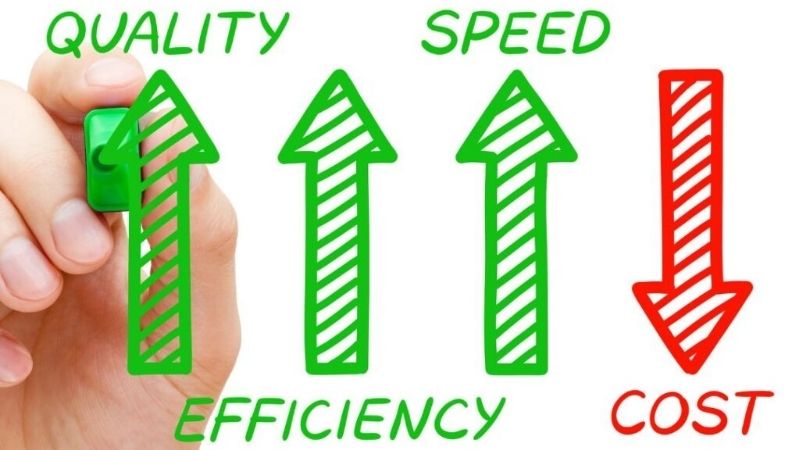
Over the years, I’ve come to understand that the time to market a product is crucial. With globalization, development cycles are now faster, parallel production is efficient, and companies can easily meet demand spikes.
Multi-time zone operations accelerate development cycles
With globalization, partners work with different time zones, thereby accelerating the development cycle.
An engineering team can upload a design at the late hours of the day while the production team begins machining immediately because it’s early morning in their region. This consistent cycle makes production faster than ever before.
Faster prototyping and parallel production reduce lead times
Rather than wait for a local shop to finish a component before beginning another, a company can source different components from different shops across the globe.
With this, every part arrives for assembly almost at the same time, creating room for a fast market product release.
Global partners help companies adapt quickly to demand spikes
When demand increases or a product scales, international partners make it easy for companies to meet up without investing in new machines or tools.
Local shops at this time might be operating at full capacity, and rather than wait, orders are distributed across several international partners. With this, generating huge revenue from the demand spike becomes feasible.
The Rise of Hybrid Manufacturing Models
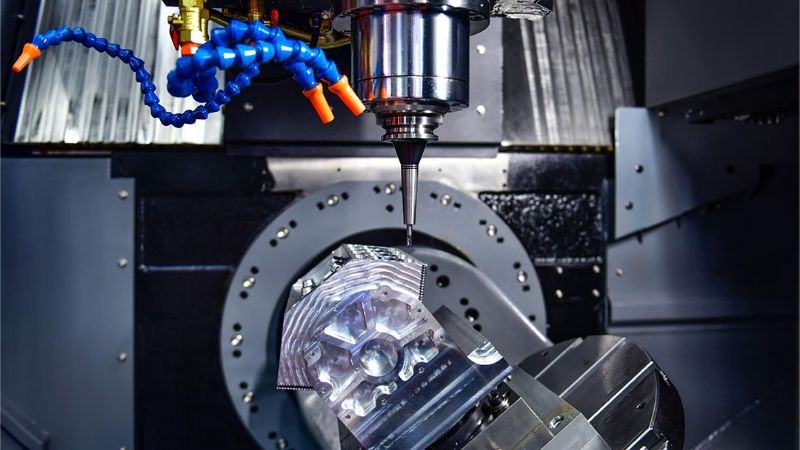
Many shops no longer do everything in-house. In fact, investing in every machine and tool to meet every demand isn’t feasible. Rather, they partner with an external shop for specialized processes while they handle the core jobs.
Internal teams handle core work and customer-facing engineering
Many companies keep their core work within their internal teams. High-level R&D, critical tolerances job, and direct customer engineering support all remain in-house. They maintain a healthy workflow without overburdening their teams.
External partners cover overflow and specialty processes
And while at that, they partner with an external team to meet up with specialty processes. Rather than invest in every machine and tool that’ll most of the time remain idle, they outsource some procedures.
From complex wire EDM to specialized coatings, treatment, and materials, specific procedures are outsourced. And the result is a smooth workflow with consistent revenue.
Networks like DEK serve as flexible extensions of global capacity
Avec DEK, many companies and suppliers have been able to scale and meet demand without investing in expensive machines or hiring more labour.
They simply network with us both locally and internationally, ensuring that reliability, quality, and consistency are maintained.
Risks Companies Didn’t Expect

While globalization has brought many benefits to the industry, inaccurate planning and structure have posed many risks to companies. From poor logistics to regulatory requirements and a lack of diversification, companies face a lot of issues.
Overreliance on single regions creates vulnerabilities
Relying solely on suppliers from a region exposes the business to many risks. Any little disruption, like political changes, natural disasters, restrictions, or problems from the shops itself affect every aspect of the business, making it difficult to meet market demand.
Logistics disruptions magnify weaknesses in planning
Logistics across countries come with varying challenges, especially when there isn’t proper planning. A little error in documentation, packaging, custom delays, or port congestion also brings in more issues.
This has led many companies to treat logistics as part of the manufacturing process. Labelling, documentation, scheduling, and packaging must be accurately planned for effective logistics.
Regulatory differences require stronger documentation and quality control
Operating across borders means adhering to multiple regulatory standards. From material certification to traceability and inspection reports, etc., every region has its quality standards.
This has pushed many companies to maintain strict process control so their product meets global requirements. And as Masaaki Imai noted, “It is impossible to improve any process until it is standardized”.
How Smart Companies Use Globalization Today
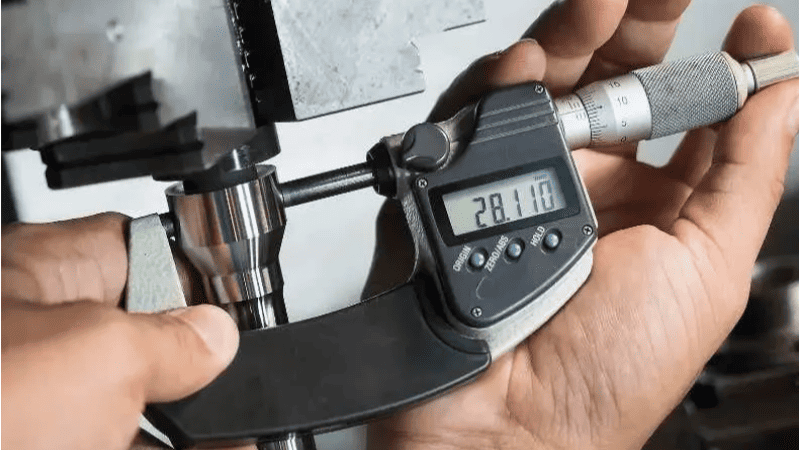
Smart companies collaborate with partners across continents, see these partners as strategic assets and not cheap labour, and build engineering alignment and maintain healthy relationships.
Diversifying suppliers across continents
Many smart companies today have partners across many continents, and this has helped them maintain a healthy workflow without disruption and generated more revenue.
Any issue, restriction, or natural event in one region doesn’t affect their supply chain, as there are other partners to cover up.
Building engineering alignment with international partners
These companies don't just outsource, but they see suppliers as partners and, as such, maintain consistent communication and relationships.
They plan Conception pour la fabrication together, figure out the best materials, techniques, and critical tolerances, etc. These help eliminate errors and revisions while managing cost and maintaining quality.
Treating global capacity as a strategic asset rather than a cost tactic
And rather than partner with global shops because of lower cost, many smart companies see this as an opportunity to maximize international capacity.
When there is a need to manufacture complex parts, specialized materials, or bring in innovation, they strategically use these partners as an asset. With this, they launch products faster, scale easily, and minimize risks.
Conclusion
When we think about how globalization has changed the manufacturing industry, we begin talking about how location doesn’t matter anymore, but technical capability and expertise are taking over.
Many companies have scaled up today and generated a lot of revenue because they are able to collaborate with international shops with advanced facilities, quality control systems, specialized materials, experience, and a lot more.
The focus is no longer about where you are but how innovative, creative, and fast you can accelerate production cycles to meet a spike in market demand.
Companies that thrive today are those that can build healthy relationships with partners across several regions.
Not just for low labour cost but for the varying opportunities. And while this set of companies continues to succeed, others still find it difficult to embrace a global network.
