
Everything You Need to Know about Nitronic 60 CNC Machining
Nitronic 60 is a valuable material used in many critical industries, including aerospace, marine, automotive, etc., due to its high strength, wear, temperature, and corrosion resistance, and its anti-galling features, etc.
However, fabricating this material requires specialized strategies, tools, and expertise. In this guide, we explore all you need to know about CNC machining nitronic 60.
What is Nitronic 60 CNC Machining?
This refers to the process of using computer-controlled tools to cut, form, and shape nitronic 60 material till the desired component is derived.
Unlike stainless steel 304 and 316 and other standard alloys, nitronic 60 is nitrogen-strengthened, which makes its yield strength almost twice that of 304. It is a strong alloy with excellent wear and temperature resistance.
Properties of Nitronic 60 Material
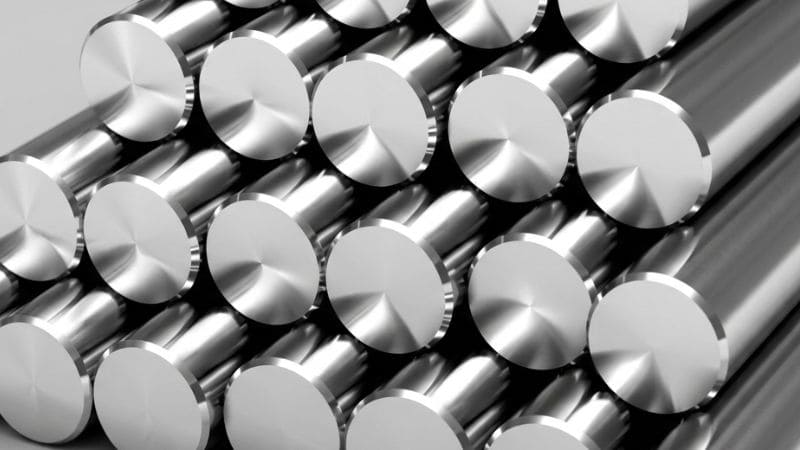
Great Galling Resistance
It has the ability to resist galling, which makes it retain its form when applied in high friction. As such, it is valuable for fasteners, valves, and other sliding structures.
Extreme Temperature Stability
The metal retains its strength even at high temperatures up to 985 degrees Celsius, and makes it suitable for high-heat aerospace applications
Bonne résistance à la corrosion
Its corrosion resistance properties can be compared to those of 304. Nitronic 60 can withstand humid conditions, rust, etc., which helps enhance its life span.
Haute résistance à l'usure
Its tensile strength doubles that of stainless steel 304, making it extremely resistant to wear. Even when used in an environment prone to friction, it maintains its performance over long-term use.
Haute résistance
In its annealed form, its yield strength is about 345MPa. This allows for strong, lightweight components that can withstand mechanical load.
Non-Magnetic Property
Nitronic 60 also maintains its non-magnetic nature even after cold working procedures. This makes it perfect for medical imaging tools, electronic applications, etc.
Table Comparison of Nitronic 60 Material Properties vs. Stainless Steel 304 vs. Stainless Steel 316
| Propriétés | Nitronic 60 | Acier inoxydable 304 | 316 Stainless steel |
| Yield Strength (MPa) | 379-590 | 205-310 | 205-310 |
| Ultimate Tensile Strength (MPa) | 758-965 | 515-620 | 515-620 |
| Hardness (HB) | 170-255 | 70-180 | 70-180 |
| Service Temperature | Up to 1000 degrees Celsius | 925 degrees Celsius | 925 degrees Celsius |
Nitronic 60 Chemical Composition
Chrome 16-18%
Nickel. 8-9%
Manganèse : 7-9%
Silicon: 3.5-4.5%
Nitrogen: 0.08-0.18%
Nitronic 60 Machining Capabilities
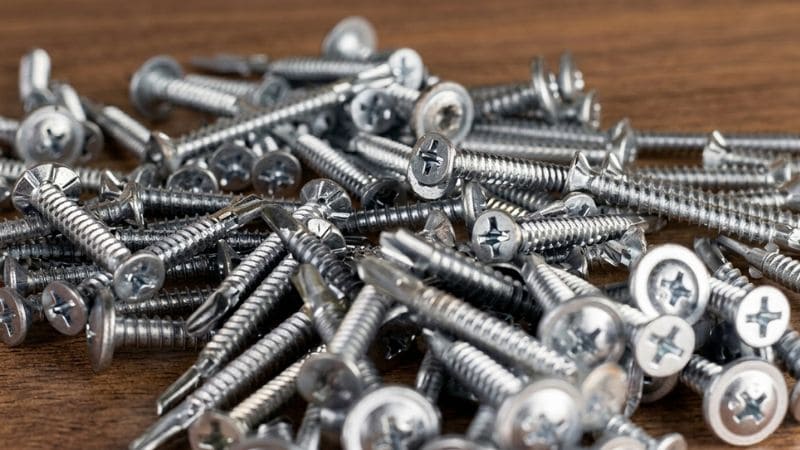
Here are recommended techniques for machining Nitronic 60
Fraisage CNC
When Fraisage CNC nitronic 60 material, a slow feed rate and carbide equipment are utilized to prevent wear.
And because of its toughness, accurate cutting speed within 100 to 150 SFM must be used with coolant to prevent overheating. This process is suitable for complex geometries, pockets, slots, etc.
Tournage CNC
With CNC turning, there must be proper chip control to prevent tangling with the spindle. For tooling, coated carbide inserts are used with a positive rake angle.
Slower cutting speed is also used with coolant. The method is suitable for cylindrical parts like bushings, fasteners, etc.
Swiss Machining
This method is used for small, intricate, but precise nitronic 60 components. Swiss machining is perfect for tight tolerances around ±0.005mm or better.
The process needs adequate tool path programming, and just like the other methods, coolant must be used. Suitable for parts like surgical pins and connectors.
Finishing Treatments for Nitronic 60 CNC-Machined Parts
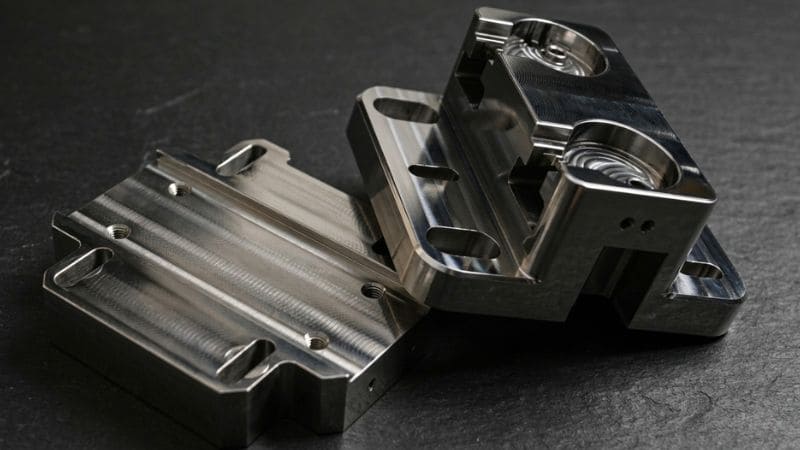
Passivation
Like other stainless steels, passivation is also applied to Nitronic 60. And it involves injecting the component in a nitric or citric acid solution to eliminate contaminants, free iron, etc. The process also enhances corrosion resistance.
Électropolissage
Electropolishing uses an electrochemical procedure to remove the tiny surface layer from the material, resulting in a smooth, mirror-like finish.
The process also improves anti-galling benefits and corrosion resistance, and it is specifically helpful for components used in extreme environments like the marine and chemical sectors.
Blasting or Abrasive Finishing
This method helps create a matte texture and can also be done to prepare a surface for coatings. It also helps eliminate marks from machining, and it is mostly suitable for non-reflective structures.
Coatings
While nitronic 60 is highly wear-resistant, coatings like PVD (Physical Vapor Deposition) can help improve corrosion and wear resistance, hardness, aesthetics, and life span.
Applications of Nitronic 60 CNC Machining
Industrie aérospatiale
- Landing Gear Parts
- Fixations
- Turbine Engine Component
- Control Cable Springs
Marine
- Tiges de soupape
- Propeller Shafts
- Pump Impellers
- Fixations
Automobile
- Valve Seat and Guides
- Exhaust Valves
- Paliers
Pétrole et gaz
- Pump Rods
- Pipeline Fittings
- Downhole tools
Cost-saving Design Tips for Machining Nitronic 60
End Use Applications
Compared to many nickel cobalt-based materials, Nitronic 60 is cheaper and can serve as an alternative. However, CNC machining the alloy is more costly than many other austenitic stainless steels. As such, it should be used for specific, crucial applications.
For example, when designing fasteners that are only critical for their corrosion resistance, and must stay permanently, other stainless steels like 316 might be suitable. If the fastener must be removed frequently, then nitronic 60 becomes crucial to use because of its galling resistance.
Optimize Design to Stock Sizes
Nitronic 60 machinability is low compared to 316 alloy. As such, it is best to optimize component design to fit almost perfectly with stock sizes so as to save more material and coût de l'usinage.
Best Practices for CNC Machining Nitronic 60 Material
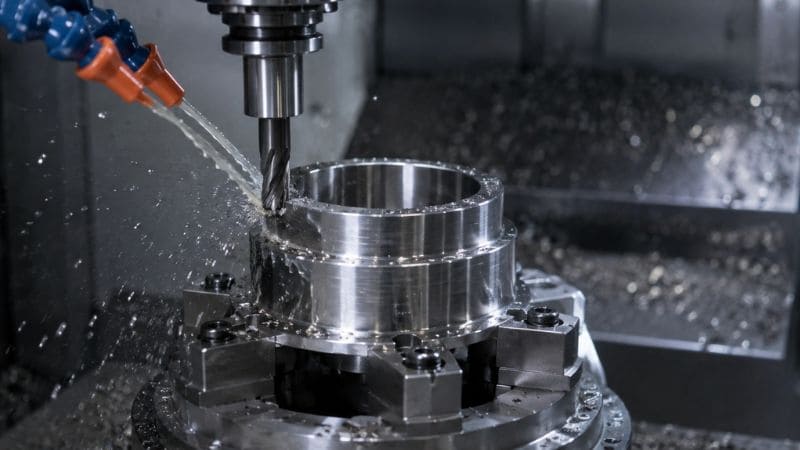
Adhering to the best practices when machining Nitronic 60 is crucial for achieving a precise part with a perfect finish.
A report by the stainless steel institute indicated that the yield strength of Nitronic 60 is about twice that of austenitic stainless steel, and as such, accurate tools and methods must be used for the best result.
By utilizing carbide tools and optimizing feed rate and speed, machining efficiency can be improved while eliminating tool wear.
According to research published in the Journal of Materials Processing Technology, adequate temperature control during machining enhances component integrity and performance. Beyond that, using the right lubricant and coolant is necessary to eliminate tool wear.
Maintenance Tips for Prolonging the Life of Nitronic 60 Components
- Regular cleaning helps eliminate dirt and contaminants that might affect corrosion resistance.
- Environmental conditions like temperature and humidity should be kept at normal as extreme range consistent exposure can cause wear.
- When used in high-load and stress applications, regular inspection should be done to look out for fatigue, cracks, wear, etc.
- Although it withstands galling, lubricant should be applied once in a while to the sliding parts.
Conclusion
While nitronic 60 offers unique properties and benefits as explained above, using the right CNC processes, strategies, and tools is crucial to enhancing machining efficiency, eliminating tool wear, getting a perfect finish, and more.
DEK offers expert CNC machining services to many industries, from aerospace, medical, and drone. We have a wide knowledge of varying material alloys, including Nitronic 60. Contactez-nous.
