
What is Hastelloy: Properties, Types, Applications
Hastelloy is a special alloy that is efficient in performing excellently under conditions of high temperature, corrosion, and extreme stress. A lot of people use this alloy in chemical, aerospace, and energy manufacturing industries where other metals do not perform.
These alloys maintain their structural reliability even after being exposed to very harsh chemicals. This material is long-lasting during CNC machining, milling, or turning, which makes it ideal for challenging industrial environments.
What is Hastelloy Material?
It is basically an alloy composed of nickel. It has been developed as a super-alloy to survive most of the harsh environments. You pick this metal alloy when acids, heat, and mechanical strain have worn down other metals. It is a combination of nickel with chromium, molybdenum, and minor other elements to improve its corrosion resistance.
Uses of this material include reactors, pressure vessels, valves, and any chemical or aerospace components. One would also have the benefit of excellent formability. It could also be used for exact machining by CNC. Hastelloy is chemically resistant and retains mechanical strength, even after long exposure to aggressive chemicals.
What is the Other Term for Hastelloy Metals?
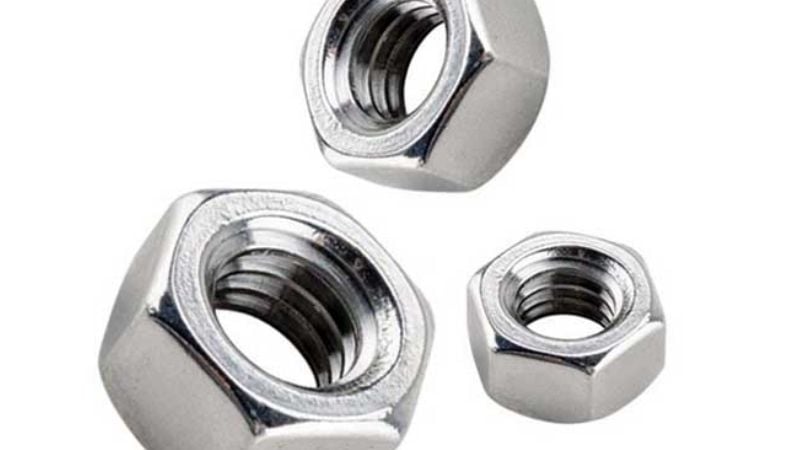
It has no single substitute but is a nickel-based superalloy. Superalloys are custom-made materials used for applications at high temperatures, where strength, thermal stability, and corrosion resistance are prime requisites.
Each grade of Hastelloy-C-276 or B-3 has specific compositions that fall within this general group of superalloys.
What is Hastelloy Made Of?
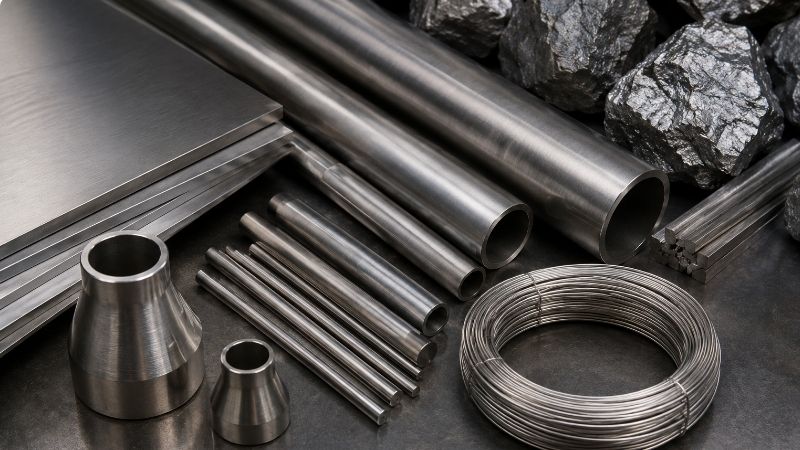
It is composed primarily of nickel, generally in proportions from 40 to 70%. Chromium and molybdenum are added to impart greater corrosion resistance and thermal stability.
Iron, cobalt, tungsten, and small percentages of carbon can be included as applicable to the grade. You get a very well-suited metal for machining, welding, and applications that require long-term aggressive chemical and high-temperature performance.
What is Hastelloy Metal Used For?
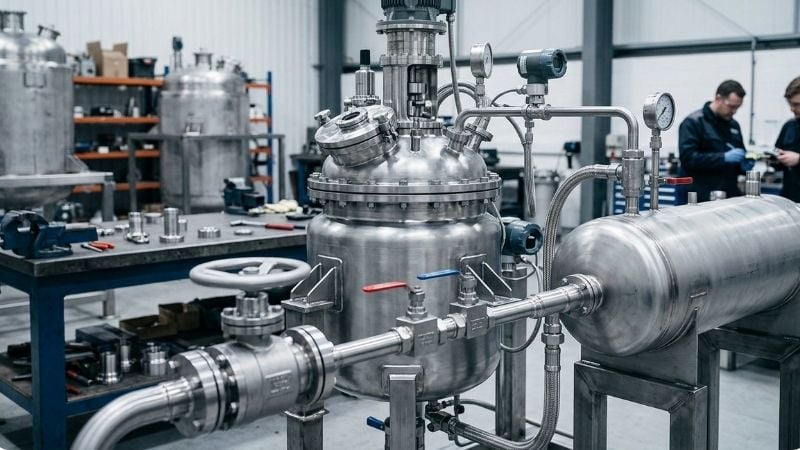
These metals are commonly used for components such as reactors, pressure vessels, and valves. On the other hand, chemical process equipment is exposed to corrosive acids, chlorides, and oxidizing agents.
Today, aerospace and energy systems widely use the material. Even when Fresatura CNC or turning is applied, it addresses precision and surface quality in terms of maintaining dimensional fidelity by having tight tolerances and long production cycles.
Chemical Properties of Hastelloys
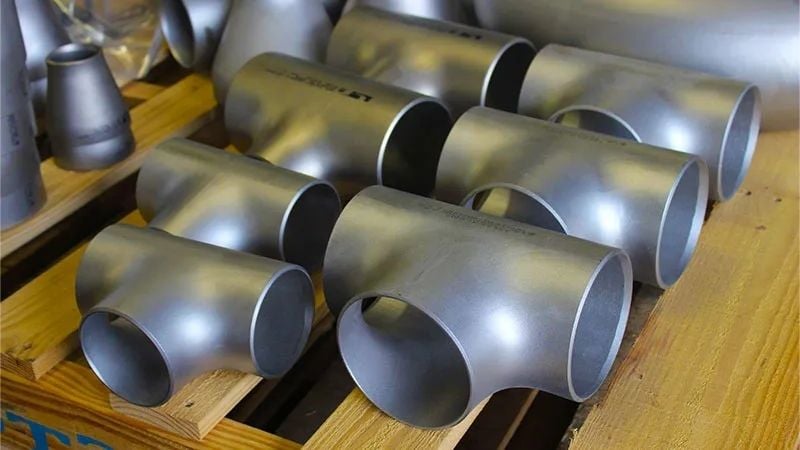
It has excellent chemical resistance. The benefits include the corrosion resistance of acids, alkalies, chlorides, and strong oxidizing agents. It also withstands pitting, crevice corrosion, and stress corrosion cracking.
With high chemical stability, you can use it safely without compromising corrosion protection during operation in chemical and industrial environments.
Physical Properties Table of Hastelloys
| Tipo | Densità (g/cm³) | Punto di fusione (°C) | Tensile Strength (MPa) | Resistenza allo snervamento (MPa) | Allungamento (%) |
| B-2 | 9.2 | 1370 | 760 | 350 | 40 |
| B-3 | 9.2 | 1370 | 760 | 350 | 40 |
| C-4 | 8.64 | 1350–1400 | 783 | 365 | 55 |
| C-22 | 8.69 | 1399 | 690 | 310 | 45 |
| C-276 | 8.89 | 1370 | 790 | 355 | 40 |
| X | 8.22 | 1355 | 655 | 240 | 35 |
| N | 8.40 | 1370 | 720 | 330 | 42 |
Different Hastelloy Grades
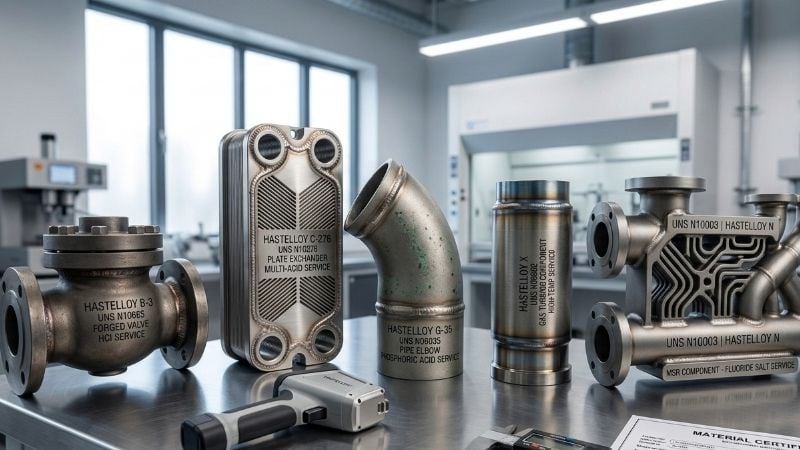
B-Type Hastelloys
B-Type Hastelloys can be defined as having substantial molybdenum content and good performance in reducing environments. Typically, B-2 is used when you are exposed to hydrochloric acid, and B-3 has better thermal stability than B-2.
CNC operations have to be controlled concerning cutting speed. It feeds in order to avoid work hardening and possible very narrow features, part accuracy, and surface quality.
C-Type Hastelloy
C-Type Hastelloy uses a good combination of nickel, chromium, and molybdenum. For example, C4, C276, and C22 are available grades with wide corrosion resistance.
It offers good weldability and formability. With correct milling, turning, and DFM feedback, you grab accurate, strong parts suitable for chemical processes or aerospace requirements.
G-Type Hastelloys
Higher silicon and lower molybdenum make up G-Type Hastelloys. G3, G30, and G35 are examples for use in phosphoric acid environments.
These alloys maintain high resistance to corrosion with excellent mechanical strength. Controlled CNC operations lower stress, distortion, and yield long-lived components used in chemical and energy systems.
Hastelloy X
It is known for its remarkable strength at high temperatures in combination with very good oxidation resistance. The focusing application in HAC turbines and industrial furnaces is are case.
This material maintains integrity considering thermal stress. CNC operations provide necessary precautions, such as considering heat buildup, chip control, and cutting parameters.
Hastelloy N
It is excellent for oxidation resistance under higher temperature conditions. This material is applied in chemical processes and molten salt applications.
The strategies for Lavorazione CNC include gradual cuts and tool control to achieve accuracy and durability in dimension tolerance under high temperatures and in chemically aggressive media.
Advantages of Hastelloys
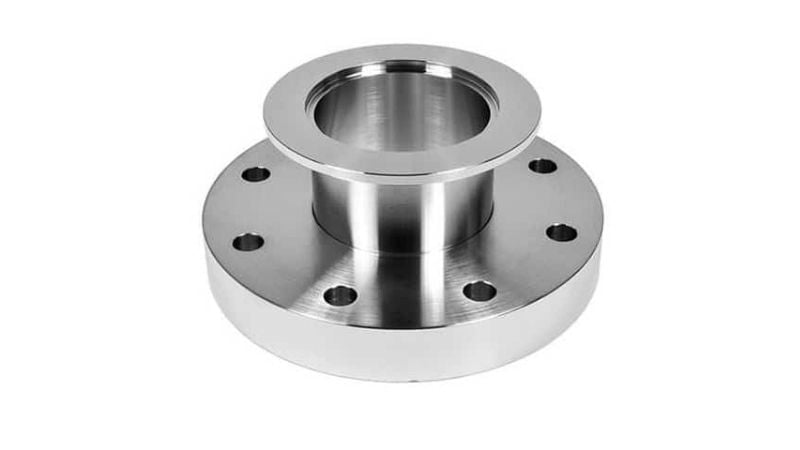
Exceptional Corrosion Resistance
It resists a variety of chemicals, acids, alkalis, and salts. It makes them very suitable for all-wear applications, decreasing maintenance for some HASS applications.
High-Temperature Strength
It has good retention of mechanical properties at high temperatures. It makes them ideal for gas turbines, reactors, boilers, and other hot equipment.
Long Service Life
These alloys can spend decades in a corrosive or highly stressed environment. Their frequency of replacement is minimal, thus taking home the costs of industrial applications.
Excellent Workability
It can be formed, spun, and machined with proper tools, achieving precise components suitable for CNC machining or fabrication.
Resistance to Stress Corrosion Cracking
They resist cracking, pitting, and crevice corrosion under stress and have proven durability in chemical and petrochemical applications.
Disadvantages of Hastelloys
Costo elevato
These are more expensive than stainless steel and other alloys. This may limit some uses in cost-sensitive projects.
Machining Difficulty
There are issues, such as work hardening or a lack of thermal conductivity. The difficulty of tool adhesion makes it hard to machine. You need special tools and techniques.
Limited Availability
Limited availability of some specific grades may delay projects.
Welding Challenges
Welding of Hastelloy requires careful control of heat input and appropriate filler metals. Improper welding may lead to poor corrosion resistance and loss of structural integrity.
Heavy Material
Compared to stainless steel, these alloys have a higher density, making them heavier. This can impact the weight considerations of equipment.
Applications of Hastelloys
Liners
The liners of Hastelloy are corrosion protective in tanks and reactors. Reduce cost and keep chemical resistance superiority. Tight-tolerance CNC machining produces seamless lining, resulting in longevity in the life of the equipment.
Pressure Vessels
Hastelloy pressure vessels act under pressure and at the same time tolerate corrosive liquids safely. You rely on them for critical chemical or petrochemical operations. Controlled welding and CNC finishing maintain structural integrity and prevent leaks over decades of service.
Turbine Combustors
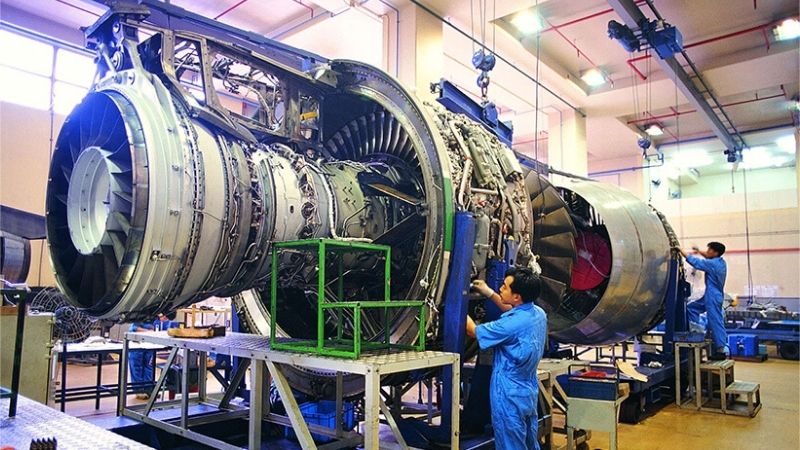
Hastelloy X sustains maximum temperatures in turbine combustors. You gain oxidizing resistance and stability even after prolonged use. Proper machining ensures airflow, thermal management, and durability, hence making it trustworthy for aerospace and energy systems combustors.
Pipes or Valves
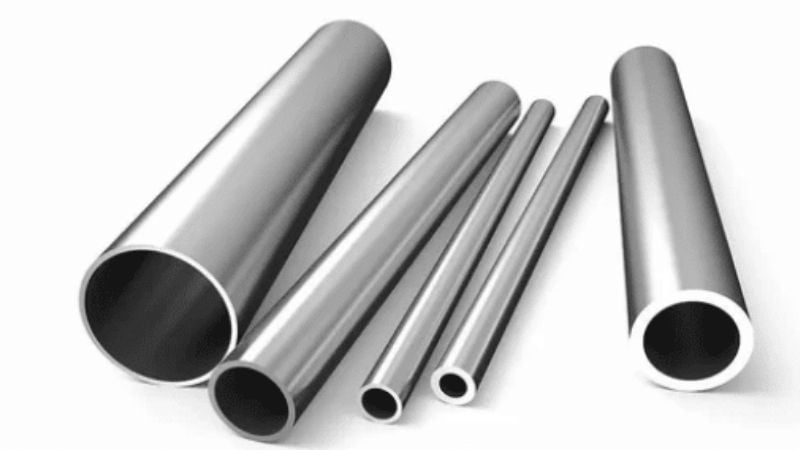
Hastelloy pipes and valves transport aggressive chemicals safely. You reduce the risk of leakage or corrosion in industrial pipelines. Turning and milling with CNC controls prevents distortion and maintains corrosion resistance, ensuring long-term service
Hastelloy vs Inconel
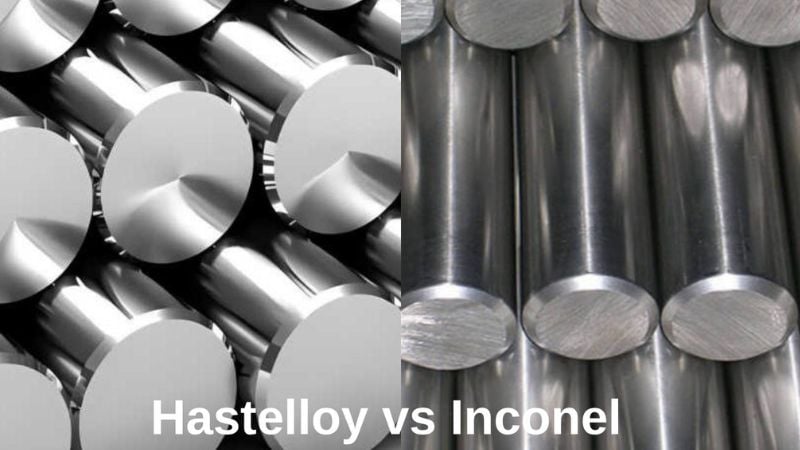
Both are considered superalloys with very impressive high performance. Their applications are distinct; they are primarily designed for corrosion resistance in acidic or chemical environments.
Inconel stands out in terms of high-temperature strength and oxidation resistance. It uses this property for applications like gas turbines and jet engines, and furnace components. Hence, under stress and chemical exposure, Inconel performs well but excels in thermal stability.
CNC machining and forming require different parameters for each alloy. DFM planning ensures part accuracy, long service life, and reliability under their respective operational conditions.
Hastelloy vs Monel
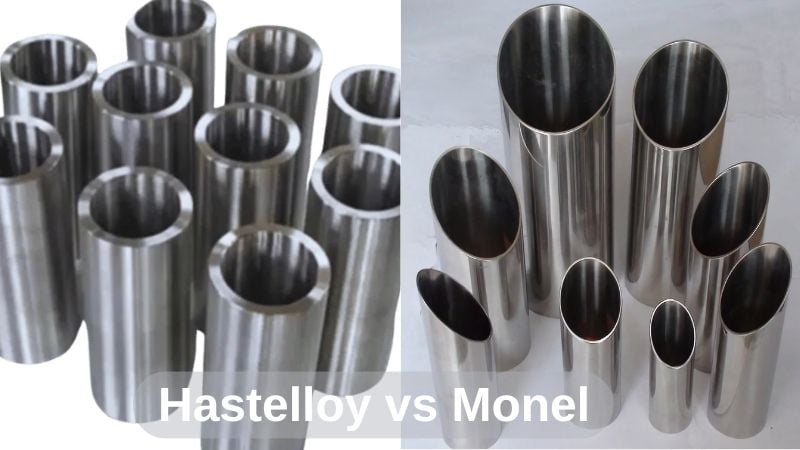
Like Hastelloy, Monel is a nickel-based alloy. Its best characteristic is that it provides excellent corrosion resistance in an acidic environment and under high pressure. It is suitable for chemical plants and industrial reactors.
Monel, a nickel-copper alloy, performs best in marine and brine conditions due to its inherent resistance to biofouling. It withstands higher temperatures and chemical stress than Monel.
CNC machining and forming of each alloy require different approaches to ensure that structural integrity is not compromised. The correct part material increases long-term performance in specialized industrial applications.
Conclusione
It provides useful corrosion resistance, high-temperature stability, and long-term reliability. You can use it in chemical processing, aerospace, and high-stress industrial applications.
DEK offers expert support for Hastelloy projects. With precision CNC machining, advanced forming, and DFM guidance, we can meet the highest performance standards efficiently. Contact us today to start your project with confidence.
Domande frequenti
What is the origin of Hastelloys?
It was developed by Haynes International in the 1920s as nickel-based corrosion-resistant alloys.
What is the color of Hastelloy metals?
It's silver gray metallic in finish.
What does a Hastelloy metal look like?
Like other nickel alloys, it can have either smooth or matte surface finishes.
Are Hastelloys stronger than stainless steel?
Slightly stronger but more corrosion-resistant than stainless steel.
Are Hastelloy metals magnetic?
No, they are not magnetic.
Can you weld Hastelloy?
Yes, if you are using proper welding techniques by controlling heat.
Do Hastelloys rust?
It does not because it has a very high resistance against rust and corrosion.
How much does Hastelloy cost?
Prices vary by grade. It is more expensive than stainless steel.
Is Hastelloy a rare metal?
No, it is a specialized high-performance alloy, not rare.
