Roughing vs Finishing in Machining: A Detailed Comparison
In machining, material removal is classified into two stages with different purposes. Deep knowledge of roughing vs finishing helps us plan how a part progresses from raw material to its final form.
In this blog, we will help you understand how roughing vs finishing helps in achieving part accuracy and machining efficiency.
What is Roughing in Machining?
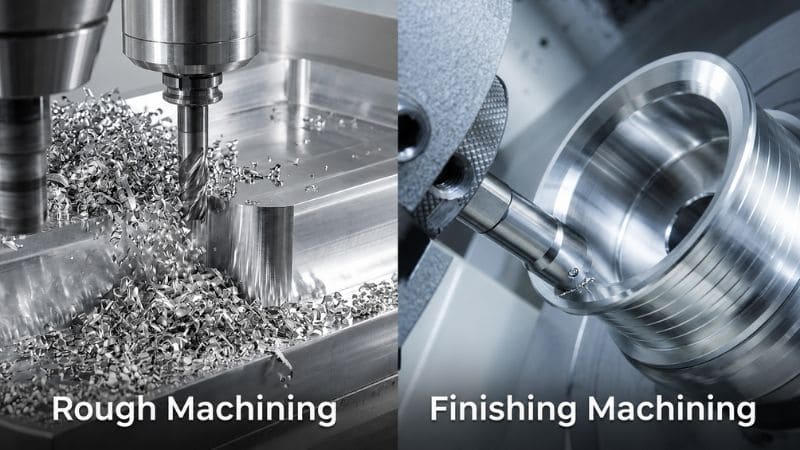
Roughing is the stage in machining where materials are removed from the workpiece in large amounts to get the intended shape. During this phase of machining, the focus is on efficiency and speed instead of surface quality.
We use deeper cutting passes and higher feed rates to get excess material quickly. The result of this phase is a part that is closer to the design geometry but needs refinement and further machining for dimensions and surface finish.
Benefits of Roughing in Machining
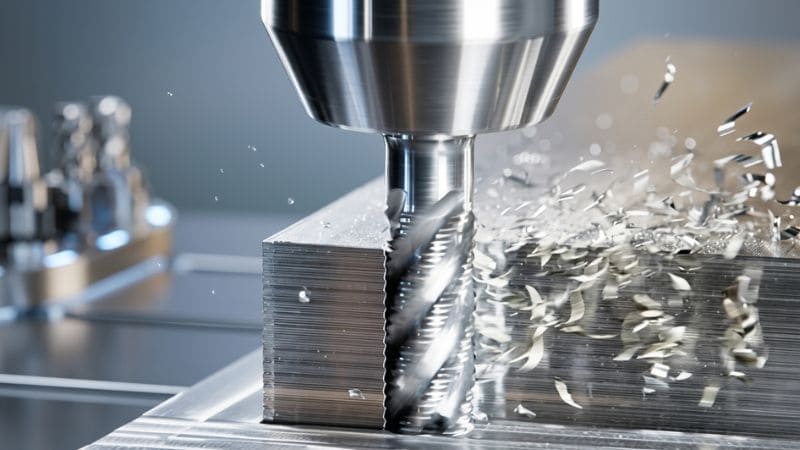
Preparing the workpiece for precise machining is the main role of roughing. The process of removing large excess materials to reveal the general shape of the part allows us to machine efficiently.
The removal of excess bulk also reduces the load for the next phase of machining. In most cases, overall productivity is improved because even after larger cuts, the next phase will handle the surface quality. This results in a more predictable machining time, so the next stage can entirely focus on accuracy.
What is Finishing in Machining?
Finishing is the stage of machining that focuses on refining the part to meet the required tolerance, surface quality, and final dimensions. At this point of machining, only a minimal amount of material is removed.
During this stage, we apply more controlled toolpaths, slower feed rates, and lighter cutting passes to produce results with precise features and smooth surfaces that meet the specifications in the drawing.
Benefits of Finishing in Machining
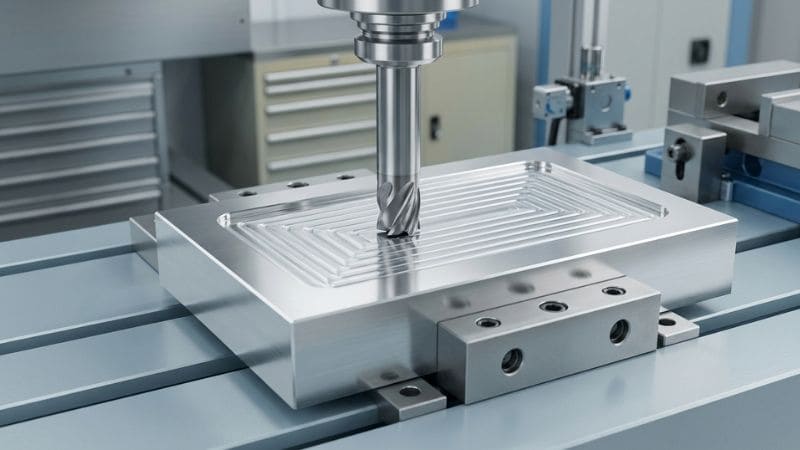
Surface quality requirements and exact dimensions are met during finishing. Since only minimal material is removed, it keeps the structural integrity while achieving the smooth surface intended for the part.
These factors improve not only the appearance but also the fit and performance that are important for parts to be assembled and operate accurately under tight tolerances. It also results in easier verification for compliance in quality control, design specifications, and final checks for any defects in the final product.
Difference Between Roughing vs Finishing in Machining
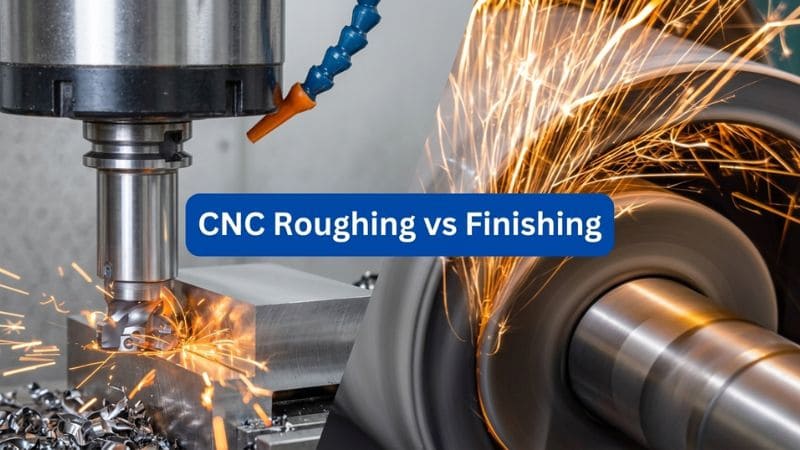
Rate of Material Removal: Roughing works aggressively and quickly, removing material to reduce the size of the stock. With finishing, only a minimal and thin layer is removed to refine the part rather than reshaping it.
Surface Roughness / Finish: Roughing does not refine the surface, so it is expected to have uneven or even tool-marked surfaces because the process focuses on speed. This is where finishing does its job by improving surface condition. With finishing, lighter cuts are applied for a smooth and controlled result.
Dimensional Accuracy and Tolerance: Roughing brings the dimensions close to the required size, but not yet the final result. Finishing is responsible for the tolerance limits and the exact measurements specified in the design.
Timing: Roughing happens early in the machining sequence. When the workpiece reached a size and shape that is close to the desired geometry, finishing follows for the refinement of the details and final features.
Cutter Type: Cutters for finishing are designed for precision and to achieve the desired surface quality. Tools for roughing, on the other hand, are for handling heavy loads and removing big chunks of material.
Feed Rate and Depth of Cut: Finishing uses slower feed rates and shallow passes for the tool to have control over achieving the final dimensions. Since roughing is focused on speed, it applies higher feed rates and deeper cuts to remove material quickly.
Comparison Table between Roughing vs Finishing in Machining
| Caratteristica | Roughing | Finitura |
| Scopo | Shape the workpiece | Part refinement |
| Carico | Più alto | Più basso |
| Percorso utensile | Large Area Coverage | Following Final Geometry |
| Risk Management | Removing material while keeping enough for further processes | Preventing overcutting to protect the final geometry |
| Heat Output | Più alto | Controlled |
| Final Result | Close to the intended shape, but needs further machining | Finished part ready for quality check and assembly |
Considerations for Roughing in Machining
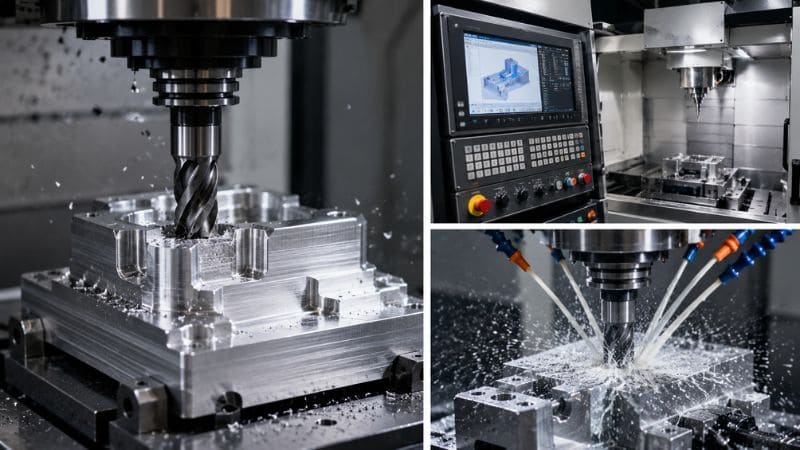
Machining Parameters
It is critical to choose the right machining parameters for this method because these parameters affect the balance of how the machine removes stock without overloading. Unstable cutting and tool wear can be eliminated once a proper selection is made.
Type of Machine Tool and Control Software
The efficiency of the process depends on machine tool capabilities and the control software. Modern CNC machines are more reliable in terms of tool management and clear material, while the cutting performance remains stable.
Heat and Cutting Fluid
Because large amounts of material are involved, extreme heat can be generated during the process. This is why cooling strategies and cutting fluids are used to manage temperature and prevent thermal damage.
Considerations for Finishing in Machining
Dimensional Accuracy
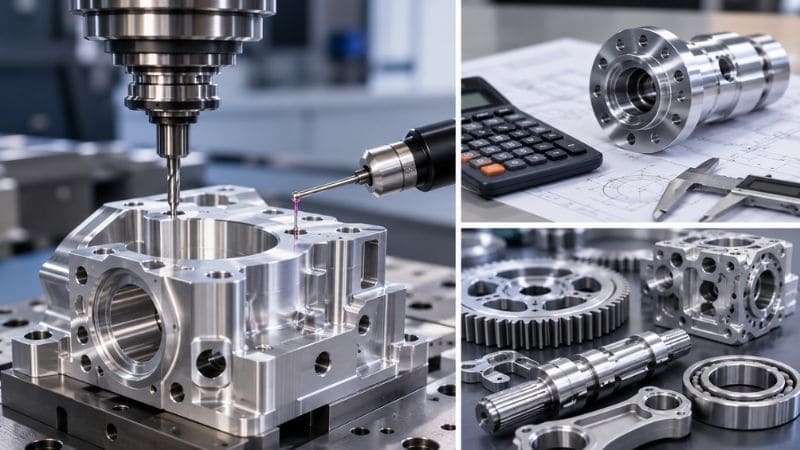
Accuracy is a major consideration when working on finishing. Because even the smallest deviations can impact functions and fits. This is critical in assemblies where multiple components are needed. Maintaining the required dimensions needs stable cutting and careful tool control.
Costo
Finishing can affect production cost because to achieve finer surfaces and tighter tolerances, additional passes and slower machining are needed. And it adds unnecessary machining time. This requires balance on our end, so we can meet specifications without prolonging the process.
Parts Application
The components' intended use helps make finishing decisions. If the parts are intended for moving assemblies and high-precision equipment, they need smoother surfaces and stricter dimensional control than components that are for structural purposes.
Choosing Between Roughing vs Finishing in Machining For Your Project
The choice between roughing vs finishing can be based on the stage of the machining and the parts' specifications. Roughing is used in the early stages to bring the piece close to the intended shape and prepare it for controlled machining in the later part of production. Finishing is focused on the final geometry, required surface quality, and accurate dimensions.
Various projects rely on both as they offer improvement and efficiency in the overall production to meet component specifications.
When to Choose Roughing in Machining
Prototipazione
When a design needs to be seen quickly from a raw material to a workable shape, roughing is a helpful process. The removal of excess materials allows us to calculate the overall geometry before focusing on the visible outer details.
Large Structural Components
Roughing helps bulky parts in efficiently removing large amounts of material. Support structures, housings, and frames are mostly the components that initially need bulky material removal before other steps focusing on precision can begin.
First Operation in High-Volume Production
The first machining stage in high-volume production is roughing because it prepares the workpiece for the succeeding processes. When it is done, the next phase can concentrate on dimension and surface specifications.
When to Choose Finishing in Machining
High-Fit Holes and Shafts
When we need holes and shafts to match and fit closely during assembly, finishing is necessary. Even the smallest variations can cause unwanted friction and affect alignment, so finishing is necessary to achieve the right fit.
Dynamic Sealing Surfaces
We carefully evaluate when components rely on sealing surfaces, because when they do, refined finishes are required. With this in consideration, surfaces need to be not only smooth but consistent so that they can help seals function properly and also reduce leaks.
Aerospace and Medical Device Components
Strict dimensional control and reliable surface quality that are industry standard compliant are used in aerospaziale e medical equipment. Finishing processes help us guarantee that components are safe to function within their intended application.
Tips for Optimizing Roughing and Finishing in CNC Machining
Selecting the Right Tools
We begin by selecting the tools suited for each stage whenever we plan the appropriate method. We consider cutters that can handle heavy loads of material removal for roughing. But when it comes to finishing, we choose tools that can give us fine results.
Adjusting Cutting Parameters
We match the depth and alignment needed in machining by carefully reviewing the parameters. We take note of two important things. For roughing, the priority is efficient stock removal; in terms of finishing, we concentrate on the accuracy of the desired dimensions.
Optimizing Toolpaths
Our understanding of how tool management affects machining performance helps us decide and plan before we begin the process. By organizing how the cutter moves across the piece, we keep consistency and accuracy throughout the operations.
Avoiding Overlap
Another point we do not forget to consider is the unnecessary overlaps between passes. As much as possible, we do not allow excessive overlaps because it adds more time and may even cause tool damage. So if we want to achieve results that meet the requirements, we plan operationally efficient tool movements.
Conclusione
Serving distinct functions, both roughing and finishing are essential for efficient production. While roughing shapes the workpiece, finishing prioritizes refining the surface of any imperfections to meet strict specifications.
For dependable CNC processes, contattare DEK so we can discuss and ensure that the parts are made with consistency and precision.