
How to Choose the Right Gear Material for Your Application
This blog will walk you through the essential factors to consider when choosing the right gear material for your specific needs.
So please sit back, relax, and let us guide you toward making an educated choice that will ultimately save time and money and enhance overall system performance!
Understanding Gear Materials
Types Of Gear Materials And Their Properties
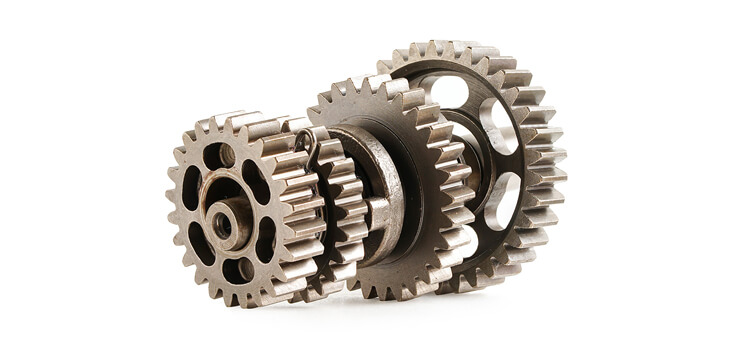
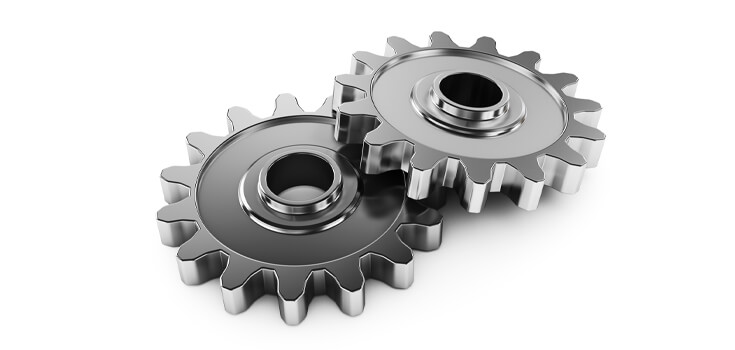
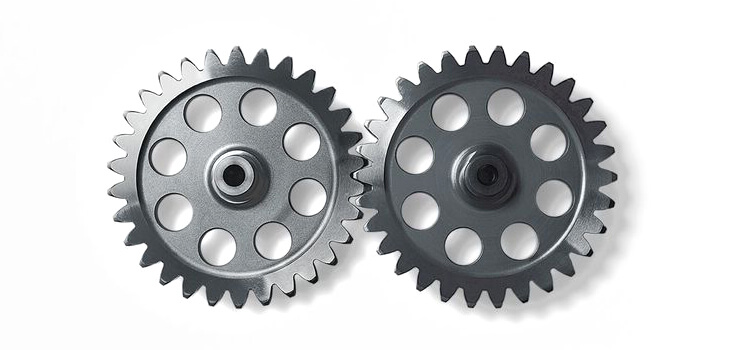
Metallic materials are often preferred due to their superior strength and durability compared to non-metallic counterparts. Some common metallic options include cast iron, gray iron, alloy steel, stainless steel, brass, bronze, and aluminum alloys.
The choice between these metals depends on the required load capacity (higher loads usually demand stronger metals) and corrosion resistance (brass has excellent anti-corrosive properties).
For example, brass or bronze might be ideal for working with spur gears that handle heavy loads in a humid environment.
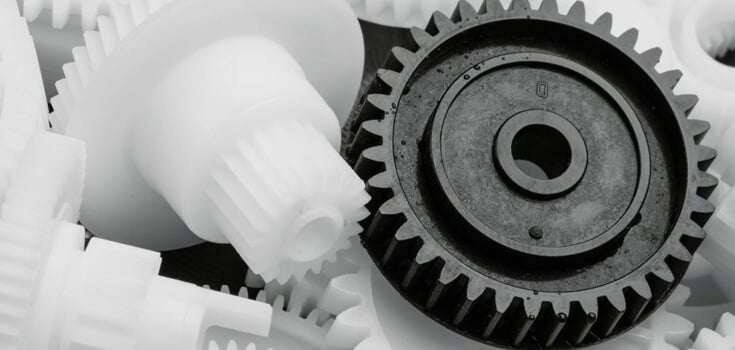
On the other hand, non-metallic materials such as acetal resins (e.g., Delrin), nylon polymers polyamide (PA), polycarbonate plastics (PC), and wood-based composites can also provide specific advantages when used in appropriate applications.
Applications For Different Gear Materials
Metallic materials such as iron alloys, gray iron, and cast iron are commonly used for their strength, durability, and resistance to wear and tear.
However, non-metallic options like acetal, Delrin, nylon, or polycarbonate may also be suitable if you require lightweight gears with good noise-dampening properties.
If you're looking for even more specialized applications, options such as wood for gears that need a low load capacity but have unique aesthetic requirements are available.
Tool steel alloys could also be applied when high-precision engineering is needed to make parts that fit demanding machinery compatibility specifications.
Factors To Consider When Choosing Gear Materials
Load Capacity And Durability Requirements
The type of material you choose needs to be able to handle the demands of your specific application without wearing down too quickly or breaking under strain.
For example, if you're designing a gearbox for heavy machinery, you must choose a material with the high tensile strength to support the weight and power output required.
Some other factors that can affect load capacity and durability include the pitch line velocity (PLV) of your gears, which is how fast they move to each other. This will impact the amount of stress placed on the teeth over time.
Additionally, choosing gear teeth with higher numbers and/or stronger shapes (like involute profiles) can help distribute forces more evenly across their surfaces.
Finally, it's important to have a clear idea of what kind of loads your gears will be handling so that you can select materials accordingly - otherwise, you may end up with costly maintenance issues or even equipment failure down the line!
Corrosion And Temperature Resistance
When choosing the right gear material for your application, it's important to consider corrosion and temperature resistance. Materials resistant to corrosion can withstand exposure to harsh elements such as moisture and chemicals without degrading over time.
Some commonly used materials with good corrosion resistance include acero inoxidable, aluminum, and certain plastics like nylon and polycarbonate.
Temperature resistance is also an essential factor in selecting gear materials. High temperatures can cause some metals to lose strength or become brittle, leading to premature failure of the gears.
For applications with high temperatures, materials such as tool steel alloys or composites like carbon fiber-reinforced polymers may be more suitable due to their ability to maintain strength at elevated temperatures.
Cost And Availability
While some materials offer exceptional features, you might need more time to fit your budget. Therefore, it is wise to evaluate the pricing of different gear materials before deciding.
You want to go for something other than an expensive option that will eat much of your project's resources if there is a cheaper but quality alternative.
Besides cost, it would be best to consider the gear material's availability. Some rare elements may be challenging to find in your location or out of stock due to high demand, resulting in supply shortages and increased prices.
In such cases, considering alternatives with similar properties could help reduce costs while ensuring optimal application performance.
For instance, Nylon and Delrin are widely available options with impressive durability and strength for power transmission applications at reasonable prices compared to other metallic options like tool steel or iron alloys.
Noise And Maintenance Requirements
Noise levels vary depending on the type of gear used and their engagement angles. For instance, helical gears produce less noise than spur gears due to their angled teeth, resulting in a more gradual contact between them.
Additionally, periodic maintenance is necessary to ensure your gears last longer and perform optimally.
Lubrication is essential to reduce the wear caused by friction. Choosing a gear material with high wear resistance will also minimize maintenance needs.
Similarly, some materials resist corrosion better than others, which reduces the likelihood of damage from environmental factors such as moisture or chemicals.
These features may add cost initially but will pay dividends because they improve equipment reliability while reducing repair costs.
How To Evaluate Your Application's Requirements
Identifying Load Capacity And Speed Requirements
- Determine the maximum load the gears will be required to handle.
- Calculate the torque that will be required to move the load.
- Consider the speed at which the gears will operate.
- Evaluate any shock loads or transient forces present during the operation.
- Consider any continuous or intermittent duty cycles that may apply.
Considering Environmental Factors
For example, corrosion and heat resistance are critical factors to consider if your gears are exposed to moisture or high temperatures.
On the other hand, if you're working with food processing equipment or medical devices, materials that meet FDA regulations for cleanliness and safety should take precedence.
Another essential aspect is lubrication. Environmental conditions can influence the type of lubricant needed to keep gears running smoothly and prevent wear and tear over time.
For example, depending on whether your gears will be used in dusty or wet environments, lubricants may need to be applied more frequently.
Lastly, noise pollution is another environmental factor when selecting gear materials. For example, using materials with lower noise levels might be necessary if your equipment operates in a quiet environment such as hospitals or sound recording studios.
Examining Noise Levels And Maintenance Demands
Noise Levels
- Consider the decibel level of your current system and the acceptable range for your application.
- Evaluate the acoustic properties of different gear materials.
- Look for noise-reducing features like tooth profile modifications or dampening coatings.
Maintenance Demands
- Determine how often your system needs maintenance and what maintenance is required.
- Consider the accessibility of gears for cleaning, lubrication, or replacement.
- To decrease maintenance needs, consider materials with high wear resistance and low friction coefficients.
Determining Long-Term Costs
One of the factors that should always be considered is determining long-term costs. It's not just about the upfront cost of the gear material but also its maintenance and replacement costs over time.
For instance, opting for a cheaper gear material with lower durability may result in frequent replacements or repairs- leading to higher costs. On the other hand, investing in high-quality gear materials such as alloy or tool steel will save you money in maintenance and repair costs over time.
Choosing The Right Gear Material For Your Application
Comparing And Evaluating Material Options
- Material Strength: Look for materials that can withstand the loads and stresses of your application without cracking, breaking, or wearing down prematurely.
- Shaft Compatibility: Consider the type of shaft you'll use and ensure the material you choose is compatible.
- Resistencia a la corrosión: Depending on the environment in which your gears will be operating, you may need a material resistant to water, chemicals, or other corrosive agents.
- Resistencia al desgaste: Some materials are better suited for applications involving frequent contact or friction between surfaces.
- Cost: While cost shouldn't be the only factor you consider, choosing a material that fits your budget is important.
- Disponibilidad: Make sure your chosen material is readily available and won't cause unnecessary production delays.
- Noise Reduction: Depending on the nature of your application, noise reduction may be a priority. Some materials are quieter than others when in operation.
- Maintenance Requirements: Consider how often your gears need maintenance and choose a material accordingly - some require more frequent service than others
Consulting With Gear Manufacturers And Experts
Gear manufacturers and experts deeply understand different materials' properties and how they interact with specific applications. As a result, they can provide valuable insights into which gear materials will work best for your unique needs.
I found it extremely helpful to contact various gear manufacturers and discuss my application's requirements with them. They offered suggestions on different material options that I had yet to consider before and discussed the pros and cons of each recommendation.
Additionally, these consultations helped me ensure that any customizations or modifications made within my application would be compatible with the selected gear material.
Making The Best Decision For Your Specific Needs
I found identifying my specific load capacity and speed requirements and any environmental factors such as corrosion or heat resistance helpful. I evaluated different metallic and non-metallic materials based on their strength, durability, and cost.
It's also important to notice noise levels and maintenance demands, especially if you're working with high-precision machinery.
Conclusión
It's essential to consider factors such as load capacity, temperature resistance, and long-term costs when evaluating your options. By closely examining your specific requirements, you can make an informed decision on which gear material will work best for you.
Feel free to consult us for additional guidance. Remember: choosing the right gear material is key to achieving maximum application efficiency and productivity!
