
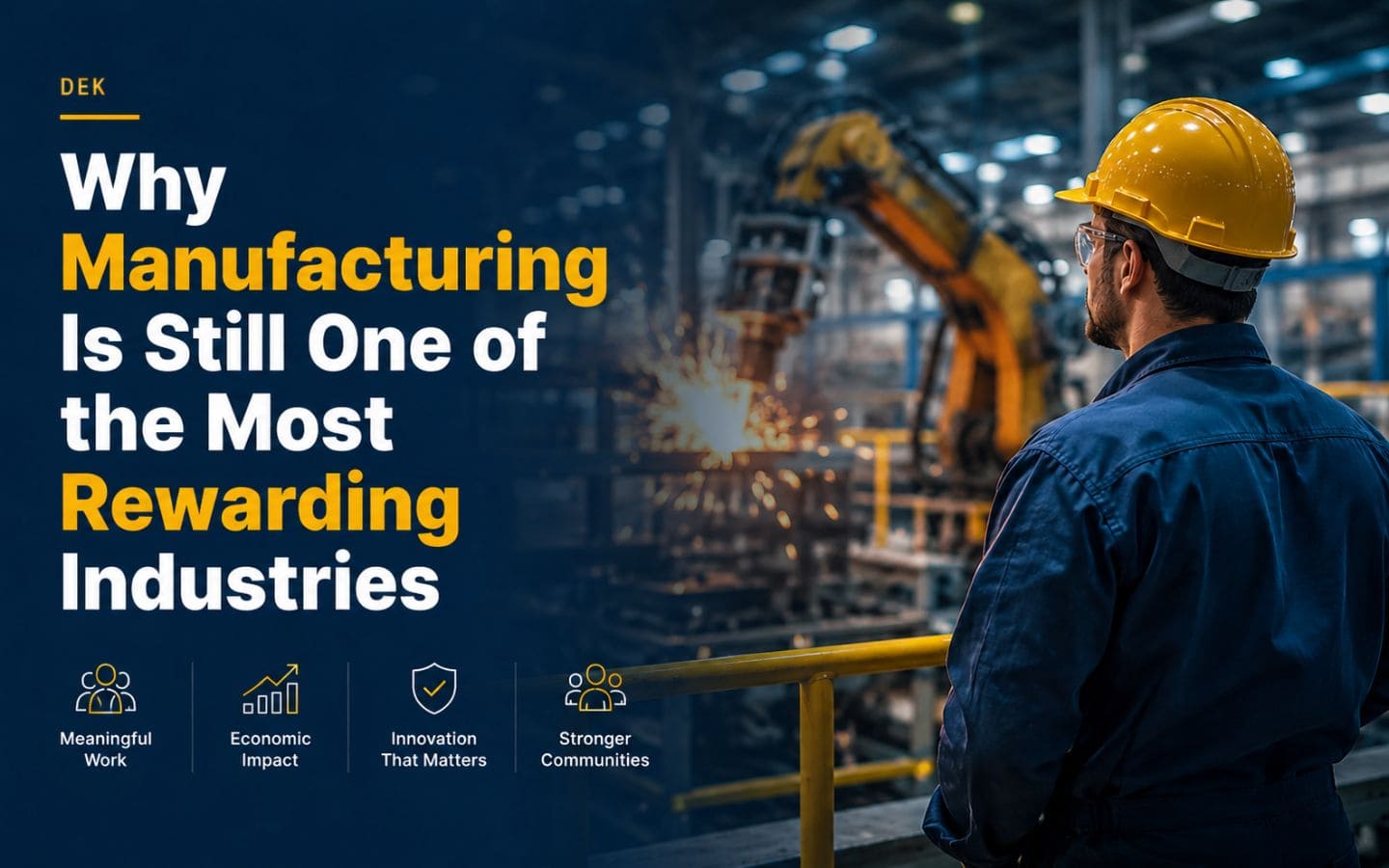
People always ask me why I have been in manufacturing for so long. Honestly, that’s a good question. It’s not an easy job; the challenges don’t stop, and even a small mistake can undo hours of work. Sometimes being a few microns off means starting all over again.
But for me, that’s exactly what makes it worthwhile.
Manufacturing gives you something most other fields can’t: proof that you actually made a difference. When the day’s over, you’ve got something real to show for it, something that exists because you and your team put in the effort. A part fits. A machine runs. A customer gets what they need.
The Satisfaction of Creating Something Real
There is excitement in starting with a blank canvas and finishing with a concrete component that will be used in the field.
A block of aluminum transforms into an extremely precise housing for aircraft components. A part made from stainless steel becomes part of a surgical instrument. An intricately designed fixture allows a robotic manufacturing facility to reduce production time. There is no denying that these are not imaginary outputs. These are results with clear, tangible, and practical purposes.
This was my experience when I first witnessed our machined parts being used in an aircraft system. This was an eye-opening experience that revealed to me that manufacturing involves more than mere tolerances and measurements. It is more about responsibility.
Henry Ford once stated, “Quality means doing it right when no one is looking.” We strive to embody that philosophy in everything that occurs on the shop floor. Strong quality management systems, such as the ISO 9001 Quality Management System, play a significant part in achieving consistency, but real quality begins well before the final inspection.
The Unique Problem-Solving Nature of Manufacturing
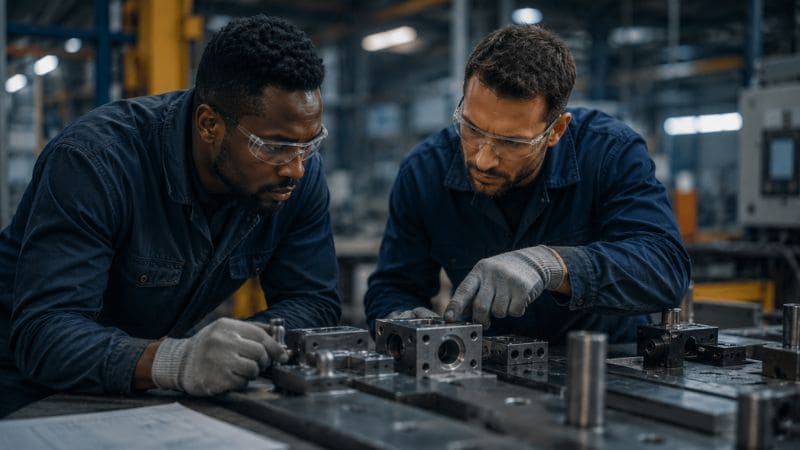
There is a new challenge with every project.
Sometimes the problem is a tolerance stack-up. Sometimes it is the material behavior during machining. Sometimes it is simply finding a smarter, more efficient workflow that decreases lead time without compromising standards.
Manufacturing requires practical innovation. Theory alone is insufficient for solving problems. Fixtures need to be tested. Processes need to be adjusted. Programs require improvements. Being on the floor close to the machine, rather than in the conference room, has often led to greater results.
This is one of the reasons I enjoy my job. It keeps you learning.
Impact That Goes Beyond the Factory
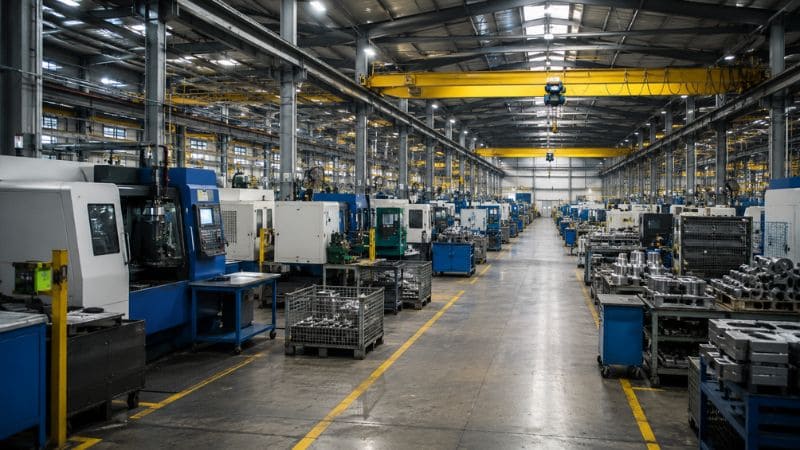
Manufacturing facilities have a broader scope than manufacturing components only. Having an efficient manufacturing sector positively affects the economy of a certain area, promotes skilled labor employment, and ensures competitiveness at the national level. Moreover, it is necessary to mention that the manufacturing sector serves a variety of industries associated with everyday life, including health care, logistics, energy supply, and security.
We realize that when machining a component for a surgical tool or an aeronautic device, quality control becomes a priority since its improper operation might have tragic consequences.
Production could be delayed by late deliveries, whereas insufficient inspection could cause problems well beyond a facility's territory. That perspective maintains high standards.
Why Many People Stay in Manufacturing for Decades
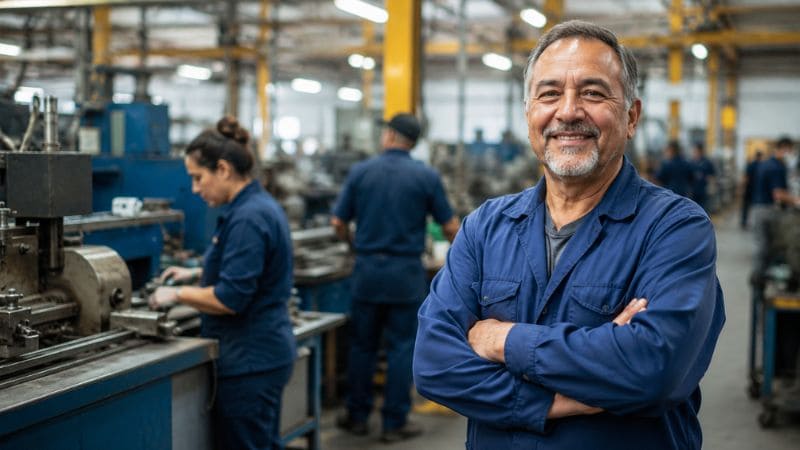
I’ve met plenty of manufacturing experts who’ve spent thirty or forty years in the same field, and that kind of longevity doesn’t just happen by chance. It comes down to true craftsmanship and the loyalty that builds up over years of working with clients you can genuinely count on. There’s also something rewarding about tackling tough challenges together and consistently delivering solid results.
DEK’s strongest partnerships didn’t start with huge production orders; they began with that one urgent prototype, one tricky tolerance, and one honest conversation.
As years go by, people will always recall that consistency is more valued than mere pledges. People will only remember whether their parts fit properly, whether their tolerances are correct, and whether the solutions were implemented before anything could delay the work, which underscores the importance of traceability in manufacturing.
That was why I always agreed with Benjamin Franklin when he once said, "The bitterness of poor quality remains long after the sweetness of low price is forgotten."
Quality does not rely on getting the lowest quote. Trust does.
It is not about increasing the number of machines first, but about building up trust.
What I’ve Experienced Personally
In the past several years, it has been a pleasure for me to see the components that we designed being employed on planes, satellites, robots, and surgical instruments. This never gets old.
Another aspect of this work that is equally fulfilling is witnessing young engineers coming in with doubt and developing into managers who are able to handle quoting, tooling, machining plans, and customers with confidence.
En DEK, we get to do some of our most interesting work helping multinational corporations solve complex problems under a tremendous amount of existing constraints, like time, mass, and strict inspection criteria
Every week is different, which keeps things interesting, hard, and exciting.
Why the Future Remains Bright
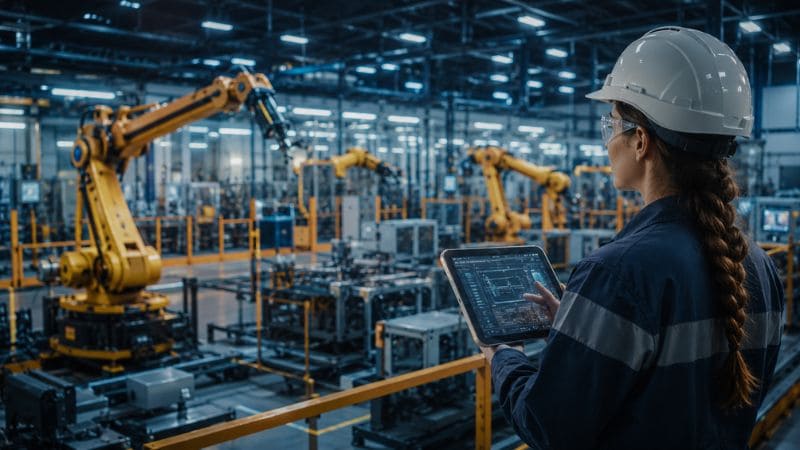
I am still confident in manufacturing as an industry due to demand not abating in any way. There is always an effort to speed up production cycles and increase precision in robotics, electric vehicle architecture, artificial intelligence systems, and aviation projects.
The global robotics market is expanding quite rapidly every year, and the construction of any robotic device requires numerous machined parts and assemblies.
There is also some assistance from digitalization, which helps in automating repetitive activities such as quoting and production processes tracking. Engineers will have additional time to exercise judgment.
Highly skilled manufacturing personnel will be relevant for years to come.
Conclusión
Manufacturing is hard, and it should be.
It requires patience, dedication, and accountability. However, it also presents an opportunity to create something durable, foster connections that will continue to grow, and come up with real-world solutions that extend beyond one’s desk.
This is why manufacturing is, in my opinion, one of the most fulfilling industries in which to devote one’s professional life.
We do not merely manufacture components.
We move forward.
