
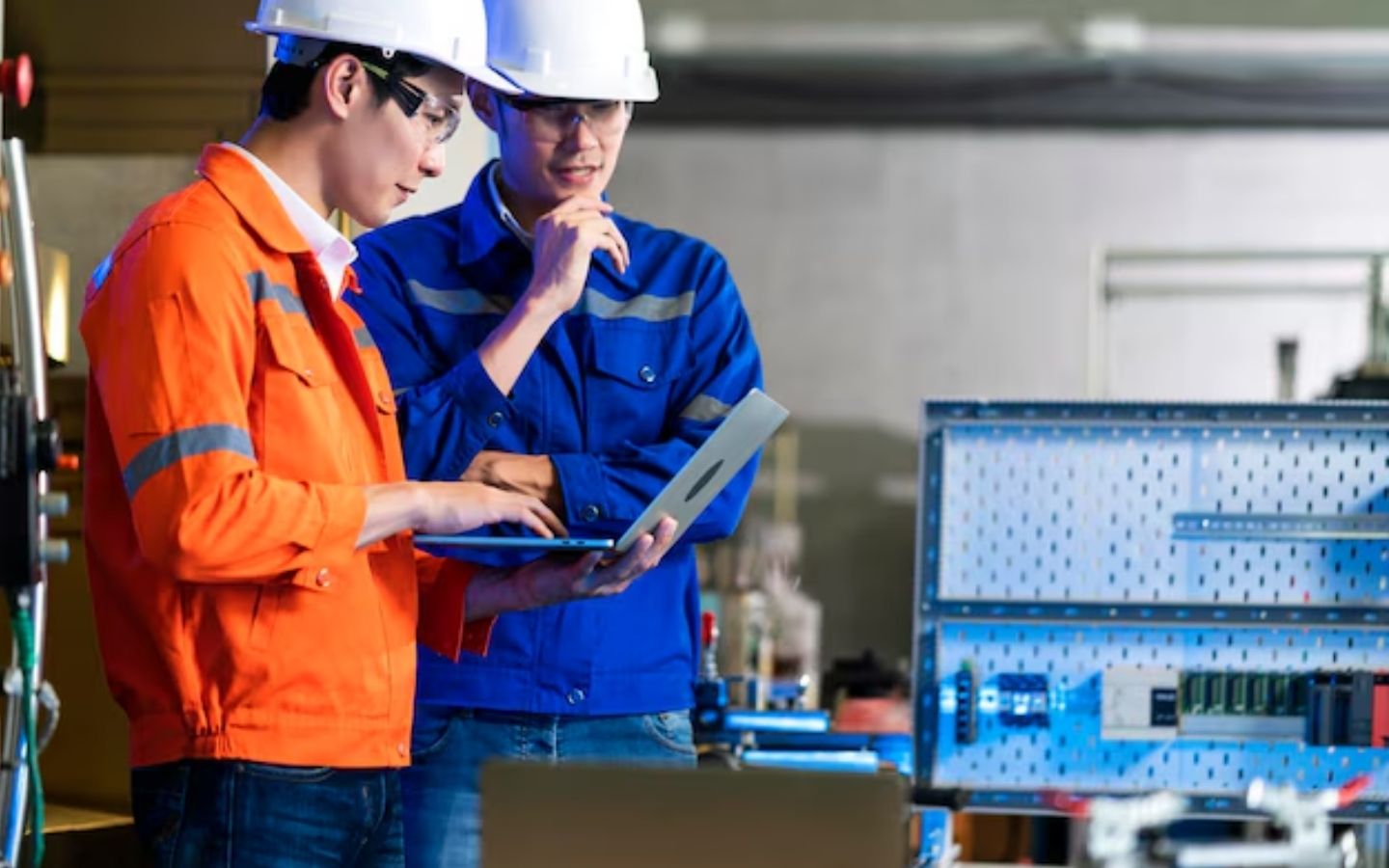
In today’s engineering world, customers don’t just request parts. They value tight tolerances, quality, fast lead times, and lots more. As their expectation increases, there’s a decline in the available engineering talent to meet this demand.
And this has brought about the crucial question of where the next generation of engineers will come from.
From universities to vocational institutions, maker communities, start-ups, etc., next-generation talent will come from different backgrounds and nations.
But are many factories ready to absorb these talents? Many young engineers value automated, data-driven, and AI systems where digital tools are prioritized.
They want a growth-oriented environment where their ideas matter. And this is what many striving factories lack.
In this guide, we will walk you through this cogent engineering concern, where the next generation of engineering will come from.
Why Traditional Engineering Pipelines Are Shrinking
Today, many young talents consider the industry as being outdated, not very lucrative, and growth-restricted, and this has affected the number of young individuals joining the industry.
Fewer students choosing mechanical paths
In previous years, mechanical engineering used to be one of the best choices for students. Today, many tertiary institutions have reported a significant decline in student numbers.
This is not to say they don’t have an interest in engineering, but very few want mechanical, machining, or manufacturing paths.
Perception that software offers “better careers.”
Many young individuals also believe that the software engineering path offers better compensation, work environment, and setup.
From remote opportunities to fast promotion and other flexible opportunities. Whereas, they perceive the mechanical path as being rigid, not very lucrative, and location-bound.
Manufacturing seen as outdated or low-growth
Many young talents still don’t see the advanced aspects of manufacturing factories. As such, they consider the industry to be outdated or low-growth.
When students don’t see the sophisticated CNC machines, digital workflows, automated inspection process, AI-assisted quoting, etc., they view our industry as a growth and learning restraint path.
How AI Is Changing the Skills Future Engineers Need
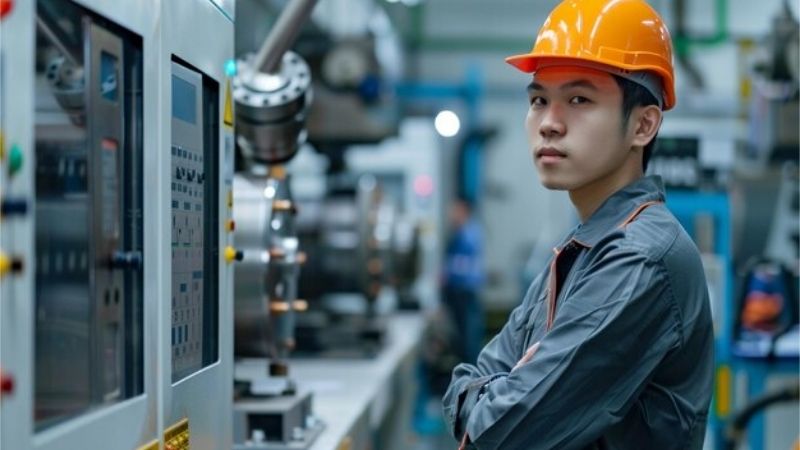
Future engineers are expected to appreciate AI use, and as such, their skill set will matter. From automated data flow to AI-assisted design and simulation, new skill sets will be required.
Blending mechanical + data + controls
Future engineers can’t deliver properly in isolation. While the strong mechanical background still matters, it’s not enough.
Engineers are now required to understand data flow, control system and software logic to function in the ever-changing AI-assisted system.
AI-assisted design and simulation
With AI CAD tools, engineers can design and run simulations faster and more effectively. More design options in less time. However, engineers need to validate AI results and raise reasonable questions, which are only feasible when they understand how AI works.
More emphasis on system-level thinking
And rather than thinking about only parts, future engineers will focus on the system. By doing so, they will understand how a part design influences assembly, inspection, and supply chain, which will help reduce risk and improve workflow.
Less time on repetitive calculations
AI and software can now handle repetitive tasks. This allows engineers to focus on problem-solving, workflow, and communication. The best future engineers are those who can optimize AI for better decision-making.
Universities and Research Labs
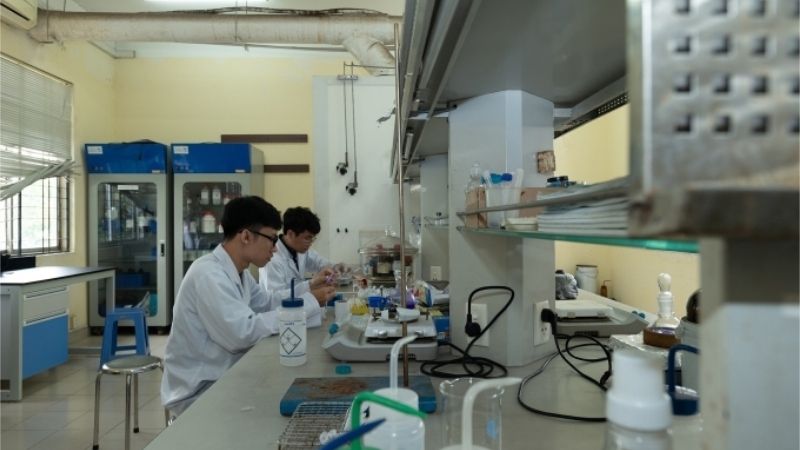
Despite challenges with declining students joining mechanical paths, universities and research labs are rapidly building a modern engineering field that attracts young individuals.
Robotics and AI programs attracting talent
The robotics, AI, and mechatronics program continues to evolve and attract young people. These fields feel modern, growth-oriented, applied, and lucrative to them. Learning isn’t only about theory, but they also get to see how modern machines work.
Project-based learning producing hands-on engineers
The best engineering program today focuses on hands-on experiences rather than only exams. Young ones get to build robots and prototypes and learn practically how modern machines work.
They get to deal with tolerances, failures, quality control, and assembly issues, which helps them adapt faster in actual work settings.
Deep-tech incubators creating future hardware leaders
Through the incubator programme, student engineers learn, practically, how to turn their ideas into a product.
They learn the design, manufacturability, lead time, and business aspect of a product. This experience helps them understand risk and build start up effectively.
Cross-discipline teams shaping new skill sets
Modern research setup gives flexibility for the mix of many disciplines from data science, mechanical engineering, software development, etc., which is vital in helping them understand how today’s engineering works.
Technical Colleges and Vocational Schools
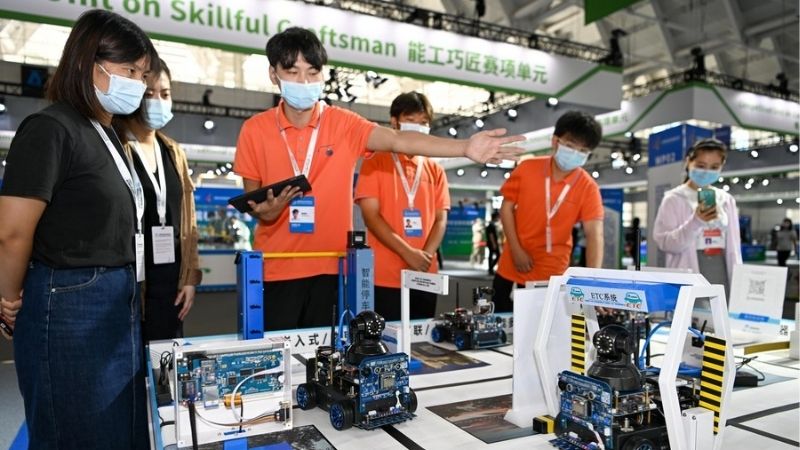
Technical colleges and vocational schools aren’t left out. In fact, next-generation engineers are exposed to practical machining and manufacturing setups here.
Strong pipelines for machining, automation, and mechatronics
I’ve seen many technical colleges today teach real-world automation processes, CNC machining, mechatronics, robotics, etc.
Their students understand how modern machines work because they use them daily. They understand part assembling, inspection, how fixtures work, etc.
Faster training aligned with industry needs
Because colleges teach practicals more, they adjust training to industry needs. When the industry introduces new machines or quality control, students are trained quickly. With that student graduate with updated, relevant skill not outdated knowledge.
Students gaining practical skills earlier
And since students get to work with modern machines coupled with a standardized quality control system, they gain real-world manufacturing experience earlier, which will be vital in the future work environment.
Ideal for high-mix hardware industries
Vocational students are exposed to manufacturing variation earlier during training. As such, they remain a special talent for industries like medicine, aerospace, and robotics that require engineers who can adapt quickly.
Robotics, UAV, and AI Hardware Startups
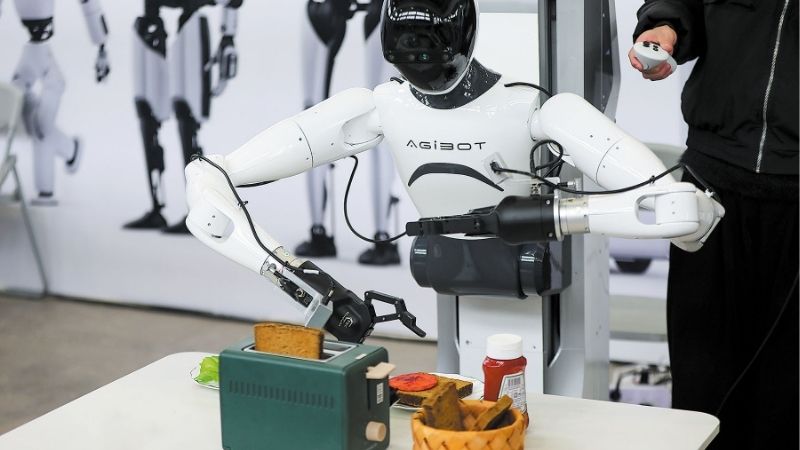
The robotics, UAV, and AI hardware start-ups are rapidly building cross-functional, innovative young engineers who possess real-world problem-solving skills.
Young engineers learning under high pressure
In robotics, UAV, and AI hardware start-ups, young engineers learn quickly under high pressure. With the few employee and managerial positions, everyone takes responsibility for their actions.
When a part fails or a deadline is missed, everyone notices immediately. And this forces engineers to think critically and make better decisions.
Fast iteration cycles building real-world problem-solving
Startups function and deliver within the expected timeframe. They design, build, and assemble parts and make iterations in weeks.
With this, engineers learn quickly what works and what doesn’t, which improves their real-world problem-solving skills over the years.
Exposure to hardware, firmware, and AI together
Many start-ups today build cross-functional teams rather than limiting them to their role. I’ve seen many mechanical engineers today work closely with the firmware and AI teams.
This experience helps them understand how a product functions as a system. They get to understand why a product design influences data quality, control, and overall product performance.
Many future leaders coming from startup ecosystems
I’ve seen many leaders today who began their journey from a start-up environment. This is because start-ups help them build decision-making ability, accountability, innovative skills, quality control, and so on. And this isn’t stopping anytime soon; many future leaders are imbibing this.
Maker Communities and Independent Builders
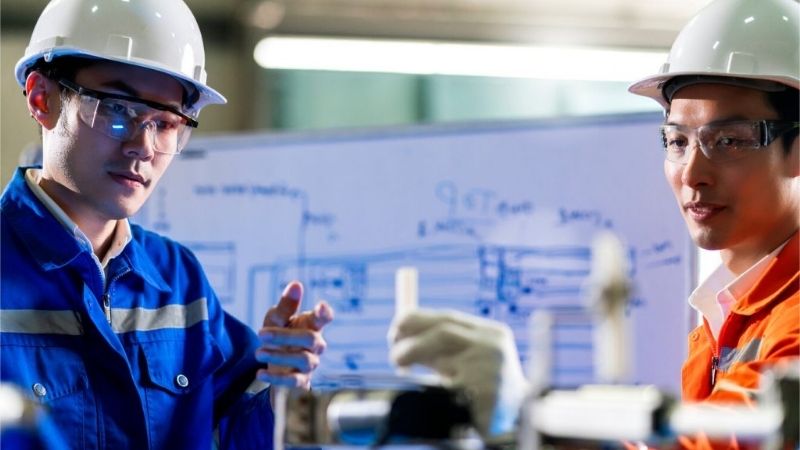
Beyond formal education and the startup ecosystem, many maker communities and independent builders are consistently producing creative, confident, and practical-oriented engineers.
Self-taught engineers from robotics clubs and competitions
Many robotics clubs, drone teams, and engineering competitions expose next generation individuals to real-world engineering problems, which they solve as a team. This helps them understand how the system works, which allows them to grow quickly.
Strong practical instincts, less constrained by theory
Many self-taught engineers develop strong practical instincts through consistent testing, trial and error, and iterations that help them build confidence over time.
They develop real-world engineering skills rather than being constrained by only theories. And this is evident in the saying by Bob Lutz- “You don’t learn manufacturing from slides, you learn it from the floor”.
Rapid prototyping experience from hobbyist culture
With access to less expensive tools like 3D printers, individuals now learn practical engineering even from home. They can design, build, test, and iterate on rapid prototypes.
This kind of creativity helps develop individuals who aren’t afraid of experimenting and failing. And it's from there that they gain skills that are essential in the real engineering world.
A rising source of creative hardware talent
With rising access to engineering tools and resources, maker communities, and so on, there would be more engineers who aren’t from formal institutions.
These are engineers who may not possess the credentials but have a strong potential and motivation. And companies that are able to recognize them will benefit most from these creative talents.
Global Talent from Emerging Tech Hubs
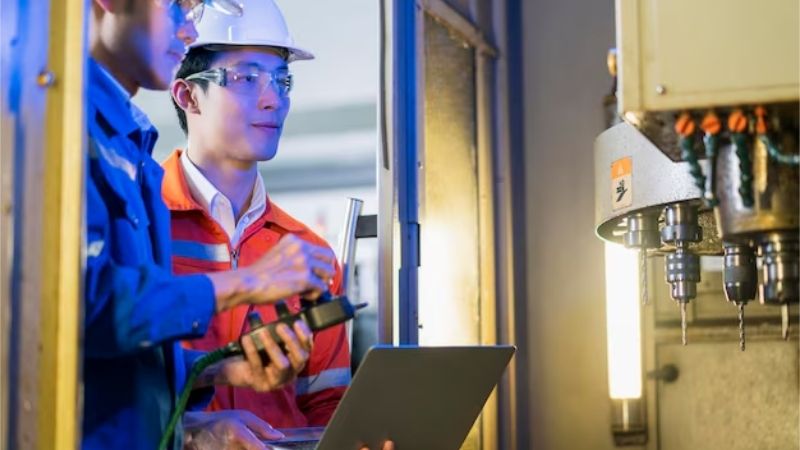
I’ve observed a few factories today with a global working environment, and in the years to come, this pattern will be more distributed. Skillset, creativity, and talent of young ones will matter rather than location.
India’s fast-growing robotics and AI talent
Many Indian institutions are consistently producing engineering graduates and talents in robotics, automation, and AI hardware. These individuals strive towards gaining practical experience from start-ups, labs, and internship programmes
Eastern Europe’s strong engineering fundamentals
Eastern Europe has been recognized for its strong engineering education, especially in mechanical and electrical fields, which has helped young people build the fundamental knowledge.
Many graduates have developed experience through working with aerospace and automotive firms and are now found in a global engineering setup.
Southeast Asia’s rise in mechatronics and automation
With the manufacturing industry growing rapidly in Southeast Asia, there are now training programmes that focus on automation and mechatronics.
Many engineers gain practical experience in their careers early since they work with machines and automated workflows, and this later becomes a valuable skill set for the global system.
China’s deep experience in hardware execution
China is globally recognized for its hardware execution. They understand how to move from prototyping to mass production, know how the supply chain works, tooling, cost optimizatione assim por diante.
Beyond product design, they also focus on execution, which is valuable for the global teams.
Future teams will be more distributed and hybrid
As many regions are focusing on building creative engineering talents, teams within factories will become distributed.
Young talents won’t be limited to on-site roles, but they’ll be able to take up challenging remote positions across the border. Where you are from won’t matter again, but your skillsets and potentials will.
What I’ve Observed Working With Young Engineers
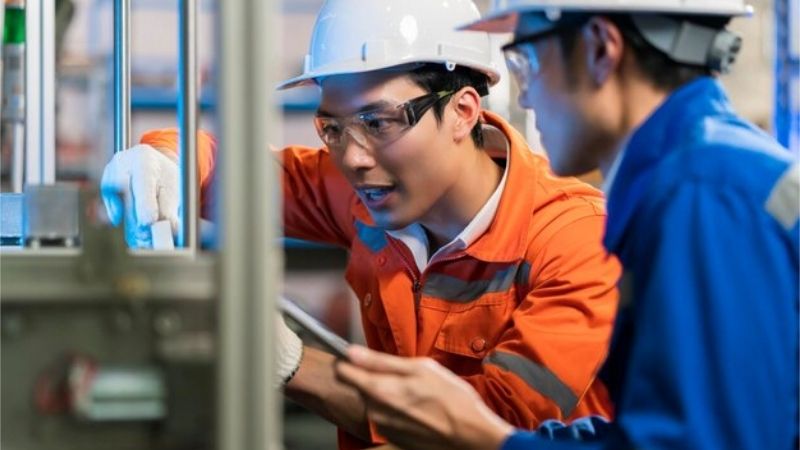
Over the years, working with young engineers, I’ve observed a pattern in their work ethic. They value real, practical projects, appreciate AI automation and modern workflows, value challenging tasks, etc.
They learn faster with real projects, not lectures
Working with young engineers has made me understand how much they value real projects more than long hour lectures. When they work with modern CNC tools, 3D printers, fixtures, customers’ requirements, and the inspection process, it helps them learn faster than theory.
Tools like AI shorten their ramp-up time
These modern young talents also value AI-assisted software and systems. Tasks that once took weeks and months can be completed in days with AI guidance.
Understanding, questioning, and validating AI output is, however, crucial, and this is where most young talents shine.
They want meaning, challenge, and modern workflows
To the young engineer, salary and titles matter, but they also want real, challenging goals that enhance their problem-solving skills.
They appreciate modern workflow, are ready to take ownership of their action and want their impact to be felt and seen.
At DEK, young engineers grow faster when exposed to diverse industries
With my numerous years of experience working with young engineers, I’ve learnt that they grow faster as they are exposed to diverse industries.
From aerospace, automotive, to medical and robotic industries, they tend to learn engineering systems quickly. And this helps build the confidence and creativity needed to thrive in the engineering world.
What Manufacturing Leaders Must Do to Attract Them

Manufacturing leaders must take active steps to attract young talent. From providing modern tools and automated workflows to creating mentorship opportunities and encouraging ownership thinking.
Provide modern tools, not outdated workflows
Young talent flourishes with modern design and machining software and tools, AI-assisted systems, digital data flow, etc. Factories that rely on manual and traditional workflow will find it hard to attract these next-generation engineers.
Create mentorship paths and visible growth opportunities
Next-gen engineers do not only focus on task completion or salaries, but they also want a clear career path that allows for growth opportunities. With the right mentorship programmes and systems, many factories will be able to absorb the right talents.
Build a culture where engineers participate, not just obey
I’ve seen many factories still operate with strong hierarchy systems. Orders are given, and they must be followed diligently. The young generation wants to meaningfully participate.
They like to share ideas, challenge assumptions, and improve the decision-making process. And as the saying goes, “People don’t grow because of systems, they grow because someone trusts them with responsibility”- Mary Barra.
Encourage ownership thinking early in their career
They like to be in an environment where everyone takes ownership of their actions. Rather than focus on only one task, manufacturing leaders must build a system where everyone understands how their task influences the outcome, projects, and systems as a whole. It is by doing so that everyone assumes responsibility and accountability.
My Perspective
From my observation, I believe the next generation of engineers would come from diverse backgrounds, from universities, vocational training, maker communities, start-ups, tech hubs, and lots more.
And opposed to the traditional work population, many thriving factories will have talent from different countries. At that stage, skill set and creativity will matter more than regions.
Factories with modern workflow, AI-assisted systems, automation, and digital tools will be able to absorb young talent faster. This will help them thrive and stay relevant in this digital economy, and rapidly set them apart from traditional shops.
