
CNC Machining HDPE: Properties, Types, Process
CNC Machining HDPE is generally used to furnish components for lightweight, durable, and chemical-resistant plastics. HDPE is an ideal material for custom prototypes and precision parts because of its flexibility and easy processing characteristics. Different CNC machining techniques, such as milling and turning, may be applied to get close tolerances and finishes that cut across several industries.
In this guide, you will learn more about the properties, types, and machining process of HDPE, with the best solutions and real-time applications.
O que é o PEAD?
High-Density Polyethylene or HDPE is a thermoplastic polymer created from petroleum. It is one of the most regularly used and versatile plastics being manufactured today. With a high strength-to-density ratio, HDPE provides resistance to impact, moisture, and chemicals.
The material is easily formed and machined with advanced CNC cutting processes to cast high-precision and durable parts for industrial uses and applications.
Properties of HDPE

PEAD is well-suited for its outstanding mechanical and chemical characteristics. HDPE is an ideal material for CNC machining. Its unique balance strength-toughness-processability allows creating precise and durable parts according to different industrial applications.
Here are the key properties that make HDPE stand out:
High Strength-to-Density Ratio: HDPE delivers really good impact resistance and durability for structural and load-bearing components.
Excellent Chemical Resistance: It is suitable for long-running service even in the severest chemical environments because it resists acids, bases, and most solvents.
Low Water Absorption: HDPE is stable dimensionally and electrically for a long time since it does not absorb much water.
Good Thermal Stability: With a melting point close to 130°C, it is stable even during CNC milling, turning, and other machining treatments.
Low Coefficient of Friction: This reduces the wear of both the materials and of cutting tools as well, so that the cutting process runs more smoothly at CNC cutting.
Electrical Insulation: Non-conductive properties make HDPE suitable for components in electrical and electronic applications.
Easily Machinable: The Consistent nature of the material allows for high-speed cutting, the achievement of clean finishes with no chipping or cracking.
These properties combined make HDPE among the most efficient and cost-effective materials to apply to CNC machining without compromising precision and reliability.
Types of HDPE
Standard HDPE

Standard HDPE is the most used type of HDPE, mostly used for making components that fall under its general-purpose category. It has the right amount of strength, flexibility, and, most importantly, cost-effectiveness, and you can easily machine it for use in tanks, pipes, and industrial fittings.
HDPE with UV Stabilization
When used outdoors, HDPE can diminish from sunlight. To avoid this, UV-stabilized HDPE is managed with additives that protect it from UV radiation. It is typically found in outdoor signage, marine parts, and implements.
Cross-linked HDPE (PEX)
In order to form PEX, the process of cross-linking HDPE occurs to join the polymer chains, which has the ability to provide better resistance to heat under pressure. Thus, it is very reliable for hot water piping systems and chemical-resistant components.
High-Molecular-Weight HDPE (HMW HDPE)
HMW HDPE properties increased strength and impact resistance compared to standard grades. It provides good wear resistance. It is beneficial in conveyor systems and mechanical components that need the greatest load-bearing capabilities.
Ultra-High-Molecular-Weight HDPE (UHMWPE)

UHMWPE is the strongest version of HDPE and provides superior protection against abrasion and toughness. This is commonly used in high-performance engineering parts such as gears, bearings, and liners. Even though it is tough, machining UHMWPE CNC requires accurate feed rates and tool geometries.
HDPE with Fiber Reinforcement
This type has glass or carbon fibers to improve both stiffness and dimensional stability. It is ideal for applications where enhanced rigidity is preferred and does not significantly increase the weight.
Most Common Processes of Machining HDPE
Fresagem CNC
Fresagem CNC is one of the key processes to shape HDPE. Precise cuts and complex contours can be done with an eco-friendly multi-axis.
This process works by removing material with rotating cutters, and since HDPE is soft. We should use sharp tools and moderate feed rates to avoid melting or blowing the job.
Torneamento CNC

Torneamento CNC is useful for cylindrical or round components. This process rotates the workpiece while material is removed by the cutting tool. Careful speed control is necessary when turning HDPE to produce a good surface finish and avoid chatter marks.
Roteamento CNC
CNC routing has been more broadly used for large sheets or panels of HDPE. One can high-speed-cut and produce high accuracy, making CNC routing applicable to signage, enclosure panels, and display parts.
Perfuração CNC
CNC drilling is simple in HDPE. It requires very precise tool geometry to avoid cracking or burrs. Mostly to create mounting holes or internal channels in finished parts.
Comparison Table of CNC Machining Processes for HDPE Parts
| Processo | Best for | Precision Level | Velocidade | Notes |
| Fresagem CNC | Complex 3D shapes | Elevado | Moderado | Best for small and medium components. |
| Torneamento CNC | Cylindrical parts | Muito elevado | Rápido | Excellent for round precision parts. |
| Roteamento CNC | Large flat panels | Médio | Very Fast | Ideal for signage and enclosure parts. |
| Perfuração CNC | Holes and bores | Elevado | Rápido | Sharp drills are required to prevent burrs. |
Compare CNC Machining HDPE to Other Manufacturing Processes

CNC machining of HDPE is likely the most accurate, flexible, and cost-effective in the market. Unlike injection molding, which forms costly molds on account of this, and suited to mass production. CNC machining allows much easier customization and a quick turnaround for smaller batch or prototype production.
Cost and time saved on development by enabling design changes directly in the digital file. As compared to additive manufacturing (3D printing), CNC machining produces smoother surfaces, tighter tolerances, and hence, better mechanical performance. 3D printing can be very useful in developing conceptual models.
CNC machining delivers much better dimensional accuracy as well as repeatability. Therefore, it is the best option regarding functional parts manufactured from HDPE that have to withstand weight and load durability.
CNC Machining HDPE vs Other Manufacturing Processes Comparison Table
| Method | Qualidade da superfície | Volume de produção | Tooling Cost | Precisão |
| Maquinação CNC | Excelente | Low to Medium | Baixa | Muito elevado |
| Moldagem por injeção | Bom | Elevado | Elevado | Elevado |
| Impressão 3D | Justo | Baixa | None | Moderado |
Surface Finishes for HDPE after CNC Machining
- Polishing – Bright appearance while getting rid of tool marks.
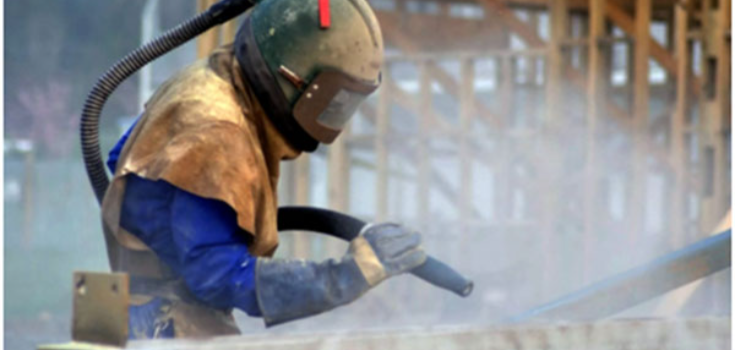
- Bead Blasting – Produces a matte-looking finish with a uniform texture.
- Flame Polishing – Utilizes heat to attain smooth edges and greater transparency.
- Sanding – Removes surface irregularities for a fine finish.
- Machined Finish – Allows tool path marks to remain on functional parts.
Benefits of CNC Machining HDPE Plastics
Maquinação CNC of HDPE has several benefits, including high precision, low-cost production, and versatility. You can process it to allow until specified, which removes the need for expensive molds.
The lightweight nature and chemical resistance of HDPE make it preferable for industries requiring components that need to last and not corrode. The consistent results achieved in either CNC milling or turning processes feed both prototypes and production.
Considerations and Challenges for Machining HDPE

HDPE is soft. It can deform if the machining parameters are not suited. Too high spindle speeds, a tool that develops heat, raise the melting/warped conditions in the material. Therefore, sharp cutters, middle speed, and effective cooling should be used.
Clamping is another important consideration because HDPE can flex under pressure. Smoothing and accuracy will rely on controlling vibration and proper chip evacuation.
Best Practices for HDPE CNC Machining
Use carbide tools during the machining of HDPE with the view in mind towards longevity and clean edges. Ultimately, the cutting tools should be kept sharp. This may result in burrs and melting.
Use compressed air or refrigerant to reduce thermal buildup. It is also beneficial to pre-dry the material to reduce internal stress. The final design consideration is a consistent-walled design to reduce the probability of deformation during the machining process via CNC methods.
Applications of HDPE Machined Parts

Indústria eléctrica: It is a great cable guide and protective housing because of its excellent dielectric properties, making it a trustworthy means of insulation.
Automotive Sector: It is the most preferred material in constructing fuel tanks, mounting brackets, and interior panels, and also in fabricating durable protective covers.
Medical Field: Its chemical resistance and easy sterilization allow the application of trays used for sterilization, lab equipment, and components for medical devices.
Indústria aeroespacial: Applied in lightweight protective covers, seals, and fluid-handling parts where strength and low weight are very important.
Marine Equipment: Boat fittings and dock bumpers, and other accessories that require water resistance and corrosion resistance.
Food Processing Machinery: A material of choice for hygienic surfaces, cutting boards, and parts of machines that uphold safety and cleanliness standards.
High-Quality CNC Machining HDPE at DEK
The primary services of DEK include advanced CNC machining and HDPE services that are offered with modern milling and turning techniques. DFM feedback is offered by the skilled engineers for performance improvement, strength improvement, and cost effectiveness of a part.
With accurate equipment and quality control, DEK guarantees reliable HDPE components tailored to meet several industrial requirements perfectly. Contactar-nos agora!
Conclusão
The CNC machining of HDPE is precise, efficient, and versatile for various applications. The best machining practices will ensure excellent results when working with this strong plastic.
