
Does Aluminum Rust or Corrode: Tudo o que precisa de saber
If you’ve ever worked with metals, you might have asked yourself: does aluminum rust? Many people think aluminum acts like steel, forming red rust when exposed to water or air.
Understanding aluminum’s behavior is important, especially when you work with it in milling, turning, or CNC applications. Choosing the right alloy and protecting it properly can save time and prevent unexpected damage.
What is Aluminum?

Alumínio is a silvery, lightweight metal that is strong for its weight. It is soft enough to be machined with milling and turning tools, yet durable enough for construction and automotive parts.
One of the main advantages of aluminum is that it naturally forms a thin oxide layer on its surface. This layer protects the metal underneath from further damage. That’s why you’ll often see aluminum parts outdoors still looking good after many years, even if they’ve been exposed to rain, sun, or salty air.
Aluminum is also versatile. It can be cast, extruded, or rolled, making it ideal for different CNC projects. You can cut it precisely on a CNC machine, drill holes, or turn it into complex shapes without worrying too much about rust. However, knowing when and how it can corrode is just as important as knowing its machining properties.
Does Aluminum Rust?
Rust is the reddish-brown flaky substance that forms when iron reacts with oxygen and water. Since aluminum does not contain iron, it cannot rust in the traditional sense. Instead, aluminum oxidizes, forming a thin layer of aluminum oxide on its surface. This layer is hard, protective, and sticks tightly to the metal.
Unlike rust, which flakes off and exposes more metal to corrosion, aluminum oxide shields the underlying metal from damage. That said, many people ask: does bare aluminum rust? or does brushed aluminum rust?
The answer is no, but in harsh environments, aluminum can develop corrosion. For example, in coastal areas with salty air, the oxide layer can be damaged, leading to white powdery deposits. This is different from rust but can still affect the appearance and, in extreme cases, the structural integrity of the aluminum.
Does Aluminum Corrode?
While aluminum doesn’t rust, it can corrode. Corrosion is a chemical reaction that slowly breaks down the metal. The rate and type of corrosion depend on the environment and the alloy used. Here are the most common types of corrosion that can affect aluminum:
Types of Corrosion Affecting Aluminum
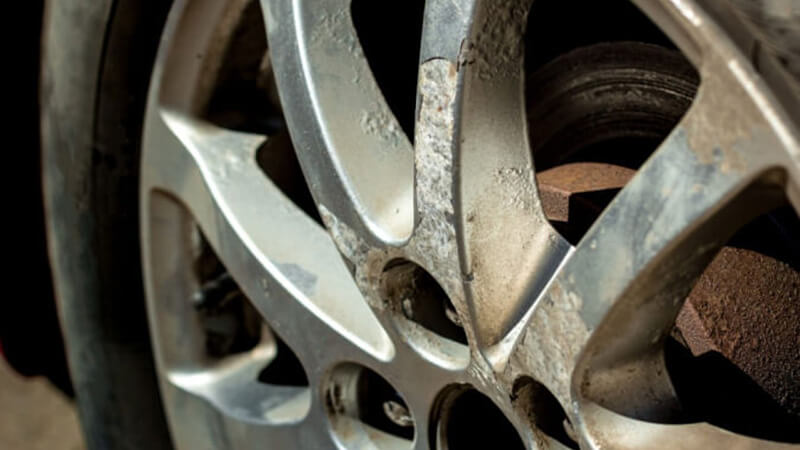
Atmospheric Corrosion: Happens when aluminum is exposed to air, moisture, and pollutants. Usually slow due to the natural oxide layer.
Pitting Corrosion: Small pits or holes form on the surface, often in saltwater environments.
Galvanic Corrosion: Occurs when aluminum contacts a more noble metal like copper or steel in the presence of moisture.
Stress Corrosion Cracking (SCC): Cracks develop when aluminum is under tension in corrosive environments.
Intergranular Corrosion: Happens along grain boundaries in certain aluminum alloys.
Exfoliation Corrosion: Aluminum layers peel away in sheets or extrusions.
General Corrosion: Uniform corrosion across the surface, usually slow.
Deposition Corrosion: Triggered when debris traps moisture on aluminum surfaces.
Erosion Corrosion: High-speed fluids or abrasive particles wear down the surface.
Corrosion Fatigue: Combines mechanical fatigue with corrosion, weakening aluminum over time.
Filiform (Wormtrack) Corrosion: Thread-like corrosion develops under coatings or paint.
Microbiologically Induced Corrosion (MIC): Caused by bacteria in wet or damp conditions.
Environmental Factors Influencing Corrosion
The environment plays a major role in aluminum corrosion. High humidity, salty air, acid rain, and industrial pollutants can accelerate damage. That’s why I often consider: does aluminum rust outdoors? Not in the traditional sense, but it can develop white oxidation or pitting over time.
In coastal environments, the question becomes: does aluminum rust in salt air? Aluminum still won’t form red rust like steel, but corrosion can happen faster. Choosing the right alloy and applying protective coatings is essential for long-term durability.
Aluminum Corrosion vs Aluminum Oxidation
It’s important to understand the difference. Oxidation is natural and protective: aluminum forms a thin oxide layer that shields it. Corrosion, however, is damaging. Once the oxide layer is scratched, exposed to aggressive chemicals, or stressed mechanically, corrosion can occur.
This distinction is important when working with CNC-milled parts, as corrosion can affect machining tolerances and assembly.
Applications Best Suited for Aluminum
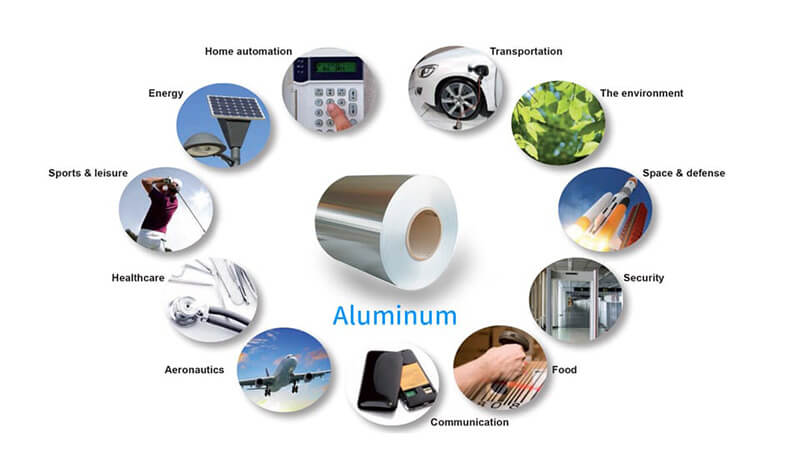
Aluminum’s combination of light weight, corrosion resistance, and machinability makes it ideal for many industries:
Aerospace and Aviation: Aluminum alloys reduce weight while maintaining strength, improving fuel efficiency.
Automotive and Transportation: Frames, panels, and engine components use aluminum to save weight and resist corrosion.
Construction and Architecture: Roofing, siding, window frames, and structural parts benefit from aluminum’s longevity.
Consumer Products and Electronics: Aluminum housings and panels resist wear and look sleek. CNC machining ensures precise components.
How Aluminum Alloys Resist Rust
Aluminum alloys are designed to improve strength and corrosion resistance. Alloying elements like magnesium, silicon, zinc, and copper enhance durability. Common alloys include:
6061 Aluminum: Strong, corrosion-resistant, ideal for outdoor and marine applications. (Does 6061 aluminum rust? Very rarely.)
5052 Aluminum: Highly resistant to saltwater corrosion.
Alumínio 7075: High-strength alloy, usually anodized for extra protection.
Choosing the right alloy affects questions like does aluminum rust faster than steel? or does steel or aluminum rust faster? In most cases, aluminum resists corrosion better than steel, especially outdoors or in salty air.
Why Anodizing Improves Corrosion Resistance
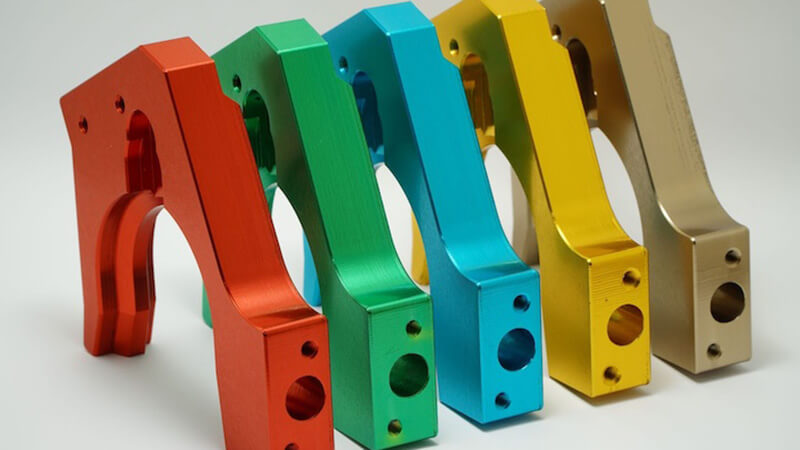
Anodizing is an electrochemical process that thickens the aluminum oxide layer. Benefits include:
- Improved durability for outdoor, marine, and industrial environments.
- Better adhesion for paints or powder coatings.
- Prevention of pitting, white rust, or surface corrosion.
- Anodized aluminum is especially valuable for CNC-machined parts exposed to tough conditions, ensuring long-term performance.
Tips to Prevent Aluminum Corrosion
Even with corrosion-resistant alloys, I take steps to protect aluminum:
Protective Coatings and Paints: Powder coating or painting adds a protective barrier. (Does powder coated aluminum rust? Almost never if the coating is intact.)
Proper Maintenance and Cleaning: Regularly remove salt, dirt, and chemical residues. Even the best alloys can corrode if neglected.
Environmental Considerations: Avoid contact with incompatible metals like copper or steel, especially in humid or salty areas.
These practices help aluminum parts last for decades, maintaining both strength and appearance.
Conclusão
Aluminum does not rust like steel, but it can corrode under certain conditions. Understanding the difference between rust, corrosion, and oxidation is key when selecting alloys for CNC milling, turning, or outdoor projects. Proper alloy selection and protective measures keep aluminum parts strong, precise, and long-lasting.
At DEK, we provide high-quality aluminum alloys and precision CNC machining that resist corrosion and wear. Knowing how aluminum reacts to its environment ensures your projects remain durable and reliable for years to come. Contact us today!
FAQs
Can aluminum rust in salty environments?
No, aluminum doesn’t rust, but corrosion can occur faster in salty air. Using 5052 aluminum or anodizing prevents most issues.
How long does aluminum last outdoors?
With proper alloys and maintenance, aluminum can last decades outdoors, even in coastal or industrial areas.
Is anodized aluminum maintenance-free?
Not completely, but anodizing greatly reduces corrosion and wear, making it very low-maintenance.
Can aluminum rust affect health or safety?
Aluminum corrosion is generally non-toxic, but structural components can weaken if unprotected. Proper alloys and maintenance prevent risks.
