
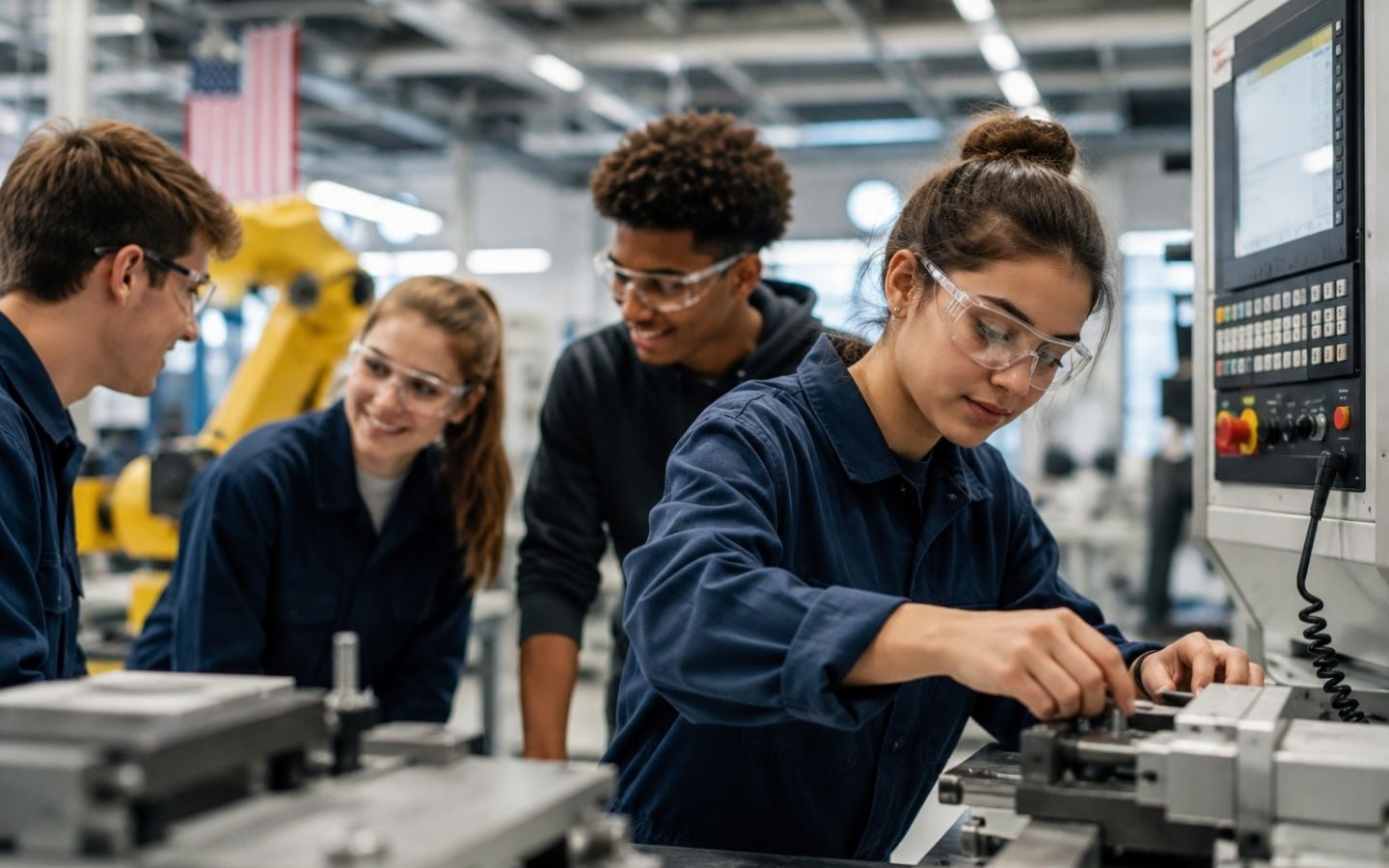
I have been told several times by young people working in professional capacities that manufacturing is an outdated industry and that there is no future in it; one should pursue careers in computer science or finance.
It is easy to understand this mentality since, for many years, manufacturing has been considered an old-fashioned industry. I simply do not believe this is true. Coming from my background in precision machining and production, where I have worked for several decades, I have a different point of view.
The manufacturing industry is still very important today and will always be a good career choice.
A Career with Real Impact
Another positive factor about being employed in a manufacturing company is that what you do turns out to be truly useful for many people.
In no way do you press any button to obtain some numeric information. On the contrary, you produce elements, which will be used in creating the heart of all sorts of machines, ranging from medical equipment to space technology, robots, and electric cars.
How satisfying does it feel to hold a finished product in your hands, knowing that it was your decisions that influenced its behavior? A change in tolerance, improvement of the fixture, or the inspection procedure might become a crucial factor in how it will behave outside your shop.
And ultra-precision machining is one way to create high-quality products, even with tolerances in the micron range.
Fast Growth for Skilled and Motivated Talent
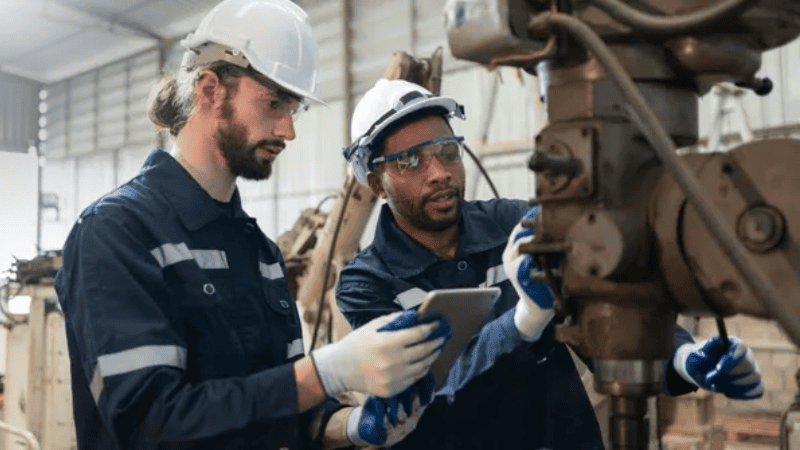
There is a clear lack of knowledgeable engineers, programmers, machinists, and process thinkers in many manufacturing facilities.
This presents real opportunities for young individuals who can work hard, learn quickly, and take on responsibility at an early age.
Young engineers can move from merely quoting simple CNC parts to full customer project management in two or three years, not because of their longevity but simply because they are passionate and capable problem solvers.
Wages tend to rise based on competence rather than longevity.
The most crucial factor of all is that development comes from mentality. As Henry Ford once put it, “Anyone who stops learning is old, whether at twenty or eighty.” And it is very true in this line of work. As soon as you stop learning, you also stop developing.
Modern Manufacturing is Not What It Used to Be
There’s still a common perception that manufacturing is loud, messy, and disconnected from modern technology.
That may still be true in some places, but it doesn’t reflect the leading edge of the industry.
Today’s precision manufacturing is powered by digital systems, automation, and data. Work is done through CAD models, simulation tools, CMM inspection reports, ERP platforms, AI-assisted quoting systems, and highly automated machining centers.
Modern CNC environments, such as 3 Axis, 4 Axis, and 5 Axis CNC Milling, are now standard in advanced workshops. These machines make it possible to produce complex geometries in fewer setups, improve repeatability, and reduce human error—shaping how younger engineers approach efficiency and process design.
A junior manufacturing engineer might start the day reviewing GD&T, spend the afternoon refining fixture design, and finish by discussing workflow improvements with production teams.
Manufacturing is no longer separate from technology. It is technology.
The Sense of Pride That Many Careers Don’t Offer
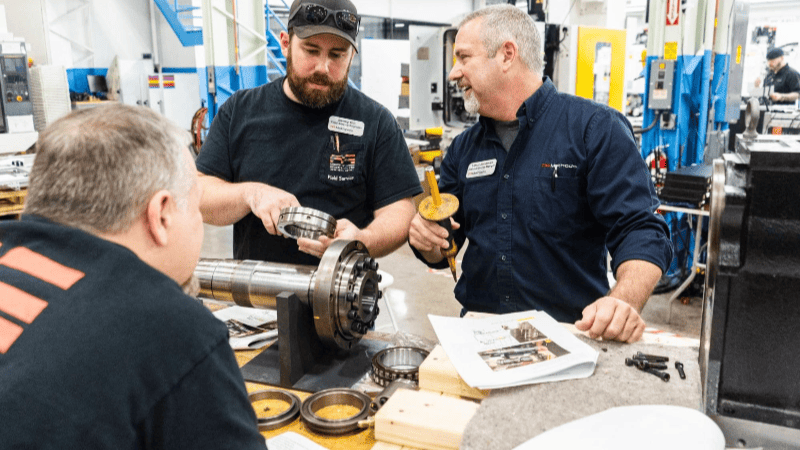
Being able to create a working product gives you a different feeling of pride.
It stays with you when the client tells you that your machined part will be used for testing in an aircraft, in a piece of surgical equipment, or even in a robot prototype.
It’s the hard work, the tight tolerances, the midnight inspection reports, and the rush to get a prototype out the door that helps you build confidence.
Eventually, you don’t have to wonder anymore if you can do it; others come to you for help with their problems.
This is the kind of respect that takes time to earn and is very valuable.
What I’ve Seen Working With Young Engineers and Technicians
Em DEK, I work with many young engineers and technicians, and a clear pattern shows up.
The best-performing employees are usually not the ones with the best-looking resumes. Instead, they are those who love to design something. They inquire about the importance of tolerances. They examine the reasons behind the failure of a fixture. They seek to comprehend the complete process rather than focusing on their particular responsibility within it.
Curiosity prevails over qualifications.
In most of our projects, particularly the ones related to subcontract manufacturing, young engineers encounter actual customer needs in various sectors early on in their careers. It encourages them to look beyond drawings and consider other factors like performance, price, and manufacturability.
It is here that they realize the impact of engineering decisions on practical production results.
This sort of experience tends to leave a lasting impression.
Why Manufacturing Will Stay Relevant for Decades
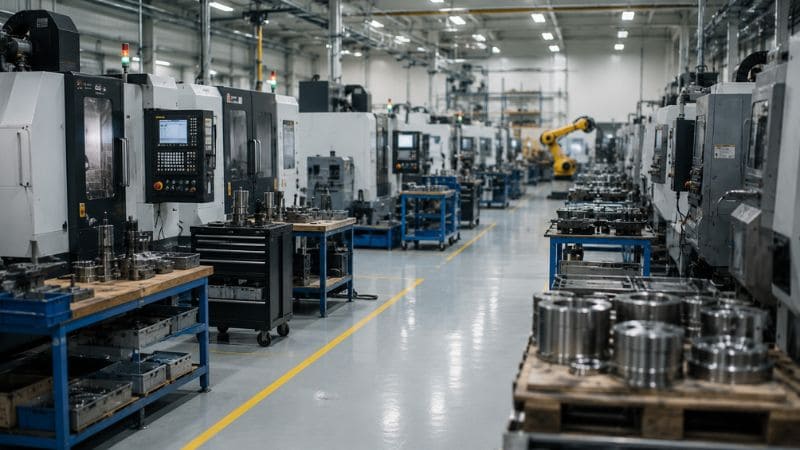
Artificial intelligence, electric vehicles, automation, energy storage, and robotics rely on tangible processes. The software can improve its optimization, but there is no way around building those casings, machining those parts, assembling the components, and ensuring manufacturing at scale is consistent and reliable.
Robotic technology remains on a fast growth trajectory worldwide with double-digit growth rates, and the production of EVs keeps increasing globally. None of this can happen without qualified manufacturing personnel behind the scenes.
AI will disrupt the process, but it will not be able to replace the ingenuity and judgment required to keep tolerances under control and find solutions to complex process disruptions that arise due to the unpredictable nature of reality.
Innovation is sometimes thought of as being synonymous with ideation, yet it’s really about execution. As the popular phrase says, “Genius is one percent inspiration and ninety-nine percent perspiration.” The same applies to manufacturing, where theoretical design comes into contact with tangible materiality on a daily basis.
Engineers will never become obsolete.
My Perspective
If I were to begin my career anew at this moment in time, I would once again select manufacturing. This is not an easy task by any means; in fact, it takes patience, accuracy, and a high degree of responsibility. Manufacturing demands a level of thinking and accountability that forces one to consider the importance of details. It also provides something rare measurable success.
You create something concrete, you are solving a problem that cannot be solved with slides and presentations.
As time passes, you earn respect from your peers, not only on an individual basis, but also among those who look up to you as someone capable of making important decisions outside of their immediate workspace. This kind of respect teaches clarity and accountability as few other jobs can.
Manufacturing is a field of endeavor with great potential.
