Anodized Magnesium: Process, Types, Applications
Anodized magnesium is commonly used in advanced manufacturing due to its low density, high strength, and machinability. It’s a magnesium with improved corrosion resistance, wear resistance, and surface consistency without adding significant weight. You can use it for aerospace, automotive, consumer electronics, and medical devices.
This blog explains the processing methods, anodizing types, and practical applications of anodization. It helps you understand where it performs best and how it provides excellent production during demanding industrial environments.
What is Anodized Magnesium?
Anodized magnesium is magnesium that has undergone an electrochemical anodizing process, which transforms the surface into a stable layer. A hard oxide layer gives better corrosion and wear resistance while redefining the process. Anodizing allows for the application of multiple dyes and provides an appearance.
Anodizing also stabilizes the surface, enabling it to survive more mechanical abuse. Adhesive applications for coatings and paints can benefit from this layer. It is optimized for components in industrial machinery, parts of cars, and consumer electronics for the best performance.
Types of Magnesium Alloys That Can Be Anodized
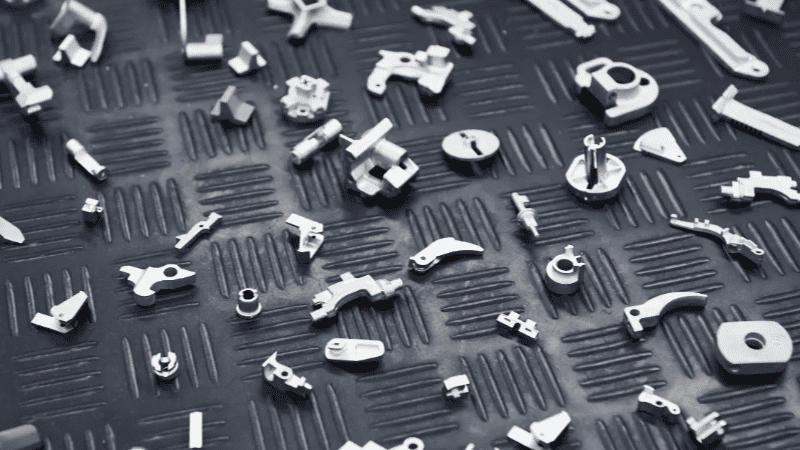
Diversos ligas de magnésio can be anodized, all of which have their own properties. Magnesium alloys have good structural reliability and resistance to corrosion. They are preferably shaped by extrusion, rolling, or even forging. Cast magnesium alloys are preferably produced from molten metal. It forms molds into complex shapes and lends itself to inexpensive production.
WE43, AZ31B, and AJ62A are most commonly anodized alloys for increased wear resistance, surface hardness, and corrosion protection. This may change your choice of alloy. It is determined by the application-suggested purposes as aerospace, automotive, or electronics. The right use and choice of alloy will confirm that anodized magnesium will perform well under very difficult conditions.
Types of Anodizing For Magnesium
Chromic Acid Anodizing
Chromic acid anodizing is the method for creating thin oxide layers that can resist corrosion. It is ideal for aerospace and precision components where strict margins are required. There are benefits to increased surface durability with minimal impact on the dimensions of your parts.
This method of anodizing is especially good for those components exposed to moisture or environmental effects. It maintains light-weight advantages from magnesium yet adds a layer of corrosion resistance. On the other hand, it extended the service life under tough conditions for your pieces.
Sulfuric Acid Anodizing
Sulfuric acid anodization will produce a thicker oxide layer on magnesium. This improves wear resistance while being available for coloring and aesthetic finishes. These make it ideal for consumer electronics and automotive component applications requiring protection and appearance.
The process produces a porous surface for better paint and coating adhesion. The application increased the life of magnesium components through corrosion and mechanical wear protection. It is a flexible option for all applications requiring a moderate level of protection along with aesthetic appeal.
Hard Coat Anodizing
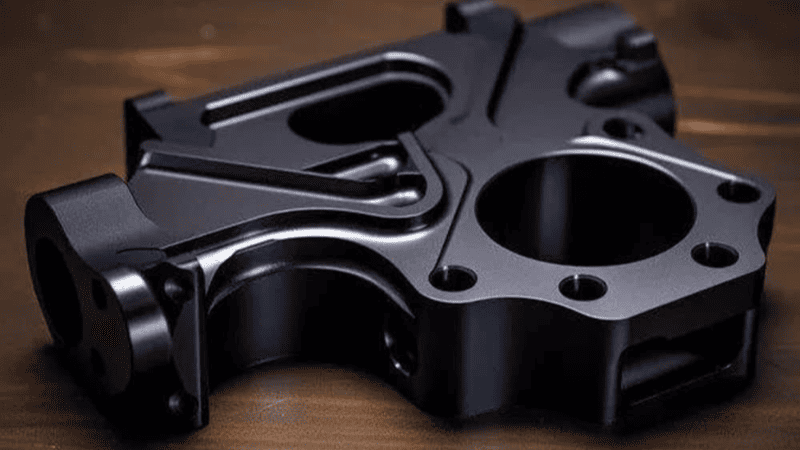
Hard anodization creates the thickest protective layer of all anodizing methods. It improves abrasion and wear resistance for usage as a hardening treatment for industrial machinery, aerospace components, and high-stress applications.
This technique provides excellent durability, but may reduce that beneficial property slightly. Tight tolerances become an issue for critical weaknesses in life. Hard coat anodizing guarantees the magnesium withstands. Such rigorous mechanical stress maintains an extended life and performance in demanding applications without sacrificing its lightweight advantage.
Anodization Process of Magnesium
The anodization process starts with the cleaning of the magnesium. It is placed in an electrolyte bath with an applied direct current. This forms a hard and protective oxide layer over the surface of the metal. Dyes can also be incorporated into the anodization process, enhancing visual appeal while adding negligible weight.
During the electrochemical reactions, the magnesium surface gets light porous, allowing coatings to stick to it in a better manner. This process improves corrosion resistance, surface hardness, and durability. Consistent quality is ensured, making your magnesium components suitable for aerospace, automotive, consumer electronics, and other industrial applications.
Color Options For Anodized Magnesium
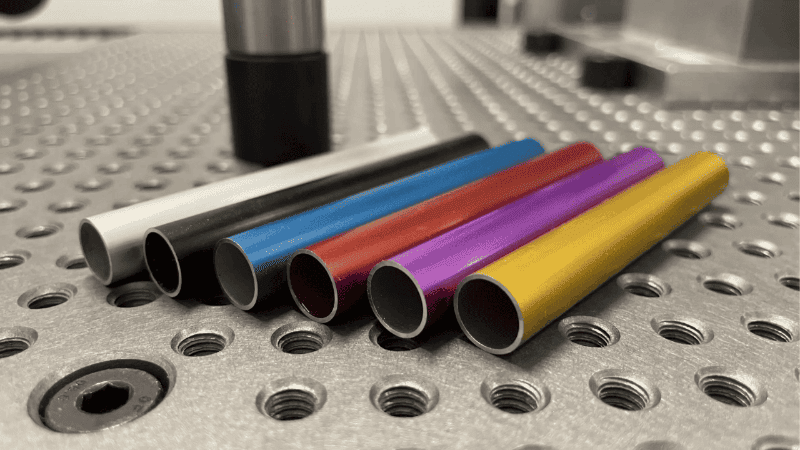
Anodized magnesium can be dyed many colors, depending on the anodizing method. Popular anodized colors include silver, black, gold, brown, red, and violet. Ny-Dyes enhance aesthetics while allowing the material to retain its corrosion resistance and durability.
Color customizations facilitate attractive consumer electronics, automotive parts, and architectural products. Anodizing in controlled batches can ensure uniform color distribution. The anodic layer keeps the colors bright and fade-resistant, helping yield long-lasting decorative and functional applications.
Benefits of Anodizing Magnesium
Enhanced Corrosion Resistance
Anodizing magnesium makes a stable oxide layer that resists corrosion due to moisture, salt, and other environmental agents. This is essential for aeroespacial, automotive, and outdoor applications where materials face tough conditions.
You can add to the life of your magnesium components by holding corrosion-related failures at bay. This protective layer ensures dependable performance over time while keeping intact magnesium's lightweight properties needed in long-term applications.
Increased Surface Hardness
It has a higher surface hardness, which reduces wear, scratching, and abrasion. This property is important to components found in industrial machinery, automotive, and transportation industries that experience mechanical stress regularly.
The harder oxide layer increases the durability and reduces maintenance and downtime. You can trust on those parts for uniform performance in high-stress conditions, boosting service life and overall efficiency.
Improved Adhesion for Coatings
The porous surface of anodized magnesium favors coating adhesion, paint, adhesives, and coatings. Such anchorage will guarantee that any decorative or protective layer remains intact for a long service life.
The increasing in bonding becomes a benefit for electronics, automotive, and consumer goods. It assures that the coatings do not peel and fade, thereby protecting the aesthetic and functional properties of the component.
Improved Aesthetics

Anodização provides brilliant color finishes to magnesium surfaces, which give full credit to utility and beauty. Colors such as black, gold, red, or violet can be selected as per design needs.
Aesthetically attractive anodized magnesium is widely utilized in consumer electronics, automotive, and architectural applications. The anodic layer precludes fading so that the components continue to hold their bright look over time without compromising durability.
Lightweight Structure Preservation
Magnesium is valued for its lightweight advantages in improving fuel efficiency and handling of cars and aircraft. Anodizing improves surface properties without adding much weight.
Maintain the profit accrued from lightweight magnesium while improving corrosion resistance, hardness, and aesthetics. It is suitable for all applications in which performance and weight reduction are the binding requirements.
Económica
Anodizing gives magnesium a longer life cycle, and this directly saves on repair or replacement. Enhanced corrosion and wear resistance is a guarantee for prolonged reliability. The use of anodized magnesium results in reduced upkeep, saving you time and money. Magnesium is also easily available and cost-effective. Anodized components are a viable option for industrial-grade applications without compromising performance.
Industrial Applications of Anodized Magnesium
Aeroespacial e aviação

For fuselage panels, engine components, and structural parts, it is widely used in aerospace applications. Its lightweight nature improves fuel efficiency and overall performance.
Corrosion resistance and durability of the surface allow long-term reliability in extreme conditions. It provides more efficient and safer operation of aircraft components at a lower maintenance cost.
Indústria automóvel
Magnesium parts are used for engine blocks, transmission housings, and wheel rims. Anodizing protects against wear and corrosion in harsh operating environments. It contributes to lighter-weight components that further improve fuel efficiency and vehicle handling. It provides longer durability, performance, and service life for critical parts in automobiles.
Eletrónica de consumo
Anodized magnesium is the material of choice for casings of laptops, smartphones, and cameras. It offers lightweight and increases corrosion and scratch resistance. Color customizations create devices with an exterior pleasing to the eye. The anodic layer helps with coating adhesion. It is making magnesium the way to go for portable consumer electronics, with the added advantage of attractiveness.
Dispositivos médicos
Its lightweight structure, biocompatibility, and corrosion resistance are advantageous for surgical instruments and implantable devices. The anodic coating confirms the safety of the patient while maintaining the longevity of the device. The components are durable yet comfortable and reliable for use in the medical field.
Máquinas industriais
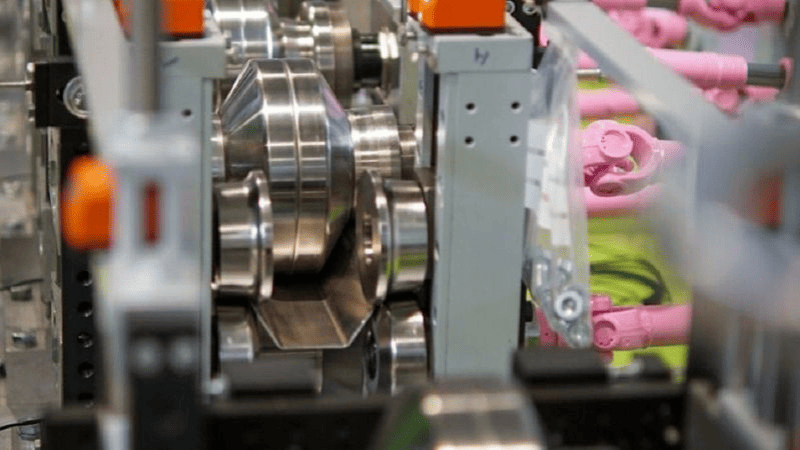
Gearbox, frame, and machine components made from anodized magnesium will resist wear and corrosion. Enhanced hardness minimizes maintenance and improves operational efficiency. It also ensures machinery parts are reliable under high stress.
Sports and Recreational Equipment
It is lightweight and strong, making it useful in bicycle frames, golf clubs, and other sports gear. Scratch resistance from the anodic layer provides color customization for aesthetics while ensuring future performance in outdoor and recreational affairs.
Tips For Anodizing Magnesium
Every component should be cleaned entirely prior to anodizing, because it should be covered from any contaminants. Tight tolerances should be designed with consideration of oxide-layer thickness. Small-batch anodizing gives a much better chance of achieving color uniformity and surface consistency.
Use additional surface finishing techniques like polishing or bead blasting for a smooth finish. Prevent burning or uneven current distribution by ensuring that the edges and corners are finished well.
Conclusão
Anodized magnesium provides enhanced corrosion resistance, surface hardness, and aesthetic versatility while preserving its lightweight advantage. It is widely used in aerospace, automotive, medical, and consumer electronics applications.
DEK specializes in manufacturing solutions with practical DFM feedback to optimize anodized parts for performance, durability, and efficient production. Consult us to ensure your magnesium components achieve maximum reliability and cost-effectiveness while maintaining superior quality throughout the manufacturing process.
FAQs
Why is magnesium anodized?
To improve corrosion resistance, surface hardness, coating adhesion, and overall component lifespan.
Is Anodized Magnesium Toxic?
No, anodized magnesium is safe for handling and environmentally friendly.
How Durable Is Anodized Magnesium?
Highly durable, longevity depends on the anodic layer thickness and the type of anodizing used.
Can You Re-Coat Anodized Magnesium?
Yes, anodized magnesium allows recoating with paints or protective layers without affecting performance.