
ABS Density: O que precisa de saber
Whenever I start a project with plastics, one of the first things I check is the ABS density. Knowing the density helps me predict how the material will behave when I’m shaping it, whether I’m milling, turning, or running a CNC program. It also affects the weight, strength, and durability of the final part.
I’ve worked with different plastics, and ABS is one of the most versatile. In this post, I’ll break down what ABS density is, why it matters, and how it affects everything from design to production.
What is the Density of ABS?
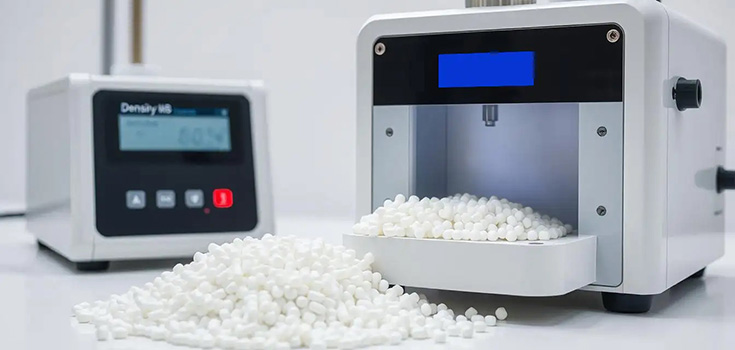
ABS (Acrylonitrile Butadiene Styrene) is a strong, lightweight plastic that I often use for parts that need both toughness and precision. The density of ABS usually falls between 1.03 and 1.06 g/cm³. That means it is slightly heavier than PLA, so if you compare PLA vs ABS density, ABS will feel a bit denser.
This density range is important because it influences how the material handles cutting, shaping, or machining. Denser plastics can sometimes require slower feeds and higher spindle speeds during Fresagem CNC or turning, while lighter ABS flows more easily in injection molding or 3D printing. Understanding this helps me plan the best process for each project.
Factors Influencing ABS Density

Composição
ABS is made of three main ingredients: acrylonitrile, butadienee styrene. I’ve noticed that changing the ratio slightly affects both density and performance. For instance, more butadiene improves impact resistance, making the material more flexible, while more styrene increases stiffness. Even small changes in composition can affect how the plastic responds to cutting or forming.
Processos de fabrico
The way ABS is processed also changes its density. Injection-molded ABS, for example, can be denser than extruded ABS because of the high pressure during molding. When I work on CNC-machined parts, I pay attention to these differences because they affect tool wear, surface finish, and even how the part will hold tolerances.
Additives and Fillers
ABS is often mixed with additives like glass fibers, flame retardants, or color pigments. I’ve found that these fillers make the material denser, which can improve strength and heat resistance. But they can also make cutting and turning slightly harder. When choosing ABS for a project, I always consider whether the added density will help or hinder the machining process.
Measurement Methods for ABS Density
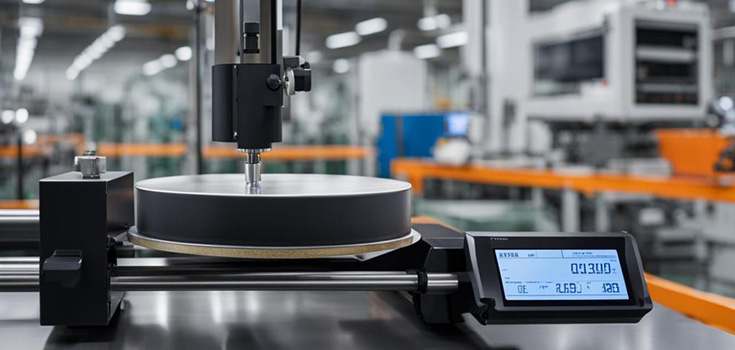
Archimedes Principle
One of the most accurate ways to measure ABS density is by weighing it in air, then in water, and calculating the difference. I’ve used this method many times because it gives consistent results and helps me verify the material before production.
Buoyancy Method
This is similar to Archimedes, but instead of precise lab scales, it measures how much water the sample displaces. I sometimes use it for quick checks when I don’t need ultra-precise numbers.
ASTM Standards
For consistent quality, I follow ASTM standards like ASTM D792. These standards make sure density measurements are accurate and comparable across different batches. Following these rules also helps prevent surprises during CNC milling or turning, ensuring every part meets the specifications.
Significance of ABS Density

Propriedades mecânicas
Density directly impacts strength, stiffness, and impact resistance. I often choose a slightly denser ABS if a part needs to handle more stress, because it can take more load without cracking. Lower-density ABS is still strong, but it’s lighter and easier to shape.
Manufacturability
For me, density is a key factor when planning milling, turning, or CNC machining. Denser ABS may require slower cutting speeds or sharper tools, while lighter ABS machines quickly and cleanly. Understanding this allows me to optimize the process and reduce material waste.
Conceção do produto
When designing parts, I consider density to control the overall weight and feel. A well-balanced ABS part is strong, durable, and comfortable to handle. This matters for everything from consumer electronics to automotive components, where weight and durability are critical.
Applications of Lightweight ABS

Indústria automóvel
I’ve seen ABS used in dashboards, trims, and structural components. Its low weight helps keep vehicles efficient, while its toughness ensures parts survive long-term use.
Electronics and Consumer Goods
ABS is ideal for laptops, phone cases, keyboards, and other electronics. It’s easy to mold, lightweight, and strong. I often rely on its predictable density when designing parts that need precise dimensions.
Dispositivos médicos
ABS is also used in medical housings and equipment. Its density makes it strong enough for protective cases, but still easy to clean and sterilize. Choosing the right density ensures these parts last and perform safely.
Wide Selection of Materials at DEK
At DEK, you can choose a variety of ABS types and other plastics. Whether you need parts for milling, turning, or CNC projects, we provide reliable materials and fast production. Get in touch with us today to start your project.
Conclusão
Understanding ABS density helps me select the right material for strength, weight, and machinability. With the right ABS, I can create durable, lightweight parts that perform exactly as needed in any application.
