
Prototyping für die Automobilindustrie Dienstleistungen
We provide precision automotive prototyping and engineered components, enabling rigorous design validation for advanced, next-gen mobility systems.
- Tight-tolerance components via CNC and industrial 3D printing.
- Optimized physical models for wind tunnel and airflow testing.
- Expert assembly of intricate powertrain and electronic sub-systems.
- Specialized alloys and polymers meeting strict automotive standards.
- Stress-tested frames built for impact and fatigue analysis.
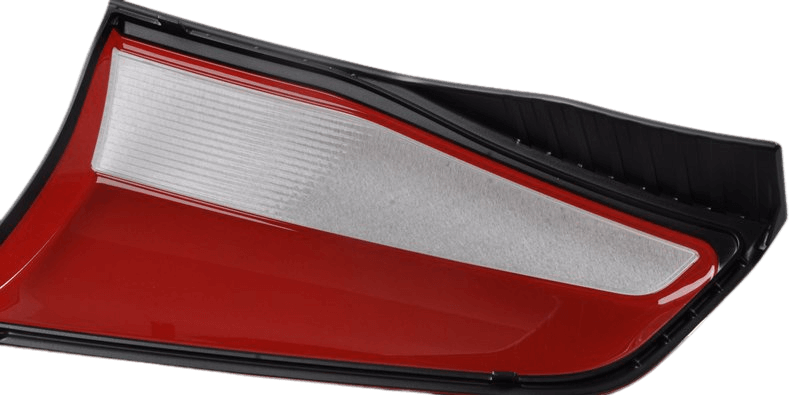
Automobil-Prototyp Dienstleistungen
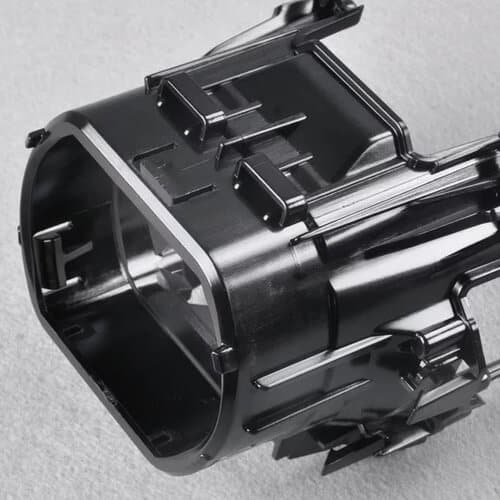
DEK provides world-leading automotive prototyping and custom parts, using advanced CNC machining, casting, tooling, and 3D printing to ensure cost-effective quality.
Mit Zugang zu über 50 zertifizierte Materialien und fachlich versiert technische UnterstützungDEK zeichnet sich durch die Herstellung von Prototypen für die Automobilindustrie aus, bietet aber auch hohe Präzision (Toleranzen bis zu +/-0,005mm) kundenspezifische Automobilteile für Ihr Projekt mit gleichbleibende Qualität und schnelle Lieferung.
Unser Ziel ist es, die Erwartungen unserer Kunden zu übertreffen und Ihnen zu helfen, auf dem Markt erfolgreich zu sein. Die DEK hat keine Mindestbestellmenge und kann Ihnen durchschnittlich 40% Kosten sparen, indem sie Ihnen das richtige Verfahren für Ihr Projekt empfiehlt. Zusätzlich zu den Optionen für die Oberflächenveredelung können wir auch einen beschleunigten Service anbieten, um dringende Kundenanforderungen zu erfüllen. Durch die strikte Einhaltung der ISO 9001-Normen wird sichergestellt, dass Prototypen und Teile für die Automobilindustrie die Designanforderungen hinsichtlich Größe, Leistung und Haltbarkeit erfüllen.

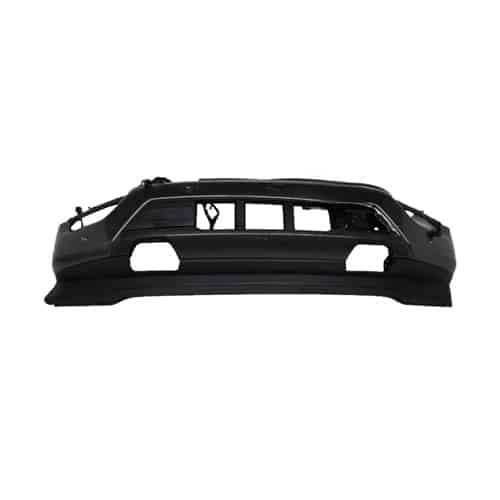
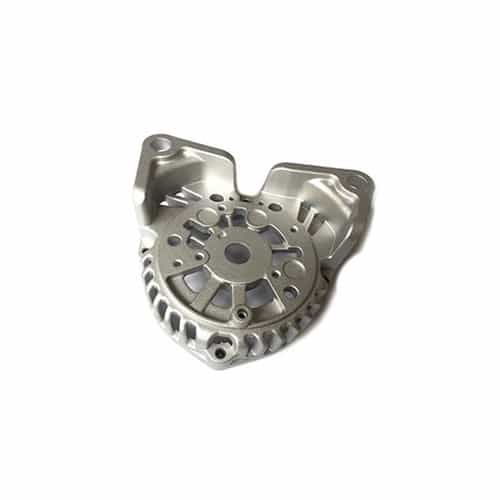
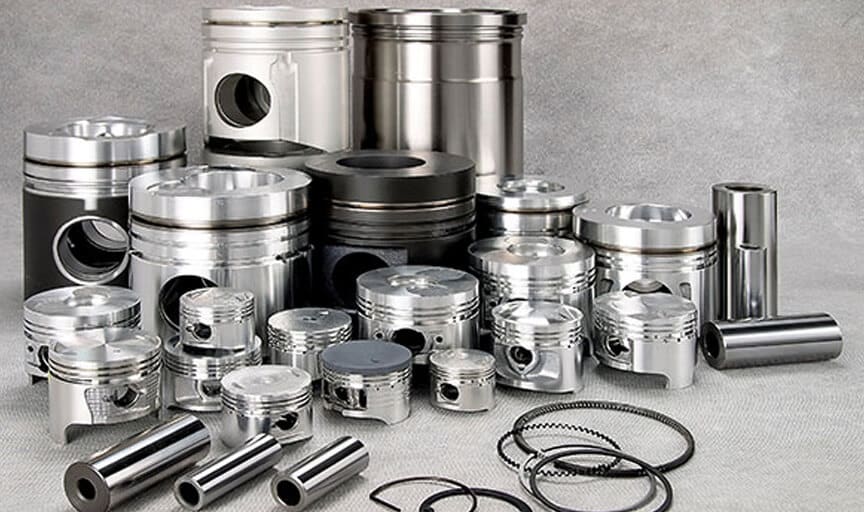
Auto Motorteil

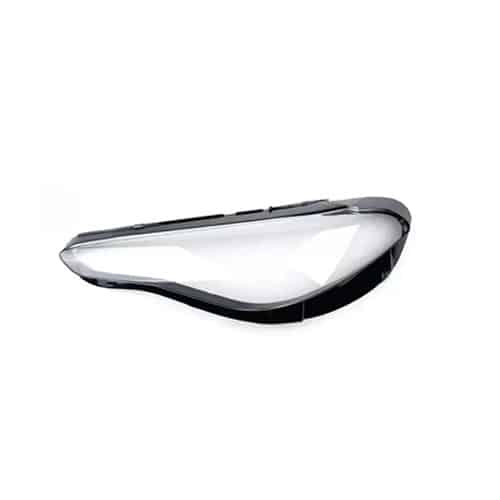

Autoscheinwerfer-Reflektor

Prototyping für die Automobilindustrie Fähigkeiten
CNC-Bearbeitung
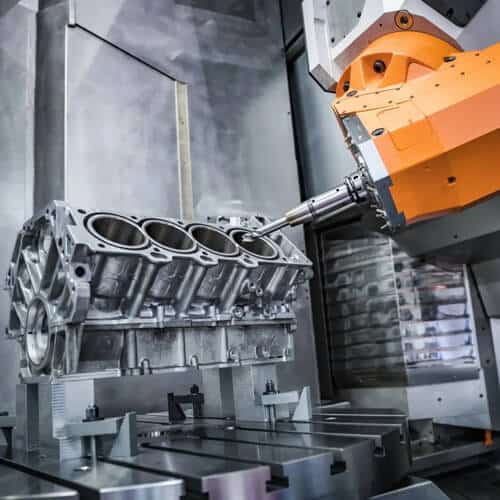
DEK verfügt über modernste CNC-Bearbeitungszentren mit 3-Achsen, 4-Achsen, 5-Achsen für eine breite Palette von Metallen und Kunststoffen, einschließlich Aluminium, Titan, Edelstahl, ABS, Acryl, Nylon und anderen produktgerechten Materialien.
Our engineering and production teams have the experience and design flexibility in automotive prototyping and component production to quickly produce physical prototypes of complex geometries and shorten development cycles. We can provide you with cost-effective quotes based on market prices and quickly deliver high-quality parts.
Vakuumgießen
DEK specializes in exterior prototype parts for automobiles made using vacuum casting methods, such as light housings and bumpers, as well as functional parts with complex internal structures.
We offer more than 50 types of certified materials and the flexibility to produce the automotive prototypes or parts you need to ensure that the end-use parts meet your project requirements. With our advanced equipment and proven vacuum casting technology, we can quickly manufacture complex-shaped parts.

Rapid Tooling
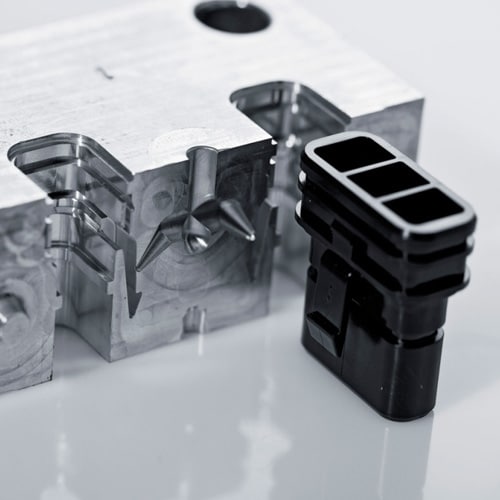
When multiple identical plastic prototypes need to be built, our rapid tooling services are your best solution. We use aluminum molds and silicone molds for manufacturing.
Using a combination of rapid tooling and injection molding manufacturing methods, DEK is able to create hundreds of custom automotive parts, including bumpers, reflectors, light guides, bezels, exterior lenses, and other components for our customers in a much shorter period of time.
Herstellung von Blechen
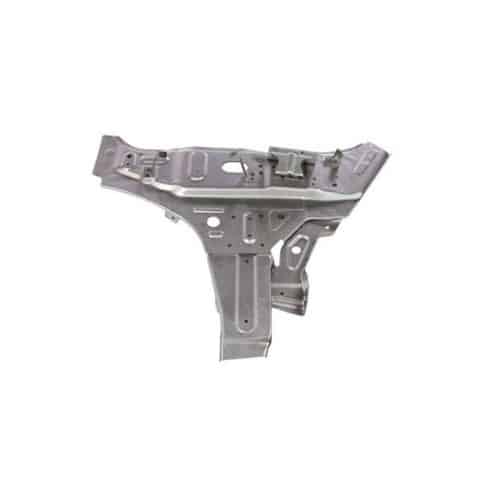
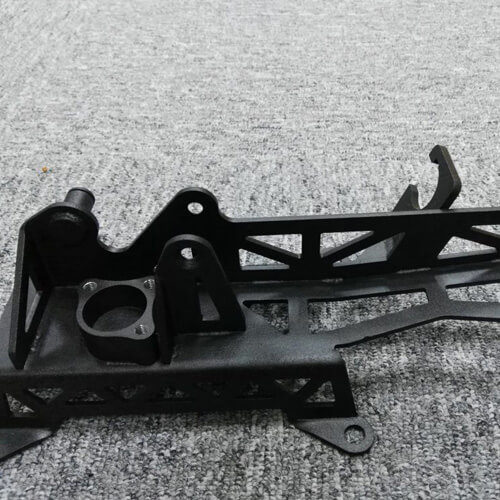
DEK provides high-quality, reliable sheet metal fabrication for precise dimensions. Our proven processes deliver cost-effective, durable prototypes and custom parts with superior structural stability.
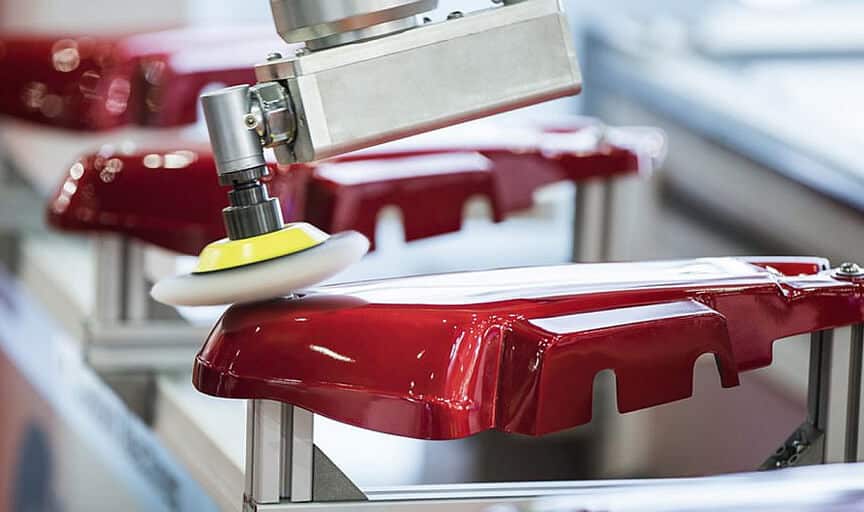
We use lightweight materials like aluminum, HSS, and magnesium to enhance vehicle performance and energy efficiency. Our secondary services include painting, galvanizing, and polishing to improve component durability and aesthetics. Leveraging efficient technology, we ensure high-volume production with consistent quality across every part.
3D-Druck
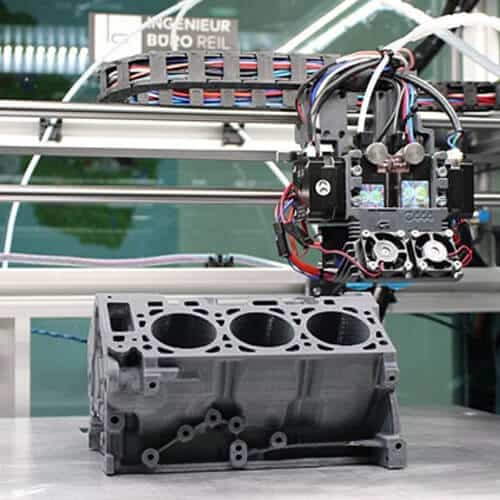
Die 3D-Druck-Dienstleistungen der DEK können Ihnen helfen, Ihre Ideen für den Automobilprototypenbau schnell in die Realität umzusetzen, den Entwicklungszyklus zu verkürzen und Designern und Ingenieuren zu helfen, schnell zu iterieren und zu testen und rechtzeitig Anpassungen vorzunehmen.
We can provide over 50 certified materials to meet different customer needs. We can realize complex geometries, reduce design constraints, and customize the automotive components you need. We simplify the production process with flexible manufacturing that is cost-effective in automotive prototyping and low-volume part production.
Materialien
Automobil-Prototyp Material-Optionen
Aluminium
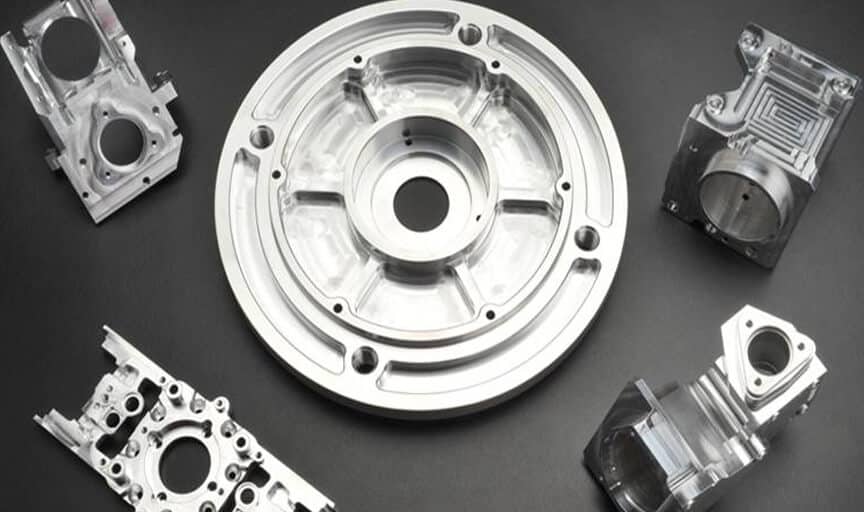
DEK machines custom automotive parts and prototypes using aluminum alloys AL6061, AL5052, AL7075, AL5083, and AL2024.
Messing
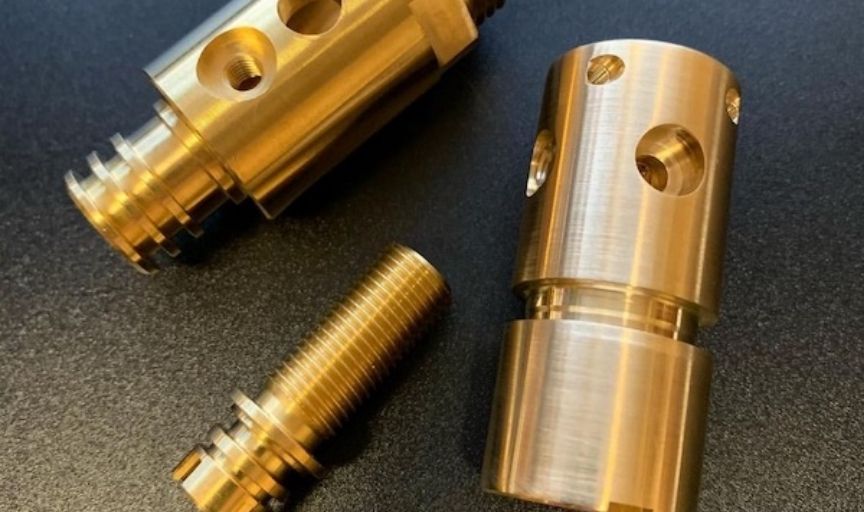
Brass is a low-friction, corrosion-resistant alloy that DEK precision-machines to prototype critical automotive components.
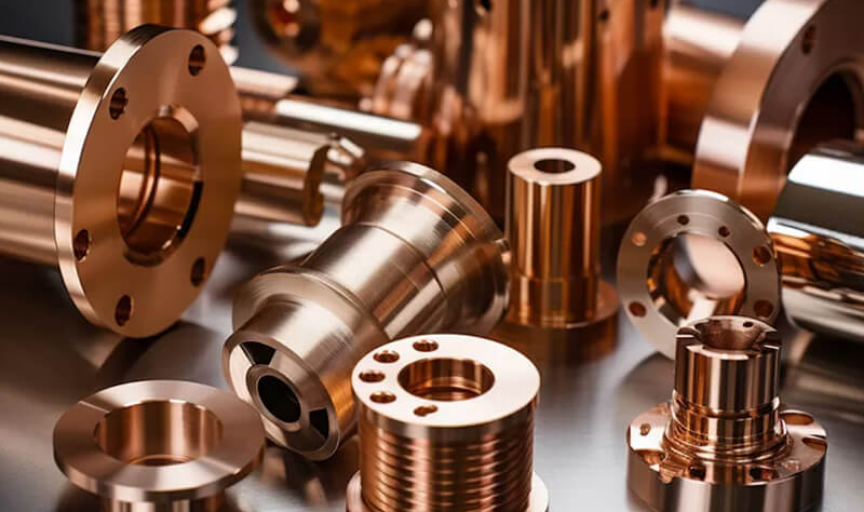
Kupfer
DEK utilizes copper’s high conductivity to prototype essential automotive components like busbars and heat exchangers.
Stahl
DEK machines durable custom automotive parts and prototypes using alloy steel, mild steel, and stainless steel.

Titan
We machine high-precision automotive prototypes and custom parts using Grade 1, Grade 2, and Grade 5 titanium.

Nylon (PA)
We machine durable automotive prototypes and custom parts using nylon to leverage its strength and abrasion resistance.
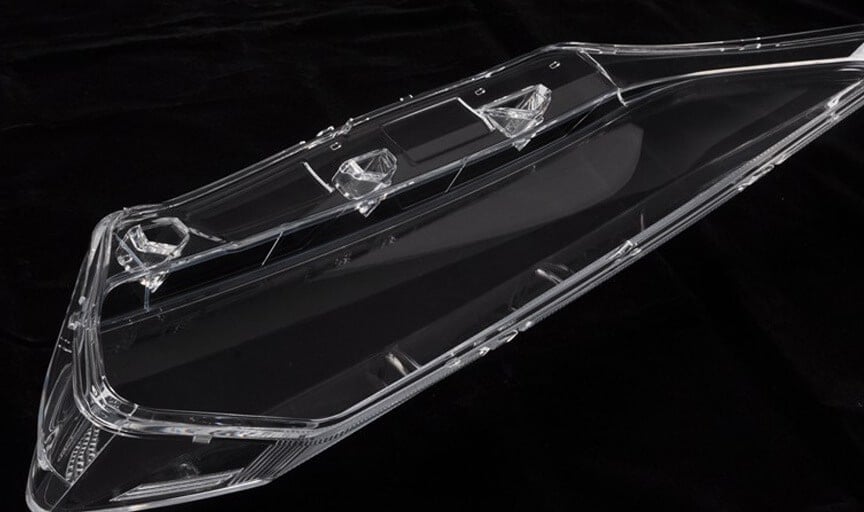
Acryl (PMMA)
DEK machines lightweight, shatter-resistant automotive lighting components and clear parts using Acrylic (PMMA).
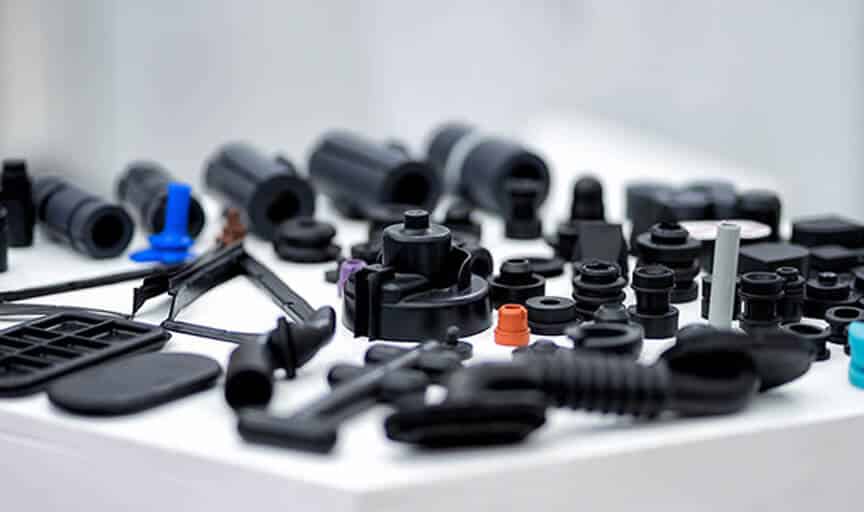
Silikon
Precision automotive prototypes are fabricated from silicone to produce heat-resistant seals, cover assemblies, etc.
Prozess
Unsere Fertigung Prozess
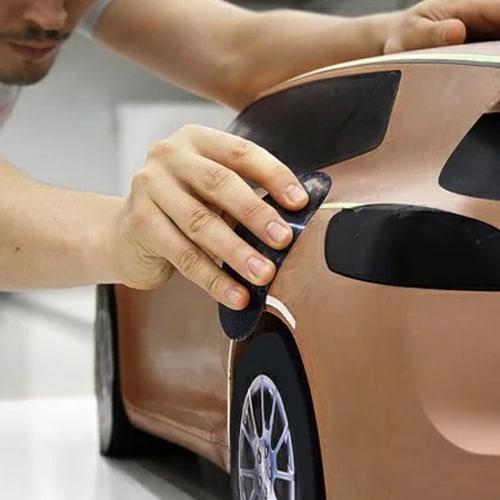
Konzeptprototyp und digitales CAD-Modell
The automotive prototyping process begins with an initial presentation of design ideas based on market requirements using hand-drawn structural drawings, followed by the creation of a conceptual prototype using CAD (Computer Aided Design) software.
Concepts are then brought to life using clay models to realize the idea of a real object, helping automotive designers to better evaluate and optimize the iterative process within the team, customers, and stakeholders to ensure both functionality and aesthetics before final production.
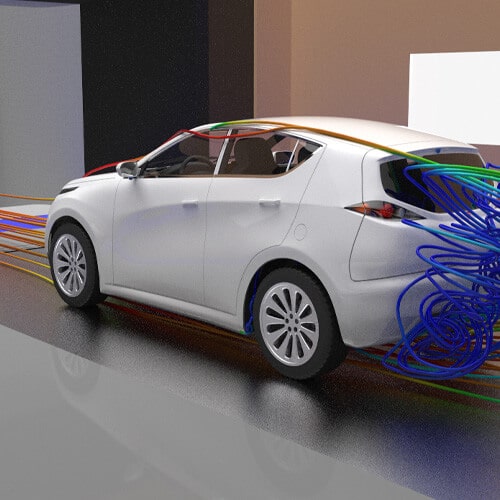
Struktur- und Funktionsüberprüfung
Automotive engineers refer to this phase as the “mule phase,” during which they build a series of functional prototypes, primarily to validate the spatial fit of components and collect functional data.
This helps to assess structural dimensional reasonableness and ease of installation, and enables engineers to observe how prototype components work with the vehicle and other components, while examining design, materials, strength, tolerances, assembly, operating mechanisms and manufacturability, so that potential problems can be detected and solved in advance.
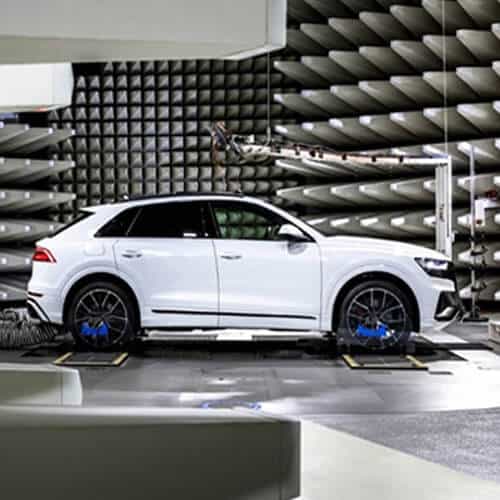
Technische Tests und Pilotproduktionslauf
Automotive prototypes undergo rigorous testing—covering aerodynamics, mechanics, and safety—to ensure they meet performance standards. Testing in extreme, real-world conditions allows engineers to quickly identify flaws and iterate designs to satisfy certification requirements.
Small-volume pilot production further optimizes the process by identifying assembly challenges early. This phase refines manufacturing workflows, ensuring that full-scale production is both cost-effective and reliable.
Warum wählen Unsere Dienstleistungen
Die Herstellung von hochwertigen Prototypen aus einer Hand spart Ihnen Zeit und Geld.

Technische Fähigkeiten

Schnelle Produktion
Oberflächenbehandlungen

Qualitätskontrolle
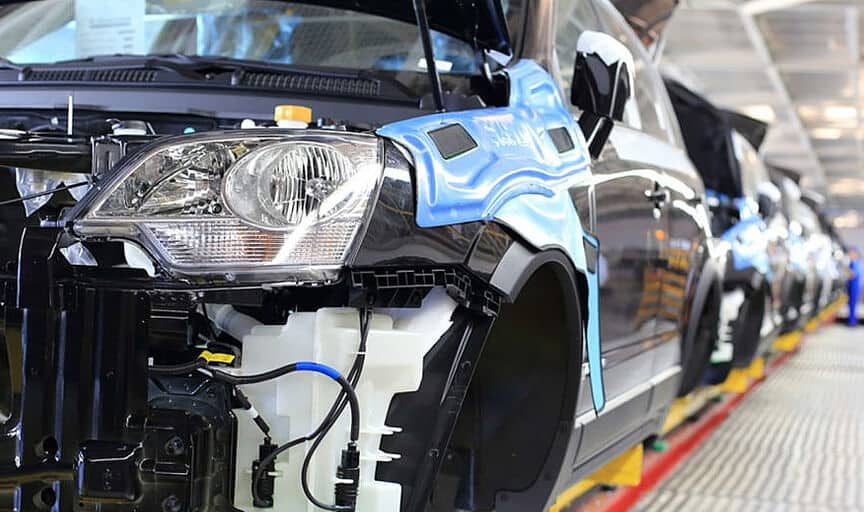
Präzisionsmontage

Verpackung und Transport
Unser Bestellvorgang
RFQ senden
Senden Sie eine Anfrage mit 2D/3D-Zeichnungen und detaillierten Anforderungen per E-Mail oder Online-Formular.
Rezension & Zitat
Unser Ingenieurteam wird jede Zeichnung sorgfältig prüfen und innerhalb von 6 Stunden ein genaues Angebot erstellen.
Bestellung bestätigen
Bestätigen Sie den Kostenvoranschlag, die Einzelheiten und den Lieferplan und unterzeichnen Sie dann den Vertrag.
Produktion
Produktionsprozess organisieren, Programmierung und Bearbeitung starten.
Qualitätskontrolle
Strenge Qualitätskontrolle während der Produktion und der Endkontrolle.
Verpackung und Versand
Verpacken Sie die Teile, bringen Sie Etiketten zur Identifizierung der Teile an, und beginnen Sie mit dem Versand.
RFQ 222 senden
Rezension & Zitat
Bestellung bestätigen
Produktion
QC
Lieferung
Prototyping-Service für die Automobilindustrie FAQs zum Kauf
Genaues Angebot einholen Für Ihre nächsten Projekte
Ganz gleich, ob Ihr Projekt kompliziert oder einfach ist, ob es sich um Metall oder Kunststoff handelt, Sie erhalten innerhalb von 6 Stunden ein genaues Angebot.
Heute ein Angebot einholenWissen von Automotive Prototyping
Was ist Automotive Prototyping?
Beim Prototyping in der Automobilindustrie wird das erste Muster (Prototyp) eines Fahrzeugs, eines Teils, einer Komponente oder eines Werkzeugs hergestellt. Der Prototypenbau ist einer der wichtigsten Schritte zwischen der ersten Skizze oder dem Entwurf und dem Endprodukt.
Mit Hilfe des Prototyping können die Hersteller die Funktionalität eines Bauteils, die richtigen Materialien, die Struktur, die Fehlersuche und vor allem die Sicherheit testen.
Wenn Sie mehr über das Prototyping in der Automobilindustrie erfahren möchten, lesen Sie bitte der ultimative Leitfaden für das Prototyping in der Automobilindustrie hier.
Vorteile von Automotive Prototyping
Reduziertes Risiko: Automobilprototypen verringern das Risiko der Massenproduktion, indem sie Design- und Funktionsfehler so früh wie möglich erkennen.
Kosteneinsparungen: Die Lösung von Problemen in der Prototyping-Phase gewährleistet einen kosteneffizienten Herstellungsprozess.
Verbessern Sie die Qualität: Durch iteratives Testen und Verfeinern stellt das Prototyping sicher, dass das Endprodukt ästhetisch ansprechend und funktional ist.
Verbesserte Kommunikation: Das Prototyping fördert ein besseres Verständnis und eine bessere Koordination zwischen den Teammitgliedern und den Beteiligten.
Anwendungen von Automotive Prototyping
Beleuchtungssysteme: Optisches Prototyping wird eingesetzt, um die Form, optische Klarheit, Wärmeableitung und Witterungsbeständigkeit von Scheinwerfern, Rückleuchten, Nebelscheinwerfern und Lampengehäusen zu testen und zu bewerten.
Innere Systeme: Anhand von Prototypen wurden die Anordnung der Tasten, die Taktilität, die Platzierung des Displays und die Sichtbarkeit bewertet, um einen einfachen und sicheren Zugang für den Fahrer zu gewährleisten.
Körpersysteme: Prototypen von Karosserieteilen werden verwendet, um die aerodynamische Leistung, die strukturelle Festigkeit und das optische Erscheinungsbild von Fahrzeugen zu testen.
Stromnetz: Bei Motorprototypen werden die Passgenauigkeit der verschiedenen Komponenten, die Effizienz des Kühlsystems sowie die Vibrations- und Geräuschentwicklung getestet.