
Why The Next Generation Doesn’t Want to Run a Machine Shop
While the manufacturing labour shortage continues to persist, many young people don't want to run a machine shop.
From my conversation with a lot of them, many complained about stringent quality requirements, long hours of work and deadlines, finance restriction, and much more.
But beyond all of that, many young people do not see the manufacturing industry as the future. They want to work in systems with modern automation, AI, digital tools, and software. They want to solve innovative and advanced problems.
Many want a structured working environment with opportunities for career advancement. They desire a clear workflow and processes, a healthy workplace culture, and communication, which many manufacturing shops today lack.
In this blog, we'll find out why the next generation doesn’t want to run a machine shop.
A Different View of Career Value
To the old generation, success in business means having a stable workflow that generates consistent revenue. To the new ones, career value has changed. They want jobs that offer flexibility, quick career advancement, and are digitally-oriented.
Younger workers prioritizing flexibility
In today’s world,the younger generation values work that comes with flexibility. They want to work at least a few times a week remotely.
They do not want to be limited by distance or location. Running a machine shop involves working with 5-axis CNC machines, coolant, and fixtures, and a 3D printer that must be physically operated.
Preference for digital-first jobs
Many young workers have a preference for digital jobs rather than dealing with tools, materials, or machines. They feel these jobs are scalable, data-oriented, professional, and modern.
What most don’t understand is that modern обработка has many digital systems, from CAM software to automated inspections and machining, where they can leverage their talents.
Desire for faster career progression
To the young ones, quick career progression is a big deal. They have clear expectations for job advancement.
With a digital-oriented career, moving up to senior roles could take a few years, whereas to be an expert or top-level machinist, many years of experience must be gathered. To them, the time factor matters as much as experience does.
Outdated Perceptions of Manufacturing

Young people still perceive the industry as an old economy that lacks modern automation and innovation.
However, this is in contrast with the saying “Manufacturing is no longer about dirty, dark, and dangerous. It’s about being clean, bright, and high tech” – Elon Musk
Belief that machining is “old economy.”
I’ve seen many young people describe the machining industry as an old economy sector. They view it as a declining industry with little to no future prospects.
What many fail to understand is the importance of advanced techniques like CNC machining to the production of life-saving surgical instruments, satellite structures, robotics actuators, etc.
Misunderstanding of modern automation
Many still do not understand that most modern shops operate with automation. They assume many shops still work manually.
If most young individuals understand how many shops have automated programming, data systems, in-process inspection, and much more, then their perspective wouldn’t remain the same.
Lack of awareness of high-tech industries served
Beyond that, they lack an in-depth knowledge of the high-tech industries served. Many do not understand that it’s not all about making bolts or working with metals.
Innovative components of surgical robots, electric vehicles, and drones, medical implants, and surgical tools are produced through our industry. Inability to connect these dots shows where the main concern is.
The Harsh Realities They Do See
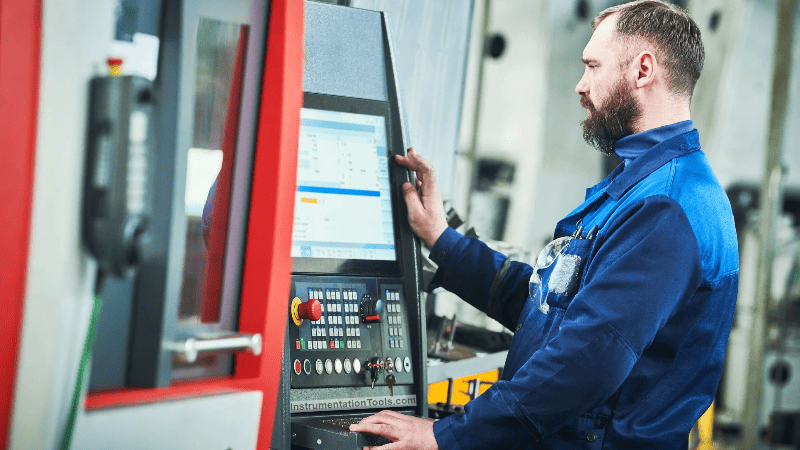
The harsh realities involved in running a machining job, from long hours of work, urgent deadlines, strict quality requirements, financial risks, etc., are inhibiting factors for most young people.
Long hours and urgent deadlines
From my years of experience, I can tell you that the manufacturing industry requires consistent attention. From emergency orders to strict deadlines and rework, the pressure is always there.
Sometimes manufacturers are required to remain active on weekends, holidays, or late hours to adjust a tolerance issue, go through inspection reports, and so on. This keeps the next generation thinking if it’s a lifestyle they actually want to imbibe.
High stress around quality and delivery
Moreso, the industry has detailed requirements when it comes to quality. A little mistake in a titanium part affects cost, delivery, and reputation.
Inspection and documentation must be done thoroughly to meet industry standards. And even at that, customers expect quick delivery. This puts a lot of stress on most manufacturing companies, which a lot of younger people see.
Owners carrying heavy financial and operational risk
A machining shop comes with a lot of investment. From purchasing a 5-осевой станок с ЧПУ, 3D printer, to adding tooling, software, payroll, etc., there is a lot.
On days when orders are low, companies begin to feel the financial pressure. All of these keep the next generation thinking whether the industry rewards actually balance with the risk involved.
The Skills Gap Between Generations
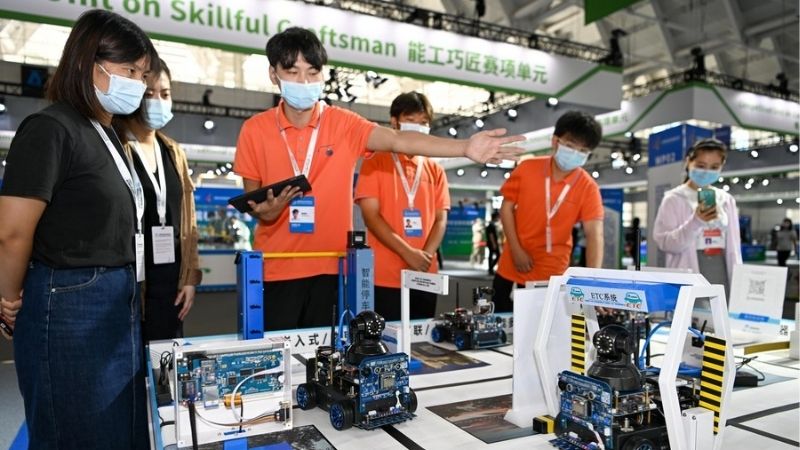
Many institutions today have failed to inculcate practical hands-on experience into their systems. Students understand software and designs but can rarely work with machines, tools, and materials.
Young engineers strong in software, weak in physical processes
Young engineers understand how to work with software. They can utilize CAD tools and other digital modelling tools effectively.
But when it comes to actual physical machines and tools, materials, fixtures and coolant, they lack hands-on experience. However, the manufacturing industry requires both expertise.
Mechanical fundamentals not emphasized enough
In many engineering programs, the focus has been shifted to theories and computational processes. Students are rarely exposed to CNC machines, lathes and mills, cutting speeds and feeds, and so on. This makes one unprepared for the actual manufacturing world.
Less exposure to real machining during education
Many institutions lack the actual machines and tools that expose students to the industry. And even when students go on tour, they prefer to visit the high-tech companies rather than a machining shop.
With less exposure comes less interest. When they don’t see how a modern automated shop runs, it’s difficult to build interest.
Cultural Misalignment Inside Many Shops
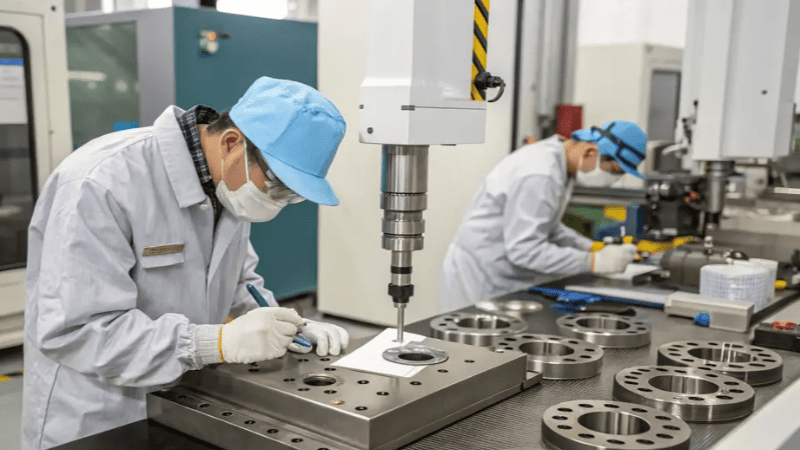
Beyond the skill gap, communication also matters to the young ones. They prefer a structured environment with documented processes and collaborative, formal communication styles.
Senior staff relying on tribal knowledge
Many experienced machinists have deep knowledge of processes they have gathered through many years. However, this knowledge isn’t documented; they live in their memories.
The younger generation wants documented data that can be easily accessible. They want formal, clear procedures they can easily learn from. And as W. Edwards Deming noted, “Without data, you’re just another person with an opinion”.
Younger staff want structure and clarity
Young generations want a clear structure. They demand the company’s expectations and KPIs.
They want to understand what good performance means to a company, why a process is carried out the way it is, the career advancement available to them, and so on. Rather than just follow instructions, they ask questions and demand clarity.
Different communication styles causing tension
A collaborative, transparent, and feedback-oriented environment is a big deal to the next generation. They most of the time do not want the authoritative, direct, and hierarchical communication flow.
They want to feel involved, bring ideas, and receive formal feedback that helps improve. Without a balance at both ends, attracting younger professionals might be difficult.
Financial Barriers to Ownership

Finances are a crucial issue when setting up a machining shop. Equipment costs are rising, finances are difficult to access, and profit margins are low.
Equipment cost rising every year
Acquiring advanced CNC tools, software, fixtures, etc., is quite expensive. Beyond that, inspection systems, licenses, and automations add up to more cost.
Setting up a proper machine shop today is more costly than it used to be in earlier years. And for a younger one just starting out, this is a major barrier.
Harder to secure financing without a history
Securing financing is even more difficult today. Many financial banks want substantial collateral and a credit history to give loans. Government loans come with a long documentation process and may require collateral.
Private investors, on the other hand, want to work with fast-growth, scalable industries where there are quick returns. All of these make accessing finance almost impossible.
Low-margin work making ownership seem unattractive
The machining industry is competitive, and this leaves most shops with low margins. More jobs every day with low revenue as customers bring prices down. This makes young people weigh the reward volume compared to the financial risk and stress.
What I’ve Seen Working With Young Engineers and Operators

Despite all issues, I’ve seen many young engineers and operators excel within the right environment. Modern tools, clear structures, chances to make an impact, and take ownership help them work effectively and grow.
They excel when given ownership and modern tools
The young generation excels when given ownership. They like to take responsibility for tasks or projects. Allow them to take initiative by leading a project, setting up an automated system, or programming a part.
Give them guidance and not strict instruction, and see them perform well. And when you bring in modern tools, they do the job even more effectively.
They value clear processes over improvisation
They desire clear processes and structures. They want documented setups, an inspection process, and organized tooling, etc. They desire a stable workflow that generates results.
Rather than improvise when systems go disorganized or battle with constant firefighting, they value smooth, repeatable workflows with fewer issues.
Many want impact, not just a paycheck
While paycheck matters, they really want to make a meaningful impact. They want to actively contribute to the production of life-saving surgical equipment, aerospace assemblies, etc.
So when they understand how important a component is, why it should maintain tight tolerance, and what customers' requirements are, their interest grows.
At DEK, younger engineers thrive with exposure to robotics, MedTech, and aerospace work.
From experience working with many young engineers at DEK, I can say they thrive well when you expose them to robotics, MedTech, аэрокосмическая промышленность, and other advanced industries' jobs.
They are excited to contribute to innovative and challenging sectors, and as such, they learn and grow faster. From a titanium aerospace bracket to a robotic actuator housing, they are eager to build advanced components.
What Shops Must Change to Attract the Next Generation

To attract the young generation, shops must be intentional. They must set up a modern workflow, offer career mentorship, appreciate AI, digital tools, and automation, and so on.
Modernize workflows and eliminate unnecessary chaos
Next generation values a modernized workflow where systems and expectations are clear. They want a structured environment where there are documented machining, tooling, and inspection processes.
Constant chaos and firefighting limit their efficiency and growth, and many do not want to go into such an environment.
Offer clear development paths and mentorship
Many want a clear career path with consistent development. To attract them, shops must learn to invest in mentorship and development programs.
Helps them understand their skill level and role expectations and trains them to move up the ladder. When younger ones feel the company values their career growth, they are eager to work with you.
Reduce owner-centered decision-making
Shops that rely overly on owners to make every decision find it hard to grow their teams and brand. And when team growth is restricted, efficiency becomes limited.
From quoting, inspection, delivery, and customer relations, young ones want to participate. They want to be active in a part of a system that works.
Embrace digital tools, automation, and AI
As mentioned earlier, young people value innovation and technology. Shops that find it difficult to appreciate and use digital tools, AI, and automation might not be able to attract young talent.
My Perspective
From experience, I believe there are many factors hindering young people from running a machine shop.
From finances, outdated perception of the industry, desire for flexible work patterns, strict quality and delivery requirements, there are so many reasons.
However, despite this, many young people still want to run a machine shop; they don’t just want to run it the way earlier generations did.
They want an automated, modern, and digitally oriented manufacturing shop. They want to be part of the advanced world where their work solves innovative problems.
Rather than being restricted to a job role for years, they desire a path with career advancement, clear structure and culture, and effective communication.
When shops begin to inculcate these metrics into their system, then many young people will not only join the industry but will reshape it.
