
After many years of relating with many manufacturing owners across the globe, one thing has become clear to me. They worry about the same issues. Both human and operational problems put their business at stake.
From customers' ever-increasing demands, labour shortages, supply chain risks, to high operational costs, capacity instability, they worry about so many things.
And while these are real problems affecting many shops, a few successful factories are re-strategizing ways to overcome them.
They build disciplined processes and structures that ensure smooth workflow and stability, prepare backup capacities, and embrace partnership.
They believe collaborating with an external team is a strength and not a weakness. And this has helped them generate revenue consistently.
In this blog, we will walk you through this major concern, what keeps manufacturing partners awake at night.
Unpredictable Demand and Volatile Workloads
Over the years, conversing with many manufacturing owners, I've seen many complain about the unpredictable demand structure and volatile workloads that makes long term planning almost impossible.
Month-to-month order swings
Month-to-month order patterns change. This month, every machine and employee is kept busy. The following, they are idle.
These waves make workflow predictions and long-term planning difficult. Balancing capacity with demands becomes almost impossible.
Difficulty balancing capacity and cash flow

Many manufacturing leaders are constantly complaining about the difficulty of balancing capacity and cash flow.
When demand increases, owners invest in capacity building by increasing the number of teams, adding new tools, and so on.
With this, they spend more. The next moment, demand goes down, and machines are idle. However, payroll, rent, and other bills continue to be paid.
Customers expecting shorter and shorter lead times
Customers expect shorter lead times even when the part requires enge Toleranzen. And most don’t commit on time. This leaves many manufacturers deliberating whether or not to increase capacity to meet these fast deadlines.
The Constant Fear of Quality Failures
The need to keep on maintaining quality is a major concern for owners. From safeguarding customers' trust to avoiding hidden variation and staying compliant, quality must be consistent. And as Henry Ford said, “Quality is remembered long after price if forgotten.”
One mistake damaging years of trust
Today, many customers value consistency so much that any single mistake could break several years of trust. A missed tolerance or misunderstood revision or a single imperfect unit out of 1000 could damage years of trust.
Hidden variation causing late-stage surprises
Hidden variations that don’t show up early are the most terrifying to most owners. Material inconsistency, small tool or fixture wear that appears fine until final inspection, delivery, or assembly, are costly issues that keep most owners concerned.
Documentation and compliance pressure increasing every year
Many industries, from aerospace, medical, automotive etc require more documentation than ever before. AS 9100 and ISO regulations keep accumulating every year. So it’s not only about good parts, but evidence of compliance must be indicated.
Talent Shortages Across Every Technical Role
Machinists are getting older and retiring, finding expert programmers and QC is difficult, and training new staff takes longer time and investment. This talent shortage is a major issue for most manufacturers.
Senior machinists aging out
Many shops only have a few experienced machinists who are aging faster. These experts have stayed in business to understand what really works. When they leave, their knowledge leaves with them.
Hard to find reliable programmers and QC staff
Finding an expert programmer and quality control staff who deeply understand their job is difficult. Any little mistake from a programmer can slow the rate of workflow.
QC inadequacies can damage customers' trust and the company’s reputation. And as Taiichi Ohno noted, “Machines don’t run factories, People do.”
Training new hires takes months, not weeks
And even when the owner decides to take on new staff, training them takes months. They get to learn about machines, materials, customers, and overall workflow.
At this time, energy is centred on training and supervision rather than real productivity that brings more income.
Over-Reliance on a Few Key Customers
I’ve seen many shops rely heavily on a few major customers. These customers shape how they make decisions and expect special treatment because they generate a high revenue for the factory.
Losing one major account causing financial instability
Many factories are in existence today because of their one or two customers, who generate 60% of their revenue. When such a customer delays or stops ordering, the income noticeably goes down, and the business suffers.
Customer concentration limiting strategic decisions
Because these customers also generate a large percentage of the factory's revenue, they begin to influence decisions.
When they request new machine investments, more certifications, or teams, etc., many owners follow even when the decisions contradict their long-term goals.
Pressure to over-service certain accounts
Such customers also expect special treatment. They want faster turnaround on emergency jobs and a fair pricing system lower than the company’s standards.
Many owners cannot say no to this because their business overly depends on these accounts. In the long run, many factories begin to suffer from this pressure.
Rising Operational Costs

From the cost of investing in the tool, to inspection and labour, all keep increasing. Machines also take a longer ROI cycle while cash flow remains imbalanced. All of these affect operational costs.
Tooling, inspection, software, and labour all climbing
From the Kosten of acquiring new tools and repair to inspection, software subscription, every cost keeps rising.
Labour is now more expensive as there are only a few experts available. Even at that revenue generation percentage barely increases to meet these costs.
Machine investments needing longer ROI cycles
Investing in an advanced 5-Achsen-CNC-Maschine comes with a lot of cost. However, generating profit from it depends on stable demand and consistent utilization.
With the fluctuating order waves, ROI takes a longer time. This keeps many owners wondering if investment in sophisticated machines is really worth it.
Cash flow squeezed between suppliers and customers
Many suppliers want faster payment, whereas customers take longer to fulfill payment. This keeps owners squeezed in the middle as they keep financing the gap. This timing pressure ultimately affects cash flow.
Leadership Fatigue and Decision Overload

From my conversation with many owners, I’ve come to understand that many leaders don’t just manage systems. Many are accountable for quality and delivery decisions while also constantly dealing with firefighting.
Owners carrying the weight of quality, delivery, and finance
In many factories, owners aren’t only concerned about structure; every aspect of the business falls back on them.
From quality to delivery and finance, any single error or mistakes or delay puts owners under pressure. They remain accountable for every decision made, and this strains them.
Constant firefighting replacing strategic planning
Many shop owners really want to focus on building systems and long-term growth. But constant firefighting takes all their time and effort.
Failed or delayed deliveries, tool or quality issue seeks attention every day, leaving no room for strategic thinking.
Feeling responsible for employees’ families and livelihoods
Manufacturing owners don’t just manage the business; they manage people. They understand that their teams have families whose livelihood depends on the factory. And as such, they worry about keeping the business stable and thriving.
Complexity Increasing Faster Than Processes Mature
Even when the industry continues to experience many complexities in terms of tolerances, documentation, etc., many shops still lack a structure and standardized process to meet this.
More materials, more tolerances, more documentation
More than ever before, customers’ expectations are on the rise. High-performance materials are required, coupled with tighter tolerances and complex documentation. With these requirements, processes must be clear and balanced to eliminate risks.
Multi-step workflows without system support
Many shops still rely on manual workflow to manage complex systems. Spreadsheet, emails, and paper folders are still being used even when order volume increases.
Without an automated system, information is lost, processes become unclear, and little errors escalate fast.
Variation compounding as companies grow beyond 20–50 people
For a small team, informal communication and systems work. When the team grows to 20 or above, this no longer works.
Variation begins to set in as there are prone to be errors from misinformation and lack of structure. Even when everyone works harder, the lack of standardized processes continues to breed variations.
Supply Chain Risk and Capacity Instability
Many average shops today still suffer from poor performance and delays from suppliers, and a lack of reliable partners to back up capacity.
Irregular supplier performance causing downstream chaos
Delays from suppliers, an increase in price, or inconsistent quality cause a downstream chaos in many factories. Meeting deadlines becomes difficult, and schedules begin to shift. This keeps most owners worrying as customer lead times aren’t met.
Difficulty getting reliable support for urgent jobs
When a machine suddenly breaks down or an urgent job comes, shops need reliable partners to fill this gap.
And this is what most shops lack. As such, deadlines are either missed, teams are overburdened, or projects are rushed, leading to more errors and risks.
Need for backup capacity during spikes or breakdowns
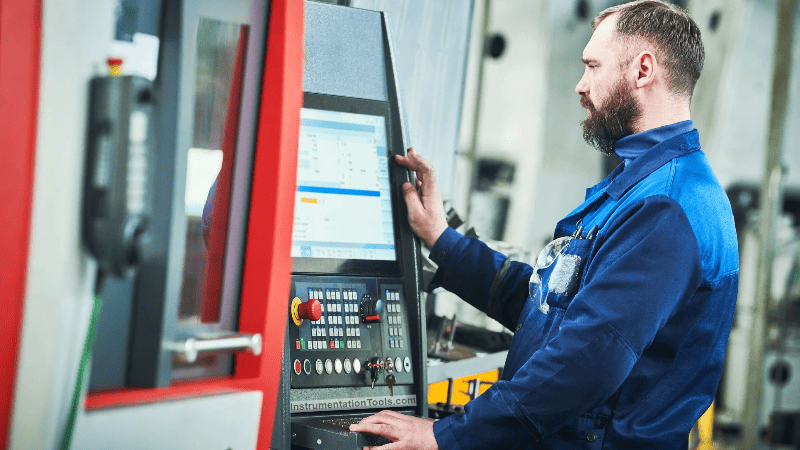
Demand spikes and machine breakdowns cannot be avoided. Making preparations for them becomes important. Shops that have built back up capacity by partnering with reliable external partners maintain performance even when the unexpected happens.
What I’ve Seen Across Factories Worldwide
After visiting many shops worldwide, I can say successful shops are those that maintain process discipline, ensure stability, and embrace partnership rather than work overload, etc.
Problems repeat when nobody owns the root cause
Many shops are faced with many problems because they fail to address the root cause. From quality to delivery, nobody wants to take ownership of a mistake or error.
And as such, preventing problems is almost impossible, leaving leaders worrying all night.
Process discipline separates stable shops from stressed ones
One difference is clear between stable shops and stressed ones. And that is process discipline. With a clear, documented approach, the workflow becomes smooth.
Everyone works based on set structures. This brings about consistency and eliminates variation and firefighting.
The best shops design stability; the rest react to chaos
Thriving shops intentionally ensure stability. They have backup capacity, make accurate plans, and prevent errors that lead to firefighting.
Reactive shops hardly strive for stability. They keep on stretching their capacity even when it’s clear that the teams are burned out. From one chaos to the other till the system completely fails.
Many partners use DEK to prevent overload, not just to save cost
However, many successful shops are consistently preventing overload by partnering with DEK. They accept more projects, outsource, and make more profit.
This keeps them consistent in terms of quality and delivery. No rush, no errors or burnout. But revenue keeps increasing.
My Perspective
Ever-increasing customers’ expectations, fluctuations in demand and capacity overload, constant fear of quality failures, and talent shortages are major concerns that keep manufacturing owners awake at night.
Beyond that, operational costs and demand complexity keep increasing while suppliers can’t meet deadlines. While these problems continue to evolve, many successful owners are taking active steps.
And this isn’t about hard work alone; it’s about strategies. They design a system to absorb uncertainties and build stability, set a clear and disciplined structure, and create backup plans and capacity.
They collaborate with reliable external partners. And with that, they build a smooth workflow that consistently generates income. And this is what differentiates them from most average shops.
