
What is an In-Process Inspection: Procedure, Stages, and Types
It is ideally better when continuous monitoring occurs during manufacturing to maintain quality than to rely on final checks. This is why many production setups use in-process inspection to verify that workflows are moving within parameters.
When inspections are done during an ongoing production, potential issues can be intercepted earlier. This is a helpful approach to maintain stability in processes, reduce costly rework, and guarantee reliable output throughout the entire process.
What is In-Process Inspection?
In-process inspection refers to the process of checking components while they are being made instead of waiting for the entire operation to finish. During different points in the process, checks take place to confirm that requirements and production guidelines are met in each step. With the help of reviewing parts earlier, operators will notice any discrepancies, even minor ones, before they turn into a full-blown defect that is more challenging to fix. Adjustments can be made immediately once errors are pointed out, so the next parts continue with a smoother flow.
What are the Benefits of In-Process Inspection?

Enhanced Quality Control
Part monitoring during production eventually reveals quality issues that may not even be noticed. Intercepting while the production is ongoing aids in lower defect rates in the final result. Through this, the output remains reliable and consistent, one batch after another.
Kosteneffizienz
Pulling out defective parts when production is concluded can be time-consuming and expensive in terms of labor and wasted materials. Early detection helps in resolving issues in real time to prevent further mistakes moving forward. These small fixings translate to savings.
Reduced Production Delays
When a defect was discovered later in the workflow, it can alter the entire production, and it will impact an entire batch. By checking during the process, issues are filtered and handled accordingly before they cause major interruptions. This reduces downtime and delivery delays.
Improved Compliance
Some industries need documentation to prove that quality standards are observed during production. And the documented checkpoints of in-process inspections will prove that the process is compliant. This simplifies the audits when further checking if requirements are met.
Chances for Continuous Improvement
The observations that are documented during inspections are a good way to reveal error patterns in the process. Through these, experts can analyze them to identify the areas where adjustments should be made. Workflow refinements help strengthen accuracy and consistency.
When Should In-Process Inspection Occur?
It occurs during the critical stages of production, where errors are sometimes inevitable. They often occur during the stages that involve materials that are harder to work on, when an error was neglected, during hochpräzise tasks, and complex operations.
These inspections can also be plotted with intervals, especially for productions with longer times. Whichever part of the workflow, it gives a clear viewpoint to fix errors immediately to prevent more serious pull-out worthy defects in the later stages.
Types of In-Process Inspections Conducted
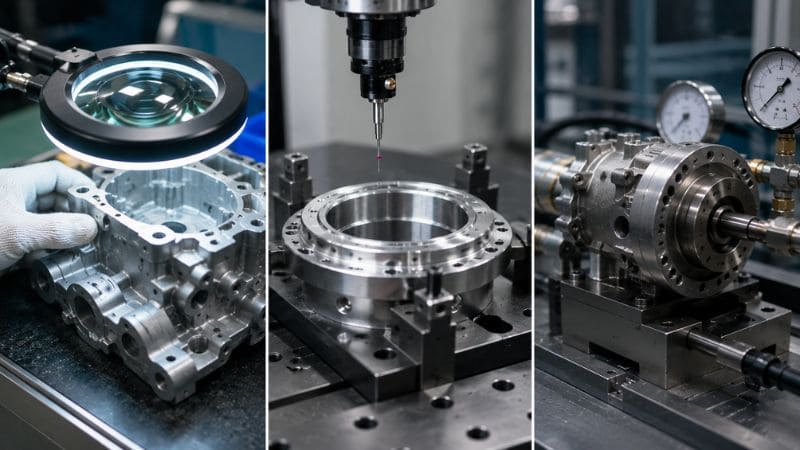
Visual Inspection Techniques
From simple observations, operators can spot uneven surfaces, cracks, scratches, or other visible problems. Cameras, magnification, and lighting assist them in reviewing when details are small. Since the focus of this inspection is on those that can be seen, problems can be detected ahead of time before proceeding.
Dimensional Inspection Techniques
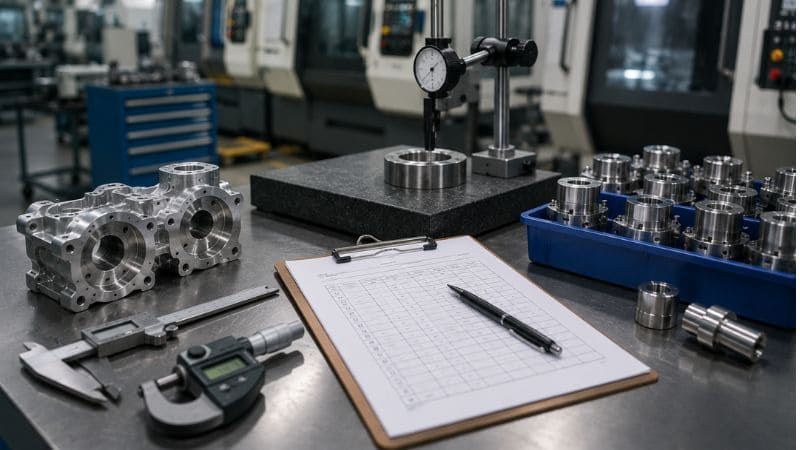
Sizes can be verified and maintained to remain within the limits using tools such as measuring devices, gauges, and calipers. Any discrepancies can be corrected before moving to production because parts must match measurements to function.
Functional Inspection
To confirm if components work as intended, some need to be tested. This verifies if the part functions during operation, instead of focusing only on size and appearance. Quick and simple tests like this confirm how the product behaves before going further in the operation.
Common In-Process Inspection Challenges
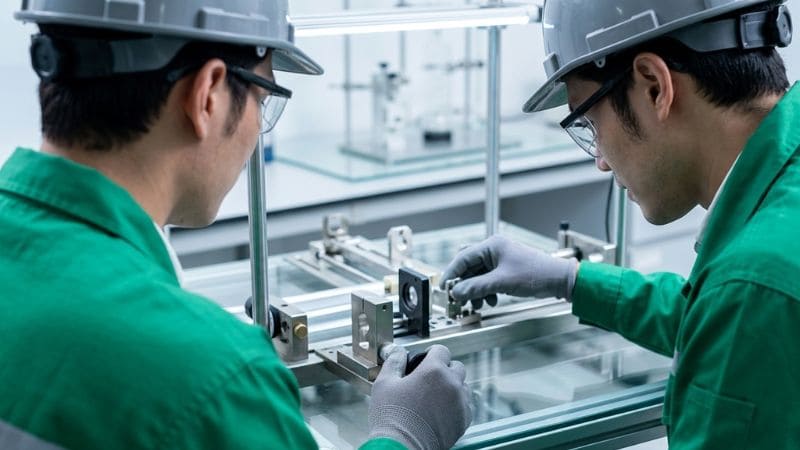
Integration with Production
Inspections needed to be seamlessly integrated with the workflow. Too many checks that interrupt the operation more than they should will only cause the turnaround time to drop and affect productivity. Seeking a balance between continuity and inspection can be challenging.
Resource Allocation
These inspections cannot be done without equipment, labor, and time. It can be an issue when resources are limited, so we must plan where inspections should be prioritized. Without proper planning, critical stages may be left unchecked.
Maintaining Inspection Equipment
Devices that are worn and poorly handled may end up with inaccurate readings. Giving them maintenance checks is necessary to keep them reliable and extend service life.
Adaptation to New Standards
To adapt to changing technology, inspections are required to make adjustments based on the current standards. We keep our teams updated so they can easily adapt to occasional training and the effort they need to exert to learn.
Common Mistakes in In-Process Inspections and How to Avoid Them
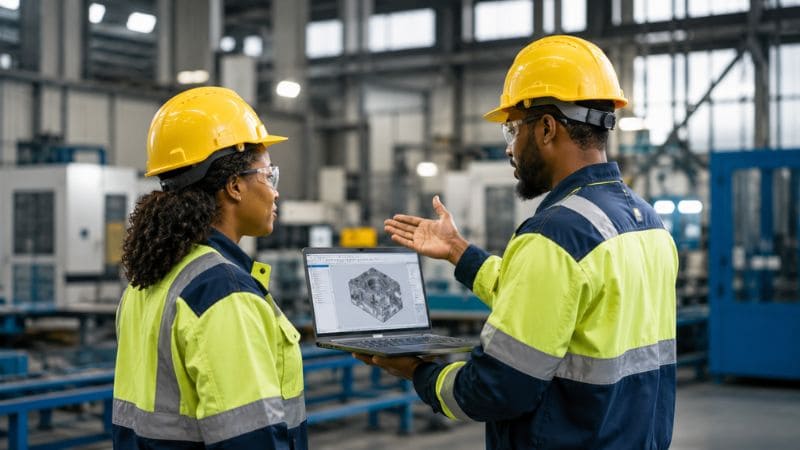
Missed Points
When teams rush production, inspection steps are often overlooked, and those missed points provide an opportunity for small defects to go on to the later stages of the process. A detailed and clear inspection workflow guarantees that there will be no missed inspection points.
Communication Issues
In process inspection reports are not often communicated clearly between teams and quality staff. When information is misunderstood, mistakes can continue or even double during production. Clear communication is essential to keep everyone on the same page and respond quickly.
Inaccurate Tools
Unreliable results cannot be avoided if measuring tools are not properly calibrated, worn, or damaged. Inaccurate readings lead to more serious issues due to wrong decisions. Tools must undergo regular maintenance to maintain reliability.
Poor Practices
Confused operators may mistakenly follow different methods when they are not properly oriented, and the process is not clearly stated. The inconsistencies caused will result in more confusion and uneven results. Inspection guidelines should be standardized to promote consistency across all stages.
Tips for Effective In-Process Inspection Process
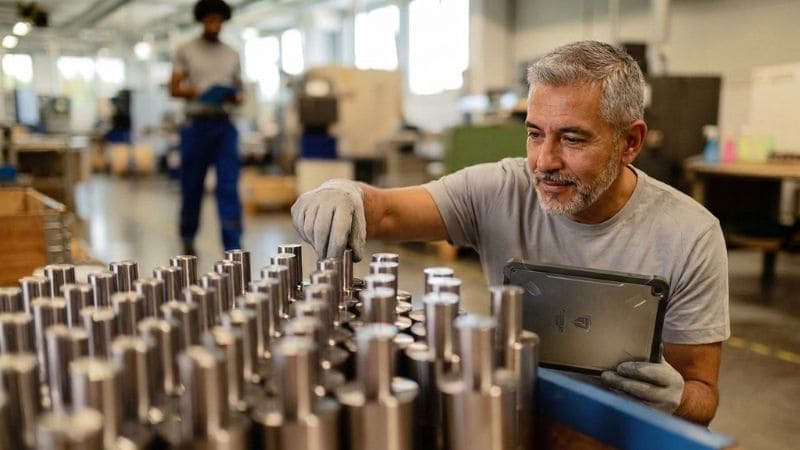
Establishing Clear Quality Standards
By being clear about the exact requirements, we define exact specifications ahead of production so the team knows what the output should look like. The parameters revolve around tolerances, sizes, and surface conditions. Setting proper expectations eliminates assumptions and miscalculations and makes production a smooth process.
Training for In-Process Inspection
We implement proper training for our operators to be skilled at recognizing the first signs of defects and be proactive in taking action to correct errors. Inspection becomes an easy and practical part of the process with the right skills and knowledge.
Using the Right Tools and Equipment
Though some checks can practically be done visually, some require accurate measuring devices such as testing equipment, gauges, and calipers. These tools help us verify if parts meet desired specifications. Also, using accurate tools guarantees dependable results and prevents miscalculated decisions.
How to Plan and Schedule In-Process Inspections Effectively
Identify Critical Control Points
High-risk points should be identified so the inspections are more focused on the stages where they may most likely occur. When these areas are prioritized, issues are prevented from overlapping in the next steps.
Define Inspection Frequency
The careful planning of when quality in process inspection should take place. In some cases, frequent checks are mandatory because of the parts' complexities, while the simple ones need fewer. The bottom line is that it is based on the level of complexity or risk.
Assign Responsible Inspectors
Critical tasks like this should be assigned to trained workers. Clear instructions and defined responsibilities are important so they can perform their tasks competently.
Use Checklists and Inspection Plans
Written guidelines are what inspectors should exactly follow when doing their tasks. A checklist includes actual conditions, measurements, and performance reports. When workers follow a strategic plan, it eliminates missing important points.
Align Inspection Schedule with Production Flow
Proper timing is key to a seamless workflow, even in the presence of inspections, which is why it is necessary to align the schedule to make it fit naturally. Checks that are timed inappropriately may cause major interruptions. Timing and proper coordination should be observed to stay efficient.
The Role of Continuous Improvement in In-Process Inspection
Feedback Mechanisms
Inspection readings are not intended only for written reports. It should be discussed between supervisors and operators as feedback to determine if the problems are recurring and also to assess weaknesses. It is necessary to discuss feedback to improve corrective measures.
Data-Driven Decisions
When results are reviewed, this is where we figure out information that helps our team identify the sources and spots where defects happen. Corrective actions based on actual data collected from results result in dependable improvements.
Kaizen Events
Workshops intended for improvement help us to focus on our problem-solving abilities on specific issues. During these sessions, the root of the defects is located by reviewing the results were series of defects occur. Canes and improvements during these events may present evident positive results.
Pilot Testing
Trial runs can be done ahead of applying adjustments across production. It allows us to assess whether they actually help. And when these trial tests run successfully, that is when it is safe to be integrated into production.
Supplier Monitoring and Its Impact on In-Process Inspection
Supplier monitoring dictates the smooth runs during manufacturing. Components and materials need to be consistent, as the inspection team does not need to spend too much time on solving unexpected defects.
An open and regular communication with suppliers and discussions about quality reviews guarantees that the requirements are met before production starts. It also promotes stable operations, fewer interruptions, and keeps the team focused on performance results rather than resolving supplier-related lapses.
Schlussfolgerung
In-process inspection benefits production teams by maintaining quality while production is still underway. Issues and defects that are identified ahead of time can be corrected in real time to keep the process running smoothly.
DEK provides expert engineering, accurate results, and reliable solutions fit to different production needs. Call us today so we can discuss reliable inspection practices and precision components.
