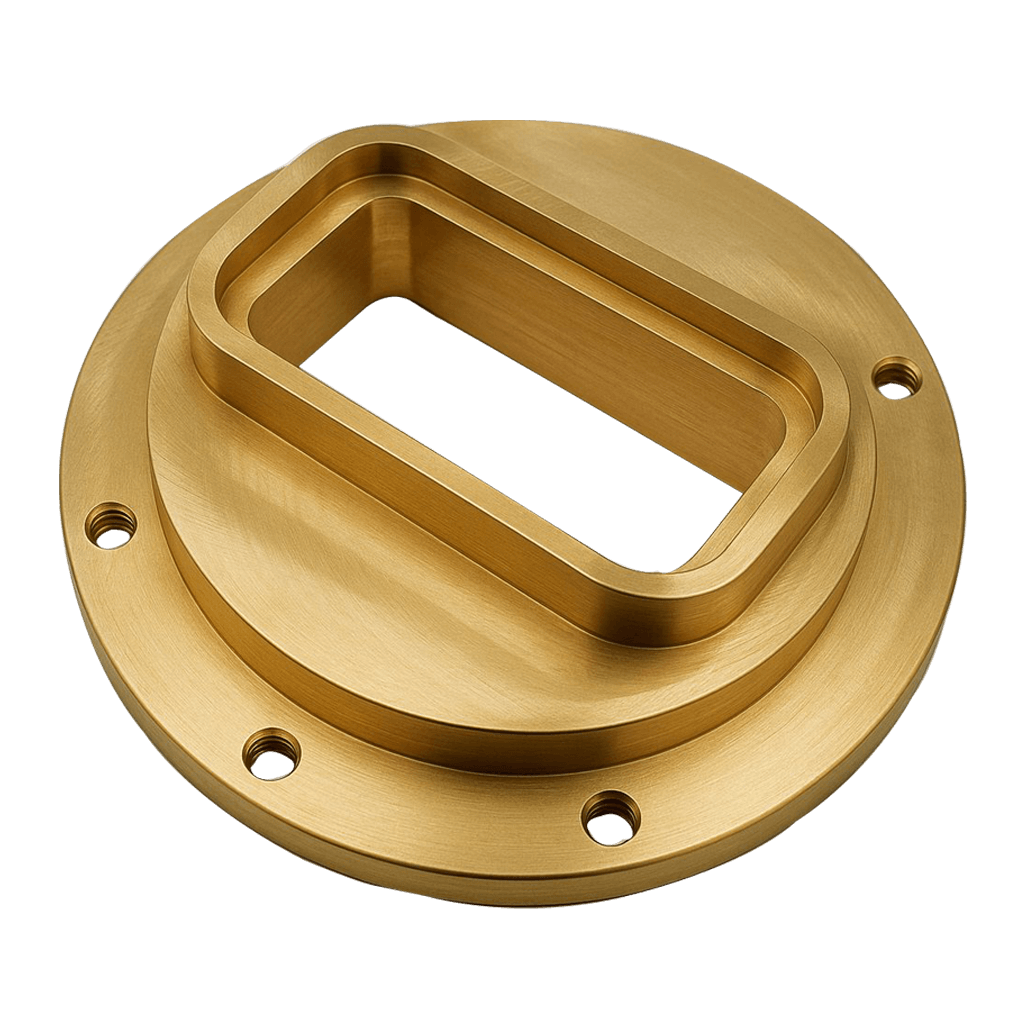
Waveguide flanges require tight flatness control, accurate hole patterns, and burr-free edges to ensure reliable RF sealing. Even minor deviations affect impedance matching and insertion loss.
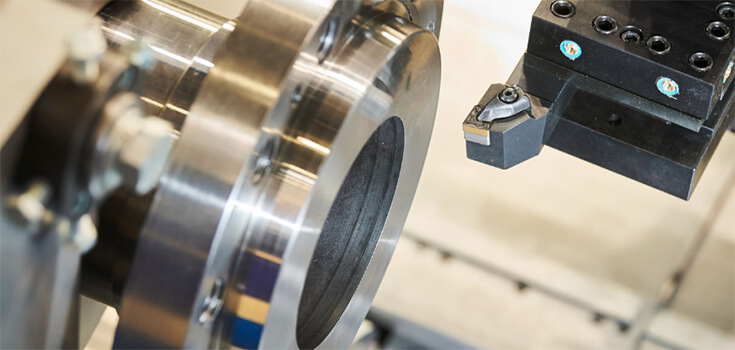
At DEK, we combine 5-axis CNC milling and precision grinding to achieve stable flatness and perpendicularity. Our engineers select appropriate cutting tools and clamping fixtures to minimize distortion in thin-wall sections.
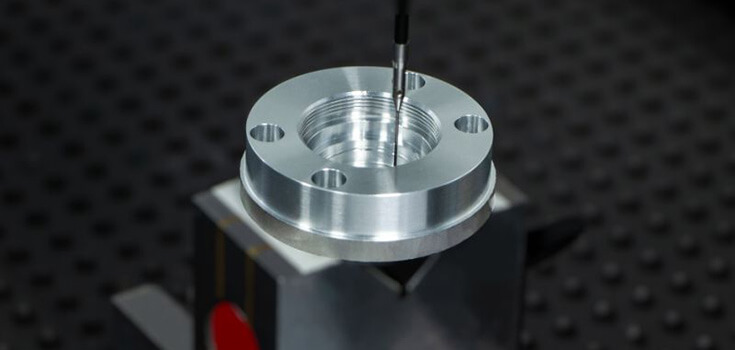
All flange dimensions are verified with CMM and optical projection. Surface roughness and plating thickness are measured to meet aerospace and telecom standards, ensuring repeatable RF performance.
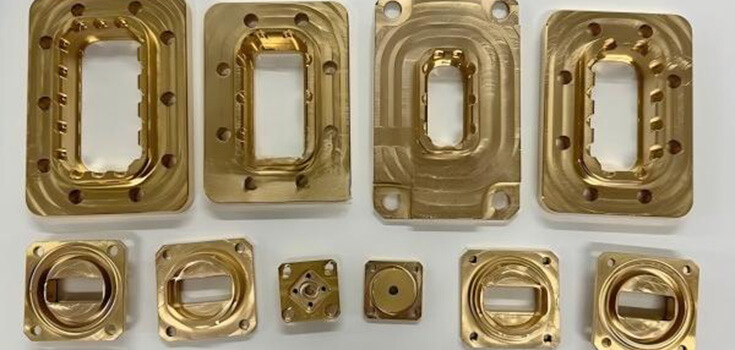
We apply 5-axis milling to machine complex bolt hole layouts and waveguide apertures in a single setup, reducing positional error. Toolpath optimization ensures consistent coaxiality.
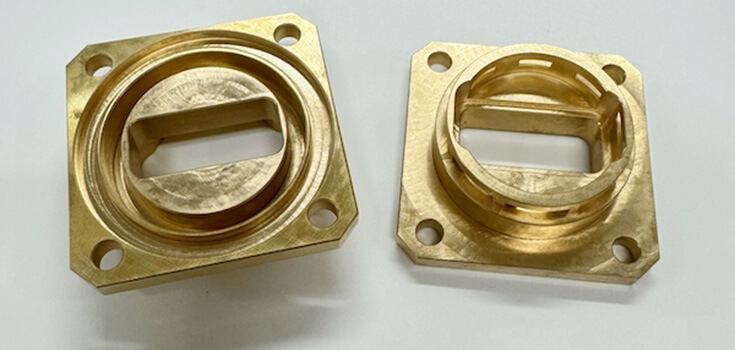
Surface grinding achieves ±0.01 mm flatness and Ra 0.8 µm finish. This prevents RF leakage and ensures reliable gasket sealing. Special jigs maintain part stability during grinding.
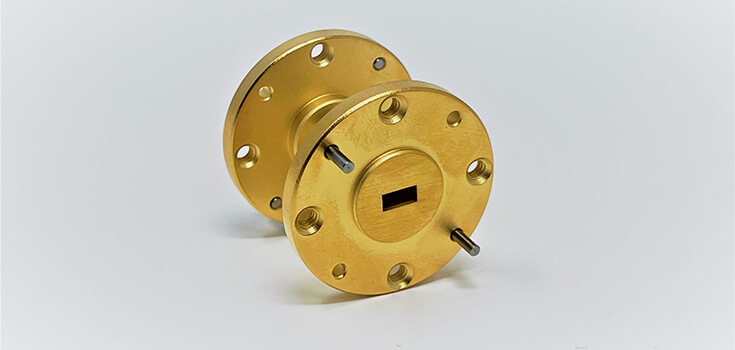
We offer silver and gold plating with controlled thickness verified by X-ray fluorescence. Plating uniformity supports stable RF conductivity and minimizes insertion loss.
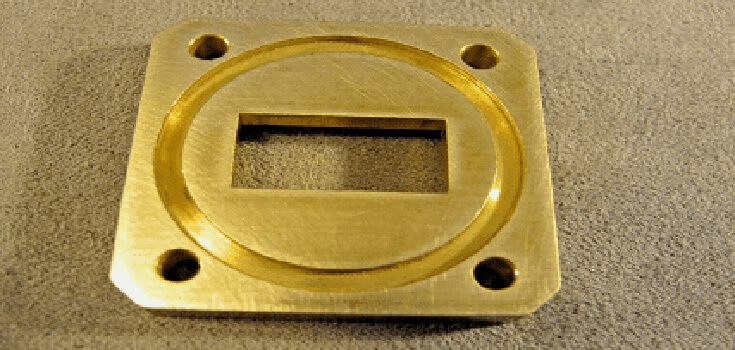
All flanges undergo manual deburring and optical inspection to ensure no sharp edges or burrs remain. This prevents waveguide misalignment during assembly.












Präzision, schnelle Durchlaufzeiten und keine Fehler - Maschinenbauingenieure verlassen sich auf DEK, wenn Fehler keine Option sind.
Send us your drawing—we’ll provide fast DFM feedback and a precise quote, no minimum order.
