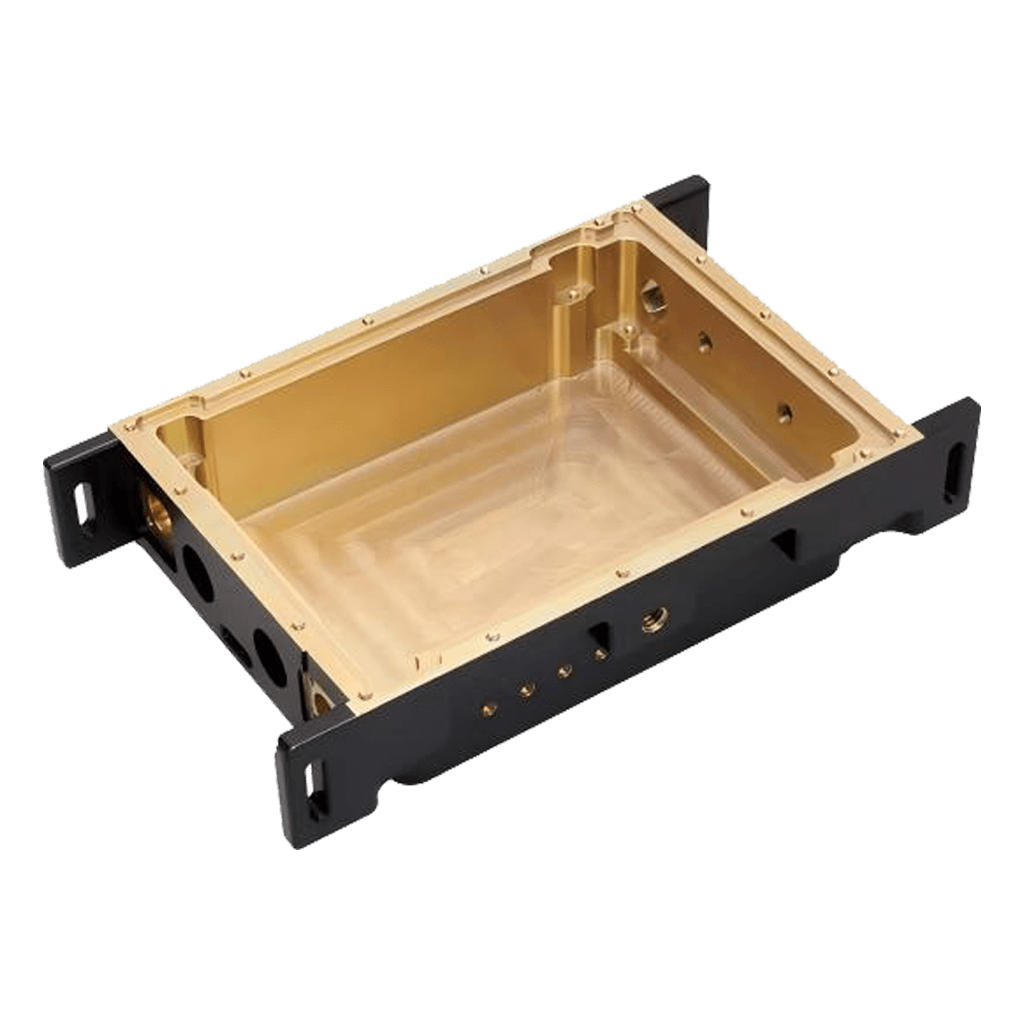
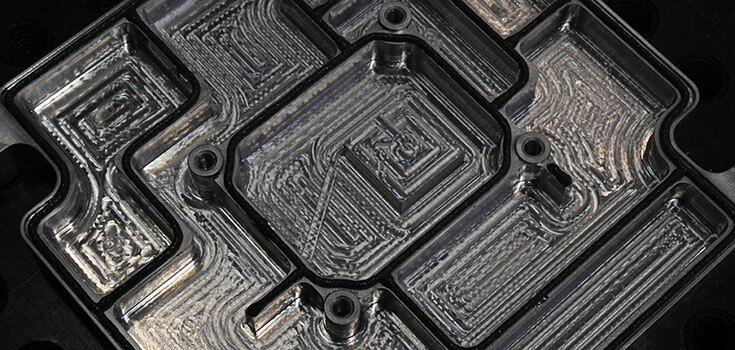
RF housings require strict control of cavity dimensions, flatness, and surface roughness to ensure proper shielding and signal performance. Thin walls, deep cavities, and tight coaxial alignment are common challenges in production.
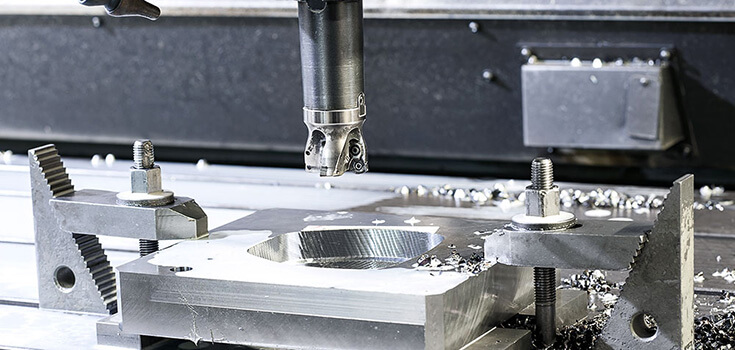
At DEK, we apply 5-axis CNC milling to maintain consistency in cavity geometry and minimize tool deflection on thin-wall sections. Our process integrates roughing and finishing strategies to avoid chatter and distortion.
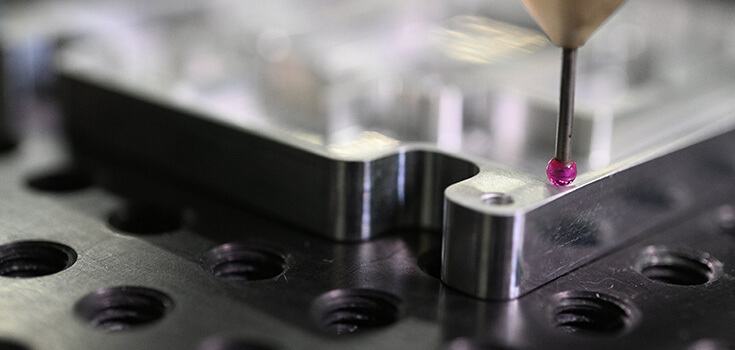
We validate each part with CMM, height gauge, and surface roughness tester, ensuring dimensional accuracy and repeatability. Our engineers also provide process simulation to optimize toolpath and avoid burrs that affect RF sealing.
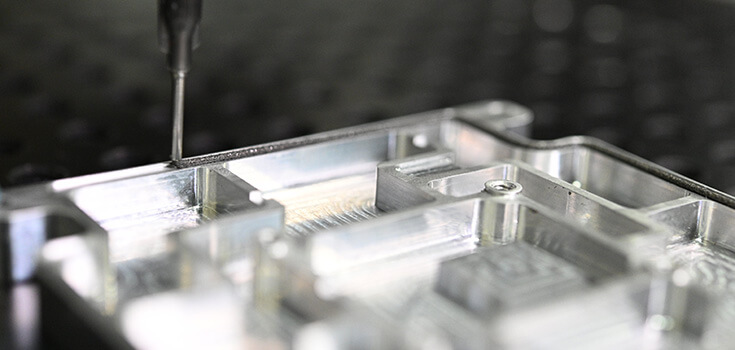
We apply 5-axis milling with optimized toolpaths for deep cavities and complex internal features. Tool deflection is compensated to ensure stable depth and surface uniformity.
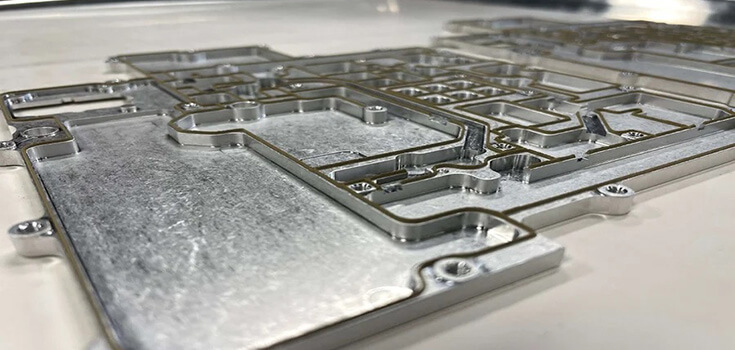
Thin walls in RF housings require controlled cutting parameters and step-down strategies. We use customized fixturing and multi-stage machining to reduce deformation risk.
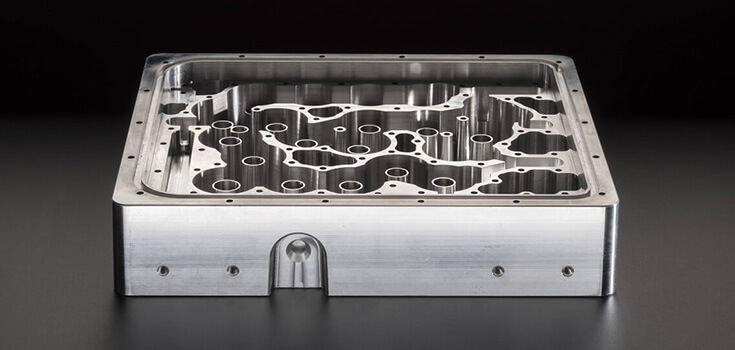
After machining, surfaces are processed to Ra 0.8μm or better. Mirror polishing and anodizing are applied to enhance conductivity and corrosion resistance.
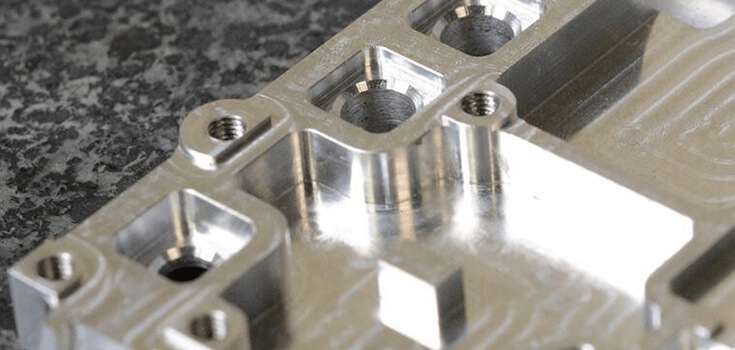
Connector ports and threaded features are machined using precision taps and gauges. Thread quality is verified with go/no-go gauges to ensure proper RF connection.
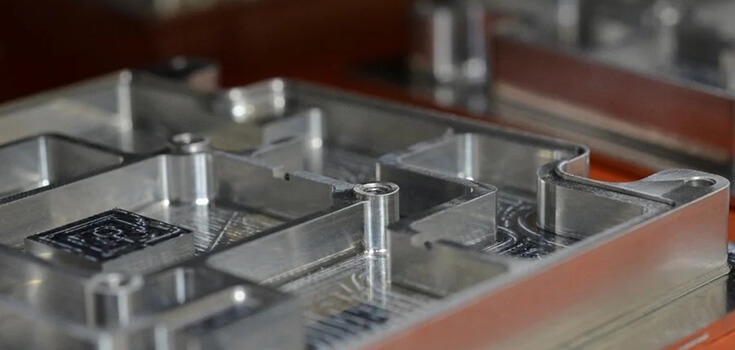
When housings require non-radiused internal corners, EDM machining ensures geometry without compromising cavity precision.










Präzision, schnelle Durchlaufzeiten und keine Fehler - Maschinenbauingenieure verlassen sich auf DEK, wenn Fehler keine Option sind.
Send us your drawing—we’ll provide fast DFM feedback and a precise quote, no minimum order.
