
Melting Point of Iron: Informativer Leitfaden
Iron is a strong metal that you use in many things, like buildings, machines, and tools. It’s a good choice because it’s tough and easy to shape when heated. If you want to melt or join iron, you need to know the melting point of iron. This helps you heat it the right way and avoid mistakes.
In this guide, you’ll learn why the melting point is important and how you can use it when working with iron.
What is the Melting Point of Iron?
Pure iron melts at about 1,538°C (2,800°F). That’s really hot because the atoms in iron are held together tightly, and it takes a lot of heat to break those bonds.
But the melting point can change a little. If the iron has other materials mixed in, like carbon or other metals, it might melt at a lower or higher temperature. So, always check what kind of iron you’re using.
Melting Points of Different Iron Types
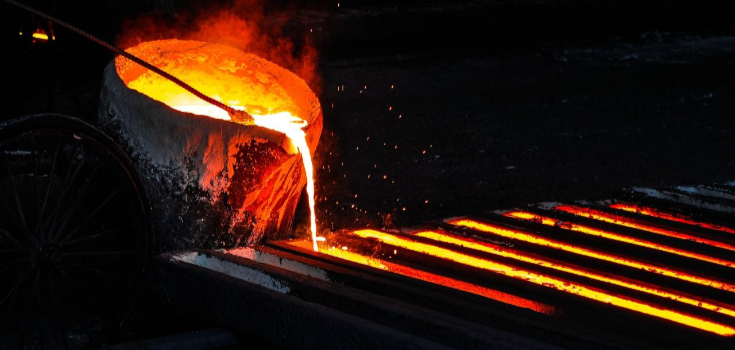
Below is a table where you can see the difference in melting points of different iron types.
| Type of Iron | Iron Melting Point in °C |
| Gusseisen | 1150 to 1200°C |
| Wrought iron | 1482 to 1593°C |
| Weißes Eisen | 1130 to 1350°C |
| Grey iron | 1150 to 1200°C |
| Sphäroguss | 1150 to 1200°C |
| Verformbares Eisen | 1170 to 1350°C |
Importance of Knowing Iron Melting Point in Metal Processing
Here’s how the melting point of iron matters in different metal processes:
Gießen
When you melt iron to pour it into molds, you need to set the furnace to the right temperature. If it’s too cold, the iron won’t flow well. If it’s too hot, you might damage the mold or the metal. Knowing the melting point helps you melt iron just enough to get smooth, clean castings.
Schweißen

Unter Schweißen, you join pieces of iron using heat. If you know the melting point, you can choose the right welding tools and heat settings. This helps you make strong welds without hurting the metal.
Making Alloys
If you’re mixing iron with other metals to make alloys like steel, you need to know when iron melts. This helps you heat it correctly and mix in other elements the right way. A small change in temperature can affect the final mix.
Schmieden
Wenn Sie forge iron, you don’t melt it; you heat it until it’s soft enough to shape. This usually happens between 900°C and 1,200°C. That’s below the melting point, but still hot enough to work the metal. If it gets too hot, the iron can become weak or damaged.
Wärmebehandlung
In heat treatment, you change how iron behaves by heating and cooling it in certain ways. Knowing the melting point tells you how hot you can go without melting it. For example, when you anneal iron, you heat it just below the melting point to make it softer and less stressed.
How Melting Iron Affects Its Properties

Here’s what happens when iron goes from solid to liquid:
- Iron turns from solid to liquid. This is the most obvious change.
- Iron gets bigger in size when it melts. This makes it less dense.
- Liquid iron doesn’t carry heat as well as solid iron. So, heat spreads more slowly.
- Iron also carries electricity poorly in liquid form. It’s not as good as solid iron for electrical use.
- Melted iron flows easily because it’s less thick (low viscosity). This makes it great for casting or molding.
- The way melted iron forms drops and spreads changes. This helps in welding and casting, where smooth flow matters.
- When iron is melted, it loses its strength and stiffness. But when it cools and becomes solid again, it gets those properties back.
- Molten iron reacts more with other elements. It can oxidize or mix with other metals easily, which is useful for making alloys.
Boiling Point of Iron vs. Melting Temperature of Iron
The boiling point of iron is much higher than its melting point; this is the temperature at which liquid iron turns into gas.
So, when you heat iron, it first melts at 1,538°C. If you keep heating it past that, it will eventually boil and become gas at 2,862°C. You usually don’t need to reach the boiling point in normal metal work.
Factors Affecting the Melting Point of Iron
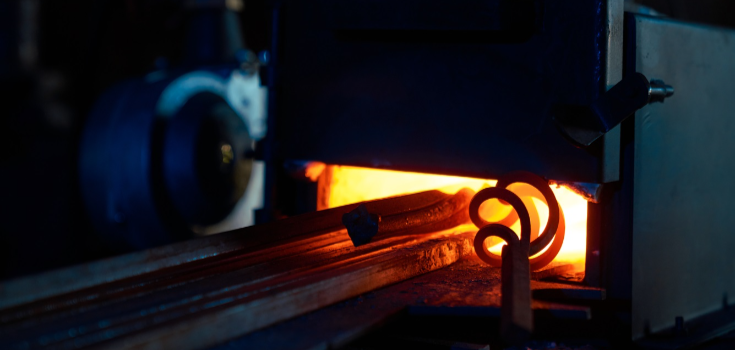
Several things can change the melting point of iron, and here are some of them:
- If iron has impurities like carbon, its melting point can go higher or lower.
- Different forms of iron, like austenite and ferrite, have different melting points.
- More pressure makes iron melt at a higher temperature. Less pressure can make it melt at a lower temperature.
- Adding elements like nickel, chromium or manganese changes the melting point of iron
- The size of iron’s grains can slightly change its melting point because it affects the overall strength of the material.
- The way you heat iron, like through annealing, can change its internal structure, which affects the melting point.
How to Melt Iron
Melting iron is a process with specific steps, and here’s how it works:
- You start by getting raw materials like scrap metal or iron ore.
- Make sure the raw materials are clean and free of any impurities or contaminants.
- Pick the right furnace for the job. You can use a cupola, blast, electric arc, or induction furnace, depending on your needs.
- Put the raw materials into the furnace. Add limestone, coke, or another fluxing agent to help remove impurities.
- Turn on the furnace and heat the materials to about 1,538°C, which is the ideal melting point. Make sure the heat is steady and even.
- Keep an eye on the melting process to make sure the iron turns into a complete liquid. Adjust the temperature and flux as needed to prevent overheating.
- As the iron melts, impurities form a slag on the surface. Remove this slag to keep the molten iron pure.
- Once the iron is fully melted, tap the furnace to pour the molten iron into ladles or molds. Control the flow to prevent splashes.
- Allow the molten iron to cool in the molds or ladles. If needed, you can use controlled cooling or annealing to get the right shape.
- Once cooled, check the iron for quality and consistency. You can also have it tested to make sure it meets the standards.
Applications of Iron Based on Melting Point
Here’s how iron’s physical properties are used in different fields:
Construction and Infrastructure
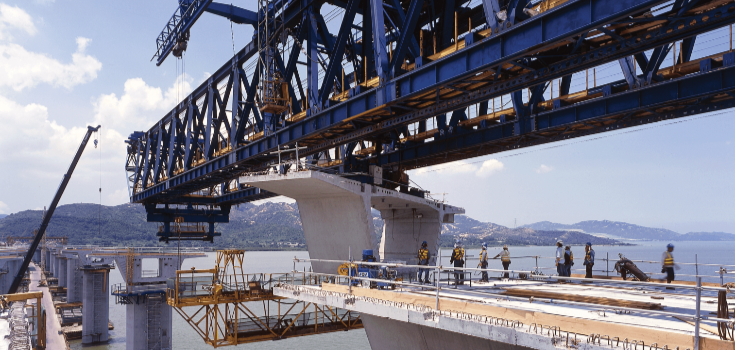
Iron is needed in making steel, which is used in building bridges, skyscrapers, and railways. Steel is strong and can hold heavy loads. It also handles changes in temperature without breaking down, so it is perfect for long-lasting structures.
Machinery and Manufacturing
Iron is also used in tools and parts for machines because it can handle high heat and pressure without losing its strength. This makes it perfect for heavy equipment, cookware, and molds used in manufacturing. It ensures everything works well in tough conditions.
Autoindustrie
In cars, iron helps with heat resistance. Cast iron is often used for engine parts because it keeps heat well and resists wear. This makes it important for parts like engine blocks and crankshafts, helping cars run smoothly and last longer.
Environmental Applications
Iron’s ability to resist high temperatures also makes it useful in renewable energy. It is used in heat exchangers and solar thermal systems, helping improve energy efficiency and contribute to sustainable energy solutions.
Emerging Technologies and Advanced Materials
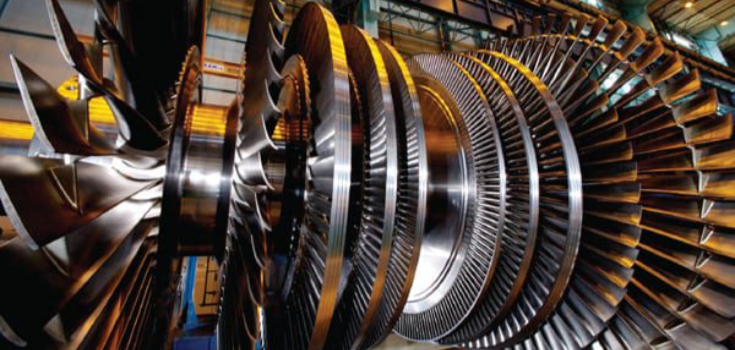
Iron-based superalloys are used in parts like turbine blades and aerospace components. These materials can handle extreme heat, which is why they are important in industries where reliability and performance are needed.
How Iron Melting Point Compares to Other Metal Melting Points
You can compare iron’s melting point to other metals to know which one you need to use for your project. Check the table below.
| Metall | Schmelzpunkt (°C) | Schmelzpunkt (°F) |
| Aluminium | 660.3°C | 1,220.5°F |
| Kupfer | 1,984°C | 3,623°F |
| Gold | 1,064°C | 1,947°F |
| Silber | 961.8°C | 1,763°F |
| Blei | 327.5°C | 621.5°F |
| Nickel | 1,455°C | 2,651°F |
| Titan | 1,668°C | 3,034°F |
| Zink | 419.5°C | 787.1°F |
| Platin | 1,768°C | 3,214°F |
| Molybdän | 2,623°C | 4,753°F |
| Wolfram | 3,422°C | 6,192°F |
| Kobalt | 1,495°C | 2,723°F |
| Magnesium | 650°C | 1,202°F |
| Palladium | 1,555°C | 2,831°F |
| Rhodium | 1,964°C | 3,567°F |
Schlussfolgerung
You can see that iron melts at a slightly higher temperature than many other metals. That’s why iron alloys also tend to have higher melting points.
Unter DEK, we’ll help you choose the right metal alloy for your project. Contact us now and get a free quote.
FAQs
What is the melting point of iron in Fahrenheit?
Iron melts at about 2,800°F.
What is the melting point of iron chloride?
There are different types of iron chloride. Iron(II) chloride (FeCl₂) melts about 1,121°F (605°C). Iron(III) chloride (FeCl₃) melts at about 172°F (78°C).
What is the melting point of iron in Kelvin?
Iron melts at about 1,811 K.
Why is melting point of iron so high?
Iron has strong bonds between its atoms. Because of this, you need a lot of heat to break those bonds and turn it from solid to liquid. That’s why the melting point of iron is so high.
