
Most CNC shops believe growth is needed by buying more machines. Expanding floor space or making heavy capital investments. After years of working with machining businesses across the US, from small two-machine shops to large aerospace manufacturers.
I have learned that sustainable growth especially comes from new machinery. It comes from improving the systems that are already available. Hidden capacity is often trapped behind communication gaps. Also, unclear processes, slow handoffs, engineering delays, or inconsistent workflows.
When these issues are sorted out, results increase long before a new spindle arrives. In this blog, we will explore the patterns. I have seen in hundreds of successful shops why typical growth strategies fail. How advanced operations have better alignment.
These advanced workflow disciplines allow shops to measure without unnecessary capital expense. Suppose your goals are high, reliable schedules, and profitable growth. The greatest opportunities are inside your shop. You just need to uncover them.
Why Traditional Growth Strategies are Hitting a Wall
Conversations with business owners about growth will usually touch on the same familiar ideas. Add a machine, expand the footprint. Hire more people. These approaches are creating less ROI today than ever.
The industry has advanced, and the real difficulties in the businesses have shifted accordingly. Many shops are finding that a true constraint often shows up long before they run out of spindle capacity.
Machines are expensive, and ROI takes years
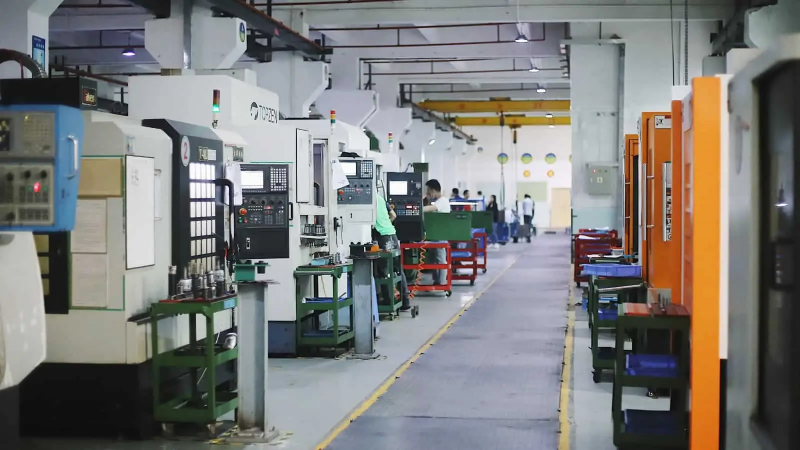
Most shops largely underestimate the true costs involved in acquiring a new machine. Sure, a 5-axis center might seem like a wonderful advancement. The practical and financial picture is much more complicated than that. Training, tooling, proving out programs, integration of probing routines, and stabilisation of workflows will all take time.
The effective value of a particular machine does not start accruing the moment the machine arrives. In many shops, one to three years may go by before a new machine really starts to add a net contribution to profitability.
Skilled labor shortages limit utilization
Many shops have the machines. They do not have enough skilled talent to execute them. Throughout the United States, finding skilled machinists is getting increasingly difficult. Many shops are running at below 70 percent of the capacities they already have.
There is no work due to the lack of skills on the shop floor. A new machine minus an operator is not a capacity. It is an overhead.
Engineering bottlenecks appear long before machine bottlenecks
I have seen machines sit idle, not because of a lack of work. One pile-up on a CAM programmer's plate can slow a shop more than any machine constraint.
Once the engineering queue becomes too long, all your work comes to a standstill. That is why just getting another machine rarely alleviates the real constraints.
The Hidden Opportunities Most Shops Overlook
The basic assumption of most shop owners is that there must be some kind of growth problem. They have to do with the lack of machines or manpower. In my experience working with shops, real growth opportunities usually lie in clear sight. Capacity is often trapped due to small process issues or unclear handoffs.
Engineering delays that never make the dashboard. Once these hidden gaps become visible, leaders start to see how much growth is possible without new equipment. It can grow long before any new equipment comes in.
Capacity can be created through better process flow
Most shops do not lack equipment. They lack a consistent flow of work. Smaller inefficiencies build up.
Unclear setup instructions, inconsistent fixtures, missing inspection tools, or undocumented tribal knowledge. This is where capacity hides.
Engineering and QC efficiency often unlock more output than new machines
Improved programming consistency and tightening up inspection loops often result in more throughput than a new machine would. One hour saved in engineering or first-article inspection can free up several hours of machine time.
I have seen shops double their effective output with improvements in first article clarity alone.
External support can stabilize schedules and reduce overload
Shops commonly wait until their world turns upside down before getting into outsourcing. Most disciplined shops do the opposite. They engage in outsourcing early, not as a sign of weakness.
As a means of stabilizing their internal flow, smoother peaks make for smoother daily tasks. Predictability in itself is a form of capacity.
What I’ve Learned Working With CNC Shops Across the U.S.
There were many years spent working with CNC shops, ranging from the two-machine operations to the largest multiple-shift facilities. What I have seen over time has been consistent in the way some high-growth shops differed from dead ones. The stalls and growth of shops differed only in the sorts of equipment.
It typically does not differ much in that respect. The biggest make-or-break scale for shops. Big or small, it involves high communication and strategies for making collective decisions. Discipline towards processing, and it does not stop at just equipment selection.
Shops that grow fastest improve processes, not equipment count
The fastest-growing shops are certainly not the ones in a hurry to buy machines. They are instead busy perfecting communication.
They streamlining setups to eliminate repeated decisions. Their growth is without any noise, steady. The unheard of was built on systems instead of purchases.
The strongest teams have better communication, not better machines
Advanced machines do not balance for weak communication. By the common discussion of manufacturing problems in all areas of engineering, they are within the shop, machining, and QC. The problems are solved before they happen.
In those high-performing shops, a brief conversation between engineering, machining, and QC will often save them hours in unnecessary rework.
Many shops only realize their true bottleneck after a new machine sits idle
Yes, it is more common than what most owners would like to admit. A new machine enters the shop, and everyone is excited, only for it to sit there.
Waiting for CAM, waiting for fixtures, waiting for inspection. The machine is not the problem. The process was the problem.
Practical Ways to Increase Output Without New Equipment
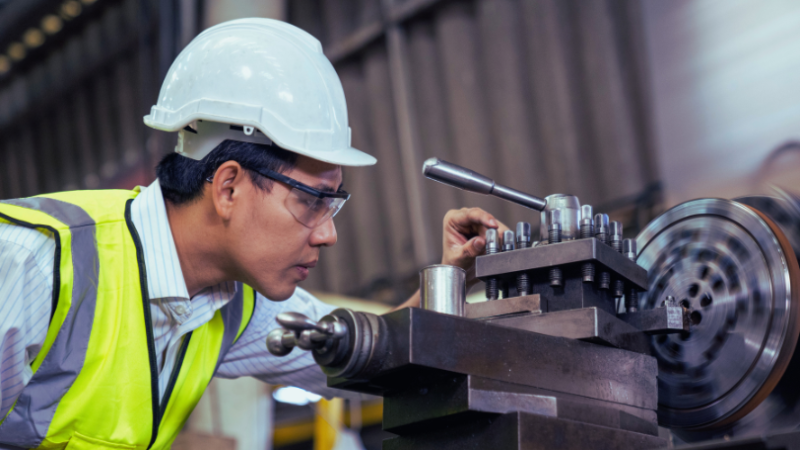
Most shops already have more capacity than they think. It is hidden behind everyday operational productivity. The machines are not the problem.
It is everyday inefficiencies that quietly constrain the entire flow. When those issues are resolved, the output rises conversely without adding any more spindles.
Reduce setup time with standardized tooling and documented workflows
Setup variation is arguably one of the most expensive forms of waste in a machine shop. Through the use of standard tooling libraries, consistent fixture strategies, and detailed guidance on how to perform setups. A shop can see a reduction in setup times by orders of magnitude. Simply making the next setup predictable becomes a breakthrough in output.
Strengthen DFM collaboration between engineering and machining
When engineering and Bearbeitung do not speak the same language, delays multiply. The best-performing shops encourage continuous communication on DFM tolerances. On the other hand, work-holding assumptions and cutter engagement are also important.
They also promote communication on the inspection strategy. The alignments eliminate the rework before it is even started.
Improve scheduling discipline to reduce idle time and chaos
Shops think they have a capacity problem when they really have a scheduling problem. When priorities are shifted several times a day.
The shop quickly loses momentum. A stable schedule protects focus. A predictable sequence ensures predictable output.
Use the first-article structure even for prototypes to avoid rework loops
Prototypes get speedy treatment, but that's where the real attack comes, with the most expensive errors. A simple first-artifact checklist, even one page, will stave off rework spirals during prototyping. Just one structured hour up front will save many later.
When and How to Use External Capacity Strategically
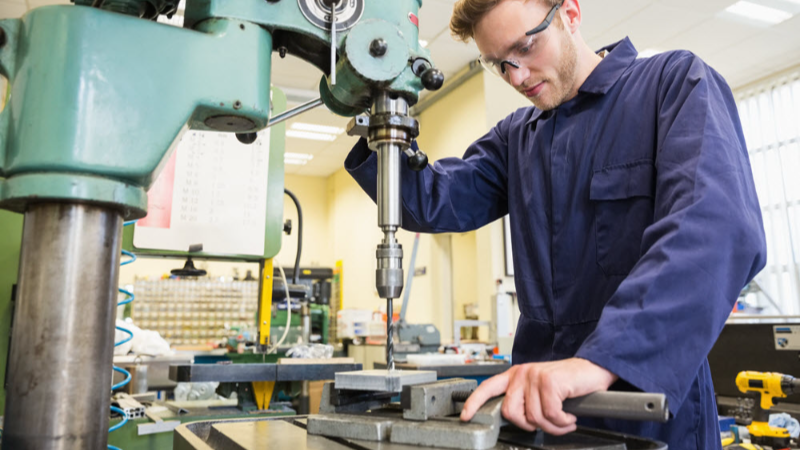
External capacity should not replace internal ability. It should allow easier operations. It protects your most valuable internal resources. Strongest shops use this outside support, not during times of crisis.
They have a fairly stable workload. They have primary machine protection. Also, they maintain delivery reliability during fluctuations in demand.
Offload low-urgency or specialized work to stabilize internal flow
External capacity is nothing more than pressure relief from capability. The purpose of referencing is low-urgency, specialized, or operational. The disruptive work is to free up internal focus to high-value projects.
Protect internal machines for profitable or critical projects
Your best machines should focus on the stuff that really matters. Outsourcing makes space for this priority to hold.
Maintain delivery reliability during peaks without over-hiring
All shops experience these peaks during their seasonal operations. External capacity catches those peaks. After that, overload does not happen with your team, or at worst, deadlines are met.
Many U.S. shops quietly work with DEK this way to avoid unnecessary capital investment.
Companies usually outsource in such a manner that it cuts overhead and maintains consistency. It reduces the probability of idle investment in equipment in slow months.
The Culture Shift Required for Sustainable Growth
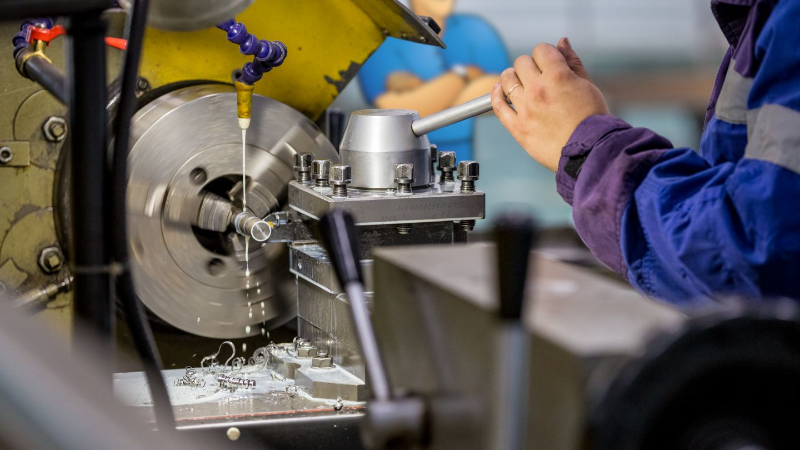
Long-term growth has far less to do with machines and far more to do with how teams think, communicate, and solve problems. Sustainable improvement happens when a shop starts to become preventive rather than reactive, when everybody understands the whole process and not just their own task.
Teach teams to think in processes, not machines
Machines make parts. Processes make consistency. When the teams view their work not as an isolated task but as part of a system. The quality and throughput get higher automatically.
Encourage operators and engineers to own problems early
Those shops that expeditiously uncover problems grow faster than those that hide them.
Focus on reducing variation, not increasing horsepower
Variation is the invisible wall that kills capacity. Setup variation, inspection variation, and communication variation all disrupt the proverbial flow. Reduce variation, and capacity moves up in traction.
Move the organization from reactive to preventive operations
Prevention, clear flows, clear documentation, stable updates-these aspects build a shop that cannot rush to meet the deadlines. This rush is where most of the mistakes are made. Predictable operations breed predictable growth.
My Perspective
After years of working with CNC shops across the country, I have learned that growth is rarely an equipment problem. It is a system problem. One that lives in communication, workflows, and the discipline to improve quietly rather than buy loudly.
A new machine might add capability, but a stronger process multiplies capability. In the long run, the shops that win are the ones that build systems their teams can trust. That is the kind of growth that lasts.
