
Best Practices For Plastic Injection Molding Quality Control
Imagine a manufacturing plant where robots, automated inspection systems, and the latest mold flow analysis programs work together to produce quality parts with consistent performance.
Adhering to best practices for quality control in plastic injection molding helps ensure product consistency, prevent defects and waste, and provides end-users with the necessary reliable parts.
Let's look at how we can achieve this kind of success!
Importance of Quality Control in Plastic Injection Molding
Quality control in plastic injection molding is essential for achieving consistent project outcomes and ensuring parts perform as intended.
It's important to keep an eye on each process step, from design to manufacturing, to guarantee that the part meets all requirements and customer expectations.
Visual inspection of injection molded parts is a great way to detect irregularities or defects before they become significant.
Additionally, dimensional analysis and product testing are useful tools for confirming accurate measurements and how well the part can withstand real-world use.
Benefits of Quality Control in Plastic Injection Molding
- Consistency and Uniformity
- Reduced Defects
- Kosteneinsparungen
- Enhanced Customer Satisfaction
- Compliance with Standards
- Optimized Production Processes
- Early Detection of Equipment Issues
- Data-Driven Decision Making
- Risikominderung
- Continuous Improvement

Best Practices For Plastic Injection Molding Quality Control
Use Of Automation And Technology
Automated inspection systems can quickly and accurately detect defects in parts, reducing the need for manual inspection and catching issues early on.
Robotics can increase efficiency and consistency in tasks such as part handling and material sorting, leading to higher-quality outcomes.
Advanced software, such as mold flow analysis programs, can help optimize the molding process by predicting potential issues before they occur.
Real-time machine performance monitoring using sensors can detect variations in key parameters such as temperature or pressure, allowing for precise adjustments that maintain consistent production quality.
Digital record-keeping systems can track data on each part throughout its production cycle, providing valuable insights into trends or patterns that may impact quality control.
Regular Inspection And Testing
Use visual inspection as your primary tool for detecting defects in molded parts. Look for surface defects, dimensions variations, sink marks, voids, flashes, and burrs.
Conduct regular dimensional and functional testing to evaluate the quality of the molded parts. For example, perform tests such as tensile strength testing, flexural modulus testing, impact resistance testing, etc.
Maintain the injection molding equipment regularly to ensure proper functioning and adherence to manufacturer specifications. Regular maintenance includes cleaning molds and machines, lubricating bearings and slides, replacing worn or damaged parts, etc.
Train employees on performing inspections and conducting tests effectively while providing them with relevant tools, such as rulers, micrometers, gauges, etc., necessary for precise measurements.
Implementation Of Standard Operating Procedures (SOPs) And Statistical Process Control (SPC)
SOPs are formalized processes used to ensure that each step of the production process is executed consistently. This ensures that any deviations or defects can be easily identified and corrected.
With SPC, you can monitor key parameters during production runs to ensure they remain within acceptable ranges.
This data enables you to identify trends and anticipate potential issues before they become major problems.
For instance, one of my previous clients needed help with consistent wall thickness in their plastic parts. As a result, we implemented a customized quality control plan using SOPs and SPC.
By monitoring critical characteristics such as cooling time, melt temperature, fill rate, and more during each production run, we could identify exactly where the inconsistency was coming from--an issue with the mold design--and correct it quickly.
The result was significantly reduced scrap rates while maintaining consistent product outcomes across all runs.
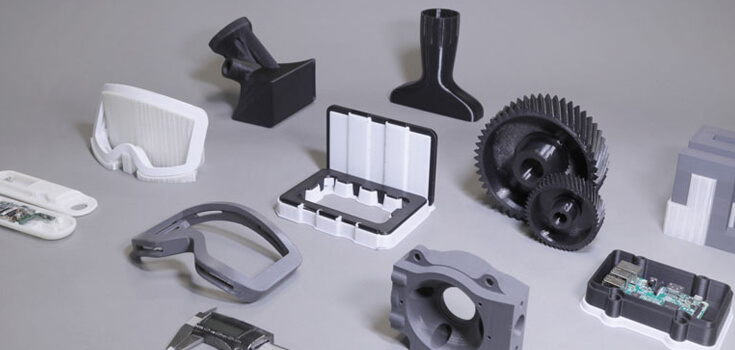
Regular Equipment Maintenance
Proper maintenance can greatly reduce the risk of defects, downtime, and costly repairs. Equipment malfunctions can cause inconsistencies in products that affect their quality.
However, consistent inspection and testing during equipment maintenance help identify issues before they significantly impact production efficiency or product consistency.
By implementing routine equipment checks and following manufacturer recommendations for upkeep schedules, manufacturers prevent machine damage, prolonging the lifespan of machinery.
This leads to a better return on investment for clients while reducing waste from malfunctioning parts caused by poor maintenance practices.
Employee Training And Accountability
Companies must establish thorough training programs for their employees, ensuring they know about the processes and equipment involved. This enables them to identify and prevent defects early, leading to better product outcomes.
Accountability also plays a vital role in maintaining high-quality standards in Spritzgießen. Employees should be responsible for their work and own up to any mistakes made during manufacturing.
When everyone takes ownership of their tasks, it leads to an environment where continuous improvement can occur naturally.
Common Quality Issues In Plastic Injection Molding and How to Address Them
Warping And Shrinkage
Achieving uniform part cooling can minimize warping and shrinkage defects. Consider using conformal cooling channels or beryllium copper inserts to improve heat transfer.
Increasing or decreasing the melt temperature can affect shrinkage rates. Therefore, carefully monitor and adjust the melt temperature based on material selection and part design.
Proper gating can impact how molten plastic flows into the mold cavity, reducing shear stress and warpage.
Uneven wall thickness can cause differential cooling, warping, and shrinkage defects. To mitigate this issue, ensure uniform wall thickness throughout the part.
Longer dwell times in hot mold cavities increase the likelihood of warping and shrinkage defects. Shortening overall cycle time by optimizing processing parameters can reduce this effect.
Sink Marks And Voids
Properly controlling molding by adjusting key parameters such as temperature, pressure, and cooling time can help prevent sink marks and voids.
Improving gating locations and venting systems can enhance material flow, minimize air entrapment, and reduce sink marks.
Choosing high-quality materials with lower shrinkage rates or fillers that reduce shrinkage can minimize the occurrence of sink marks and voids.
Regularly inspecting molded parts for defects such as sink marks and voids during production can quickly identify issues before they become major problems.
Utilizing advanced software to simulate the filling process of plastic injection molds can help identify potential problem areas in advance and optimize the design for manufacturability.
Flash And Burrs
Flash occurs when molten plastic escapes from the mold cavity and forms a thin layer on the part, resulting in an unwanted edge or lip.
To address this issue, operators must ensure proper clamping force between the mold halves to prevent leakage, use appropriate mold release agents, and adjust process parameters to reduce melt viscosity.
Burrs are small ridges or bumps forming on a plastic part's edge when excess material is squeezed between the mold halves. This can be caused by improper gate location, excessive injection speed, or inadequate cooling time.
To prevent burrs, operators should carefully analyze the part design and gating system, optimize injection parameters such as speed and pressure, ensure uniform cooling across the part surface, and implement secondary operations like trimming or sanding if necessary.
Dimensional Variations
Start with a well-designed part considering potential shrinkage and warpage during molding.
Use accurate and reliable measurement equipment to perform frequent inspections throughout production.
Implement a statistical process control system to monitor and analyze dimensional data, allowing for quick corrective action if necessary.
Ensure all equipment is calibrated correctly and maintained to prevent inaccuracies or measurement inconsistencies.
Train employees on handling and measuring techniques to minimize human error.
Surface Defects
Sink marks occur when the plastic cools unevenly, causing depressions on the surface. Adjust the cooling time or add ribs to prevent sink marks from improving the part design.
Weld lines occur where two flow fronts meet and can create a weak spot in part. Adjusting gate placement or using a higher injection pressure can help reduce weld lines.
Scratches are often caused by debris on the mold surface or improper handling during post-molding processes. Regular mold cleaning and proper handling can help minimize scratches.
Bubbles or voids occur when trapped gas escapes during solidification, leaving voids on the part's surface. Proper venting and maintaining proper temperature and pressure can help reduce bubbles.
Flash occurs when excess material seeps out of the mold parting line, creating unwanted protrusions. Adjusting clamp force or adding ejector pins can help prevent flash.
Tips on How to Improve Quality Control in Plastic Injection Molding
- Regular Audits And Customer Feedback
- Collaboration With Suppliers And Customers
- Focus On Sustainability And Environmental Responsibility
- Encouragement Of Employee Innovation And Creativity
Schlussfolgerung
By utilizing automation and technology, regularly inspecting and testing parts, implementing standard operating procedures (SOPs) and statistical process control (SPC), and maintaining equipment regularly, you can ensure plastic injection molding projects meet customer needs with consistent quality and part performance.
With these best practices, you can ensure your projects achieve desired results without costly rework or waste materials while providing your customers a sense of belonging as they know their products will perform as intended.
